Chicago Sees Historic Decline in Gun Violence as Community-Based Nonviolence Efforts Continue
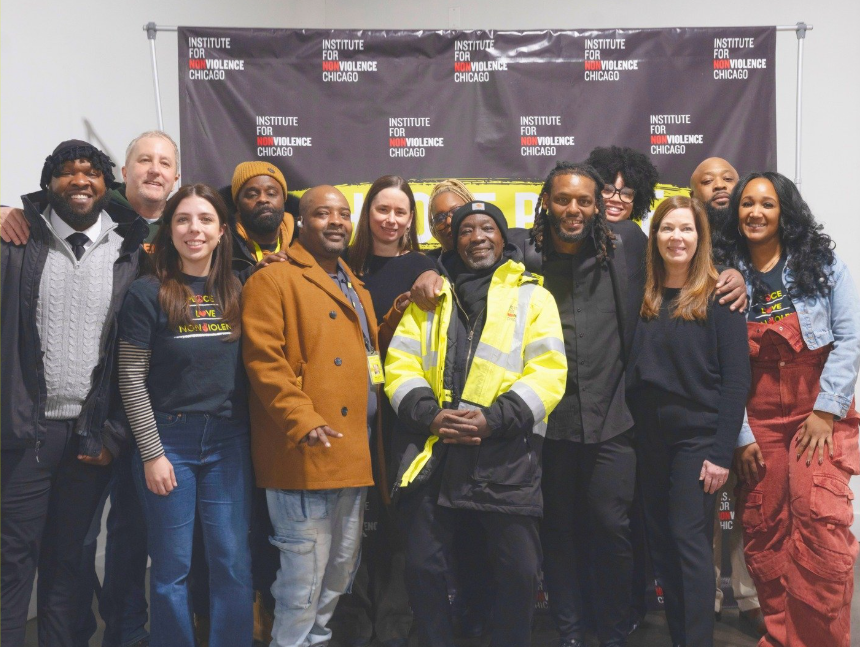
Newly released figures from the Institute for Nonviolence Chicago highlight a significant milestone for the city, with 2025 recorded as Chicago’s safest year since 1965. The announcement comes alongside the release of the organization’s 2025 Impact Report, which reflects on a decade of community-led violence prevention efforts and their measurable outcomes.
According to the report, gun violence in Chicago declined for the fourth consecutive year, continuing a downward trend that community organizations and local leaders have worked toward over many years. In several of the Institute’s key service areas, including Austin, West Garfield Park, Back of the Yards, and Brighton Park, shootings have reportedly dropped by an average of 65 percent since 2016.
The progress has been attributed to long-term investments in neighborhood-based solutions, trauma recovery initiatives, outreach programs, and violence interruption strategies. These efforts focus not only on immediate intervention but also on supporting survivors, families, and communities affected by violence.
Institute for Nonviolence Chicago CEO Teny Gross reflected on the significance of these developments in a recent message accompanying the report. Referencing Dr. Martin Luther King Jr.’s belief that “nonviolence is for courageous people,” Gross described the progress as the result of collective action and sustained community engagement.
The report frames these achievements within the broader concept of the “Beloved Community,” a vision of social justice and collective care championed by Dr. King. Rather than presenting it as an abstract ideal, the organization points to tangible outcomes such as reduced shootings, increased support systems, and stronger neighborhood networks as evidence of what community-based nonviolence can achieve.
Beyond statistics, the report emphasizes the human dimension of the work. Survivors and families affected by violence continue to receive support through counseling, outreach, and recovery services aimed at healing and long-term stability. Organizers stress that maintaining progress will require continued unity, investment, and public engagement.
As the Institute approaches its 10th year of service, the latest figures offer a moment of reflection on how sustained grassroots initiatives can contribute to measurable changes in public safety and community well-being.
Read the full 2025 Impact Report here: https://nonviolencechicago.my.canva.site/2025impact