Omer Bartov’s New Book Sparks Debate on Zionism, Israel, and the Future of the Region
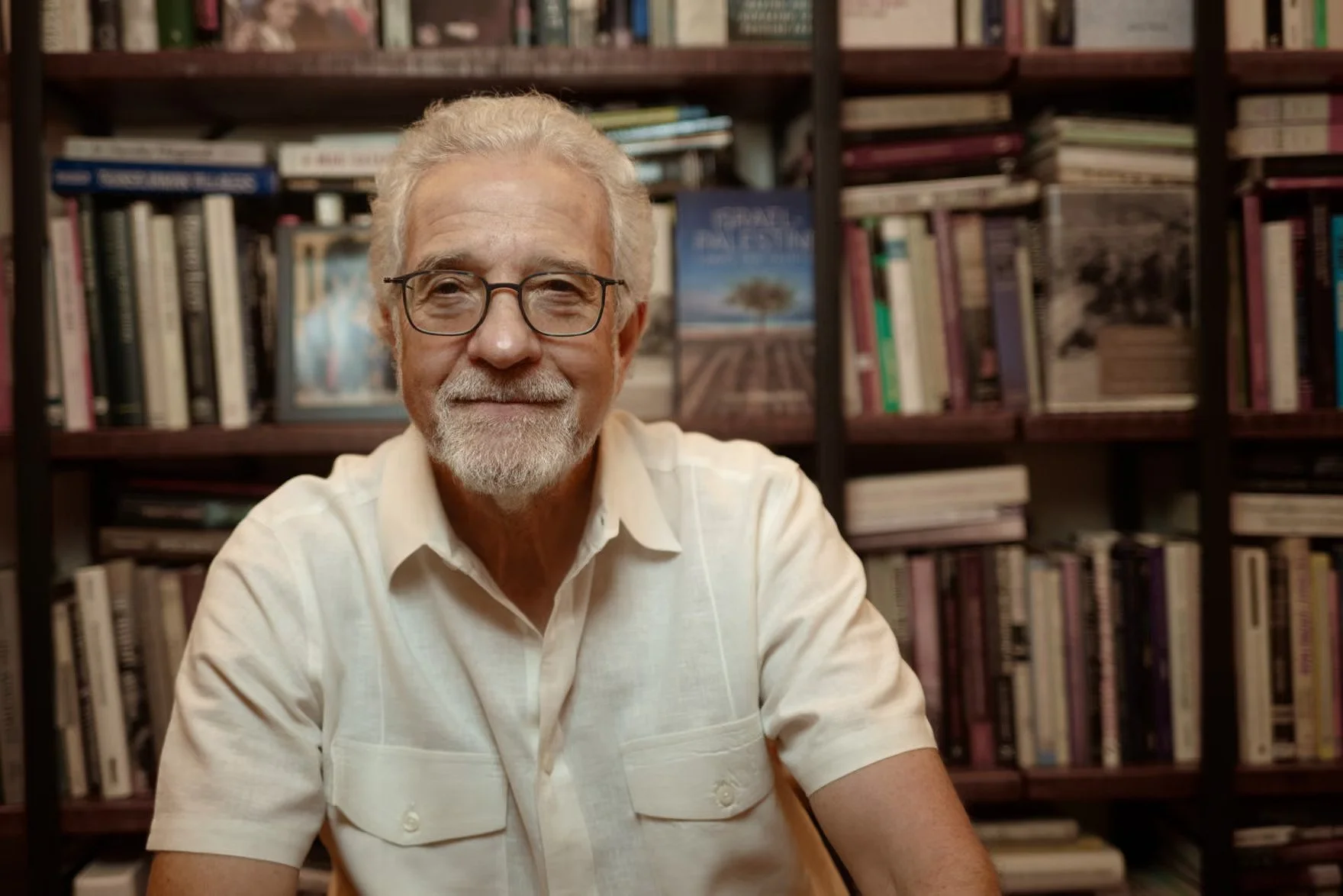
A new book by Israeli-American historian and genocide scholar Omer Bartov is generating significant international discussion around Zionism, Israeli identity, and the ongoing war in Gaza. Published this week, Israel: What Went Wrong? examines the historical and political evolution of Israel through the perspective of one of the world’s leading scholars of genocide and mass violence.
Bartov, a professor at Brown University and a widely respected Holocaust historian, argues in the book that Zionism transformed over time from a movement centered on liberation and protection into what he describes as an ethno-nationalist and settler-colonial project. The publication comes amid heightened global scrutiny of Israel’s actions in Gaza and increasing debate around the language of genocide, occupation, and international law.
In interviews surrounding the release, Bartov reflected on his own personal and intellectual journey. Born in Israel to parents who were committed Zionists and veterans of the 1948 war, he himself served in the Israeli military before later pursuing a career focused on the Holocaust, antisemitism, nationalism, and genocide studies. Over decades, he became one of the foremost scholars examining how states and societies justify mass violence and historical erasure.
In May 2024, Bartov publicly concluded that Israel’s actions in Gaza met the definition of genocide under the 1948 UN Genocide Convention. He later expanded on this position in essays and interviews, including a widely discussed New York Times opinion piece titled I’m a Genocide Scholar. I Know It When I See It. His statements sparked intense reactions internationally and reportedly strained some of his longstanding personal relationships in Israel.
In Israel: What Went Wrong?, Bartov traces what he views as a turning point in Israeli statehood following 1948. According to his analysis, the failure to adopt a constitution, define permanent borders, or establish equal relations with Palestinian citizens fundamentally shaped the trajectory of the state. He argues that these unresolved issues contributed to a political culture increasingly rooted in militarization, exclusion, and permanent conflict.
The book also examines the role of Holocaust memory within Israeli politics and public life. Bartov criticizes what he describes as the political instrumentalization of the Shoah, arguing that it has often been used to justify state violence while simultaneously reinforcing narratives of perpetual victimhood and exceptionalism.
At the same time, Bartov distinguishes between different strands of Zionism. While he rejects the current form of political Zionism practiced by the Israeli state, he maintains that earlier versions of Zionism included genuine aspirations for Jewish liberation and self-determination following centuries of persecution in Europe. His critique, therefore, focuses not simply on Zionism’s origins but on what he believes it became through state policy and occupation.
The historian also addresses possible future alternatives. One section of the book discusses the “A Land for All” confederation proposal, which envisions independent Israeli and Palestinian states existing side by side while allowing freedom of movement and residence across the territory. Bartov presents the model as one possible path toward coexistence in a region marked by decades of violence and displacement.
Beyond the book itself, Bartov’s comments reflect broader shifts taking place internationally. Public opinion in the United States, particularly among younger generations, has become increasingly critical of Israeli government policy. Simultaneously, debates around antisemitism, criticism of Israel, and the language used to describe the war in Gaza have intensified across academic, political, and media spaces.
Bartov also argues that continued unconditional military and diplomatic support from the United States has allowed Israel to avoid confronting deeper structural and political questions. In his view, any long-term resolution will require a shift away from military solutions toward diplomacy, accountability, and political transformation.
Despite the controversy surrounding his views, Bartov’s work continues to occupy an important place in contemporary discussions about nationalism, historical memory, violence, and state power. The publication of Israel: What Went Wrong? adds another significant voice to the growing international debate over the future of Israel and Palestine, and the broader implications of the ongoing conflict for global politics and human rights discourse.
https://www.theguardian.com/world/2026/apr/21/omer-bartov-israel-zionism-genocide
Debate Grows Over the Future of the U.S.-Israel Security Relationship
A new analysis published by Israel Policy Forum examines the evolving dynamics of the U.S.-Israel security relationship at a moment of increasing political debate and shifting public opinion in the United States.
Written by Rachel Brandenburg, the article explores how recent developments in the Middle East, combined with changing attitudes among American lawmakers and voters, are prompting renewed discussion about the future structure of U.S. security assistance to Israel.
The discussion follows two Joint Resolutions of Disapproval introduced in the U.S. Senate over arms sales to Israel. Although the resolutions were not expected to pass, they received unprecedented support among Senate Democrats. According to the analysis, 40 of 47 Democratic senators voted in favor of one resolution and 36 supported the other, reflecting growing frustration surrounding the wars in Gaza and Iran, as well as broader concerns about American military support for Israel.
The article also points to recent polling data from the Pew Research Center, which found a notable decline in favorable views of Israel among younger Americans. Among Americans under 50, 60 percent reportedly expressed unfavorable views, while that figure rose to 75 percent among those aged 18 to 29. These shifts are presented as part of a broader trend that could significantly influence future policy debates in Washington.
At the same time, Brandenburg notes the paradox shaping the current moment. Militarily, the United States and Israel have never cooperated more closely, particularly during recent operations involving Iran. Yet public support for that same partnership appears to be weakening.
Rather than viewing this moment solely as a crisis, the analysis argues that it may also present an opportunity to rethink the foundations of the bilateral relationship ahead of the expiration of the current 10-year Memorandum of Understanding (MOU) in 2028. The agreement, signed in 2016, currently provides Israel with $3.8 billion annually in U.S. security assistance.
The article suggests that the next phase of the relationship should be framed less as a donor-recipient arrangement and more as a strategic partnership between two technologically advanced allies with shared interests. It highlights how Israel’s economy, defense sector, intelligence capabilities, and innovation ecosystem have evolved significantly over recent decades.
Brandenburg argues that future negotiations should focus on comparative advantages, mutual security interests, and evolving regional realities rather than assumptions rooted in past geopolitical conditions. Potential areas of future cooperation could include joint research and development, co-production agreements, technological innovation, artificial intelligence, and healthcare collaboration.
The piece also acknowledges that U.S. military assistance does not necessarily provide Washington with the level of political leverage many policymakers assume it does. This raises questions about how future support mechanisms should be structured and justified, both strategically and publicly.
Ultimately, the analysis frames the current period as a transition point. It suggests that while the U.S.-Israel partnership is likely to remain important, the framework governing that relationship may need to evolve in response to changing regional politics, public opinion, and security priorities.
Read the full analysis here: https://israelpolicyforum.org/wp-content/uploads/2026/04/Policy-Pulse-424.pdf
Chicago Sees Historic Decline in Gun Violence as Community-Based Nonviolence Efforts Continue
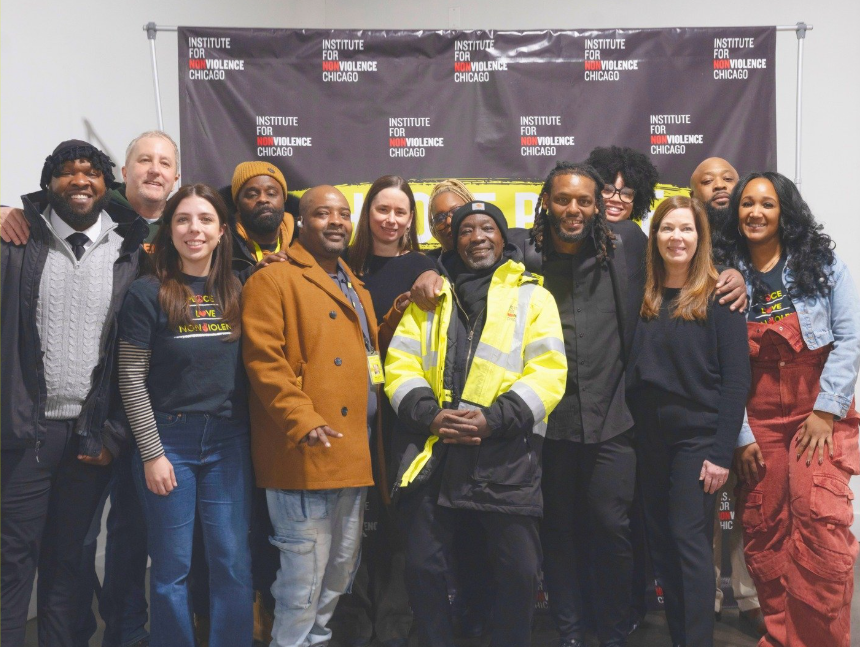
Newly released figures from the Institute for Nonviolence Chicago highlight a significant milestone for the city, with 2025 recorded as Chicago’s safest year since 1965. The announcement comes alongside the release of the organization’s 2025 Impact Report, which reflects on a decade of community-led violence prevention efforts and their measurable outcomes.
According to the report, gun violence in Chicago declined for the fourth consecutive year, continuing a downward trend that community organizations and local leaders have worked toward over many years. In several of the Institute’s key service areas, including Austin, West Garfield Park, Back of the Yards, and Brighton Park, shootings have reportedly dropped by an average of 65 percent since 2016.
The progress has been attributed to long-term investments in neighborhood-based solutions, trauma recovery initiatives, outreach programs, and violence interruption strategies. These efforts focus not only on immediate intervention but also on supporting survivors, families, and communities affected by violence.
Institute for Nonviolence Chicago CEO Teny Gross reflected on the significance of these developments in a recent message accompanying the report. Referencing Dr. Martin Luther King Jr.’s belief that “nonviolence is for courageous people,” Gross described the progress as the result of collective action and sustained community engagement.
The report frames these achievements within the broader concept of the “Beloved Community,” a vision of social justice and collective care championed by Dr. King. Rather than presenting it as an abstract ideal, the organization points to tangible outcomes such as reduced shootings, increased support systems, and stronger neighborhood networks as evidence of what community-based nonviolence can achieve.
Beyond statistics, the report emphasizes the human dimension of the work. Survivors and families affected by violence continue to receive support through counseling, outreach, and recovery services aimed at healing and long-term stability. Organizers stress that maintaining progress will require continued unity, investment, and public engagement.
As the Institute approaches its 10th year of service, the latest figures offer a moment of reflection on how sustained grassroots initiatives can contribute to measurable changes in public safety and community well-being.
Read the full 2025 Impact Report here: https://nonviolencechicago.my.canva.site/2025impact
The Lessons of Hiroshima Shared Through Peacebuilding and Leadership at the University of Michigan
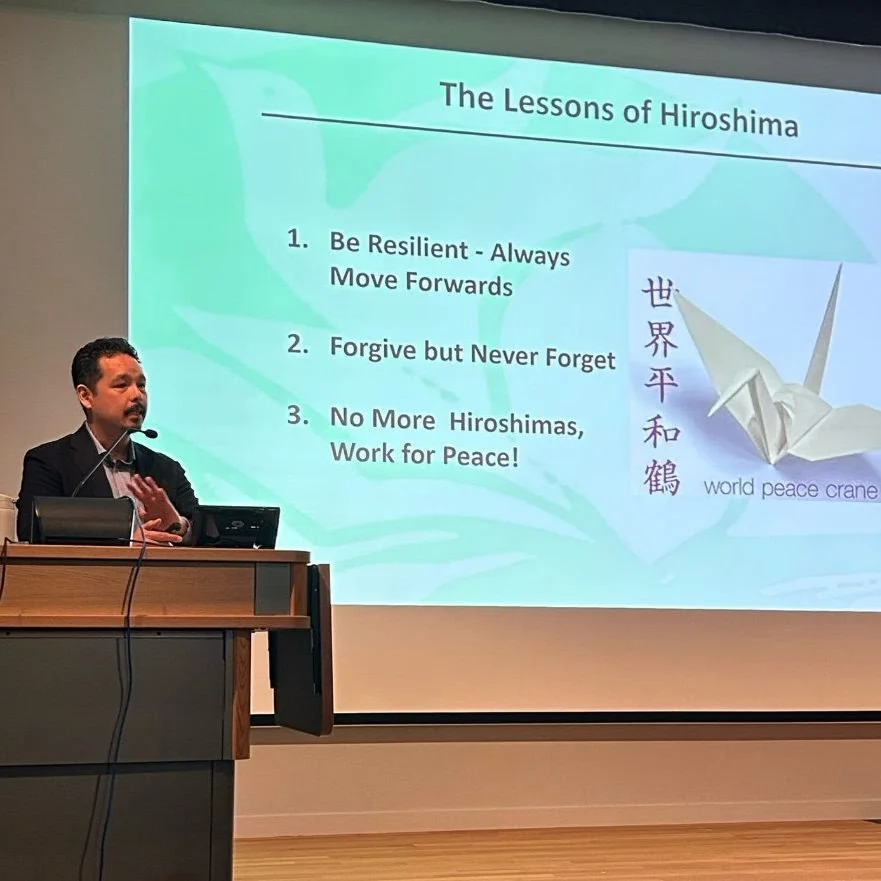
The enduring message of Hiroshima took center stage last month during a two-day symposium at the University of Michigan focused on peacebuilding, leadership, and nuclear disarmament. Organized by the Barger Leadership Institute, the event brought together educators, filmmakers, and peace advocates to reflect on how the lessons of Hiroshima continue to shape conversations around global conflict and human responsibility.
Among the featured speakers was Ray Matsumiya, Director of the Oleander Initiative, an organization dedicated to empowering peacebuilders through programs, workshops, and study tours in Hiroshima, Japan. During the symposium, Matsumiya shared insights from his work in Hiroshima and the Middle East, highlighting how historical memory and dialogue can contribute to more mindful approaches to leadership and conflict resolution.
The event, titled The Lessons of Hiroshima: Cultivating Mindful Leadership, opened with a screening of The Vow From Hiroshima at the historic State Theater in Ann Arbor. The film, which explores the legacy of atomic bomb survivors and the global movement toward nuclear disarmament, drew a packed audience and sparked conversations about the continuing relevance of Hiroshima’s history in today’s world.
The following day, discussions continued at the University of Michigan Museum of Art, where a panel of speakers explored themes related to peace education, leadership development, and the human consequences of war. Alongside Matsumiya, the symposium featured Dr. Connie Tingson Gatuz, Associate Vice President for Student Life; Mitchie Takeuchi, producer of The Vow From Hiroshima; Dr. Kathleen Sullivan, Director of Hibakusha Stories; and Dr. Ram Mahalingam, Director of the Barger Leadership Institute.
Together, the speakers reflected on how educational initiatives and storytelling can foster empathy, historical awareness, and civic engagement. Discussions also emphasized the importance of intergenerational dialogue and the role universities can play in promoting peace-oriented leadership.
The Oleander Initiative’s participation highlighted its broader mission of connecting individuals from around the world through immersive peacebuilding experiences in Hiroshima. By engaging participants with the city’s history and the stories of hibakusha, or atomic bomb survivors, the initiative seeks to encourage deeper reflection on violence, reconciliation, and global responsibility.
The symposium also underscored the continued importance of cultural and educational spaces in addressing global issues. Through film, conversation, and shared learning, events like this create opportunities for communities to engage with difficult histories while considering pathways toward a more peaceful future.
The full symposium recording, including the section featuring the Oleander Initiative, has been made available online for public viewing.
Beyond the Binary: A Ground-Level View of Life in Iran
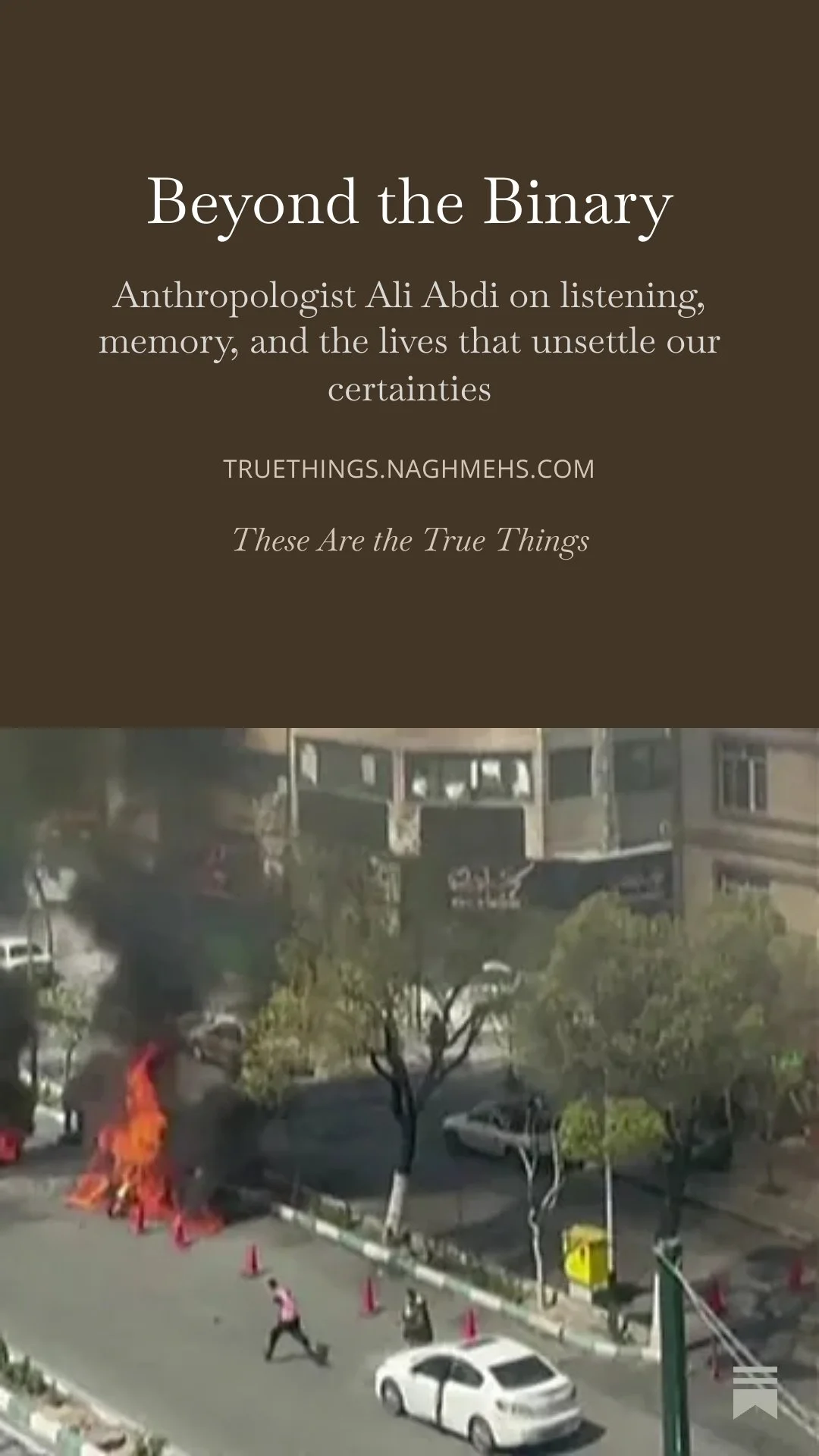
A recently shared and translated text by Iranian anthropologist and activist Ali Abdi offers a striking and deeply human account of life in Iran, challenging dominant narratives that often frame the country’s realities in simplistic terms.
Introduced by scholar Naghmeh Sohrabi, the piece presents a perspective that moves beyond the familiar binary of repression versus war. Instead, it centres on lived experiences, drawing together personal observations, memories, and stories that reflect the complexity of everyday life.
The narrative opens in Tehran during the early days of Farvardin, the beginning of the Iranian New Year. Rather than celebration, the city is described as subdued and tense. Streets appear quiet, the air is heavy, and the presence of armed forces and detentions creates an atmosphere of unease. These observations offer a glimpse into how broader political and military developments are felt at the level of daily life.
From Tehran, the account shifts to Isfahan, where conversations reveal personal stories of loss and hardship. Accounts of detention, restricted medical access, and the emotional impact on families highlight the human cost of ongoing tensions. These experiences are not presented in isolation but are connected to wider social and political conditions, illustrating how individuals navigate uncertainty and pressure.
A key theme throughout the text is the rejection of rigid binaries. Abdi critiques the tendency to divide society into opposing categories such as pro- or anti-government, or pro- or anti-war. He suggests that such frameworks fail to capture the realities of most people, whose lives and perspectives are shaped by overlapping and often conflicting experiences.
The piece also draws parallels between different moments of loss, placing side by side events such as the killing of a child during the Women, Life, Freedom movement and the experiences of schoolchildren in more recent incidents. These comparisons emphasise shared grief and highlight the need to recognise common humanity across divisions.
At its core, the text calls for a shift toward listening and understanding. It argues that meaningful connection requires engaging with the lived experiences of others, even when those experiences challenge existing beliefs or assumptions. This approach is presented as essential for moving beyond fragmentation and fostering a more cohesive society.
The translation, produced by Alireza Doostdar, forms part of a broader effort to bring perspectives from within Iran to a wider audience. By amplifying these voices, the initiative contributes to a more nuanced understanding of the country’s social and political landscape.
Read the full text here: https://truethings.naghmehs.com/p/beyond-the-binary
The VII Foundation Expands Global Journalism Initiatives with New Programs and Opportunities
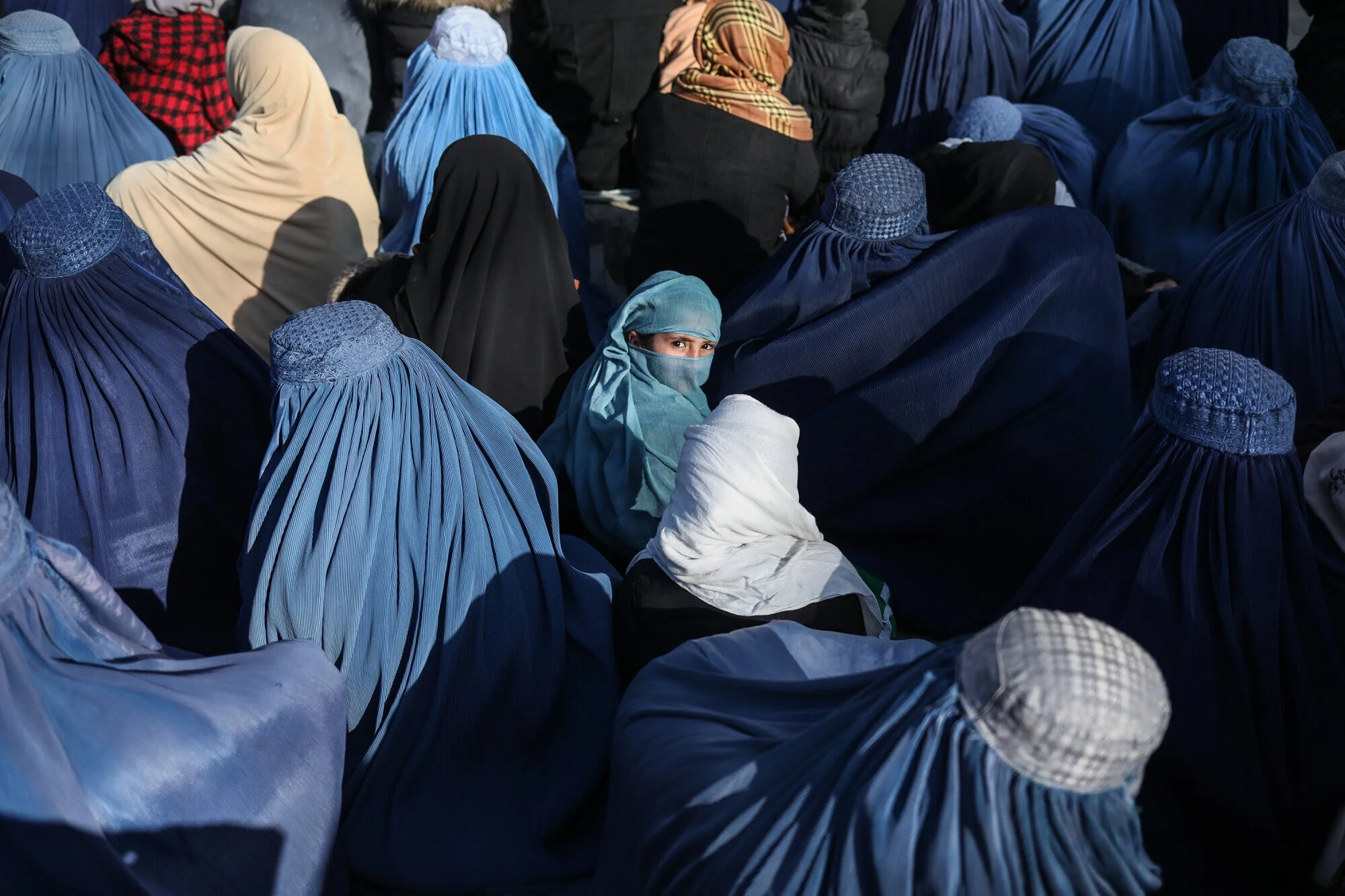
An Afghan girl sits in front of a bakery in the crowd with Afghan women waiting to receive bread in Kabul, Afghanistan, January 31, 2022. © Ali Khara.
The VII Foundation has announced a series of upcoming initiatives, reinforcing its commitment to supporting and developing the next generation of visual journalists from across the world. These efforts span mentorship programs, exhibitions, fellowships, and global collaborations, all centred on strengthening storytelling and amplifying underrepresented voices.
A key highlight is the introduction of the 2026–2027 cohort of the VII Mentor Program, the foundation’s flagship educational initiative. Designed to provide one-on-one mentorship from experienced visual journalists, the program continues to attract strong global interest, with applications undergoing multiple rounds of selection. This year’s cohort includes participants from Palestine, Ukraine, Iran, Senegal, Bangladesh, and Germany, reflecting a diverse range of perspectives and lived experiences.
The selected mentees bring a focus on community-centred storytelling, often working in regions facing conflict or social challenges. Their work explores themes such as war, displacement, identity, and human rights, demonstrating the role of journalism in documenting lived realities. Through mentorship by established professionals, participants will further develop their practice while contributing to meaningful public engagement.
Alongside mentorship, the foundation has released its 2025 Annual Report, highlighting progress in delivering tuition-free training programs for freelance journalists across the majority world. Over the past year, these initiatives have supported emerging reporters in producing work that engages with complex global issues and sparks public dialogue. The report also underscores ongoing efforts to address challenges to press freedom and ensure the safety of journalists working in vulnerable environments.
The foundation’s work also extends into the cultural sphere through a series of photography exhibitions presented as part of Francophonie Days 2026. Hosted at the Museum of Contemporary Art of Republika Srpska in Banja Luka, the exhibitions feature internationally recognised photographers and explore themes of memory, heritage, and transformation. These showcases highlight photography’s enduring ability to document cultural narratives and historical change.
Further opportunities for emerging journalists are available through the Dispatches in Exile – Goldziher Fellowship. This four-month paid mentorship program is aimed at Palestinian journalists living outside their homeland, offering editorial guidance, financial support, and a platform to publish stories focused on displacement and identity.
Looking ahead, the foundation will also participate in the Festival de la Camargue, where its Nature Through Her Eyes initiative will feature prominently. The program will spotlight the work of women photographers and filmmakers, alongside film screenings, exhibitions, and panel discussions that explore environmental storytelling and the relationship between nature and visual media.
In addition to these programs, the foundation continues to promote knowledge-sharing through workshops and publications. Recent activities include an online session on open-source intelligence in investigative journalism and the publication of articles addressing contemporary challenges faced by journalists, particularly in conflict zones.
Collectively, these initiatives reflect a broader mission to strengthen journalism through education, mentorship, and global collaboration. By supporting reporters working within their own communities, The VII Foundation continues to contribute to a more informed and inclusive media landscape, where diverse perspectives are documented and shared.
Learn more here: https://theviifoundation.org/educate/community/
Understanding Immigration Enforcement and Its Impact on Communities
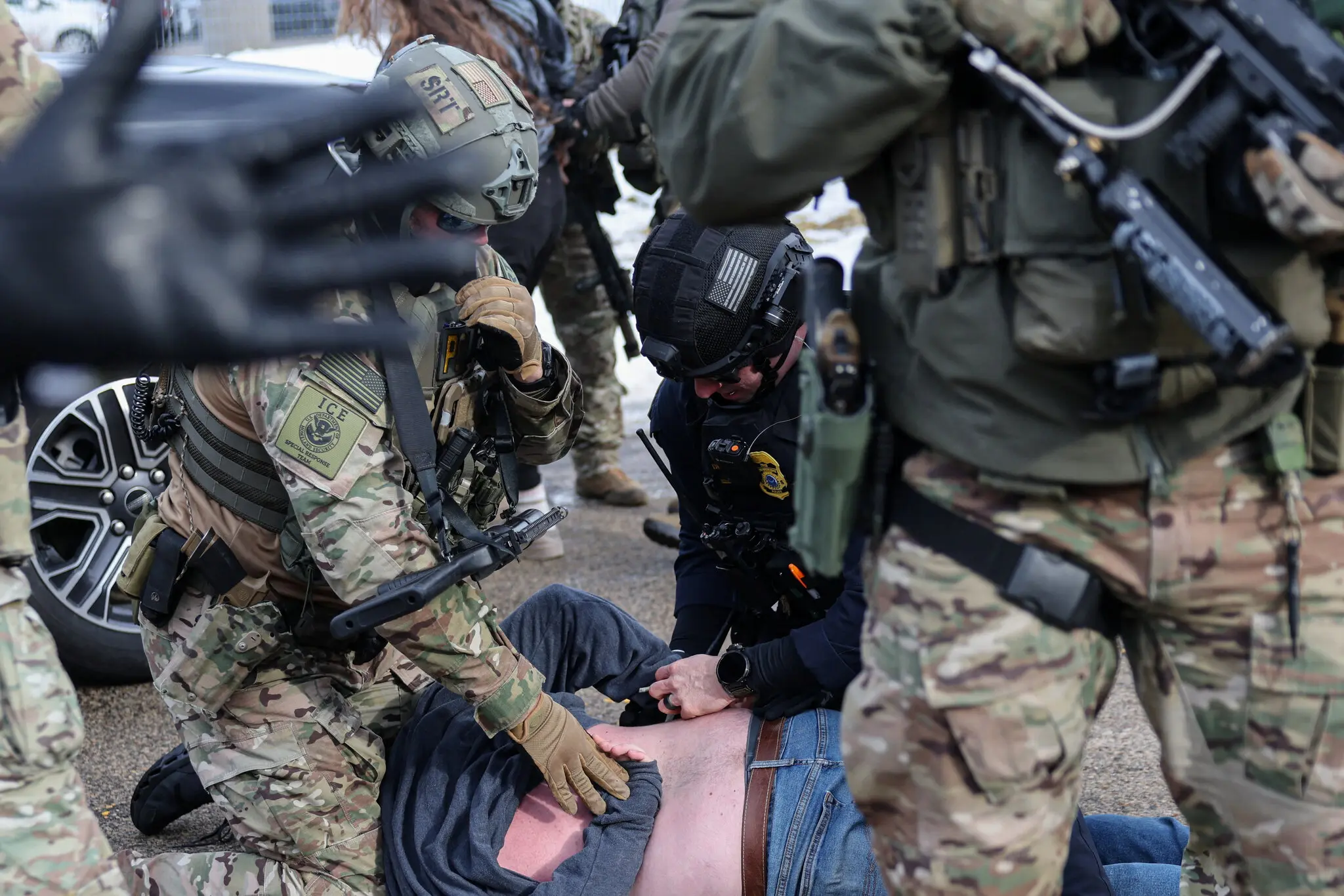
Recent discussions around immigration enforcement in the United States are raising important questions about how power is used and who it affects most. While policy debates often happen at the national level, their consequences are deeply felt by individuals, families, and communities.
This conversation is not only about laws and regulations. It is also about accountability, fairness, and the kind of society people want to build together.
A Shift in How Enforcement Is Viewed
Immigration enforcement has traditionally been seen as a legal and administrative function. However, many observers now argue that it is becoming more closely tied to political priorities.
There is growing concern that enforcement agencies are being given broader authority without enough oversight. This raises questions about how decisions are made, how transparent those decisions are, and whether safeguards are keeping pace with expanding powers.
For communities, this shift can create uncertainty. It can also shape how safe and supported people feel in their daily lives.
Leadership and Policy Direction
Changes in leadership and political direction often influence how immigration policies are implemented. Recent approaches have emphasized stronger enforcement measures, including increased detention and deportation efforts.
Supporters of these policies often frame them as necessary for maintaining order and security. Critics, on the other hand, worry that such approaches may overlook humanitarian considerations and the complexities of individual cases.
This difference in perspective highlights the challenge of balancing enforcement with compassion and fairness.
Everyday Impacts on People and Families
Behind every policy discussion are real people. Immigration enforcement can affect:
Families who face separation
Workers navigating uncertainty about their future
Communities that rely on trust and stability
When enforcement becomes more aggressive or less predictable, it can lead to fear and confusion. For many, it is not just a political issue but a deeply personal one.
Questions Around Rights and Protections
Another key concern is how enforcement practices align with legal and constitutional protections.
Issues that are often raised include access to legal representation, clarity around detention processes, and the risk of errors in enforcement decisions. These concerns are part of a broader conversation about how to ensure that systems remain fair while carrying out their intended purpose.
Maintaining this balance is essential for public trust.
A Broader Community Conversation
Immigration continues to be one of the most discussed and debated topics in public life. Strong opinions on all sides can sometimes make it difficult to have thoughtful, balanced conversations.
However, community spaces offer an opportunity to step back and reflect. They allow people to consider not just policy outcomes, but also shared values such as fairness, dignity, and accountability.
These conversations matter because they shape how communities respond to change and support one another.
Looking Ahead
As policies continue to evolve, there is an opportunity to focus on approaches that are both effective and humane. This includes:
Strengthening oversight and transparency
Ensuring that rights and protections are upheld
Encouraging open dialogue within communities
By staying informed and engaged, communities can play a role in shaping a future that reflects both security and compassion.
Read More: https://www.nytimes.com/2026/01/20/opinion/trump-vance-miller-ice.html
Rethinking Conflict: The “Incentive Gradient” and the Dynamics of Power
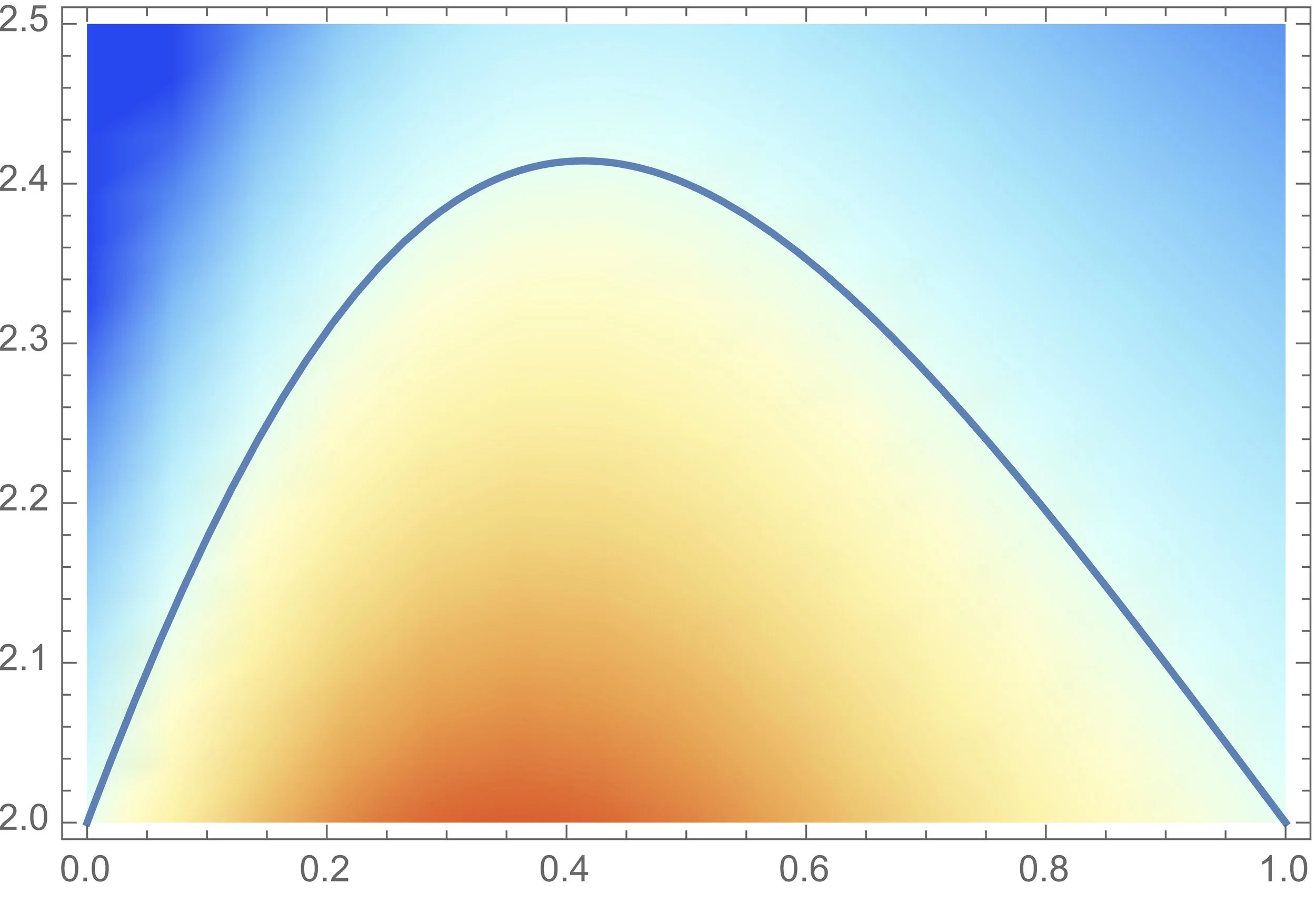
A recent analysis by Michael Poulshock introduces a new way of understanding conflict within power structures, offering a framework that moves beyond binary thinking toward a more nuanced view of how and why conflicts emerge.
In The Conflict Incentive Gradient, part of an ongoing series on power structures, Poulshock builds on earlier concepts of the “conflict boundary” to explore how incentives for conflict and cooperation shift continuously rather than appearing as fixed thresholds.
From Boundaries to Gradients
Traditional models of conflict often rely on clear dividing lines: conditions under which a dominant actor either chooses to attack or cooperate with a weaker one. Poulshock’s earlier concept of the “conflict boundary” reflects this binary perspective.
The new model reframes this boundary as a continuous gradient, where incentives vary in intensity. Instead of asking whether conflict will occur, the framework examines how strong the motivation for conflict or cooperation is under different conditions.
This approach introduces a spectrum:
Areas of high incentive for conflict
Areas of strong incentive for cooperation
Intermediate zones where outcomes are less predictable
This shift allows for a more realistic understanding of decision-making, acknowledging that actors are influenced by multiple factors beyond raw power calculations.
The Peak Risk Zone
One of the key findings of the model is the identification of a critical threshold in power relationships.
Conflict incentives appear to be strongest when a weaker actor reaches approximately 40% of the dominant actor’s power. At this level, the weaker actor is:
Strong enough to pose a meaningful threat
Not strong enough to impose prohibitive costs on the dominant actor
This creates a “maximum pressure zone” where the dominant actor has the greatest incentive to act aggressively.
The insight aligns with historical observations that many significant geopolitical rivalries emerge when rising powers reach intermediate levels of strength relative to established powers.
Beyond Power Alone
The model emphasizes that power is only one dimension influencing behavior. In real-world systems, decisions are shaped by:
Institutional constraints
Cultural norms and identity
Risk tolerance
Historical path dependencies
When the incentive to gain power is low, these other factors often dominate. However, as incentives increase, they can override competing considerations, making conflict more likely.
This helps explain why similar power configurations can lead to different outcomes depending on context.
Stability Through Multipolarity
The framework also highlights the stabilizing role of additional actors in a system. The presence of a third significant power can reduce the likelihood of conflict between the two leading actors.
This occurs because engaging in conflict risks weakening the dominant actor relative to the third party, creating a natural deterrent.
Such dynamics suggest that multipolar systems may, under certain conditions, produce greater stability than simpler power structures.
Bridging Competing Theories
A notable contribution of the “conflict incentive gradient” is its potential to reconcile competing schools of thought in international relations.
The model provides a way to interpret both:
Balance of power theory, which emphasizes stability through equilibrium
Power transition theory, which predicts conflict during shifts in dominance
By showing how both patterns can emerge from the same underlying structure, the framework suggests that longstanding theoretical divisions may reflect different perspectives on the same system.
Implications for Understanding Conflict
Rather than treating conflict as inevitable or purely situational, the gradient model frames it as a matter of probability and intensity. It shifts the focus from predicting outcomes to understanding risk levels and pressure points within systems.
This perspective may offer valuable insights for policymakers, analysts, and scholars seeking to navigate increasingly complex global dynamics.
Read More
Joy In Health Expands Access and Advances Psychedelic-Assisted Care in 2026

As 2026 begins, Joy In Health has shared a series of updates highlighting expanded access to care, new professional collaborations, and continued engagement in the evolving field of psychedelic-assisted psychotherapy.
Expanding Access to Ketamine-Assisted Psychotherapy
In partnership with Thank You Life, Joy In Health is expanding access to ketamine-assisted psychotherapy (KAP) through a growing scholarship fund supported by donors and community members.
The initiative introduces a scholarship-supported sliding scale for both individual and group KAP, aimed at individuals who may otherwise face financial barriers to care. Access to the program is currently available through professional referral.
Referrals and inquiries can be directed via email to scholarship@joyinhealth.com.
Joining KAPstone Clinics
Joy In Health has also joined KAPstone Clinics, a membership-based network of clinics focused on advancing ethical, clinically rigorous, and patient-centered psychedelic-assisted care.
As part of this collaboration, Dr. Marni Chanoff serves as a senior advisor, working alongside leaders in the field, including founder Peter Corbett. The partnership reflects a broader commitment to public education, ethical guidance, research, and equitable access within the rapidly developing landscape of KAP.
Upcoming Conference Participation
Dr. Chanoff has been invited to present at the 5th Annual Psychedelic-Assisted Psychotherapy Conference, hosted by Cambridge Health Alliance and Harvard Medical School, taking place on February 26–27, 2026.
Her presentation, “The Benefits and Challenges of Interdisciplinary Ketamine-Assisted Psychotherapy (KAP)”, will focus on the integration of medical and mental health disciplines. The session will explore how multidisciplinary teams can collaborate effectively while addressing the ethical, clinical, and operational complexities of psychedelic-assisted care.
Seasonal Wellbeing and Community Care
Alongside its clinical and professional updates, Joy In Health has also highlighted the importance of seasonal mental health awareness. During the winter months, shifts in mood, energy, and motivation are common.
Health coach Lizzie Nelson has shared practical strategies to support nervous system regulation and resilience, emphasizing that small, consistent habits can help individuals navigate the challenges of the season more effectively.
Ongoing Commitment
Based in Medford, Massachusetts, Joy In Health continues to focus on making medical science accessible, empathetic, and practical, while contributing to innovation in mental health care through interdisciplinary collaboration and community-centered approaches.
Learn more: https://www.joyinhealth.com
Community Canvas Showcases Art Inspired by Healing and Renewal
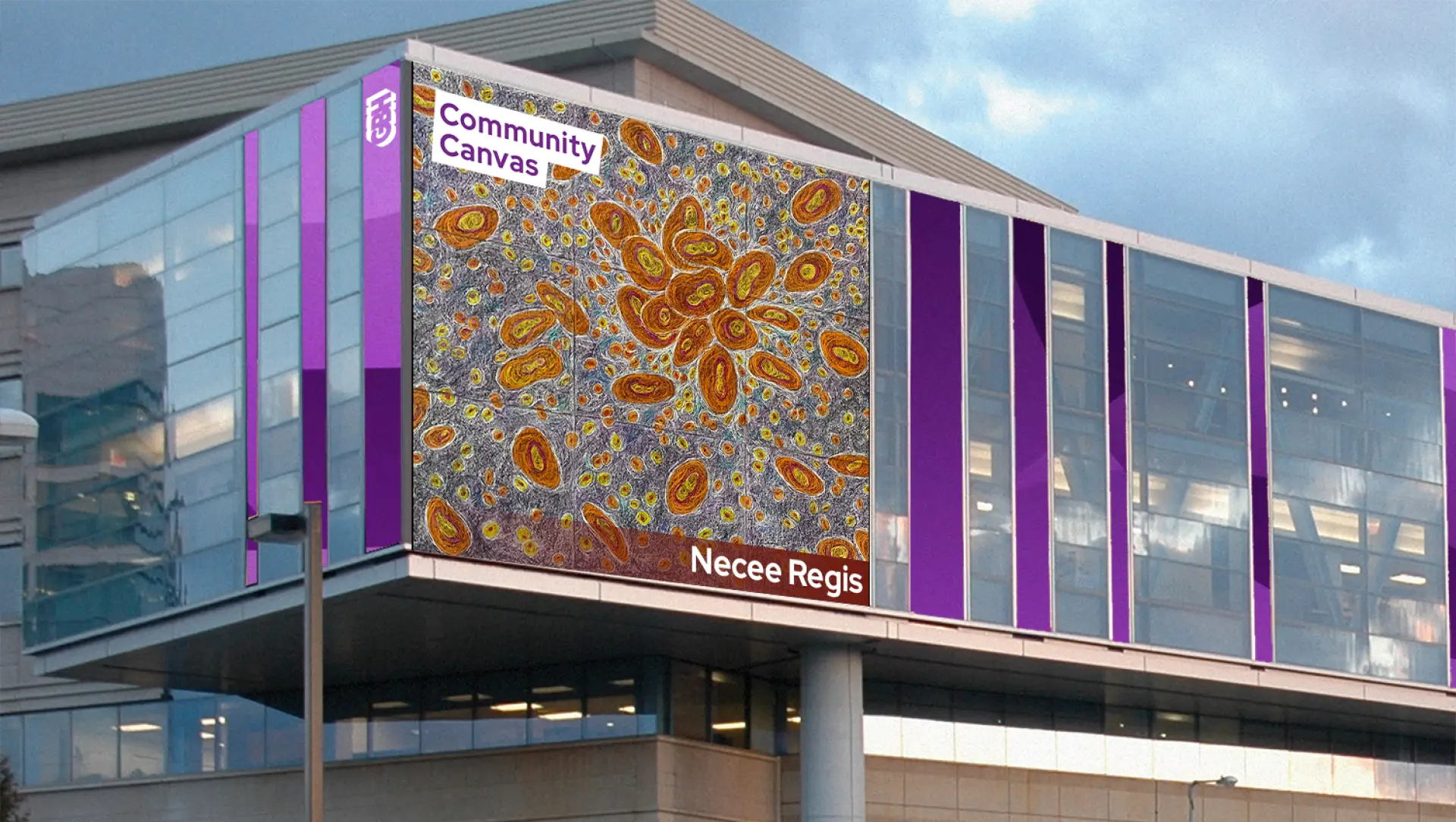
The latest edition of Community Canvas, an initiative presented by The Culture Show, highlights the powerful intersection of art, science, and personal experience. As part of GBH’s Digital Mural, the program continues to feature artwork created by members of the community, offering a platform for diverse voices and stories.
On March 31, 2026, the Digital Mural features a crayon drawing by artist Necee Regis. Her work draws inspiration from both stem cells and the cosmos, exploring the visual parallels between the microscopic and the vast expanses of the universe. Through this artistic lens, Regis captures a unique perspective on life’s interconnectedness, where the smallest elements mirror the largest structures.
The artwork is deeply personal. In March 2023, Regis was diagnosed with Myelodysplastic Syndrome (MDS), a serious medical condition that led to a stem cell transplant. The procedure, carried out under the supervision of the Dana Farber transplant team at Brigham and Women’s Hospital in Boston, marked a significant turning point in her life. This experience became the foundation for her creative series.
Rather than aiming for scientific precision, Regis approaches her drawings as expressions of renewal and resilience. Her work reflects a broader emotional and philosophical response to her journey, emphasising themes of healing and transformation. As she explains, the drawings are not intended to replicate cells exactly, but to evoke a sense of life-affirming self-renewal.
Community Canvas continues to demonstrate how art can serve as a meaningful way to process experiences and connect with others. By sharing stories like Regis’s, the initiative highlights the role of creativity in navigating personal challenges and celebrating recovery.
View the featured mural and learn more here:
https://www.wgbh.org/foundation/digital-mural/2026-03-31/tuesday-march-31
Tufts Engineers Without Borders Hosts Annual Fred Berger 6K Fundraiser
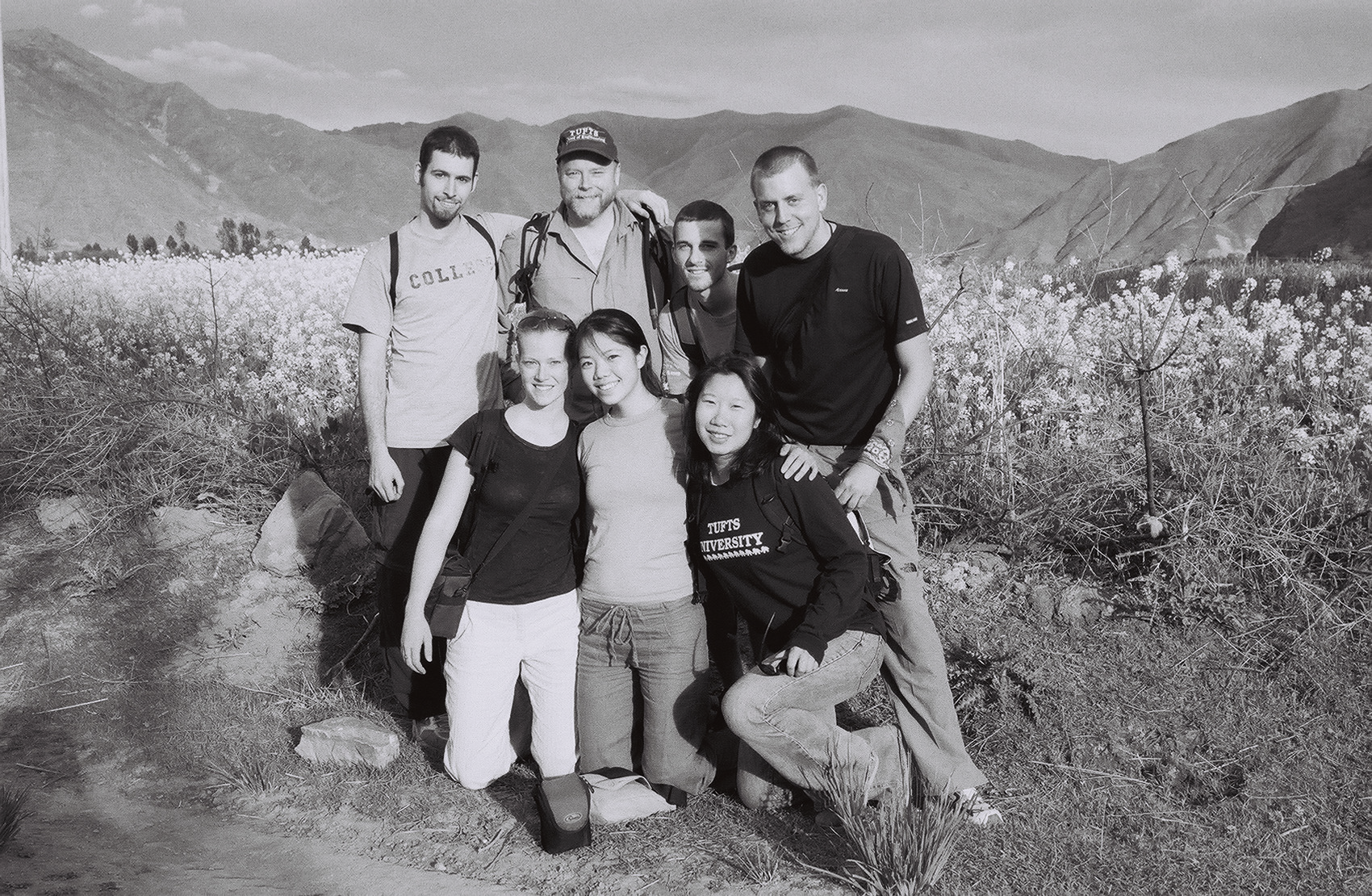
Tufts Engineers Without Borders (EWB) is preparing for the return of its Annual Fred Berger 6K, a community fundraiser that brings together students, residents, and supporters from the Tufts, Somerville, and Medford communities in support of global access to clean water and sustainable development initiatives.
The event is scheduled to take place on April 12 at 12:00 PM and continues a longstanding tradition that combines community engagement with global awareness. Participants are invited to either run or walk six kilometers, a distance chosen to represent the average journey many women and children in Sub-Saharan Africa make each day to access water.
Over the years, the annual 6K has become one of the organization’s most recognized community events, drawing participation from students, alumni, local residents, and supporters of humanitarian engineering initiatives. The fundraiser supports the ongoing work of Tufts EWB, which focuses on sustainable infrastructure and community-centered development projects.
This year’s event is held in honor of Fred Berger, whose influence helped shape the foundation and mission of Tufts Engineers Without Borders. Berger played a significant role in the organization’s early development and remained closely connected to its growth over the years. Known for his mentorship, thoughtful guidance, and signature bowtie, he encouraged students to think critically about what it means to be a global citizen and to approach humanitarian work with both humility and purpose.
Beyond infrastructure projects, Berger emphasized the importance of education, ethical engagement, and long-term sustainability. His impact extended deeply into the personal and professional growth of students involved in the organization, inspiring generations of members to pursue meaningful, community-driven solutions.
The annual 6K now serves not only as a fundraiser but also as a tribute to his legacy and commitment to service. Organizers describe the event as a reflection of the values he championed: collaboration, empathy, and responsible global engagement.
Community support has played a major role in the event’s continued success, with past years seeing strong participation and fundraising efforts. Photos from previous races capture the collaborative and energetic atmosphere that has made the 6K a meaningful tradition within the Tufts community.
More information, including registration and sponsorship details, can be found here:
https://sites.tufts.edu/ewb/fundraising/annual-6k/
Pugwash Conferences: Dialogue Across Divides for a Safer World
At a time when global tensions continue to evolve and the risks surrounding nuclear and other weapons of mass destruction remain pressing, the work of Pugwash Conferences on Science and World Affairs stands as a reminder of the power of dialogue, science, and cooperation.
Founded with the mission of creating a world free of nuclear weapons and other weapons of mass destruction, Pugwash has, for decades, brought together scientists, policymakers, and experts to engage in meaningful discussions across political and ideological divides.
A Legacy of Peace and Dialogue
Pugwash is widely recognized for its long-standing tradition of “dialogue across divides”—a principle that earned the organization the Nobel Peace Prize in 1995. Its work is rooted in the belief that complex global challenges, particularly those involving security and disarmament, require evidence-based, cooperative solutions.
Through its conferences and initiatives, Pugwash promotes scientific, evidence-driven policymaking, especially in areas where nuclear and WMD risks are most significant.
How Pugwash Works
A distinctive feature of Pugwash is its use of Track 1.5 and Track II diplomacy, which brings together individuals from different countries in informal yet impactful settings. These dialogues allow for open, creative discussions that may not be possible in formal diplomatic channels.
By fostering these conversations, Pugwash aims to:
Enhance mutual understanding between nations
Develop forward-looking and cooperative policy ideas
Reduce global security risks related to nuclear and other weapons
Key Areas of Engagement
Pugwash’s work spans several critical geopolitical and security issues, including:
Nuclear weapons and non-proliferation
Chemical and biological weapons
Regional security challenges in the Middle East, South Asia, and East Asia
Relations between Europe, Russia, and NATO
Ongoing discussions around the Iran nuclear issue
These areas reflect the organization’s commitment to addressing both longstanding and emerging threats through informed dialogue.
Recent Initiatives and Global Engagement
In recent months, Pugwash has continued to play an active role in global discourse:
The 63rd Pugwash Conference in Hiroshima (November 2025) marked 80 years since the atomic bombings, emphasizing peace, dialogue, and nuclear disarmament.
Leadership statements in 2026 have addressed escalating geopolitical tensions, including military actions involving Iran, calling for diplomacy and restraint.
Articles and public engagements have highlighted the responsibility of scientists in preventing nuclear escalation and promoting global security.
Workshops and collaborations, such as those on Nordic security and risk reduction, continue to expand the organization’s impact.
These efforts demonstrate Pugwash’s ongoing relevance in navigating contemporary global challenges.
Why It Matters Today
In an increasingly fragmented world, where geopolitical tensions and technological advancements intersect, the role of independent, science-driven dialogue platforms is more important than ever.
Pugwash’s approach—grounded in collaboration rather than confrontation—offers a model for how complex international issues can be addressed constructively. By bridging gaps between nations and disciplines, it continues to contribute to a more secure and cooperative global future.
Learn More: https://pugwash.org/
Maduro Is Gone. The Mafia State Remains

The capture of Nicolás Maduro in early January 2026 marked what many hoped would be a turning point for Venezuela—a country that was once among the wealthiest in South America but has endured years of political repression, economic collapse, and mass migration.
Yet, as highlighted in a recent discussion by Coleman Hughes featuring Venezuelan human rights advocate Thor Halvorssen, the fall of a leader does not necessarily mean the fall of the system he represented.
Beyond One Leader
Maduro’s removal has created a rare moment of optimism. However, the deeper concern lies in what remains: a network of power embedded within Venezuela’s military, intelligence agencies, and political institutions.
According to the discussion, the Venezuelan regime functioned less like a conventional government and more like a criminal enterprise, sustained through control over oil revenues, illicit financial flows, and strategic alliances.
This system, built over years, does not disappear with the capture of a single individual.
The “Mafia State” Structure
The term “mafia state” reflects a system where political authority and organized crime become intertwined. In Venezuela’s case, this meant:
Control of state institutions by loyalists
Economic systems tied to illicit activities such as narcotics and corruption
Security forces aligned with regime survival rather than public accountability
Even after Maduro’s capture, many of these structures remain intact, raising concerns about whether meaningful reform can occur without broader institutional change.
Experts warn that transitions of this kind often face a difficult path. Power does not simply vanish—it is redistributed, resisted, or reshaped by those still embedded within the system.
A Human Rights Perspective
For Thor Halvorssen, founder of the Human Rights Foundation, the crisis in Venezuela is deeply personal. His activism began after his family directly experienced state repression, shaping a lifelong commitment to exposing abuses of power.
In the conversation, Halvorssen emphasizes that Venezuela’s situation is not just political—it is humanitarian. Millions have fled the country, and those who remain continue to face shortages, instability, and limited freedoms.
The discussion also challenges common misconceptions, noting that external observers have often underestimated the resilience of the regime and misunderstood the complexity of its collapse.
What Comes Next?
The central question now is whether Venezuela can transition toward democracy—or whether the existing system will simply evolve into another form of authoritarian control.
Possible outcomes include:
Democratic transition, driven by reform and international support
Authoritarian rebalancing, where the same power structures persist under new leadership
Instability or fragmentation, if competing factions struggle for control
As analysts note, even after leadership change, “the people with the guns” often remain the same—making transformation far more complex than it appears.
Why This Matters
The situation in Venezuela serves as a broader reminder: removing a leader is only the first step. Real change requires dismantling entrenched systems of power, rebuilding institutions, and restoring public trust.
For communities and organizations focused on governance, human rights, and anti-corruption—such as The Trebuchet and initiatives like the Human Rights Foundation—this moment represents both an opportunity and a challenge.
Read More
Preliminary 3D Analysis Raises Questions in ICE Shooting Case in Minneapolis

A preliminary digital investigation has introduced new scrutiny into the fatal shooting of 37-year-old motorist Renée Good by a U.S. Immigration and Customs Enforcement (ICE) agent in Minneapolis.
The incident occurred on January 7, 2026, when an ICE agent fired three shots into Good’s vehicle, resulting in her death. Federal authorities initially stated that the shooting was an act of self-defense, alleging that the vehicle had been used to ram the agent.
However, a preliminary 3D reconstruction conducted by Index Investigation presents a contrasting account based on available visual evidence.
Key Findings from the Reconstruction
Using photogrammetry, audiovisual analysis, and spatial modeling, the investigation examined footage from the scene to reconstruct the sequence of events. The findings challenge the official narrative on multiple grounds:
Trajectory Analysis: The reconstructed model indicates that the agent was not positioned in the path of the vehicle at the time shots were fired.
Physical Contact: There is no indication from the analysis that the agent was struck by the vehicle.
Use of Force: The shots were directed at lethal areas of the victim’s body from a position where the agent was not in immediate danger.
These conclusions suggest that the circumstances surrounding the use of force may differ from initial claims made by authorities.
Updated Analysis Incorporates New Evidence
On January 21, 2026, the investigation was updated following the release of footage from the agent’s phone. This additional material enabled further refinement of the 3D model, particularly regarding the positioning of the agent relative to the moving vehicle.
According to Index Investigation, the updated reconstruction reinforces the initial findings, maintaining that the agent was neither in the vehicle’s trajectory nor facing immediate threat at the time of the shooting.
Scope and Limitations
The analysis is described as preliminary and based on currently available footage. Index Investigation clarified that the reconstruction should not be considered a finalized expert report, but rather an evidence-based assessment intended to contribute to public understanding of the incident.
The organization, based in Paris, specializes in digital investigations that combine open-source intelligence with advanced visualization techniques to reconstruct real-world events.
Broader Implications
The case highlights the growing role of digital forensics and 3D reconstruction in evaluating use-of-force incidents. As such tools become more widely used, they are increasingly shaping public discourse and contributing to independent accountability in law enforcement investigations.
The findings may prompt further review of the incident as additional evidence and official inquiries continue.
Source: https://www.index.ngo/en/investigations/ice-shooting-of-renee-good-preliminary-3d-analysis/
A Global Recognition for Integrity: Nikos Passas Receives International Anti-Corruption Excellence Award
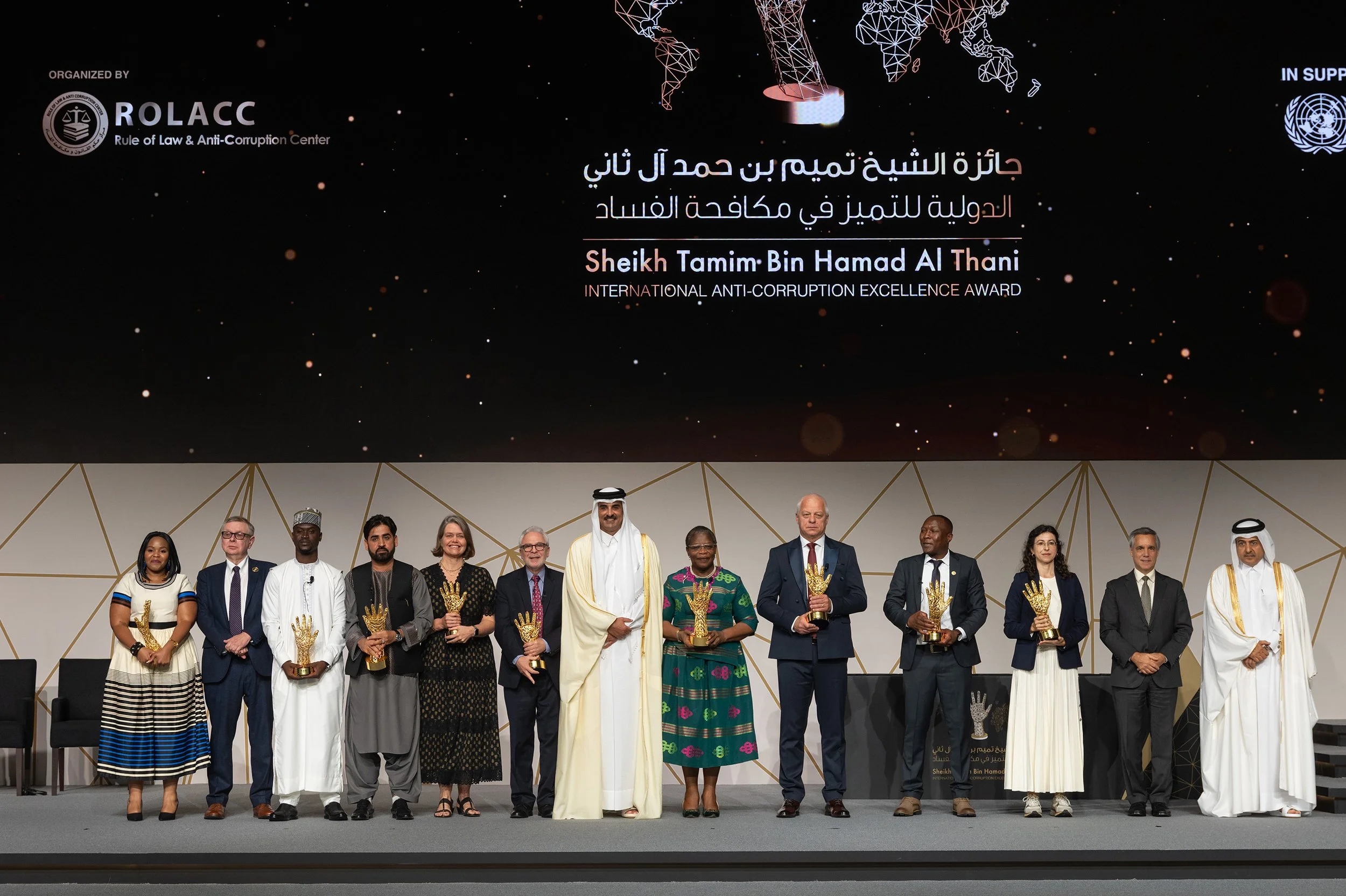
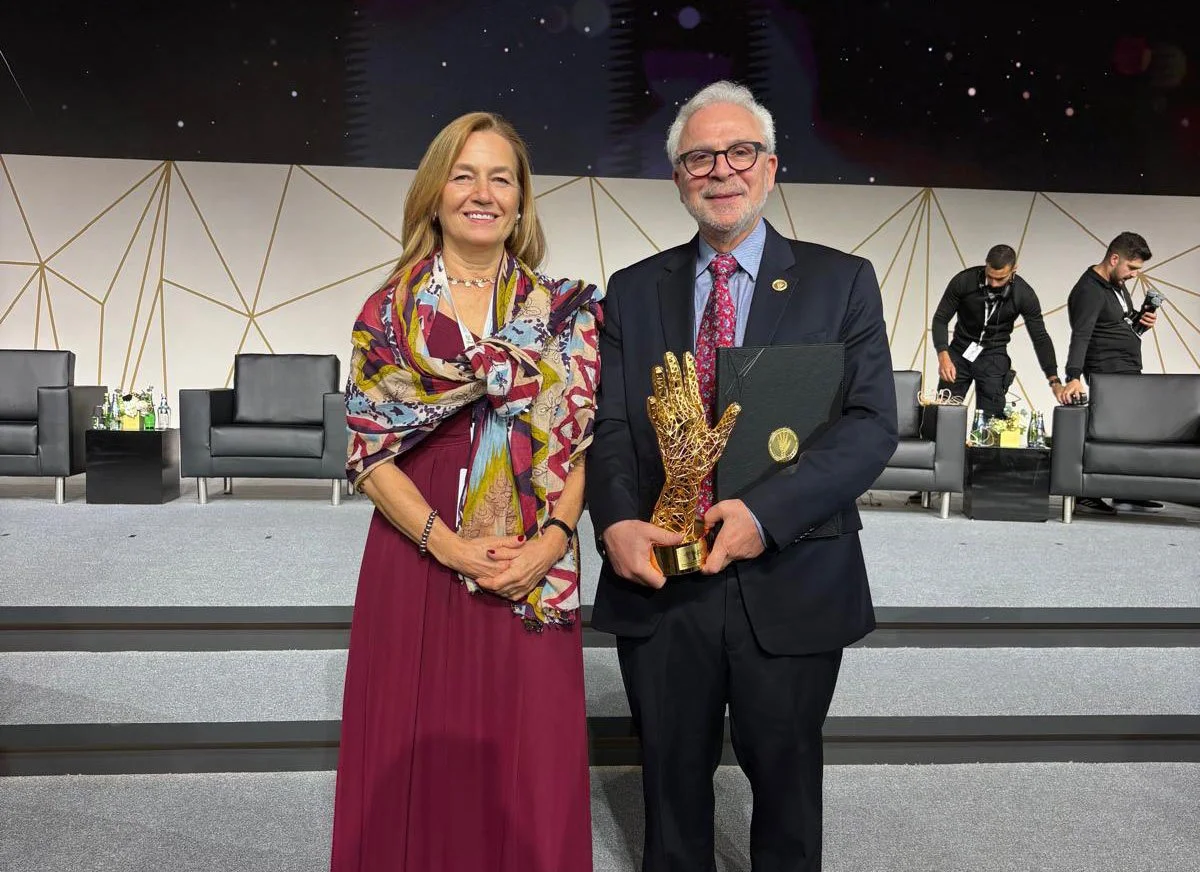
With his wife Healy and the International Anti-Corruption Excellence Award in hand last week in Doha. Nikos Passas dedicated the distinction to his three children and to Greece.
In a significant moment for global anti-corruption efforts, Nikos Passas, Professor of Criminology and Criminal Justice at Northeastern University, has been honored with the International Anti-Corruption Excellence Award. The recognition celebrates decades of impactful work dedicated to advancing transparency, accountability, and justice across borders.
The award was presented during the ninth Sheikh Tamim bin Hamad Al Thani International Anti-Corruption Excellence (ACE) Award ceremony in Doha, attended by global leaders, policymakers, and representatives from major international institutions.
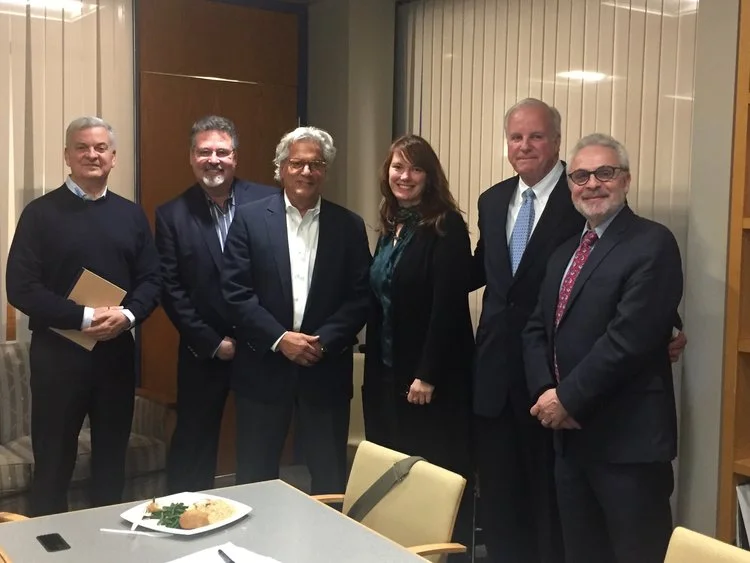
Sherman Teichman and Niko Passas at the Carr Center for Human Rights Policy of the Harvard Kennedy School in 2017.
He has been actively involved in the Confronting Corruption initiative of The Trebuchet. As part of his engagement with The Trebuchet, Passas has led several professional workshops addressing systemic corruption. These included sessions connected to the publication “It’s Legal but it Ain’t Right,” co-authored by Neva Goodwin, as well as more recent discussions focusing on corruption in Russia. His contributions have played a key role in shaping dialogue within the initiative.
A Career Dedicated to Combating Corruption
For more than 35 years, Professor Passas has been at the forefront of anti-corruption research and policy development. His work has significantly shaped global frameworks addressing financial crime, governance, and institutional integrity.
He has contributed to foundational international instruments, including the legislative guides for the United Nations Convention against Corruption and the United Nations Convention against Transnational Organized Crime. His contributions extend further into developing global tools such as the UN TRACK legal database and the UNCAC Implementation Review Checklist, used by over 190 countries.
With over 300 publications translated into multiple languages and collaborations with institutions such as the International Monetary Fund, World Bank, United Nations Office on Drugs and Crime, and the European Commission, his influence spans academia, policy, and practice.
The Philosophy Behind the Work
In a recent interview, Professor Passas emphasized a core principle that has guided his lifelong work: integrity over convenience.
He traces this philosophy back to his upbringing, highlighting the moral example set by his father, who chose ethical conduct over financial gain despite opportunities to do otherwise. This foundation shaped his understanding of corruption—not merely as illegal activity, but as a systemic issue tied to power, incentives, and institutional weaknesses.
Passas defines corruption as the abuse of entrusted power for personal gain, noting that its forms evolve depending on context. In modern systems, corruption often manifests not just through bribery, but through deeper structural influence—such as placing aligned individuals within decision-making roles, thereby undermining institutional integrity.
From Research to Real-World Impact
Throughout his career, Professor Passas has investigated complex financial crimes, including money laundering networks, informal transfer systems such as hawala, and large-scale international scandals. His work has informed regulatory frameworks, enforcement strategies, and prevention mechanisms across multiple jurisdictions.
Beyond research, he has delivered lectures and training programs in over 25 countries, equipping practitioners, policymakers, and academics with tools to better understand and combat corruption.
He has also proposed forward-looking ideas, such as the creation of observatories to systematically monitor corruption-related trials and generate data-driven insights. According to Passas, strengthening democratic processes requires informed public dialogue supported by credible evidence.
Central to his message is the concept of “eunomia”—a Greek term referring to good governance and the rule of law. His call is simple yet profound: not only to understand such principles, but to actively apply them.
The Award Ceremony in Doha
The award ceremony, held at Katara Hall in Doha, brought together distinguished global figures, including Sheikh Tamim bin Hamad Al Thani, senior government officials, and representatives from international organizations.
Professor Passas was honored in the Academic Research and Educational Materials category, alongside other global leaders recognized for innovation, journalism, youth engagement, and lifetime achievements in anti-corruption efforts.
The event highlighted the growing global commitment to integrity and showcased the diverse ways in which individuals and institutions are addressing corruption worldwide.
A Personal Dedication and a Continuing Mission
In his acceptance speech, Professor Passas reflected on the journey that led to this recognition, expressing gratitude to his family and mentors. He dedicated the award to his children and to Greece, his home country, emphasizing a vision for a future grounded in accountability, transparency, and justice.
He described the award not as a culmination, but as a renewed commitment:
“This award is not an endpoint, but a beacon… a nation built on integrity, accountability, the rule of law, good governance, and independent justice.”
Looking Forward
The recognition of Nikos Passas underscores the importance of sustained, research-driven approaches to combating corruption. His work continues to bridge theory and practice, influencing both global policy frameworks and local governance systems.
As corruption evolves in complexity, contributions such as his highlight the need for interdisciplinary collaboration, institutional reform, and a shared commitment to ethical governance.
Further Reading and Resources
Oleander Initiative Highlights Global Peacebuilding Efforts in 2025
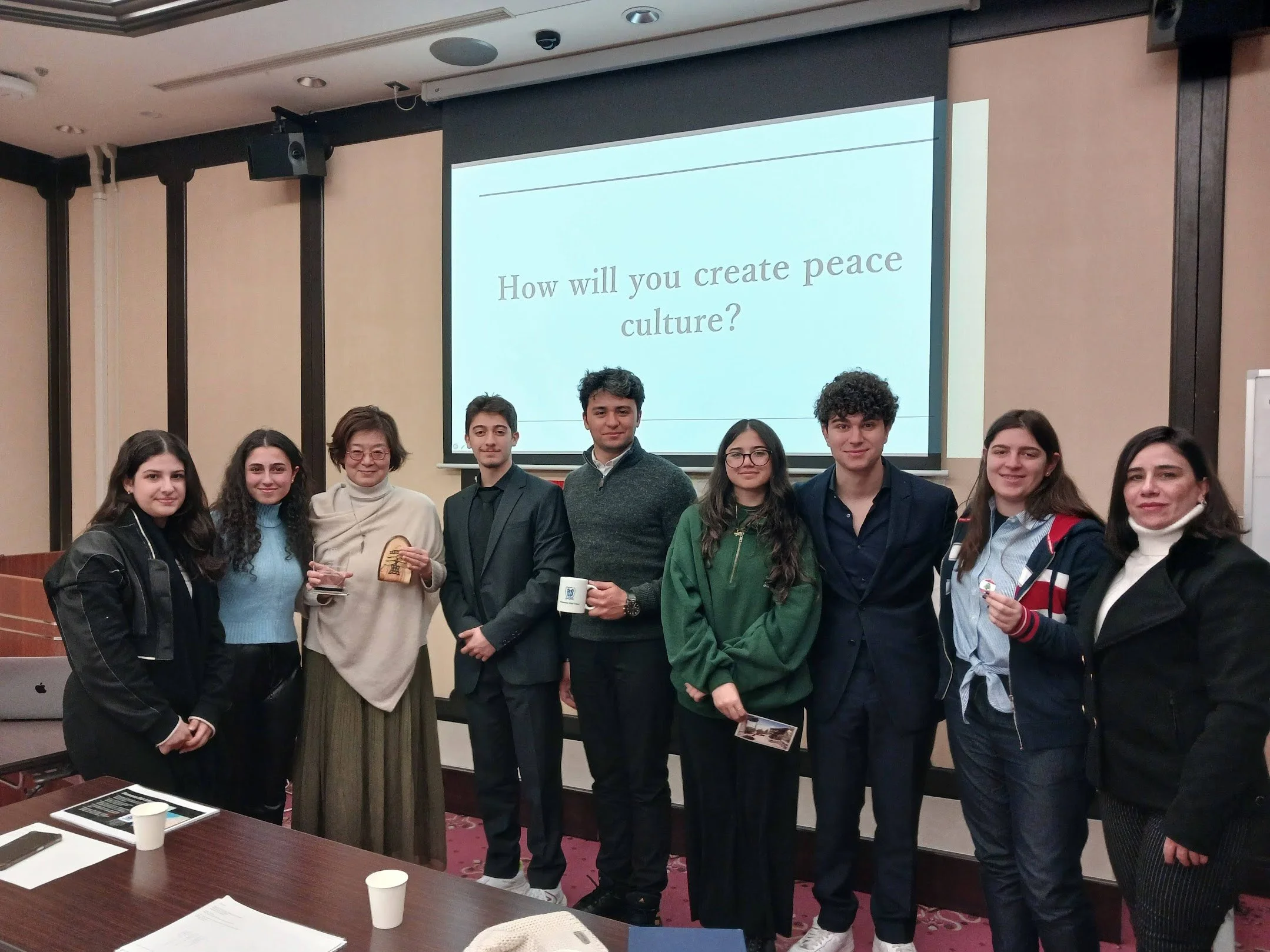
Lebanese Students at the Resilience, Rebuilding and Peace Program in Hiroshima
The Oleander Initiative has released its 2025 year-end update, outlining a series of international programs and outreach efforts focused on promoting peace, resilience, and cross-cultural understanding.
Now in its 28th year, the organization continues to engage peacebuilders through workshops, study tours, and educational initiatives centered in Hiroshima, Japan, a city globally recognized for its message of peace and post-conflict recovery.
International Programs and Participation
During 2025, the initiative conducted two major programs in Hiroshima, bringing together 21 participants from seven countries. Notably, the programs included participants from Russia for the first time, reflecting an expanding global reach.
One of the key initiatives, the Lebanon Resilience, Rebuilding and Peace Program, brought eight students and educators from Lebanon to Hiroshima in February. The program was designed to explore how Hiroshima rebuilt after devastation and how those lessons could inform recovery and resilience in other regions experiencing conflict.
Participants engaged with local institutions, including Jogakuin High School, and studied survivor testimonies such as that of hibakusha Sadae Kasaoka. Upon returning to Lebanon, participants conducted school-wide presentations and established initiatives such as a Hiroshima Origami Peace Club, extending the program’s impact within their communities.
Global Outreach and Educational Engagement
In April 2025, Oleander Initiative representatives conducted a speaking tour across the United Kingdom. The tour included engagements at institutions such as Essex University, London South Bank University, and Battersea Arts Center, reaching more than 500 students, educators, and NGO professionals.
The sessions focused on the intersection of peace culture, psychological resilience, and mental health recovery, particularly through narratives of Hiroshima survivors.
Additionally, the initiative’s work was featured on four television programs in Lebanon, further amplifying its outreach and transmitting Hiroshima’s peace message to a broader audience.
Rotary Study Tour and Continued Partnerships
In October 2025, the initiative hosted a study tour in Hiroshima for eleven members of Rotary International, including participants from multiple countries. The program emphasized themes such as resilience, optimism, and peacebuilding, encouraging participants to integrate these principles into their service initiatives.
Rotary International, with over 1.4 million members across more than 200 countries, remains a significant partner in advancing global peace and service-oriented programs.
Looking Ahead to 2026
The Oleander Initiative has announced plans to expand its programming in 2026, continuing its focus on equipping individuals and communities with tools for peacebuilding and recovery.
Support for upcoming initiatives is being sought through donations and partnerships, as the organization aims to extend its global impact in the coming year.
To learn more about the Oleander Initiative click here.
Celebrating Leadership, Happiness, and Global Impact: Marking a Legacy of Change
The intersection of leadership, global citizenship, and human well-being came into focus as the 30th anniversary of the Institute for Global Leadership (IGL) at Tufts University was celebrated in Cambridge, Massachusetts. The milestone not only honoured decades of educational impact but also highlighted the far-reaching influence of its founder, Sherman Teichman, in shaping global conversations around leadership and societal progress.
Founded in 1985, the Institute for Global Leadership emerged from a need to address complex global challenges, beginning with discussions around terrorism and international security. Over the years, it has evolved into a globally recognised platform that trains future leaders through multidisciplinary, experiential programs. Each year, hundreds of students engage in immersive learning experiences designed to tackle what are often described as “conundrum issues” such as climate change, refugee crises, and global inequality.
The anniversary celebration brought together global leaders, policymakers, academics, and former students who reflected on the institute’s enduring impact. Many of these individuals have gone on to play influential roles across sectors, carrying forward the values of critical thinking, ethical leadership, and global responsibility that define IGL’s mission.
One of the most significant outcomes of this influence can be seen in the establishment of the United Nations International Day of Happiness. Founded in 2011 by Jayme Illien, a former participant in IGL programs, the initiative was inspired by the institute’s emphasis on global citizenship and human-centered leadership. The idea gained widespread support and led to the adoption of UN Resolution 66/281, officially recognising happiness as a fundamental human goal and a guiding principle for public policy.
Since 2012, the International Day of Happiness has been celebrated worldwide every March 20, chosen for its alignment with the vernal equinox, a moment that symbolises renewal and balance across the planet. The day serves as a reminder of the importance of well-being, inclusivity, and sustainable development in shaping a better future for all.
Reflecting on this recognition, Sherman Teichman shared his personal perspective on the significance of the day and its broader meaning in today’s world:
“This Day is celebrated every Vernal Equinox
I was tremendously surprised and honored when this happened.
I try hard to maintain my personal happiness, but given the fraught world, it is very difficult. My family, Remi, and my Convisero, the community of the Trebuchet keep my spirits up!”
These reflections highlight the deeply human dimension behind global initiatives. While the concept of happiness is often discussed at a policy level, it is equally rooted in personal experiences, relationships, and community connections.
The United Nations has further reinforced this perspective through its broader development agenda, recognising that economic growth alone is not sufficient. Instead, a more balanced approach that integrates social, environmental, and economic well-being is essential. This philosophy is embedded in the 2030 Agenda for Sustainable Development, which aims to address global challenges such as poverty, inequality, and climate change while promoting overall human well-being.
The anniversary of the Institute for Global Leadership serves as both a celebration and a reflection point. It underscores how educational initiatives can extend beyond classrooms to influence global policies, inspire new movements, and shape future leaders. At the same time, it reminds communities of the importance of staying grounded in shared values of empathy, resilience, and collective progress.
As conversations around leadership and well-being continue to evolve, the legacy of initiatives like IGL and the International Day of Happiness demonstrates the potential of ideas to grow into global movements. It also highlights the role individuals and communities play in sustaining these efforts, ensuring that the pursuit of happiness and human dignity remains at the centre of global development.
PeaceTech Momentum Builds Through Iteration, Investment, and Global Collaboration


The most successful startups in the world tend to follow a similar path: they ideate, experiment, gather feedback, discover what works, and repeat. Among these steps, one principle stands out as the most critical. It is not simply the initial idea or even the execution, but the ability to repeat the process quickly and effectively. Iteration, at speed, is what drives innovation, growth, and long-term impact.
This same philosophy is now shaping the rapidly evolving PeaceTech ecosystem. Across the sector, founders are embracing action-oriented approaches, building minimally viable products in weeks rather than years, actively engaging with customers, and continuously refining their solutions. Rather than striving for perfection at the outset, they are prioritising progress and adaptability. This mindset has contributed significantly to the growing momentum within the field.
Recent developments highlight this forward movement. The successful final closing of a PeaceTech venture capital fund marks a shift toward active investment, enabling greater support for emerging ventures focused on reducing conflict and fostering stability. Alongside this, a new PeaceTech accelerator is set to launch, offering a structured 12-week program for six selected companies. The initiative will focus on practical outcomes such as go-to-market strategies, pilot projects, and building sustainable business-to-business revenue models. The program will culminate in a Demo Day in Washington, DC, where participating teams will present their work to investors and government stakeholders.
Beyond funding and acceleration, the ecosystem is also expanding through knowledge sharing and public engagement. Discussions on platforms such as the Blue Sky podcast and the Making Peace Visible podcast have explored themes ranging from personal growth to the broader potential of PeaceTech as a unifying area of innovation across political and social perspectives. Conversations have also examined the role of artificial intelligence in addressing global conflicts, reflecting growing interest in how technology can contribute to peacebuilding efforts.
Achievements within the community further illustrate its progress. CulturePulse’s acceptance into the NATO DIANA program represents a significant milestone, providing opportunities for collaboration with international defence and policy leaders. Such recognitions underscore the increasing relevance of PeaceTech solutions in addressing complex global challenges.
Global engagement continues to play a key role in shaping the ecosystem. Participation in events such as the World Economic Forum in Davos, the AI in Defense Summit in Brussels, and the SLUSH conference in Helsinki has enabled founders, investors, and thought leaders to connect, exchange ideas, and identify new opportunities for collaboration. These interactions are helping to strengthen the network and accelerate the development of impactful solutions.
At the community level, collaboration is becoming more accessible and continuous. A dedicated PeaceTech WhatsApp group has grown to include over 250 founders and investors who actively share insights, resources, and opportunities. This ongoing exchange reflects the collaborative spirit that underpins the ecosystem’s growth.
As PeaceTech continues to evolve, one principle remains central. Iteration is not just a process but a mindset that drives progress. The ability to act, learn, and adapt quickly is enabling both individual startups and the broader ecosystem to move forward with purpose. With increased investment, stronger networks, and a shared commitment to innovation, the PeaceTech community is positioning itself to make meaningful contributions toward reducing conflict and building more resilient societies.
Learn more here: https://www.bventuresgroup.com
New Podcast Highlights the Role of Digital Voices in Raising Awareness on Iran

A recent episode of the Making Peace Visible podcast brings attention to the growing role of digital platforms in shaping global awareness around ongoing events in Iran. The episode features Iranian-American actor and activist Nazanin Noor, who discusses how content creators are contributing to what she describes as an “information war” during a period of widespread protests and government crackdowns.
The conversation centres on a key challenge: maintaining sustained international attention on Iran despite significant developments on the ground. Noor highlights that while information is increasingly accessible, global focus often shifts quickly, making it difficult for ongoing issues to remain visible in public discourse.
Throughout her career, Noor has consistently emphasised the distinction between the Iranian people and the Islamic Republic, which is often portrayed as the dominant representation of the country in international media. This distinction has become even more important in recent months, as protests and reports of violence, disappearances, and restrictions have intensified.
In response, Noor has expanded her use of social media platforms to amplify the voices of protesters and bring attention to developments that may otherwise receive limited coverage. Her work includes sharing firsthand accounts, raising awareness of human rights concerns, and encouraging broader engagement from global audiences.
In addition to highlighting events, Noor has also addressed gaps in coverage and public response. She points to instances where major discussions, such as nuclear negotiations, proceed without parallel attention to human rights conditions. She also notes the relative silence from some advocacy groups and influencers, raising questions about consistency in global solidarity efforts.
Outside of her advocacy work, Noor is known for hosting Mehmooni with Nazanin, an online show that typically features members of the Iranian diaspora, including artists, journalists, and comedians. While the show continues to celebrate culture and community, her recent focus reflects a shift toward urgent awareness and advocacy in response to current events.
The podcast episode also references several organisations working in the field of human rights, including the Abdorrahman Boroumand Center for Human Rights in Iran, the Center for Human Rights in Iran, and the Iran Human Rights Documentation Center. These organisations contribute to documenting events, supporting affected individuals, and providing verified information to the international community.
As part of its programming update, Making Peace Visible has announced a two-month break beginning next week. During this time, the team will prepare a new six-part series titled American Divide, scheduled for release in May 2026. The series will explore political and social polarization in the United States, examining its impact on democratic processes and public dialogue. It will feature perspectives from across the political spectrum and consider practical ways to foster more constructive engagement.
The latest episode underscores the importance of consistent information sharing and the role individuals can play in shaping awareness. As digital platforms continue to influence public understanding, voices like Noor’s highlight how storytelling, advocacy, and community engagement can contribute to keeping critical issues visible.
You can listen to the podcast here: Nazanin Noor: How one Iranian content creator is fighting the information war
A Year of Refusing to “Unsee”: A Call for Awareness and Action
In a world increasingly shaped by information, narratives, and perspectives, the challenge is not always a lack of visibility, but sometimes a deliberate refusal to see. This idea is powerfully captured in China Miéville’s novel The City and the City, where two societies coexist in the same physical space yet are conditioned to “unsee” one another. What begins as an imposed practice becomes a deeply internalised reality, where entire communities, lives, and experiences are ignored despite being in plain sight.
This concept resonates strongly with ongoing global realities. Over the past year, organisations working at the intersection of human rights and healthcare have grappled with the consequences of such “unseeing” in the context of conflict and humanitarian crises. The question has not only been how to respond to urgent needs, but also how to maintain visibility, accountability, and ethical responsibility in environments where silence and denial can become systemic.
The recently released 2025 Annual Impact Report by Physicians for Human Rights Israel reflects this ongoing effort to confront invisibility. The report highlights a wide range of initiatives focused on protecting access to healthcare and advocating for vulnerable populations. These include work to secure medical rights for women and children without legal status, defending essential services for individuals experiencing homelessness, and sustaining the operation of mobile clinics in the West Bank to ensure continuity of care.
Another critical area of focus has been emergency medical access. Efforts have supported ambulance drivers working under extremely challenging conditions, striving to maintain the delivery of urgent care despite restrictions and ongoing violence. At the same time, advocacy continues around the movement of patients from Gaza to hospitals in East Jerusalem and the West Bank, an issue that remains unresolved and deeply consequential for those in need of specialised treatment.
The report also sheds light on concerns surrounding detention and healthcare access. Investigations have brought attention to cases of enforced disappearance and the conditions faced by detained individuals, including reports of widespread mistreatment and public health risks within detention facilities. Testimonies collected over the year have further revealed the experiences of healthcare workers from Gaza who have been incarcerated, highlighting ongoing efforts to secure their release and ensure their rights are upheld.
At its core, this work represents a broader shift from “unseeing” to “seeing.” It is not only about documenting events but about recognising them as matters that require response, accountability, and sustained engagement. Visibility, in this sense, becomes both a moral responsibility and a catalyst for change.
Community engagement plays a vital role in this process. Awareness, dialogue, and participation can challenge patterns of indifference and contribute to more informed and compassionate responses. The past year has demonstrated that even in difficult and complex circumstances, continued efforts to investigate, document, and advocate can create pathways toward greater accountability and justice.
As the themes of the report suggest, the act of “seeing” extends beyond observation. It calls for reflection, responsibility, and action. In a time when it may be easier to look away, the decision to remain aware and engaged becomes increasingly significant.
This moment invites individuals and communities alike to consider their role in shaping a more informed and responsive society. The question is not only whether these issues are visible, but whether there is a willingness to acknowledge them and respond.
Read more: PHRI’s 2025 Annual Impact Report