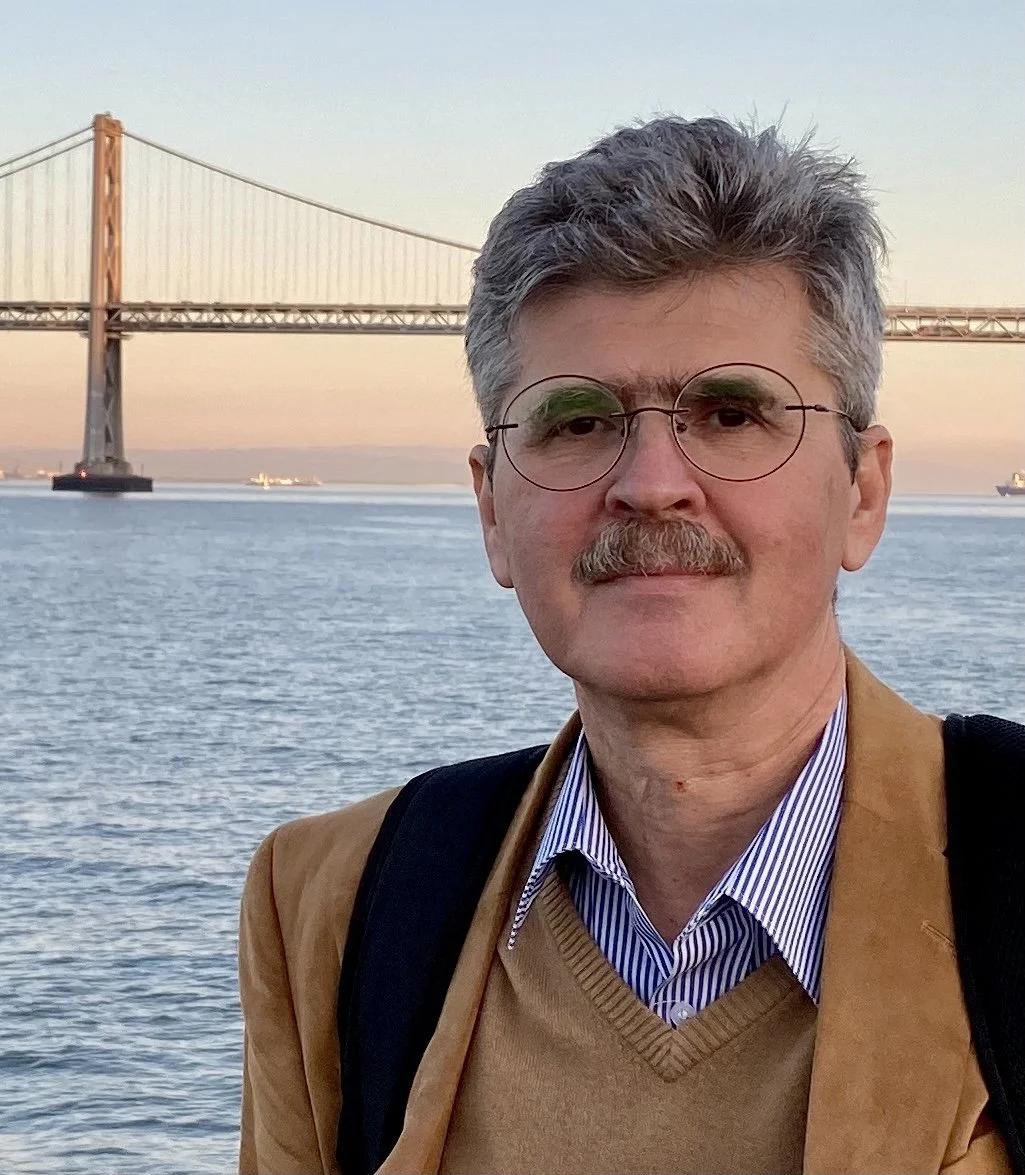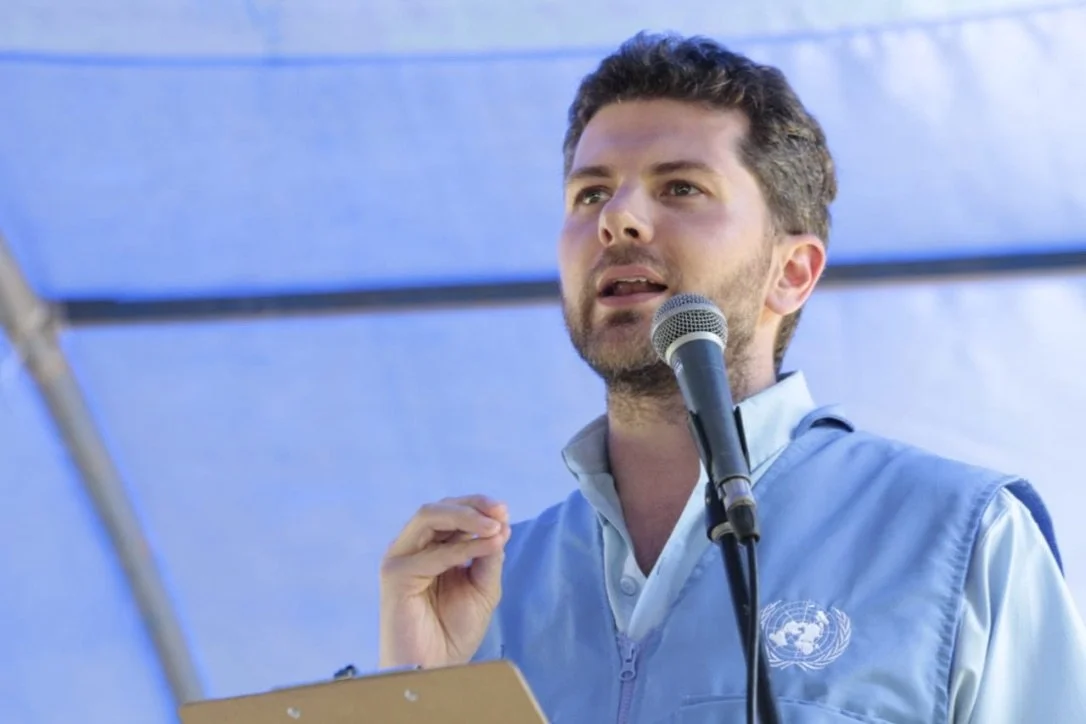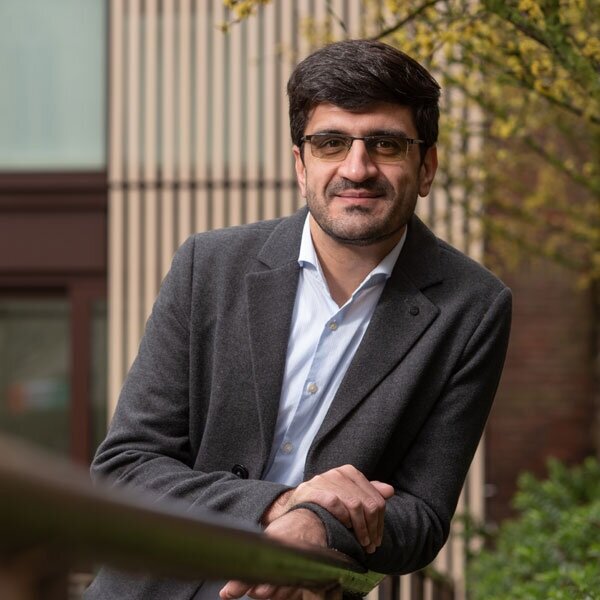
Convisero already exists as something rare: a living circle of people who don’t normally end up in the same room, but somehow did. Diplomats and documentary filmmakers. Surgeons and street organizers. Investors, poets, former hostages, generals, scholars and students, athletes and artists, architects, environmentalists, Templeton and Right Livelihood awardees, ex-cons, and mayors. Some met through teaching or joint projects; others came in sideways—friends-of-friends, people met on flights or in crisis zones, local organizers whose work simply resonated. Together they form a quiet, global commons of experience and conscience. It is not a club. It’s a community of people who have seen difficult things, done real work in the world, and are willing to show up for each other and for the next generation.
What Convisero can become is a place where that shared moral capital is regularly put to work in focused, generative ways—and where we can see the hidden patterns in the network. Imagine being able to look at this community through different “lenses”: by what people do (healers, institution-builders, truth-tellers), by where they work (Gaza, Myanmar, Kviv, Johannesburg, Brussels, Mumbai, Beijing, Accra, Guatemala City, Boston, etc.), by the kinds of risks they live with (authoritarian regimes, failing health systems, tech that outpaces law), or by the questions that drive them (how do we remember? how do we forgive? how do we hold power to account?). Pull on a single thread—say, “memory and justice”—and a cluster appears: the South African psychologist from the Truth and Reconciliation Commission, the Latin American archivist preserving police files, the documentary filmmaker who sits with perpetrators and victims in the same room. Change the lens to “tech and democracy,” and a different cluster emerges: the platform-governance lawyer, the human-rights strategist working with dissidents, the young engineer inside a major AI lab. This is transversal design in practice: stepping across disciplines and geographies to see a problem from many sides at once, and then assembling small, unusual ensembles—a judge, a rapper, a climate financier, a student organizer—to work on it together.
Getting there now doesn’t require a giant new institution. It asks for a stronger backbone (Thank you Dr. Daniel Talmor and Surgeon Pablo Diaz-Collado!), a few shared lenses, and some simple, repeatable ways to grow and deploy the network.
First, we document and honor who is already here: short, vivid portraits of each person—what they’ve lived, what they know, where they’re willing to lean in. Those portraits carry a few structured clues (regions, issues, kinds of work, kinds of risk), so we can form clusters without jargon.
Second, we create gentle but powerful ways for people to find each other: small working groups around live questions, “salons” that gather everyone in a particular pattern (for example, “people who have worked on prisons,” or “people at the intersection of finance and climate”), and occasional cross-currents where, say, physicians from conflict zones are paired with investigative journalists and local activists.
Third, we seed the future. Student projects at Tufts/Fletcher and other schools become scouting trips for new mentors and partners. Local activists who prove themselves in joint projects are invited in. Friends-of-friends can nominate people whose work sits exactly where the world is fraying. Grant opportunities and urgent events—an election in crisis, a new pandemic risk, a breakthrough or backlash in AI—become triggers to form rapid-response constellations that include both existing members and carefully chosen “new seeds.”
With a modest investment, Convisero can move from being a beautiful, mostly latent inheritance to a self-renewing engine: a community that not only remembers what it has done, but continuously discovers who it needs next, and helps people who care about the world act together with more courage, imagination, integrity, and impact. My great thanks to my loyal Directors, Jennifer Selendy and David Puth.
Some Example of Possible Convisero Transversal Projects
1. City in Transition Lab
A six-month, light-touch lab that pairs one city facing democratic, social, or climate strain with a small Convisero ensemble. The group co-designs three highly-practical experiments (for example: a youth–police dialogue series, a local climate jobs fair, a pop-up public memory exhibit) and leaves behind tools local partners can keep using.
Core Convisero ensemble (Examples of people already in our network)
Nigerian human-rights and democracy activist; experienced in building women’s economic and civic power in tough political environments.
Tufts urban and environmental policy professor; theorist of “just sustainabilities” and inclusive urban futures.
The director of the Institute for Non-Violence, Chicago,former director MLK Center for the Study and Practice of Non-Violence, Providence
Founder of RefugePoint; expert in designing pragmatic, humane systems for people in precarious situations.
Emmy-nominated documentary filmmaker (Boogie Man, Hold Your Fire); turns local conflicts into shared stories that open space for reflection.
A local partner (city NGO / youth group / university) – co-owner from day one, ensuring this isn’t a fly-in, fly-out intervention.
2. Memory & Healing Circles for People Who Hold Too Much
Many in Convisero carry heavy stories: truth commissioners, war surgeons, negotiators, journalists. This project creates small, confidential circles (online or in person) where they can process experience together — and gently distil what they’ve learned into short public reflections, teaching cases, or audio pieces.
Core Convisero ensemble (Examples of people already in our network)
South African psychologist from the Truth and Reconciliation Commission; world-leading thinker on forgiveness, remorse, and repair.
Leadership and culture-change practitioner focused on collective trauma and “stories that bind and blind” in communities.
Veteran negotiator and conflict advisor who has spent decades in “other people’s wars,” including hostage crises and civil conflicts.
Gazan poet and librarian; chronicler of loss and everyday life under siege.
Seasoned editors and audio storytellers who can help translate deep, raw conversations into gentle, public-facing fragments when appropriate.
3. Democracy Signal Room: 72-Hour Rapid-Response Briefings
Before key elections or fragile moments, Convisero can spin up a “signal room”: a rapid, 72-hour virtual hub that offers compact briefings and Q&A for trusted local partners (journalists, student groups, civil society). The aim is simple: help them see the full board — media narratives, digital risks, street dynamics, institutional constraints — without telling them what to do.
Core Convisero ensemble (Examples of people already in our network)
Scholar of revolutions and mass mobilization; reads when systems tip and how states respond.
Human-rights strategist; connects dissidents, technologists, and financial reformers; sharp on digital and monetary dimensions of authoritarianism.
Veteran audio news leader; mentor on how to frame fast-moving stories without feeding panic or disinformation.
Health-policy and decision-science researcher; brings rigorous scenario modeling and “if we do X, Y happens” thinking.
A regional Convisero member (e.g., someone from that country’s media, legal, or civic world) – anchors the conversation in lived realities.
4. Money, Power, and Freedom Micro-School
A short, online “micro-school” (four 90-minute sessions) that helps younger leaders and mid-career practitioners think clearly about money: philanthropy, corruption, debt, Bitcoin, community finance, and what financial freedom really means in authoritarian or fragile contexts. No jargon, just stories, cases, and tools.
Core Convisero ensemble (Examples of people already in our network)
On monetary systems, coercive finance, and why activists experiment with Bitcoin and other tools.
CEO of a community development financial institution; decades of experience in using finance to build housing and power for low-income communities.
Former mutual fund manager and board member; brings inside knowledge of mainstream capital and how to move big pools of money.
Global supply-chain and sustainability leader; knows how money flows through commodities and how you bend those flows toward justice.
A younger Convisero fellow – voices the questions emerging leaders are actually asking about debt, careers, and complicity.
5. Ethical Tech & Bio Futures Clinic
A recurring “clinic” where small groups bring in a live technology question — a new AI tool being piloted by a government, a synthetic-biology application in a fragile health system, a platform being used to track protesters. The ensemble doesn’t issue grand declarations; it helps sharpen questions, map unintended consequences, and outline practical guardrails.
Core Convisero ensemble (Examples of people already in our network)
Life-sciences investor and futurist; helps people see how genomics and emerging tech rewire politics and ethics.
Physician-scientist and human-rights advocate; sits at the intersection of biomedical innovation and justice.
Synthetic-biology founder and ecosystem-builder; understands how ideas move from lab to market.
Anthropologist of science and technology; reads the cultural and political currents underneath new tech.
Former Navy officer and design/ethics entrepreneur; sharp on leadership, indigenous data, and what “responsible” tech must look like in institutions.
6. Convisero Studio: Live Project Clinics for Students and Young Practitioners
A recurring, low-cost “studio” where small groups of students, fellows, or early-career practitioners bring their live projects — a community lab, a documentary idea, a new policy proposal — and get 60–90 minutes with two or three mentors who have truly been there. The point is not polish; it’s contact, candor, and very practical help.
Core Convisero ensemble (Examples of people already in our network)
Each clinic rotates a different trio, for example:
On building something durable and humane in the NGO world.
South African artist-educator; on using participatory art and printmaking for community healing and leadership.
Dean and digital-economy thinker; on markets, platforms, and strategy.
Another session might feature:
On merging activism, political risk, and economic empowerment.
On telling a story that publics and funders will actually feel.
On what funders listen for and how to structure capital in a way that doesn’t break your mission.
7. Quiet Diplomacy Playbook
Many Convisero members have done “quiet diplomacy”: hostage negotiations, back-channel talks, internal reform battles, delicate conversations across enemy lines. This project convenes a small group for one or two retreats (plus follow-up calls) to capture the tacit knowledge: what actually works, how they stay sane, and where they draw their red lines. The output could be a slim, powerful “playbook” or series of short essays — a resource for younger leaders stepping into hard rooms.
Core Convisero ensemble (Examples of people already in our network)
Co-author of Negotiating Hostage Crises with the New Terrorists; decades in conflict zones and crisis rooms.
Former national-security adviser to Vice President Al Gore; architect of “anticipatory governance” and long-range statecraft.
Human-rights lawyer and former Canadian justice minister; deep experience in prisoner releases and political-prisoner advocacy.
Leaders who have quietly moved institutions (Warby Parker, IIE) while navigating complex political landscapes.
A younger contributor – Brings recent frontline humanitarian-access negotiations, anchoring the playbook in current realities.
This is a challenge for our community. Many of you will already recognize who you are. I have been loathe, to this point, to put a single definition under your photos to identify you, for you are far more in-depth personalities with passions, sometimes consumed in your professional lives, but many times found in your avocations and allegedly extraneous interests.
All this will become more apparent as we update all your bios and make them more accessible to search. There are hundreds of you now; there will be many more hundreds of you as we grow in the ensuing years. We will challenge each other to conceptualize other Convisero Transversal Projects—one that I’m interested in is how to confront disinformation and misinformation.
This project will take significant time. The intent is, over the next year, to create with James a new initiative in honor of the 40th Anniversary of the Institute for Global Leadership as Trebuchet’s 10th Anniversary contribution. A significant number of you in Convisero are my alumni whom I know intimately from having the privilege of marrying you as a Justice of the Peace,for recommending you at many stages of your trajectories, for long conversations and challenges in the world. It has been an honor to know you and to earn your trust. You have entered Convisero at my invitation and have worked behind the scenes privately to help one another. I have not published many outcomes as much due to our privacy and to the reality that I have chosen to move forward continually rather than to be reflective on what has happened, that might have been a mistake, for so much has wonderfully happened.
Many new accomplished people and young aspiring people will enter. As I write this, the newest person will be a doctor in the cognitive neurology unit of Beth Israel Deaconess Medical Centre, an alum. When he reached back to me, he wondered whether I needed his help. While I am approaching 83, luckily, that is not the case; rather, he was one of the first Oslo Scholars helping a Palestinian doctor establish his foundation in honor of his slain daughters, and now I want to reconnect them in the hopes of strengthening Gaza’s weakened medical structure.
I have often joked with many of you that to have immediately alerted people that Convisero was not a LinkedIn, my golden doodle Remi should have been the first entry. She is there in the midst of the hundreds of you when we reconstruct Convisero. I will be asking you for pictures of you that are less formal, with your families and with your favourite photographs. This will remain an intimate, loving, personal network.
Our Mentors / Sponsors
Our mentors - friends, interdisciplinary allies, alumni, are people deeply interested in supporting and investing in the next generation, in “passing the baton.” They are unstinting in sharing their knowledge and their wisdom born of immersive experience, and providing access and distinctive opportunities.
They are forward thinking, dynamic risk-takers, who understand that horizons are always changing, rather than falling victim to what one among them, Philip Bobbitt, has coined “Parmenides’ Fallacy.” And as wonderfully said of another of them, Juan Enriquez, by former MIT Media Lab Director Nicholas Negroponte – “he will change your view of change itself.”
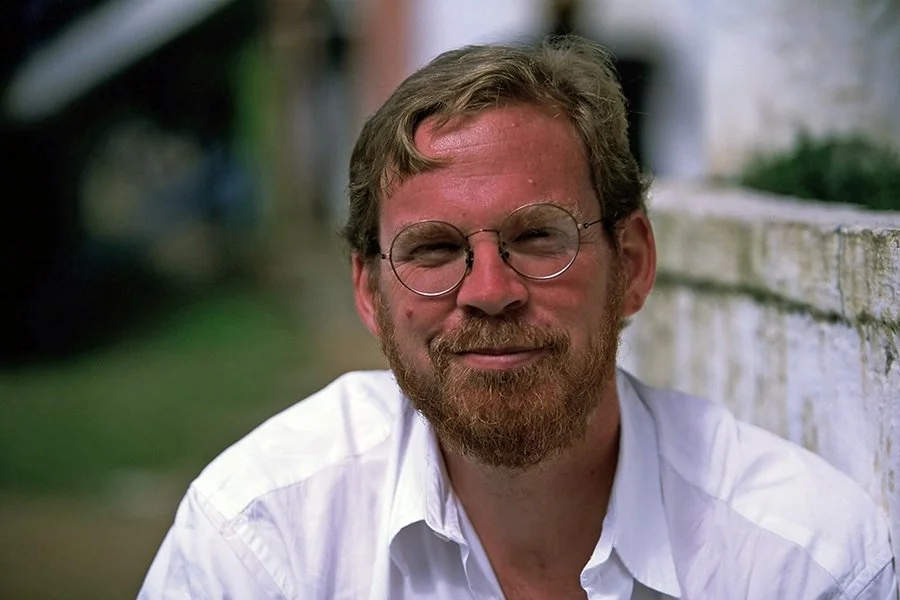
This initiative is dedicated to a friend, Michael Hawley, whose interdisciplinary breadth inspired me, and the way I tried to expose my students to the world. He was one of the very first people I approached about this community and would have been an extraordinary mentor. Mike is sorely missed and my in memoriam can be found here.
There are other significant people I am deeply thankful to who have inspired and mentored me over many decades. There is an in memoriam page in progress acknowledging and honoring such good friends, Eqbal Ahmad, Les Gelb, Anne Heyman, Ambassador Jonathan Moore, Henry Rosovsky, Uwe Kitzinger, and my high school teacher Estelle Witzling who saved me from from too thoroughly being immersed in the culture of the Queensbridge Housing projects. Immediately, however, I want to acknowledge Vartan Gregorian who sadly passed in April 2021. He was an astonishingly humane person and the quintessential teacher and educator. My last three years at the Institute were generously underwritten by the Carnegie Corporation of New York. Originally a two-year grant, he extended it for another year with a magnanimous presidential discretionary gift. And then Vartan came to Tufts to deliver this talk and exhortation in honor of the Institute’s 30th anniversary and my becoming Emeritus. I particularly enjoyed this passage.
Gregorian: [laughing] I lived a vicarious life. So, when I say teachers, [and] I hope I don't offend you [here], students don't fail, teachers fail. You have to be able to do something out of a human being entrusted to you, to reach and pull all the strings––emotional, intellectual, social, anthropological––in order to make him or her see themselves in a universal norm, as somebody unique for the first time in the history of humanity. Somebody has created somebody like you, and no one like you is going to come back again in the entire history of the universe. So in your unique moment in history, I've always told my students, you have to decide whether you like to be a dot, a letter, a word, a sentence, a paragraph, a page, chapter, whole book, or blank, and it is miserable if you choose to be blank, because so much has gone through evolution to result in you, and you owe it to your parents, your society, to become someone, or knowingly reject, but never be indifferent. That's the philosophy I learned from childhood on.
Our mentors are all modest and humane, and most importantly to me, they exude decency in a world too often bereft of that quality. What has been wonderful to witness is the natural evolving interaction between the mentors themselves.
I was recently contacted by one of my wonderful alumni, Jeff Golden who will enter Convisero. He sent me a copy of his first book , Reclaiming the Sacred, which won the Grandmaster 2023 Nautilus Award. In one of his citations there is this poignant poem by Rainer Maria Rilke called Widening Circles:
I live my life in widening circles
that reach out across the world.
I may not complete this last one
but I give myself to it.
Convisero will soon undergo a radical transformation. I am working with a wonderful new friend, James Intriligator to accomplish this. Here is how we understand Convisero:
Click here to explore the total roster to date, or use the search function to find a specific person.
Alphabetically ordered, this roster will grow and be updated regularly. Squarespace’s restrictions have only allowed for 250 entries before we were obliged to start again alphabetically starting in the year 2023.