Dr. Fareed Mustafa Kamil Yasseen
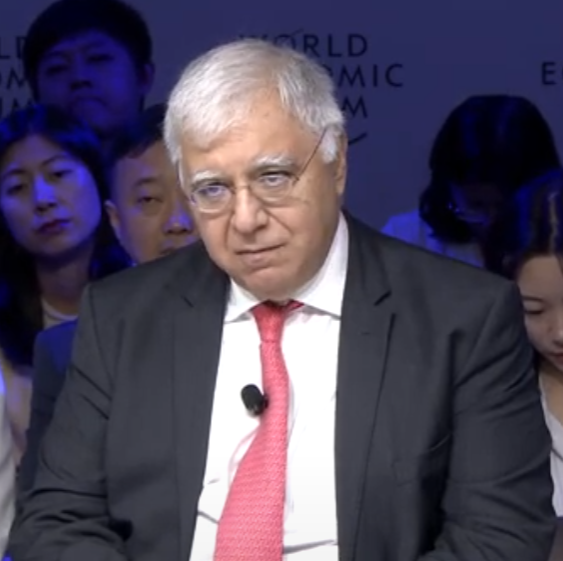
Dr. Fareed Mustafa Kamil Yasseen stands among the most remarkable figures of our time: a bridge between science, diplomacy, and moral courage. Born in Baghdad in 1956 to a distinguished family—his father a diplomat, his mother a university professor—Fareed’s roots reflect intellectual curiosity and a deep commitment to public service.
Educated in Iraq and abroad, Fareed graduated from Baghdad College before pursuing higher studies in Switzerland. He earned a diplôme d’ingénieur physicien and then a Ph.D. in physics from the École Polytechnique Fédérale de Lausanne. His early career was grounded in scientific research in Europe and the United States, where his work in theoretical plasma physics touched on the frontiers of fusion energy and space science.
Yet Fareed’s path transcended the laboratory. In the 1990s, driven by his profound concern for justice, he turned toward activism. He co-founded the Center for the Disappeared, dedicating himself to honoring the memories of Iraqis who vanished under repression. He brought his technical expertise to the United Nations, where, at the Secretariat of the UN Framework Convention on Climate Change, he spearheaded pioneering efforts in internet-based communication—laying groundwork that would later be central to global climate diplomacy.
In 2004, in the throes of a new Iraq, Fareed joined the Ministry of Foreign Affairs. From head of policy planning to diplomatic adviser to Deputy President Adil Abd al‑Mahdi, his role in shaping Iraq’s political reconstruction was instrumental. In 2010, he was appointed Ambassador to France, and later, in 2016, Iraq’s Ambassador to the United States—where he navigated extraordinarily difficult terrain, advocating with grace, firmness, and a visionary sense of reconciliation.
Beyond his diplomatic successes, Fareed has also championed Iraq’s cultural heritage. His efforts helped secure the return of thousands of ancient artifacts, including invaluable cuneiform tablets, illustrating how his loyalty to his homeland is matched by his drive to preserve its soul.
He has earned international recognition for his multifaceted contributions: he is a Member of the American Physical Society and the International Institute for Strategic Studies, he received the Robert and JoAnn Bendetson Public Diplomacy Award from Tufts University, and France bestowed on him the rank of Commander of the National Order of the Legion of Honor. More recently, he has served as Iraq’s Climate Envoy, advising on sustainable development at the highest levels.
Beyond his accomplishments on the global stage, it is the qualities of his character that shine most brightly. Fareed has insisted that I am the guilty party for detouring him from a meaningful academic and scientific career as a physicist by inviting him to an EPIIC symposium on confronting political and social evil and others on religion, politics, and society, and yet another on the Politics of Fear. He has been a wonderful friend and confidant, introducing me to significant figures in the Iraqi struggle for democracy and civil society throughout the Arab world. He is beloved for his humane instincts, unusual candor for a diplomat, and his warm personality. Through Fareed, I have promised several thousands of books, when I permanently retire, from my library to the University of Mosul, which was destroyed during the Saddam Hussein regime, later closed by ISIS in 2014, and suffered further losses from airstrikes during the liberation of the city in 2016–2017.
In every role—scientist, activist, diplomat—Fareed Yasseen has embodied a rare synthesis of intellect, integrity, and compassion. His life’s work is not only a testament to his own character but a beacon for all who believe in the power of ideas, dignity, and the possibility of a better future.
Alfred Ironside
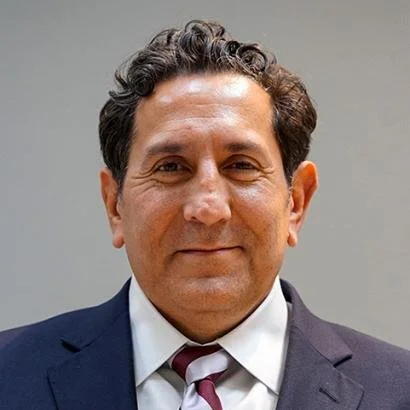
Alfred Ironside was appointed vice president for communications at MIT in February 2020. He serves as chief communications officer for the Institute and advises the president and other senior leaders on the most effective ways to support and promote MIT’s work and its reputation around the world.
Before joining MIT, Ironside served as vice president for global communications at the Ford Foundation, one of the world’s largest and most accomplished philanthropies. In that role, he oversaw the foundation’s executive communications, messaging, strategic partnerships, and public affairs. Previously, he served the Ford Foundation as director of strategic communications. In more than 14 years with the foundation, he helped transform it into one of the most visible and influential voices for social justice in the United States.
Prior to his work at the Ford Foundation, he served as chief of media relations for UNICEF. Traveling to more than 40 countries, he acted as the United Nations’ spokesman on issues affecting children and women amidst conflict and natural disaster. Earlier, he spent three years in the US Diplomatic Service as a press officer in East Berlin, where he won commendation for his work during the Berlin Wall crisis, and four years as a spokesman with the American Red Cross.
Ironside began his career as a news reporter at radio stations in and around Indianapolis and Philadelphia. In the early 1990s, he helped launch the first Western advertising agency in Bulgaria and served as its managing director. He was later a member of the editorial team that launched the English edition of Ha’aretz, Israel’s leading newspaper, in conjunction with the International Herald-Tribune.
A native of Philadelphia, Ironside holds degrees in both political science and journalism from Butler University in Indianapolis, and a master’s in media administration from the Newhouse School and the Graduate School of Business at Syracuse University.
Forensic Architecture: Open-Source Investigations into State and Corporate Violence

Forensic Architecture (FA) is a research agency based at Goldsmiths, University of London. Its mandate is to develop, employ, and disseminate new techniques, methods, and concepts for investigating state and corporate violence. FA’s interdisciplinary team includes architects, software developers, filmmakers, investigative journalists, scientists, and lawyers, working at the intersection of human rights, journalism, architecture, art and aesthetics, academia, and law.
FA has been widely recognised for shaping a new investigative field. In 2022, the Peabody Awards programme described the agency as having co-created “an entire new academic field and emergent media practice.” In 2024, the European Research Council assessed Forensic Architecture as “a scientific breakthrough,” citing its revolutionary impact on existing paradigms and its role in opening new streams of research.
Since 2020, FA has also supported the growth of agencies worldwide that apply its methods. This includes the development of the Investigative Commons, both a global network of practitioners and a physical hub in Berlin, hosted within the offices of its sister agency, Forensis.
What is “forensic architecture”?
“Forensic architecture” is an interdisciplinary academic field developed within Goldsmiths’ Centre for Research Architecture (CRA) since 2010. The term refers to the production and presentation of spatial evidence within legal, political, and cultural contexts. It expands the idea of architecture beyond buildings to include shaped environments at the scale of cities, landscapes, and territories. Alongside the CRA’s MA programme in Forensic Architecture, FA has helped establish and support related courses at universities worldwide.
What does FA do?
FA’s investigations employ cutting-edge techniques in spatial analysis and digital modelling to reconstruct incidents of state violence and human rights violations. Born out of the “open source revolution,” FA’s core practice involves geolocating videos and images within navigable 3D digital environments, combined with open-source research and experimental methodologies.
These techniques draw from software development, interactive cartographies, remote sensing and satellite imagery, fluid dynamics simulation, and “situated testimony,” a method that integrates survivor and witness accounts into spatial reconstructions.
FA investigates states and corporate entities—including militaries, police forces, government agencies, and companies—for violent acts such as repressive policing, civilian deaths in conflict, structurally racist policymaking, violence against migrants and refugees, and historical and contemporary colonial destruction of environments and life worlds.
How are projects chosen?
FA takes on projects at the invitation of individuals and communities directly affected by human rights violations. The agency looks for cases in which its unique methodologies can be decisive in supporting accountability or political transformation, while also advancing the investigative tools and concepts of the field.
Funding and presentation of work
FA’s core funding comes from academic, human rights, and technology grants, supplemented by support for specific projects. All income received through media display or exhibition contexts is reinvested into research.
In pursuing accountability, FA works across multiple forums, including courts, parliamentary inquiries, citizens’ tribunals, international media, and exhibitions. The agency not only presents investigations in these spaces but also seeks to transform them, advocating for the admissibility of citizen-produced digital evidence and employing art as an investigative and political medium.
Legal impact
FA’s work has been admitted in legal processes in jurisdictions worldwide, including the US, UK, Germany, Greece, Israel, Guatemala, and Colombia. Investigations have also been submitted to the International Criminal Court and presented in the European Court of Human Rights and the UN General Assembly. FA’s director serves on the Technology Advisory Board of the International Criminal Court, contributing to the development of new media evidence in legal contexts.
Selected investigations highlighted on the platform include:
A Cartography of Genocide: Israel’s Conduct in Gaza since October 2023 (updated 8 Oct 2025)
The Architecture of Genocidal Starvation (18 Mar 2025 – 1 Aug 2025)
Destruction of Medical Infrastructure in Gaza (7 Oct 2023 – ongoing)
Mass Graves in North Sinai (2013–2019)
Police Violence and Misinformation at the 2025 Nakba Day Protest, Berlin (15 May 2025)
The Grenfell Tower Fire: Situated Testimonies (14 Jun 2017)
For more on FA’s methods, current investigations, and published work:
https://forensic-architecture.org/
Readers Without Borders Discussion on The Return of the Taliban
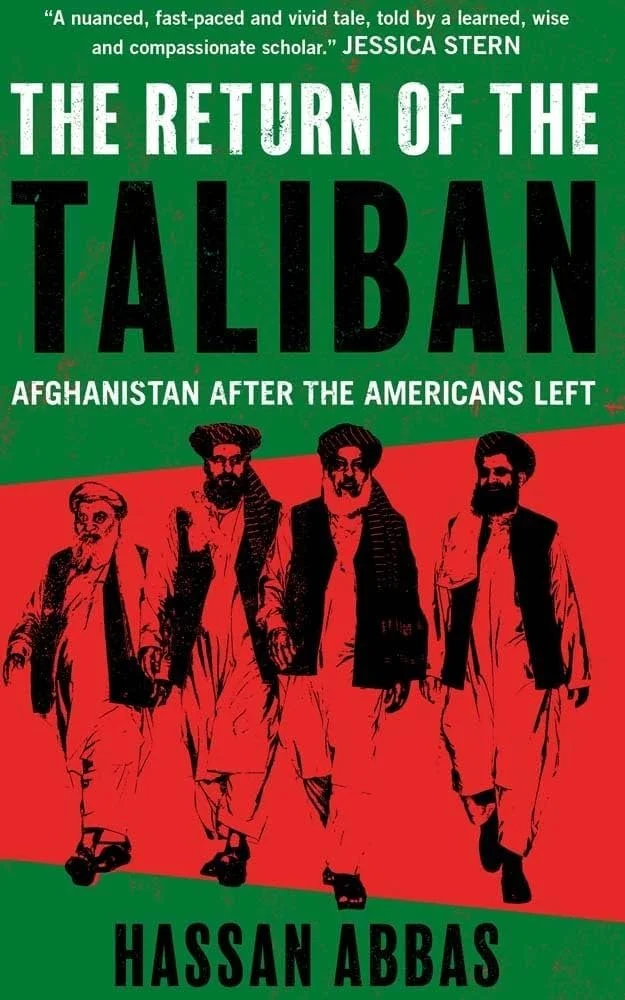
Readers Without Borders will host an upcoming virtual event featuring Dr. Hassan Abbas, author of The Return of the Taliban, for a timely discussion on Afghanistan’s political future and the Taliban’s return to power.
Following the U.S. withdrawal from Afghanistan in August 2021, the Taliban rapidly re-established control, raising urgent questions about regional stability, humanitarian conditions, and international engagement. In this book, Abbas explores how the Taliban evolved across three major phases: their initial rise in the 1990s (Taliban 1.0), their insurgency years (Taliban 2.0), and their current role as governing authorities (Taliban 3.0).
Drawing on field research, interviews, and firsthand experience, Abbas examines internal rivalries, ideological shifts, and regional dynamics shaping the Taliban today. He argues for a strategy of measured engagement—emphasizing that engagement does not mean endorsement, but may be necessary to prevent deeper humanitarian collapse and extremist expansion.
The event will include Abbas joining live to discuss his findings and address questions on conflict resolution, women’s rights, humanitarian principles, and long-term security challenges.
Event Details
Topic: The Return of the Taliban — Discussion with Dr. Hassan Abbas
Date: Saturday, March 28, 2026
Time: 10:30 AM – 11:30 AM (Eastern Time)
Format: Zoom Meeting
Join Zoom Meeting:
https://us06web.zoom.us/j/87016547920?pwd=XCrsIrMwWYGTNmc9I9LQIhecZDOtfU.1
Meeting ID: 870 1654 7920
Passcode: 426267
About the Author
Dr. Hassan Abbas is a Distinguished Professor of International Relations at the Near East South Asia (NESA) Center for Strategic Studies, National Defense University in Washington, D.C. He has previously taught at Harvard and Columbia Universities and has written extensively on South and Central Asian politics, Islam, and security.
Organizer
Ambereen Mirza
mirza.ambereen@gmail.com
Selendy Gay Secures Record-Breaking Earnout Award in Delaware Case
A major legal decision in Delaware has resulted in the largest earnout-related damages award in the state’s history, following a series of trial and appellate victories secured by Selendy Gay.
The case, involving Fortis Advisors LLC as representative for former shareholders of Auris Health, concluded with a final stipulated judgment of approximately $811 million. The judgment was entered by the Delaware Court of Chancery on January 26, 2026, after the Delaware Supreme Court affirmed key aspects of an earlier trial ruling.
Background of the Dispute
The case stems from a long-running dispute between Auris Health and its acquirer, Johnson & Johnson, following a merger agreement that included earnout provisions tied to performance milestones.
In September 2024, Vice Chancellor Lori W. Will ruled that Johnson & Johnson had breached the merger agreement. The court found that the company failed to use the required level of effort to achieve key milestones and had engaged in fraudulent conduct that affected shareholder outcomes.
Key Findings Upheld on Appeal
The Delaware Supreme Court, sitting en banc, upheld the majority of the trial court’s findings. The appellate decision affirmed that:
Johnson & Johnson breached its obligation to use “priority” commercially reasonable efforts to meet agreed-upon milestones
The damages methodology applied by the trial court was appropriate
The company, through its CEO, fraudulently induced Auris shareholders to accept a reduced contingent payment
The court also rejected arguments that contractual limitations within the merger agreement prevented the fraud claim from proceeding.
Significance of the Ruling
The approximately $811 million award represents the largest earnout-related damages ruling in Delaware history, a jurisdiction widely regarded as a leading venue for corporate law.
The case highlights the importance of transparency and good faith in merger agreements, particularly when performance-based payments are involved. It also reinforces that contractual provisions may not shield parties from liability in cases involving fraud.
Legal Team and Recognition
The legal team representing Fortis was led by Selendy Gay partners Philippe Selendy, Jennifer Selendy, Sean Baldwin, Oscar Shine, Meredith Nelson, and Julie Singer. The team also included appellate specialist Corey Stoughton and several associates, working alongside Delaware co-counsel Ross Aronstam & Moritz LLP.
Following the outcome, the team was recognized by The American Lawyer as “Litigators of the Week,” reflecting the significance of both the trial and appellate victories.
Broader Implications
This case underscores the evolving standards around corporate accountability and the enforcement of merger agreements. It serves as a reminder that earnout provisions, often complex and highly negotiated, can carry substantial legal and financial consequences when disputes arise.
As similar agreements continue to play a central role in mergers and acquisitions, this ruling may influence how future contracts are structured and litigated.
Read More: https://www.selendygay.com/news/general/2026-01-30-selendy-gay-obtains-trial-and-appellate-victories-to-secure-largest-earnout-award-in-delaware-history
Communities Come Together in Minnesota Amid Immigration Protests
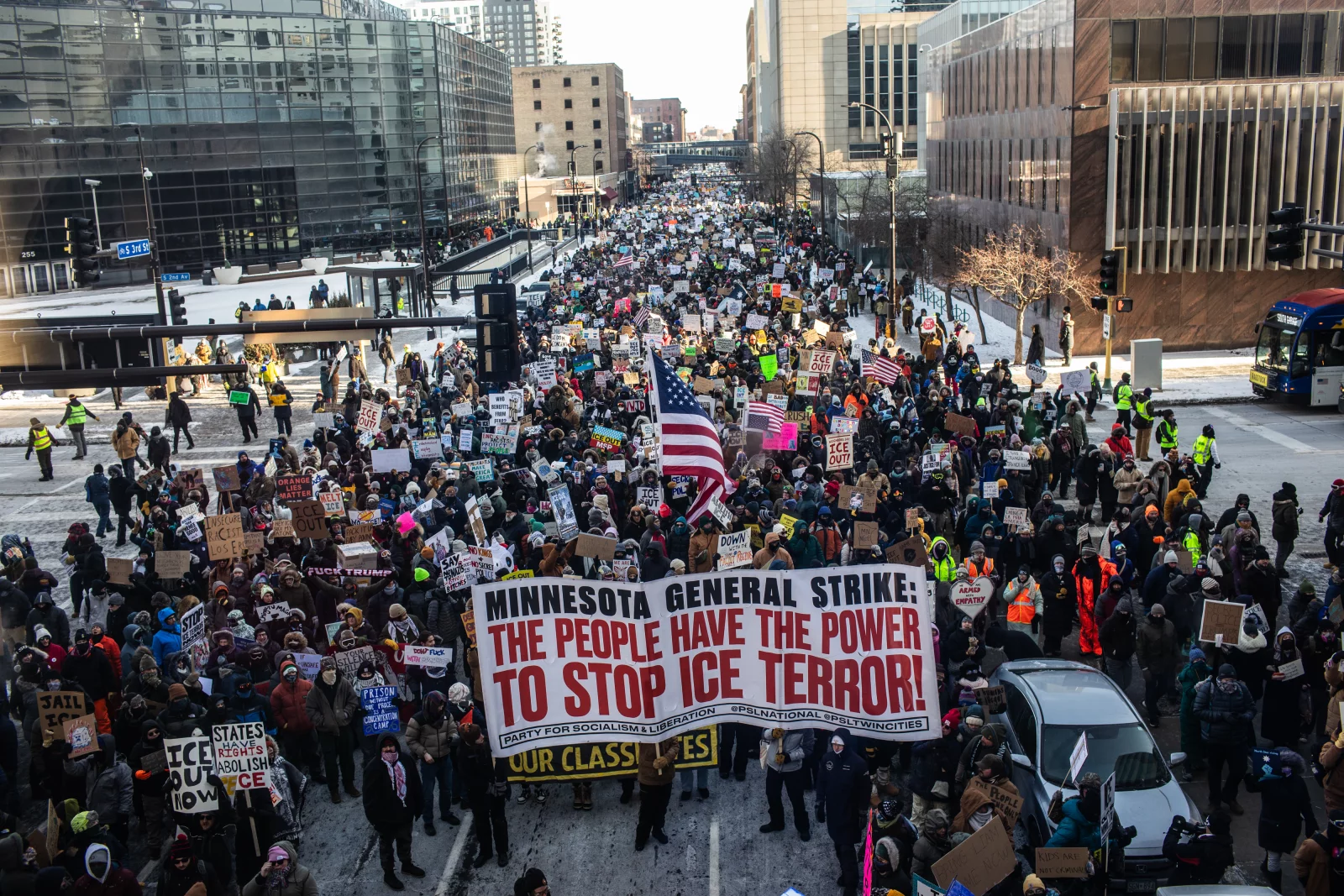
Large crowds gather downtown in subzero temperatures as hundreds of Minnesota businesses close in a statewide "ICE Out" protest and strike against federal immigration enforcement and the expanded ICE operations in Minneapolis, Minnesota, Jan. 23, 2026.
Across Minnesota, communities recently came together in powerful and visible ways to respond to ongoing immigration enforcement actions. Despite freezing temperatures, thousands of people gathered in downtown Minneapolis, showing that community voices remain strong even in the most difficult conditions.
The demonstrations were part of a coordinated effort known as “ICE Out of Minnesota: A Day of Truth and Freedom,” which included marches, rallies, and a statewide economic pause. Hundreds of businesses, including restaurants, bookstores, and cafes, chose to close for the day in solidarity with the movement.
A Day of Collective Action
The protests brought together a wide range of participants, including local residents, labor unions, faith leaders, and community organizers. Many people stayed home from work and school as part of the coordinated effort, while others joined marches and public gatherings.
Downtown Minneapolis became a focal point, with crowds chanting and holding signs that reflected a shared message of support for immigrant communities. Even in subzero weather, participation remained high, highlighting the depth of concern and commitment among those involved.
Voices from the Community
For many participants, the protests were about standing up for neighbors and creating a sense of unity during a time of uncertainty.
One resident shared that people who are not directly affected by enforcement actions feel a responsibility to support those who are. This sense of collective responsibility has been a driving force behind the movement, with individuals stepping forward to advocate for fairness and safety within their communities.
Faith leaders also played an important role, organizing gatherings and offering support through prayer and public presence. At the Minneapolis-St. Paul International Airport, clergy members and community supporters gathered to protest deportation flights, with some arrests reported during the demonstration.
Ongoing Concerns and Community Response
Many residents across Minnesota have expressed concern about the scale and intensity of recent immigration enforcement efforts. Reports describe an increased presence of federal officers and more aggressive tactics, which have contributed to fear and anxiety within affected communities.
In response, grassroots efforts have grown rapidly. Neighbors are helping one another by delivering food, sharing information, and creating local support networks. Community members are also organizing to monitor enforcement activity and provide immediate support when incidents occur.
These actions reflect a broader effort to maintain connection and resilience during a challenging period.
Balancing Perspectives
While protests have focused on concerns about enforcement practices, government officials have emphasized the importance of law enforcement and public safety. Statements from leadership have highlighted a commitment to addressing alleged misconduct while continuing enforcement operations.
This contrast in perspectives underscores the complexity of the issue. It also highlights the importance of ongoing dialogue within communities, where different viewpoints can be shared and understood.
A Community-Centered Moment
What stands out most from these events is the role of community. From large-scale protests to quiet acts of support, people across Minnesota are engaging in conversations about fairness, safety, and belonging.
Moments like these often shape how communities see themselves and how they respond to challenges. Whether through public demonstrations or everyday acts of care, individuals are contributing to a broader conversation about the kind of society they want to build together.
Read More: https://www.npr.org/2026/01/23/nx-s1-5686733/minnesotans-day-of-ice-protests
Harvard Law School Human Rights Program Discussion on India’s Constitutional Democracy
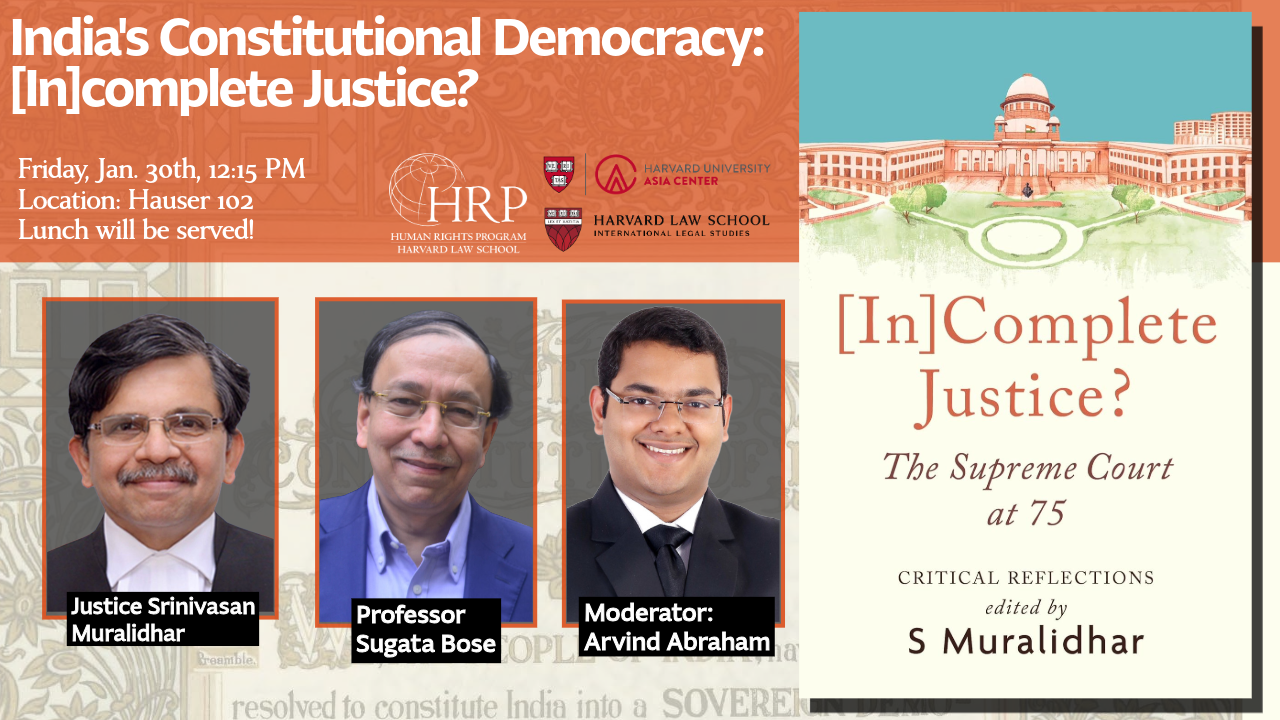
The Human Rights Program (HRP) at Harvard Law School, marking its 40th anniversary, has announced an upcoming public event examining the promises and challenges of India’s constitutional democracy.
Upcoming Event: India's Constitutional Democracy: [In]Complete Justice?
Date: Friday, January 30
Time: 12:15 PM EST
Location: TBD
This event will feature a discussion with Justice Srinivasan Muralidhar, former Chief Justice of the Orissa High Court, and Professor Sugata Bose. The conversation will explore whether the Constitution of India, and the Supreme Court it established, has fulfilled its foundational commitments to liberty, equality, fraternity, and dignity.
The discussion will also address the Court’s role in checking majoritarian impulses and the excesses of state power, as well as the broader question of judicial legitimacy in contemporary India.
The event highlights Justice Muralidhar’s newly released book:
"[In]complete Justice? The Supreme Court at 75"
The book offers a critical exploration of the Supreme Court’s evolving role over its 75-year history and raises questions about its ability to deliver equal and fair justice while navigating political and institutional pressures.
Lunch will be provided. Additional event details are available through HRP’s events page.
Fellowship Announcement: Neelan Tiruchelvam Memorial Fellowship (2026–2027)
HRP and the Program on Law and Society in the Muslim World (PLSMW) at Harvard Law School are currently accepting applications for the Neelan Tiruchelvam Memorial Fellowship for the 2026–2027 academic year.
The fellowship supports outstanding legal scholars and practitioners of Sri Lankan background to undertake research and scholarly engagement on human rights themes related to Sri Lanka and South Asia for up to one academic semester at Harvard Law School.
The fellowship honors the late Neelan Tiruchelvam, a Sri Lankan peace and human rights activist, lawyer, scholar, and politician.
Application deadline: March 2, 2026
Further information and the online application are available through Harvard Law School HRP.
Israeli Hope Makers Returns with the First Gathering of 2026
Happy New Year to our community.
As we begin 2026, we are pleased to share the first event on this year’s calendar as part of the Israeli Hope Makers series. We look forward to gathering again for an evening of conversation, learning, and reflection.
Save the Date
Date: January 29, 2026
Time: 7:30 PM
Location: 82 Atherton Rd, Brookline, Unit 2
Event Talk
This session will be led by Ory Zik, CEO of Qnergy:
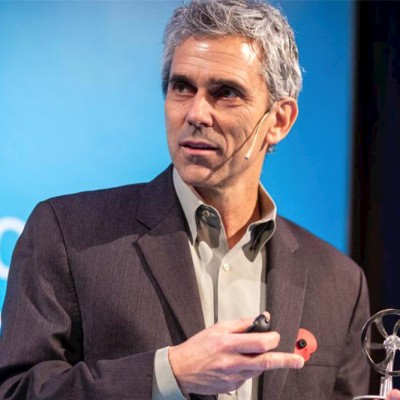
“Energy Blind”: Why are we energy blind, what does it mean, and how to change it?
The talk will explore the concept of “energy blindness,” how it shapes the way societies understand consumption and sustainability, and what it might take to rethink our relationship with energy, climate, and resources.
About the Speaker
Ory Zik is an entrepreneur and sustainability thinker known for approaching energy challenges from a fresh and interdisciplinary perspective. With a PhD in Physics from the Weizmann Institute, along with a background in activism and innovation, he brings a distinctive voice to the discussion around climate and resource consumption.
We Hope to See You There
We encourage community members to join us for the first gathering of the year and to be part of the conversations that will shape our shared learning in 2026.
We hope to see many of you soon.
Choosing Courage: Honouring Dr. Martin Luther King Jr.’s Legacy Through Nonviolence
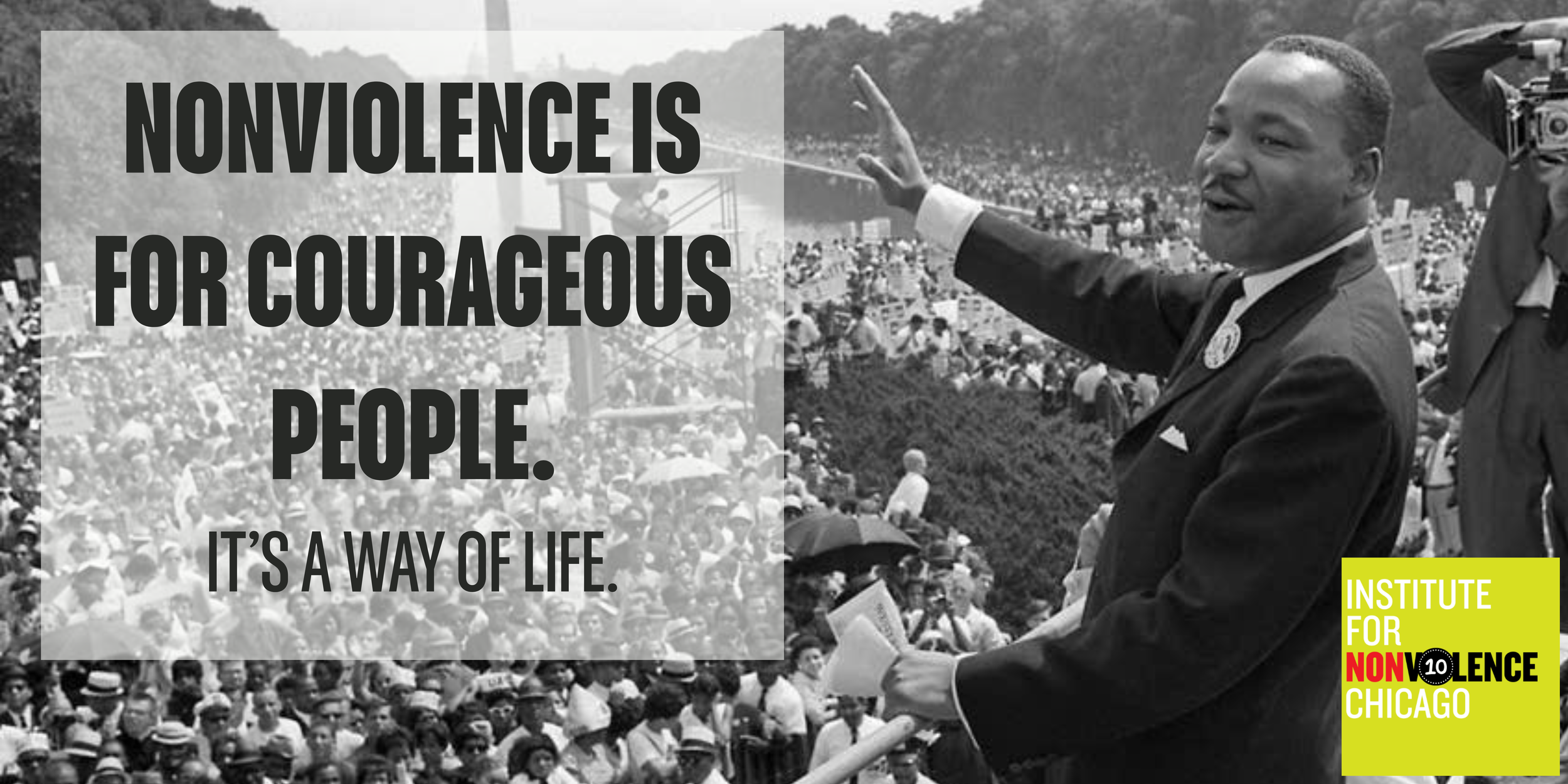
On Dr. Martin Luther King Jr. Day, a powerful message resurfaces—one that continues to shape movements, communities, and individuals across generations: nonviolence is not passive; it is courageous.
In a message shared by Teny Gross, Chief Executive Officer of Institute for Nonviolence Chicago, this idea is brought to life through both reflection and action. Drawing from Dr. King’s philosophy, Gross emphasizes that nonviolence is an active and hopeful way of life—one that calls on individuals to respond to conflict without anger, to replace hatred with understanding, and to build community even in the face of difficulty.
At its core, courage is defined not just by grand gestures, but by the refusal to remain a bystander.
Today, that courage is visible in communities across Chicago. Through programs and services led by the Institute for Nonviolence Chicago, individuals—young and old—are choosing peace in tangible ways. They are working with purpose to transform their own lives, while strengthening their families and neighbourhoods. The impact extends beyond individual change; it reflects a collective effort to reshape communities through empathy, accountability, and support.
What stands out is the breadth of this courage. It is seen in participants who commit to change, in outreach workers who engage directly with communities, in those providing victim support, and in workforce development initiatives that create pathways forward. It is equally present in donors, partners, and everyday individuals who stand up for peace and justice in their own environments.
As the Institute marks a decade of service, there is a sense of both reflection and forward momentum. The past ten years have demonstrated what is possible when courage and community intersect. Looking ahead, the vision remains rooted in the same principles—building safer, more connected communities through sustained engagement and shared responsibility.
Chicago has long been known as a city of resilience. In this vision, it is also a city of possibility—a place where “Big Shoulders” are matched with “Big Dreams.” The invitation is clear: everyone has a role to play, whether through support, learning, partnership, or everyday actions that foster connection and safety.
In remembering Dr. King’s words, the message is not only about reflection, but participation. Nonviolence requires effort, intention, and above all, courage.
Choose peace.
To learn more: https://www.nonviolencechicago.org/ourvalues
Human Trafficking Awareness Month Programming
January is recognized as Human Trafficking Awareness Month, with events and trainings taking place throughout the month to raise awareness and support action against exploitation.
Two upcoming public events in late January will focus on community education, survivor-informed perspectives, and strategies to address the demand that drives trafficking.
Webinar: Understanding the Commercial Sexual Exploitation of Children (CSEC)
Event: Understanding the Commercial Sexual Exploitation of Children: A Community Call to Action
Date: January 22, 2026
Time: 12:00 PM – 2:00 PM EST
Format: Online
This free community webinar introduces the realities of commercial sexual exploitation of children (CSEC). The session is adapted from the organization’s CSEC 101 training and is designed to address common questions from community members, including what exploitation looks like today and how technology is contributing to harm.
Participants will leave with an understanding of what CSEC is, where it occurs, and how communities can respond more effectively.
Registration is available through My Life My Choice.
Human Trafficking Awareness Breakfast: How Buyers Drive Human Trafficking
Event: 3rd Annual Human Trafficking Awareness Breakfast
Theme: How Buyers Drive Human Trafficking
Date: January 27, 2026
Time: 8:30 AM – 11:00 AM EST
Location: The Atrium at MassBay Wellesley Campus
Hosted by the Survivors & Allies Coalition for Justice (formerly the EMMA Coalition), this annual breakfast will focus on how demand for commercial sex contributes to sex trafficking.
The program will feature survivors and field experts discussing the long-term impacts of sexual exploitation, accountability approaches, and local strategies to reduce demand. Methuen Mayor D.J. Beauergard will also speak on initiatives targeting buyers as part of community-level prevention efforts.
Sponsored by:
MassBay Community College
Metro West Commission on the Status of Women
MA Office of Victim Assistance
Registration is available through the event organizers.
2026 Training Calendar
Registration is now open for all 2026 trainings, offered both online and in person. Programs include core prevention trainings as well as a ten-week advanced clinical training focused on treating complex trauma.
Additional training and consultation options are available by contacting the training team at mlmctraining@jri.org.
More details can be found through the My Life My Choice training calendar.
Artwrld Podcast Live Conversation on “A Multipolar Art World?”
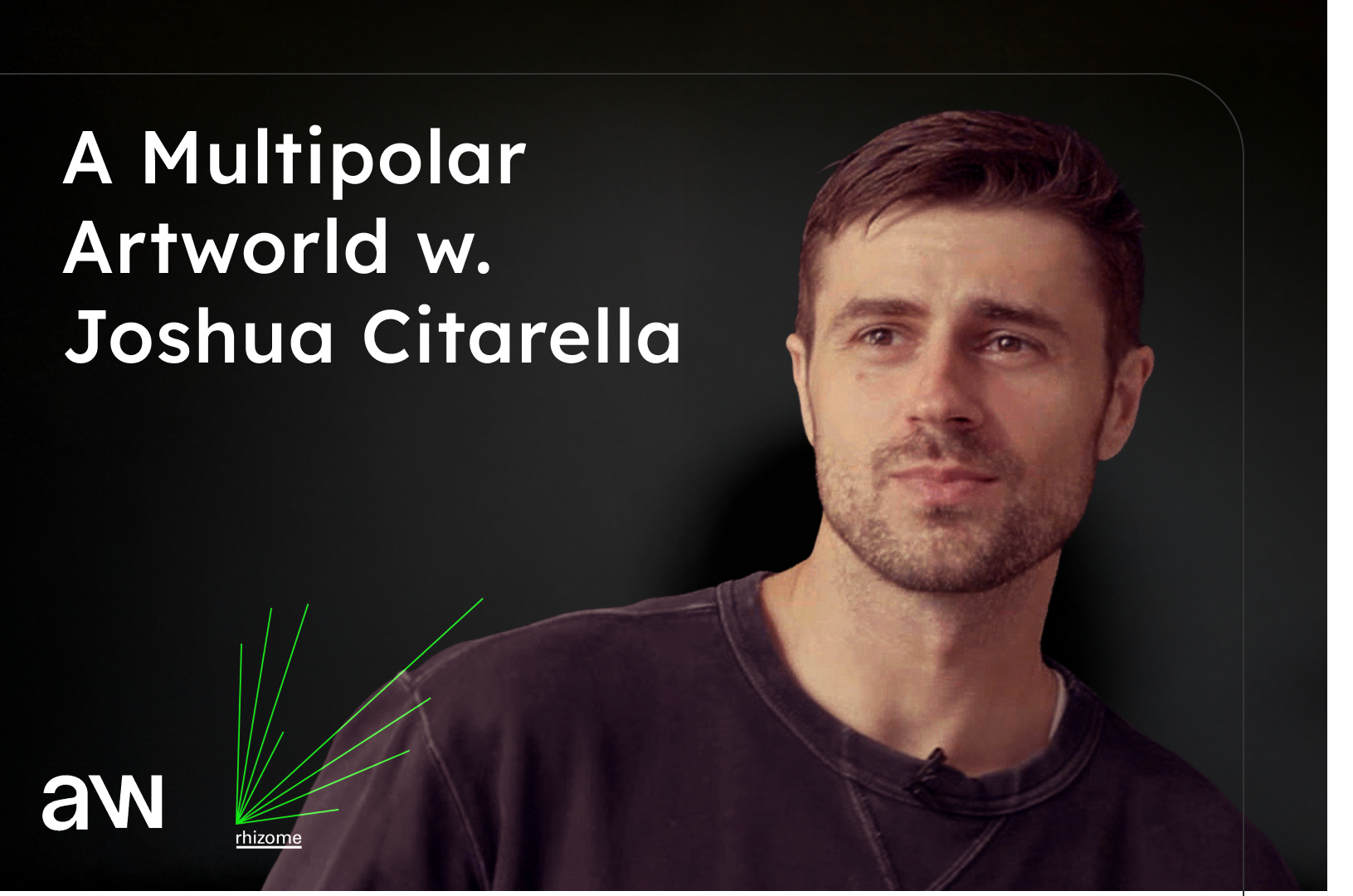
A free, live online conversation will take place on Friday, January 13 at 2:00 PM EST as part of Season 3, Episode 2 of the Artwrld Podcast.
The session will feature:
Michael Connor, Executive Director of Rhizome
Joshua Citarella, artist and internet culture writer
Josh Goldblum, Founder and CEO of Artwrld
Focus of the Event
The episode centers on Joshua Citarella’s recent text, A Multipolar Art World?, which argues that the era of globalization that has shaped contemporary art is coming to an end. Citarella suggests that new political shifts are giving rise to a more location-specific and multipolar global art landscape.
“We seem to be at the end of globalization. With seismic political shifts, a certain era of contemporary art has also come to a close.”
– Joshua Citarella
About Joshua Citarella
Over the past decade, Citarella’s work has explored online communities, radicalization, and internet subcultures. His projects include research into Politigram and the Post-Left, the founding of the art and editorial platform Do Not Research, and his ongoing YouTube series Doomscroll.
During this episode, Citarella will present on the themes of his recent writing and discuss how contemporary art may be shifting toward new regional and political configurations.
About Rhizome
Rhizome is a leading organization dedicated to internet art and digital culture, supporting commissions, exhibitions, and preservation. It operates online at rhizome.org and in partnership with the New Museum in New York City.
About Artwrld
Artwrld is a social discovery app designed to make the art world more accessible and welcoming. The platform is currently live in New York City and Los Angeles.
Registration for the live podcast conversation is available through Artwrld.
Futurespaces Session on Immersive Art and Beginner-Friendly AI Design Workshop
Futurespaces has announced two upcoming online events this month, focused on immersive art and practical AI-supported design workflows. The series is sponsored by PIXERA by AV Stumpfl, a real-time media server platform used in immersive installations and live environments.
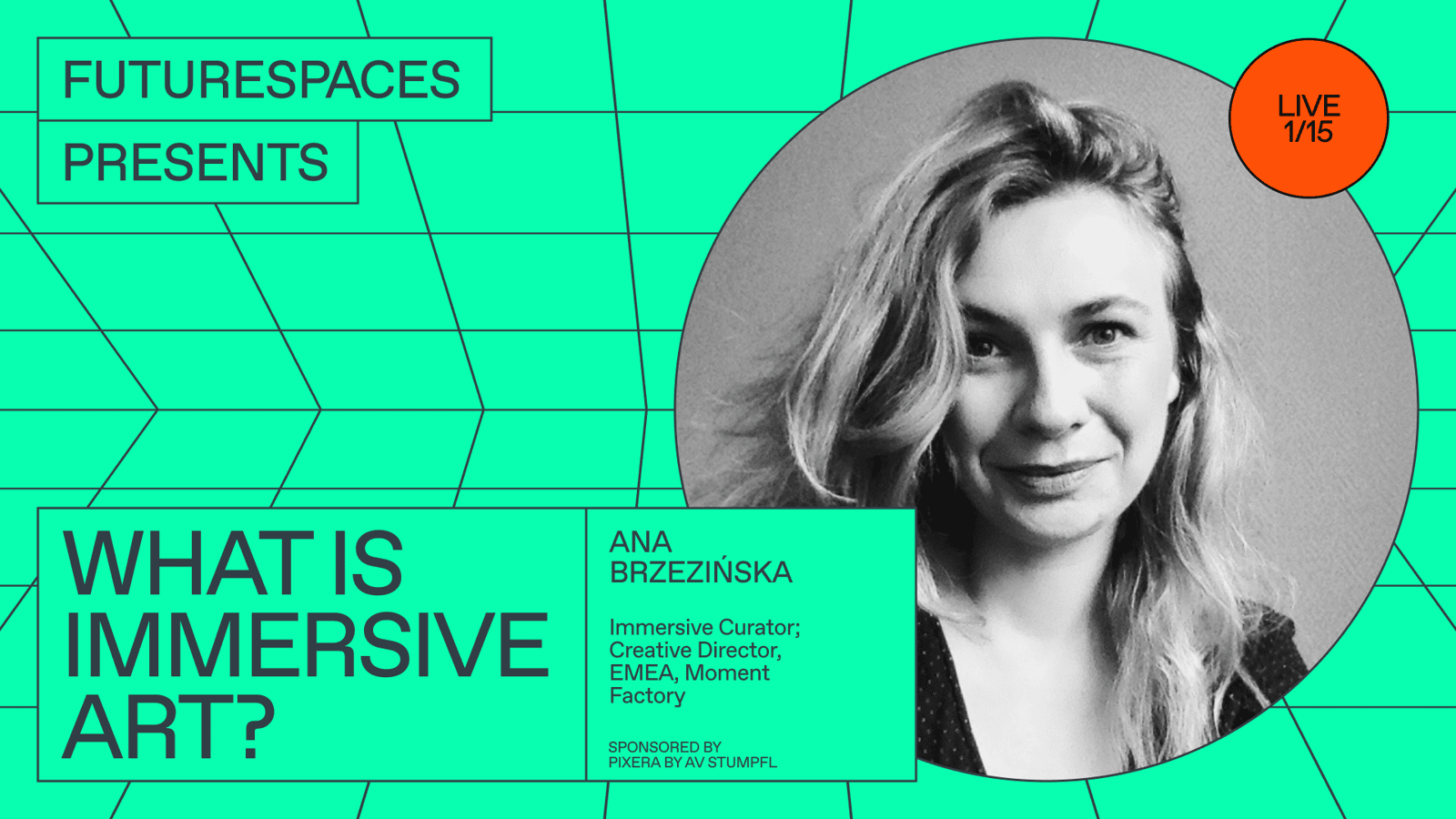
Event 1: Immersive Art, Explained
Date: Thursday, January 15, 2026
Time: 11:00 AM PST | 2:00 PM EST
Format: Live session followed by Q&A
This Futurespaces session will examine the ongoing debate around what qualifies as “immersive art,” a term increasingly used across galleries, academia, creative industries, and commercial entertainment spaces.
The talk will be led by Ana Brzezinska, Creative Director at Moment Factory and former Tribeca Festival Immersive Curator. Drawing on her experience across independent and commercial projects in North America, Europe, and Australia, she will explore why immersion continues to captivate audiences, and how creators can balance innovation, storytelling, and engagement without losing clarity or common sense.
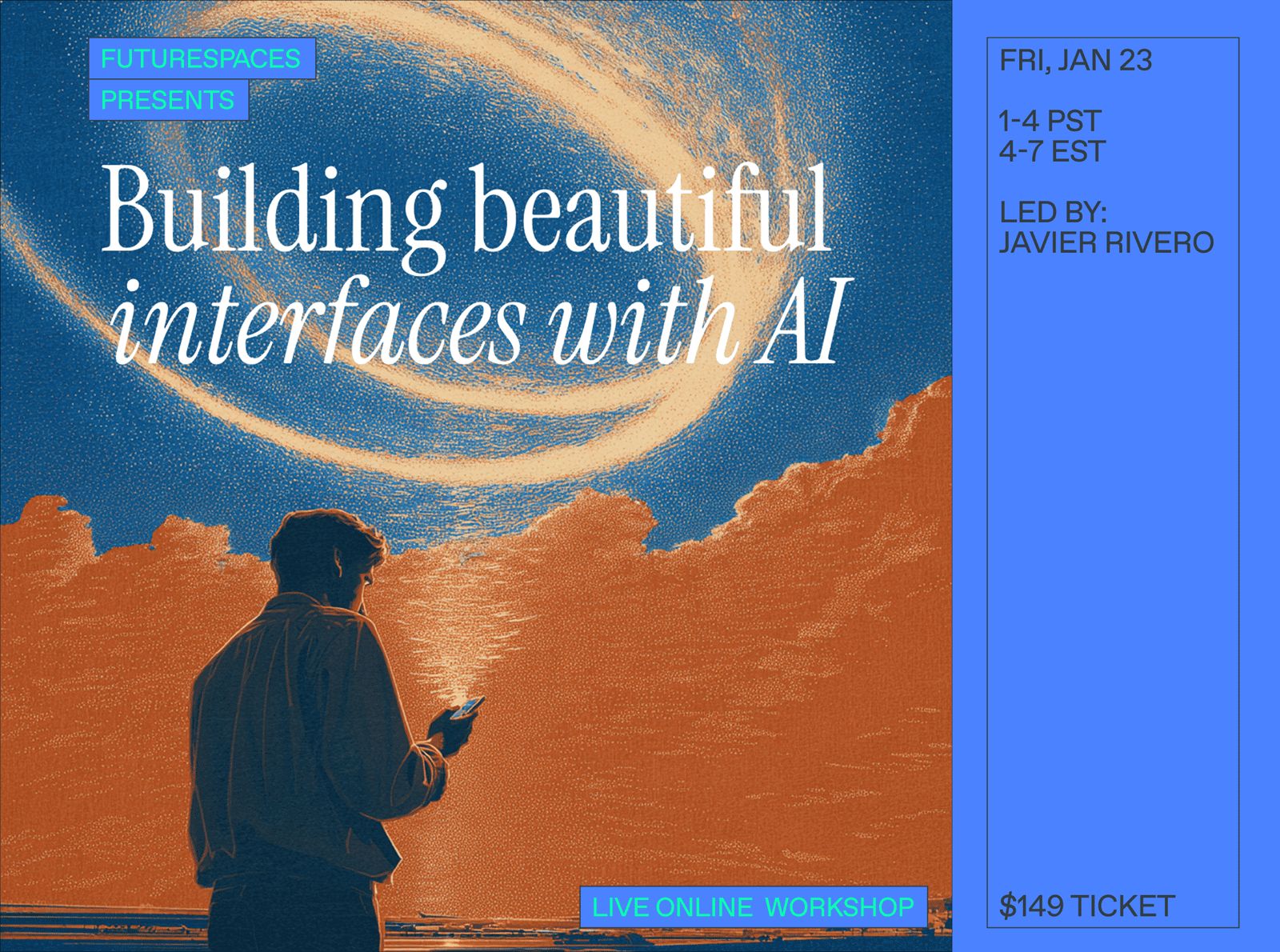
Event 2: Beginner-Friendly AI Workshop on UI Design
Date: Friday, January 23, 2026
Time: 1:00 PM PST | 4:00 PM EST
Format: Live workshop
A second Futurespaces event later in the month will offer a beginner-friendly workshop on modern UI design fundamentals and how AI tools can support design workflows.
Led by Javier Rivero, the session will cover:
HTML, CSS, and Tailwind basics
Working with inspiration sources and component libraries
Real-world examples using tools such as Cursor, v0, and AI-generated visuals
Practical workflows for building strong UX and UI foundations
Participants will leave with resources and approaches for designing and shipping interfaces effectively while maintaining core design thinking.
Sponsor: PIXERA by AV Stumpfl
This month’s Futurespaces programming is sponsored by PIXERA, a professional media server platform developed by Austrian manufacturer AV Stumpfl. PIXERA supports playback, compositing, and show control for projection mapping, LED walls, and multi-display immersive environments.
About Futurespaces
Founded and led by Josh Goldblum (Bluecadet), Futurespaces offers live webinars and in-person tours that provide insights into the creative process behind contemporary immersive experiences.
Registration links and additional details are available through Futurespaces.
Closing a Game-Changing 2025 | PollyLabs Community update
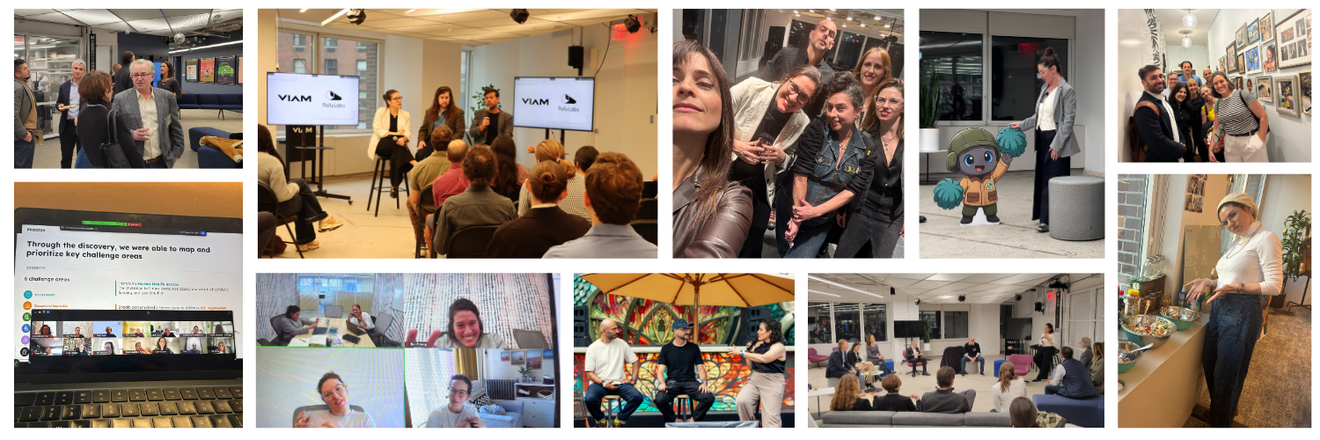
In its year-end community update, PollyLabs reflects on what 2025 revealed about its core thesis: that proven technology, applied thoughtfully and with the right frontline partners, can generate outsized social impact. Early ventures spun out independently, unlocked critical funding, and translated research into practical tools already reaching families at scale—offering early proof of a system-focused approach to impact.
Looking ahead, PollyLabs positions 2026 as a year of scaling what has been built, taking on larger challenges, and inviting others to engage, while maintaining the rigor that made these outcomes possible. The update also recognizes the partners, donors, and team members whose support underpins a broader vision of technology used to reduce avoidable suffering and strengthen resilience.
Click here to read the full report: Polly Labs Community Update
William Ury: Making Peace "Possible"
William Ury is one of the world’s most respected voices in negotiation, mediation, and peacebuilding. A co-founder of Harvard’s Program on Negotiation and author of the bestselling Getting to Yes, Ury has spent decades helping leaders, communities, and nations move beyond conflict toward constructive agreement. His work has ranged from advising on peace processes in Colombia to helping reduce nuclear tensions and teaching negotiation principles that apply anywhere—from the United Nations to everyday life. On Making Peace Visible, Ury shares ideas about how we can understand conflict more deeply and highlight efforts for peace more broadly.
Click here to listen to the podcast: https://www.makingpeacevisible.org/bill-ury
Our Annus Horribilis
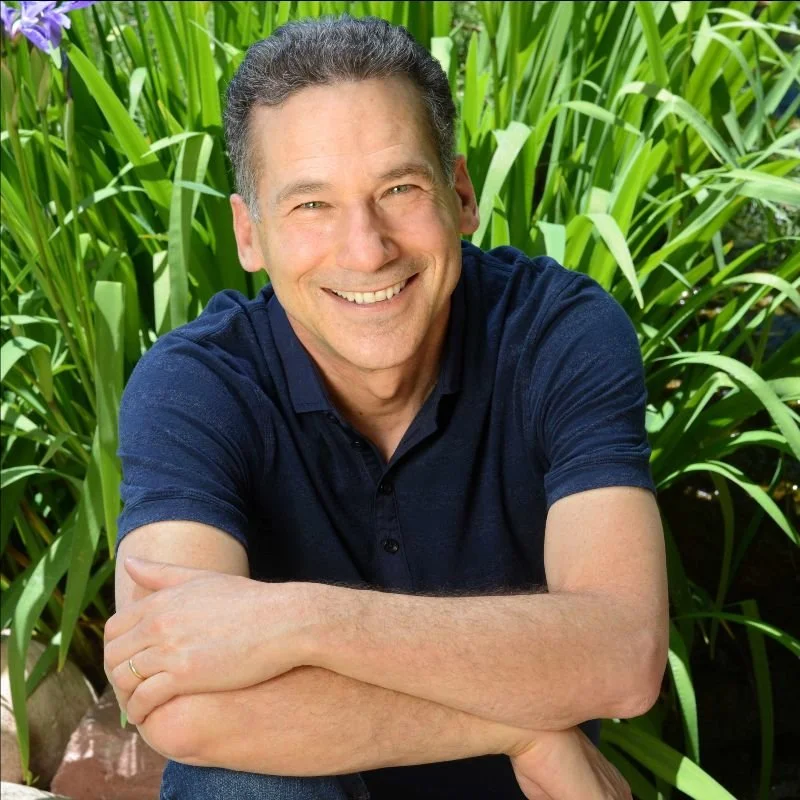
In this year-end reflection, veteran foreign correspondent Mort Rosenblum looks back on a difficult and unsettling year in global and U.S. affairs. Drawing on decades of reporting experience, he considers how political choices, diplomatic breakdowns, and shifts in American leadership have affected both international stability and democratic norms at home. The essay situates recent events in a broader historical context, asking what responsibility the United States bears when its actions—and inaction—shape outcomes far beyond its borders.
Read article here: https://www.mortreport.org/reports/our-annus
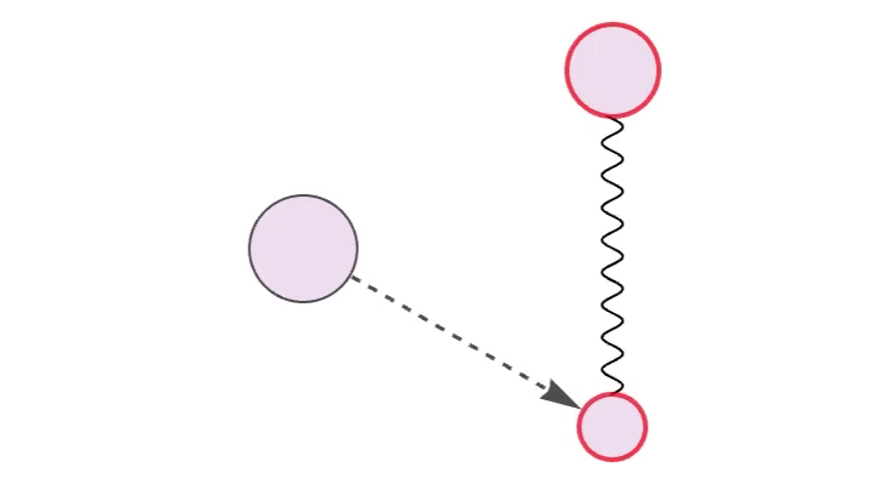
Clarifying the Idea of the Balance of Power - Michael Poulshock
The idea of the balance of power is central to how scholars and policymakers think about international politics, but what does it really mean in practice? In this essay, Michael Poulshock argues that the conventional concept is vague and often conflates observation with prescription. He highlights three core issues: uncertainty about what actions actually constitute balancing, the lack of a clear definition of equilibrium in global politics, and the tendency of the literature to blur descriptive analysis with advice. By reframing the balance of power through a systematic framework grounded in power structure theory, this piece offers a fresh lens on how states form coalitions, deter dominance, and manage competition in the international system.
Click here for the full article: Michael Poulshock Substack
10 Conflicts to Watch in 2026 - Foreign Policy
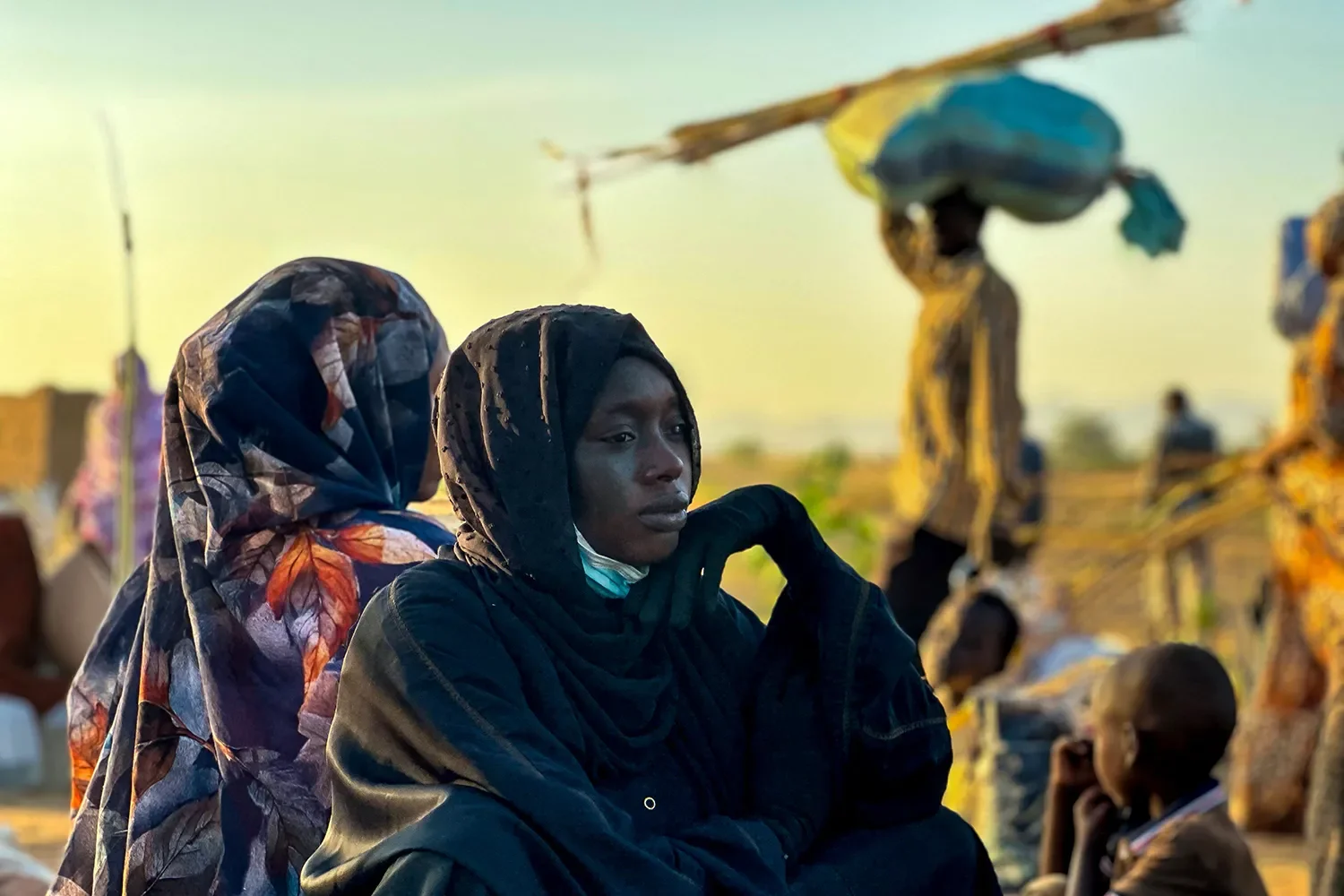
War, instability, and political ruptures aren’t fading as the new year begins—they’re multiplying. In its annual forecast of global hotspots, Foreign Policy and the International Crisis Group highlight the conflicts most likely to shape geopolitics in 2026. From the grinding full-scale war in Ukraine and the fragile aftermath of the Gaza fighting to renewed tensions in Africa, the Middle East, and the Western Hemisphere, these are not distant troubles: they are flashpoints with worldwide implications, affecting diplomacy, humanitarian crises, and world order. If 2025 was defined by violent confrontation and shifting alliances, 2026 may prove even more consequential.
Read more on their website: Foreign Policy
Ward’s Manufacturing Wins Discover Rhode Island 2026 Preferred Business Award

Ward’s Manufacturing has just been honored with the Discover Rhode Island 2026 Preferred Business Award, a recognition that celebrates the strength of American-made metal fabrication and the leadership of a woman-owned manufacturing shop proudly serving customers across industries. From precision laser cutting to custom CNC bending and part design, Ward’s blends cutting-edge capability with small-business grit—earning praise not just from clients, but also from the Rhode Island business community.
Click here for the LinkedIn post!
Ward Manufacturing: https://www.wardsmanufacturing.com/
The Depraved New White House Website Isn’t Just a Lie: It’s an Invitation
Every authoritarian project depends on the same foundation: control over the story of the past. Not just selective memory or political spin, but the systematic replacement of shared reality with a manufactured one. When that happens, facts become tribal markers, violence becomes debatable, and democracy becomes optional.
The Trump administration’s newly launched White House website on January 6 is a textbook example of this strategy. Presented as an “official history,” it does not merely minimize the attack on the Capitol—it inverts it. Those who breached the building are reframed as victims. Law enforcement officers are recast as aggressors. The certification of a lawful election is portrayed as the true act of subversion.
This kind of revisionism is not aimed at persuading skeptics. Its purpose is normalization. By declaring the insurrection “peaceful” and its aftermath “persecution,” the site quietly lowers the threshold for what counts as acceptable political behavior in the future. If what happened that day was not violence, then violence no longer has a clear meaning.
Governments that pursue this path are not arguing about history; they are preparing the public for what comes next. They are teaching supporters which actions will be forgiven, which institutions will be abandoned, and which truths no longer apply.
What is being rolled out here is not an interpretation of January 6, but a signal about the kind of country its authors intend to build.

Adam Goodman
Adam Goodman is a historian whose work rigorously situates the politics of migration, exclusion, and state power within the longue durée of United States history. He serves as Associate Professor of History and Latin American and Latino Studies at the University of Illinois Chicago (UIC), where his scholarship and teaching explore the interconnections between migration policy, law, social movements, and racial and ethnic identity in the twentieth and twenty-first centuries.
Goodman’s academic formation culminated in a Ph.D. in History from the University of Pennsylvania, one of the leading doctoral programs in U.S. and transnational migration history. Prior to his appointment at UIC, he held a Provost’s Postdoctoral Fellowship in the Humanities at the University of Southern California and was a visiting scholar at the Universidad Nacional Autónoma de México in Mexico City—positions that reflect his commitment to comparative and transborder historical inquiry. He also spent the 2022–23 academic year as an Andrew W. Mellon Foundation Fellow at the Center for Advanced Study in the Behavioral Sciences at Stanford University.
Goodman’s scholarship centers on the historical mechanisms of immigration control and expulsion in the United States, with particular attention to how legal, administrative, and cultural forces have shaped the governance of mobility and belonging. His most influential book, The Deportation Machine: America’s Long History of Expelling Immigrants (Princeton University Press, 2020), reconstructs over 140 years of U.S. deportation practices, demonstrating that expulsive logics and bureaucratic apparatuses are not recent aberrations but deeply embedded features of the modern state. Drawing on extensive archival research across English- and Spanish-language sources, the work unpacks how formal deportations, coerced “voluntary” departures, and fear-driven self-deportation together constituted a systemic “machine” that operated with profound human cost long before the contemporary moment.
The Deportation Machine received wide academic recognition: it was a finalist for the Los Angeles Times Book Prize in History, won the PROSE Award in North American History from the Association of American Publishers, and received the Henry Adams Book Prize from the Society for History in the Federal Government, among other honors.
In addition to his monograph, Goodman has published influential articles in venues such as the Journal of American History and has written essays and commentary for The Nation and The Washington Post, bringing historical insight to contemporary debates on migration policy and border politics. He appears regularly in English- and Spanish-language media, including BBC Radio 4, Univisión, and Latino USA, reflecting his dual commitment to academic rigor and public engagement.
Goodman plays a significant role in collaborative knowledge projects such as the #ImmigrationSyllabus, an initiative that curates historical resources for educators and the public. He also serves on the Statue of Liberty-Ellis Island Foundation History Advisory Committee and has coordinated interdisciplinary seminars on borderlands and Latino/a studies, underscoring his engagement with community-oriented scholarship and intellectual networks.
Across his work, Goodman exemplifies the historian as both archival investigator and public interpreter of how states construct, contest, and enforce boundaries of inclusion and exclusion. His contributions deepen understanding of how historical structures of power shape present-day policy landscapes, making his voice central to scholarly and civic conversations about migration, citizenship, and social justice.