Omer Bartov’s New Book Sparks Debate on Zionism, Israel, and the Future of the Region
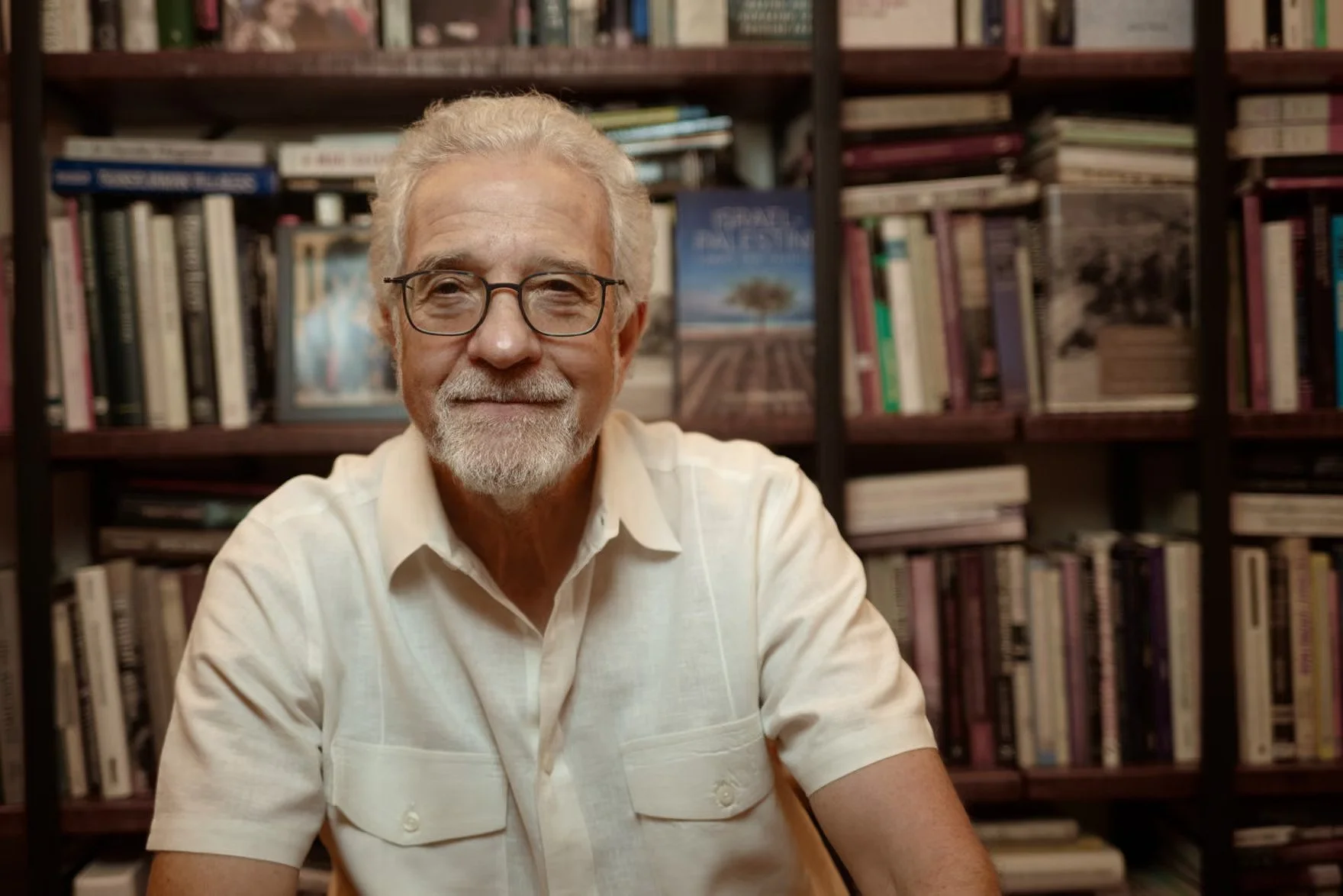
A new book by Israeli-American historian and genocide scholar Omer Bartov is generating significant international discussion around Zionism, Israeli identity, and the ongoing war in Gaza. Published this week, Israel: What Went Wrong? examines the historical and political evolution of Israel through the perspective of one of the world’s leading scholars of genocide and mass violence.
Bartov, a professor at Brown University and a widely respected Holocaust historian, argues in the book that Zionism transformed over time from a movement centered on liberation and protection into what he describes as an ethno-nationalist and settler-colonial project. The publication comes amid heightened global scrutiny of Israel’s actions in Gaza and increasing debate around the language of genocide, occupation, and international law.
In interviews surrounding the release, Bartov reflected on his own personal and intellectual journey. Born in Israel to parents who were committed Zionists and veterans of the 1948 war, he himself served in the Israeli military before later pursuing a career focused on the Holocaust, antisemitism, nationalism, and genocide studies. Over decades, he became one of the foremost scholars examining how states and societies justify mass violence and historical erasure.
In May 2024, Bartov publicly concluded that Israel’s actions in Gaza met the definition of genocide under the 1948 UN Genocide Convention. He later expanded on this position in essays and interviews, including a widely discussed New York Times opinion piece titled I’m a Genocide Scholar. I Know It When I See It. His statements sparked intense reactions internationally and reportedly strained some of his longstanding personal relationships in Israel.
In Israel: What Went Wrong?, Bartov traces what he views as a turning point in Israeli statehood following 1948. According to his analysis, the failure to adopt a constitution, define permanent borders, or establish equal relations with Palestinian citizens fundamentally shaped the trajectory of the state. He argues that these unresolved issues contributed to a political culture increasingly rooted in militarization, exclusion, and permanent conflict.
The book also examines the role of Holocaust memory within Israeli politics and public life. Bartov criticizes what he describes as the political instrumentalization of the Shoah, arguing that it has often been used to justify state violence while simultaneously reinforcing narratives of perpetual victimhood and exceptionalism.
At the same time, Bartov distinguishes between different strands of Zionism. While he rejects the current form of political Zionism practiced by the Israeli state, he maintains that earlier versions of Zionism included genuine aspirations for Jewish liberation and self-determination following centuries of persecution in Europe. His critique, therefore, focuses not simply on Zionism’s origins but on what he believes it became through state policy and occupation.
The historian also addresses possible future alternatives. One section of the book discusses the “A Land for All” confederation proposal, which envisions independent Israeli and Palestinian states existing side by side while allowing freedom of movement and residence across the territory. Bartov presents the model as one possible path toward coexistence in a region marked by decades of violence and displacement.
Beyond the book itself, Bartov’s comments reflect broader shifts taking place internationally. Public opinion in the United States, particularly among younger generations, has become increasingly critical of Israeli government policy. Simultaneously, debates around antisemitism, criticism of Israel, and the language used to describe the war in Gaza have intensified across academic, political, and media spaces.
Bartov also argues that continued unconditional military and diplomatic support from the United States has allowed Israel to avoid confronting deeper structural and political questions. In his view, any long-term resolution will require a shift away from military solutions toward diplomacy, accountability, and political transformation.
Despite the controversy surrounding his views, Bartov’s work continues to occupy an important place in contemporary discussions about nationalism, historical memory, violence, and state power. The publication of Israel: What Went Wrong? adds another significant voice to the growing international debate over the future of Israel and Palestine, and the broader implications of the ongoing conflict for global politics and human rights discourse.
https://www.theguardian.com/world/2026/apr/21/omer-bartov-israel-zionism-genocide