I spent several August days in Truro with the noted Canadian documentary filmmaker Paul Jay to explore the possibility of joining forces with him to develop his remarkable new film, How to Stop a Nuclear War. The film is based on the critical disclosures on nuclear history by the courageous whistleblower, Daniel Ellsberg, famed for his exposure of the Vietnam War in the Pentagon Papers. Many are recounted in his book The Doomsday Machine: Confessions of a Nuclear War Planner, with extensive new material gathered over forty-plus hours in interviews with Dan, which Paul conducted with him in the last few years (sadly Dan passed away in January 2023). I first met Dan when he participated in our Institute’s 1988 Covert Action and Democracy year, when he and a Cornell historian severely questioned former CIA director William Colby on the CIA’s counterinsurgency program in Indonesia, PEMESTA, and whether it presaged the CIA’s Phoenix program in Vietnam. Bill, subsequently wrote that he respected that he was treated fairly, without an ad hominem attack, but in debate over a careful rendering of facts. It is this balance that I seek in this curriculum.
This opportunity will touch on the enduring themes that have preoccupied me for decades — the mythology and legacies of the Cold War, U.S foreign policy, the influence of the military-industrial complex, and questions of secrecy, ethics, policy, and the moral dimensions of both public decisions and personal responsibility.
(It’s extended trailer’s How to Stop a Nuclear War access code is stopnuke321)
Paul had explored EPIIC symposia that he believed “brought together science, ethics, and global security—most notably decades later another EPIIC symposium on nuclear proliferation,” and believed that “Our Nuclear Age" forums provided “a rare synthesis of educational innovation and real-world insight.”
Paul had learned about me from James Hershberg, the director of George Washington University’s Cold War Project. Jim had been my teaching assistant in EPIIC’s 1988 Covert Action and Democracy program. He was also my friend, the Pulitzer Prize winner Professor Martin “Marty” Sherwin’s TA, and we were both involved in the Space Bridge program with Moscow State University, focusing on nuclear issues.
I have accepted the role of the film’s Curricular Director and Academic Advisor. This has happily delayed my fiction reading plans.
Jim knew of the curriculum, Secrecy and Democracy, derived from our ‘88 symposium developed for Educators for Social Responsibility (ESR) by brilliant Steve Cohen, then our Institute’s national Inquiry high school simulation program, together with one of my wonderful students at that time, Heather Barry, then the superb Associate Director of the Institute, my collaborator for decades, now serving as Director of Global Strategy for Tisch College at Tufts. Now, Steve and I are discussing joining forces once again to explore how a new curriculum might be created around this powerful film.
The project already features a remarkable roster of interviewees, and holds the promise of uniting with colleagues I know well, together with new experts, while engaging the extensive intergenerational network of the International Student/Youth Pugwash movement.
Paul has completed forty hours of interviews with Dan and secured participation from these distinguished experts…
I have preliminarily created cascading clusters with my colleague, James Intrilagator and his transversal gliding.
New version
How to Stop a Nuclear War
A documentary + curriculum initiative inspired by Daniel Ellsberg’s final warnings
In August, I spent several days in Truro with the noted Canadian documentary filmmaker Paul Jay, exploring a collaboration on his remarkable new film, How to Stop a Nuclear War—a project rooted in the late Daniel Ellsberg’smost urgent disclosures about America’s nuclear history and the architecture of catastrophic risk.
Many of Ellsberg’s most consequential revelations are recounted in The Doomsday Machine: Confessions of a Nuclear War Planner, and Paul’s documentary is built on something rarer still: forty-plus hours of interviews he conducted with Ellsberg during the last years of Ellsberg’s life. The result is not only historical testimony, but a direct encounter with how a “doomsday system” is designed—how it can fail—and what responsible governance might require.
(Trailer available below; Vimeo access code: stopnuke321.)
Why this matters now
Nuclear danger has returned to the foreground of history—yet nuclear literacy has quietly receded from education and civic discourse. We are surrounded by the consequences of nuclear posture, doctrine, secrecy, and accident—yet most students (and many adults) have never been taught to think about these systems with clarity, rigor, or agency.
This initiative exists to address that gap: to transform a powerful documentary into a durable learning ecosystem—modular curricula for high schools, universities, and civic institutions that treat nuclear risk as a systemic, governable problem, and cultivate the civic capacities needed to engage it responsibly.
How I came to this work (and what I’m bringing to it)
I first met Daniel Ellsberg when he participated in our Institute’s 1988 “Covert Action and Democracy” year. In one unforgettable session, Ellsberg and a Cornell historian pressed William Colby—the former CIA Director—on the CIA’s counterinsurgency program in Indonesia (PEMESTA) and whether it foreshadowed later covert action programs, including the Phoenix program in Vietnam.
Colby later wrote that he respected being challenged on facts and policy rather than attacked personally. That is the balance I seek here: fearless inquiry without ad hominem—rigor without performance; moral seriousness without simplification.
This new project draws together themes that have preoccupied me for decades: the legacies of the Cold War; U.S. foreign policy and the military–industrial complex; secrecy, ethics, policy, and the moral dimensions of both public decisions and personal responsibility.The bridge: scholarship, networks, and Convisero
Paul’s interest in collaborating with me was reinforced by his awareness of our long tradition of convening hard conversations at the intersection of science, ethics, and global security—including EPIIC programming on nuclear proliferation and related forums.
He also learned about my work through James Hershberg, director of George Washington University’s Cold War Project—a historian who combines archival depth with lived networks in the world of nuclear history and decision-making. Jim served as my teaching assistant during the 1988 program and was also connected to my friend, the late historian Martin ‘Marty’ Sherwin—co-author (with Kai Bird) of American Prometheus, the Pulitzer Prize–winning biography of J. Robert Oppenheimer. Marty had a rare gift for showing how technical brilliance, institutional momentum, and moral consequence braid together—and that braid is at the heart of this film and curriculum. We were also involved in the Space Bridge program with Moscow State University, focusing on nuclear issues: an intergenerational ecosystem of inquiry that matters even more now than it did then.
What I am doing on this project
I have accepted the role of the film’s Curricular Director and Academic Advisor. The aim is not simply to “teach the film,” but to build a structured learning pathway around it—one that can live in classrooms and civic spaces, and can improve through pilot testing.
With my colleague Steve Cohen—who developed our earlier “Secrecy and Democracy” curriculum for Educators for Social Responsibility—we are discussing joining forces again to create a new curriculum around this documentary.
The project already features a remarkable roster of interviewees and holds the promise of connecting long-standing colleagues with new experts, while engaging the intergenerational network of the International Student/Youth Pugwash movement.
Paul has completed forty hours of interviews with Ellsberg and secured participation from these distinguished experts.
With my colleague James Intriligator and his transversal design approach, we have begun organizing the curriculum ecosystem into several cascading cluster sets—not as static taxonomies, but as working maps that guide themes, module-building, simulation design, and the selection of the right voices for the right learning moments.
We have two primary maps (click on either to see the details):
This is the first-stage map.
I. Nuclear Weapons History & Strategy
Core Value: Contextualizing Ellsberg’s revelations—past, present, and future of nuclear danger
Experts:
Bruce Cumings, Christian Appy, James Bamford, James Hershberg, Richard Rhodes, Kai Bird, Nicholas Meyer, Peter Kuznick, Andrew Cockburn, Morton Halperin, Martin Hellman, Frank von Hippel, Norman Solomon, Igor Pimenov, Zia Mian, Ramana MV, Nikolai Sokov, Tong Zhao.
Mini-IDs (Purpose & Strength):
Cumings – Korea as the crucible of modern nuclear doctrine.
Appy – Vietnam, empire, and militarism framing Ellsberg’s moral turn.
Bamford – NSA, secrecy, and intelligence overreach linked to Ellsberg’s world.
Hershberg – Cold War archival historian with deep insight into nuclear decision-making.
Rhodes – Definitive chronicler of the bomb.
Bird – Oppenheimer biographer; the intellectual lineage of dissent.
Meyer – Cultural framing of nuclear threat on screen.
Kuznick – Historian of US nuclear missteps; political memory.
Cockburn – Pentagon critique with nuclear dimensions.
Halperin – Insider who shaped early arms control (and observed its failures).
Hellman – Mathematician who helped quantify nuclear risk.
von Hippel – Technical authority on fissile materials and risk mitigation.
Solomon – Media critique of nuclear narratives.
Pimenov, Sokov, Zhao, Ramana, Mian – International nuclear perspectives (Russia, China, India/Pakistan).
High-Leverage Interview Questions:
“Where do you see Ellsberg’s warnings most clearly unheeded in today’s nuclear posture?”
“What misconceptions about nuclear weapons persist among policymakers?”
“How has secrecy shaped nuclear danger across the Cold War and into the present?”
“What does the rest of the world see that the U.S. refuses to?”
II. Arms Control, Nonproliferation, and Disarmament Policy
Core Value: Explaining the policy battlefield Ellsberg spent his life trying to change
Experts:
Daryl Kimball, Emma Belcher, Emma Claire Foley, James McKeon, Jamie Kwong, Tom Collina, Tara Drozdenko, Thomas Countryman, Matthew Korda, Ulrike Franke, Susi Snyder, Andre Gagné, Laura Grego, Scott Sagan.
Mini-IDs:
Kimball – Most authoritative voice on arms-control policy today.
Belcher / Foley – Future-oriented deterrence and disarmament perspectives.
McKeon / Kwong – Emerging-generation experts on risk reduction.
Collina – Deep knowledge of congressional battles over nuclear budgets.
Drozdenko – Early-warning systems, accident risks.
Countryman – Former State official; insider understanding of treaty collapse.
Korda – World’s most cited analyst on global nuclear forces.
Grego – Missile defense, space and risk amplification.
Sagan – Organizational theory of nuclear accidents and miscalculation.
Snyder – European disarmament activism (ICAN, TPNW).
Franke – European security strategy and automation in warfare.
High-Leverage Interview Questions:
“What, concretely, would a realistic path toward meaningful nuclear restraint look like?”
“Where are today’s nuclear risks most acute: miscalculation, modernization, AI, or politics?”
“What is the biggest structural barrier to arms control today?”
III. Former Government Officials, Military Officers & Practitioners
Core Value: Legitimizing Ellsberg’s claims with insider testimony
Experts:
Col. Lawrence Wilkerson, Robert Elder, Robert Kehler, Sen. Sam Nunn, Rep. John Garamendi, Gov. Jerry Brown, Thomas Gioconda, William Astore.
Mini-IDs:
Wilkerson – Senior military strategist turned government critic.
Elder / Kehler – Former STRATCOM leadership; operational command perspective.
Nunn – Architect of Nunn-Lugar; statesman of nuclear risk reduction.
Garamendi – Legislative authority on defense oversight.
Brown – Singular elected official championing nuclear abolition.
Gioconda – Former nuclear weapons complex executive.
Astore – Military critique with clarity on systemic dysfunction.
High-Leverage Interview Questions:
“From the inside, what risks are policymakers least willing to acknowledge publicly?”
“What does the chain of command really look like in a nuclear crisis?”
“Where did Ellsberg get it right—and what was even worse than he knew?”
IV. Journalism, Investigative Reporting & Whistleblowing
Core Value: Ellsberg as the archetype of the moral dissident
Experts:
Barbara Slavin, Ben Rhodes, Charlie Savage, Matthew Gentzel, Stefania Maurizi, Jonathan Katz, W.J. Hennigan, Ward Hayes Wilson, Julie George, Melissa Parke.
Mini-IDs:
Savage – Legal architecture of secrecy and surveillance.
Maurizi – Whistleblowing, transparency, and press freedom.
Rhodes – Inside-White House political communication.
Slavin – Diplomacy, Iran, and narrative misrepresentations.
Katz / Hennigan / Gentzel – Immersive reporting on war and national security.
Parke – International norms and human rights.
Wilson – Narrative reframing of nuclear “myths.”
George – International institutions and accountability.
High-Leverage Interview Questions:
“What conditions enable or suppress moral dissent today?”
“How do leaks reshape public understanding—if at all?”
“Has the nuclear state grown more or less transparent since Ellsberg?”
V. Psychology, Risk Perception & Human Behavior
Core Value: Why societies ignore nuclear danger—and how to break through
Experts:
Paul Slovic, Hugh Gusterson.
Mini-IDs:
Slovic – World authority on human risk perception and moral numbing.
Gusterson – Anthropologist of nuclear laboratories and militarized science.
High-Leverage Interview Questions:
“Why do humans psychologically fail to grasp nuclear risk?”
“What makes nuclear danger uniquely invisible to the public imagination?”
“How can storytelling overcome apathy?”
VI. Ethics, Philosophy & Moral Courage
Core Value: What Ellsberg represents—civil disobedience, conscience, responsibility
Experts:
Ira Helfand, Setsuko Thurlow, Timothy Nafali, Jack Blum.
Mini-IDs:
Helfand – Medical consequences of nuclear war (IPPNW).
Thurlow – Hibakusha testimony; moral witness.
Nafali – Normative theory of war, peace, and legitimacy.
Blum – Corruption, abuses of power, and systemic accountability.
High-Leverage Interview Questions:
“What does moral courage look like in the nuclear age?”
“What responsibility do individuals have in confronting catastrophic policy?”
“Why do bureaucracies reward silence?”
VII. Economics, Geopolitics & Systems Analysis
Core Value: Showing the structural forces Ellsberg fought—militarized political economy
Experts:
Mark Blyth, Thomas Ferguson, Rana Foroohar, Michael Klare, Andrew Reddie, William Hartung, Zachary Kallenborn.
Mini-IDs:
Blyth – Political economy of insecurity; crises and state behavior.
Ferguson – Money and power in American politics.
Foroohar – Global finance shaping geopolitics and militarism.
Klare – Resource conflict and global security.
Reddie – Technology, cyber risks, and strategic studies.
Hartung – Pentagon budgets, defense contractors, and strategic distortion.
Kallenborn – Drone warfare, chemical/nuclear terrorism risk.
High-Leverage Interview Questions:
“What economic forces sustain nuclear modernization?”
“How does the defense industry shape nuclear policy?”
“What global trends—economic, technological—are increasing nuclear danger?”
VIII. Cultural, Documentary, and Narrative Framers
Core Value: How to tell Ellsberg’s story so it transforms audiences
Experts:
Mark Gubrud, Matt Tyrnauer, Tom Collina (storyteller as well), Nicholas Meyer (dual role), Julie George, Shizuka Kurimatsu, Tuva Krogh Widskjold.
Mini-IDs:
Tyrnauer – Documentary narrative structure.
Kurimatsu / Widskjold – Cultural translation and global memory.
Gubrud – Ethical/technological futurism, especially automation.
Meyer – Nuclear fear in cinema (“The Day After” legacy).
Collina – Policy communicator with narrative clarity.
High-Leverage Interview Questions:
“What narrative strategies can make nuclear danger emotionally real?”
“How does culture remember—or forget—nuclear catastrophe?”
“What stories still need to be told?”
I. Nuclear Weapons History & Strategy
Alan Robock
A leading climatologist who helped quantify “nuclear winter.” His work models the environmental consequences of even “limited” nuclear war. Robock offers indispensable insight into how Ellsberg’s fears were physically grounded, not speculative.
Alex Wellerstein
Historian of nuclear secrecy and creator of NUKEMAP. His scholarship explains how governments construct, justify, and conceal nuclear authority. Wellerstein brings clarity on the cultural and bureaucratic systems Ellsberg fought.
Andre Gagné
Analyst of political narratives and ideological mobilization. His work helps explain how governments frame threats to justify extraordinary policies. Gagné helps illuminate the communication strategies surrounding nuclear policy.
Andrew Cockburn
Investigative journalist probing Pentagon inefficiency and military procurement. Cockburn unmasks the myths, inflated budgets, and bureaucratic self-interest driving U.S. weapons programs. His insights contextualize Ellsberg’s claims about institutional rot.
Andrew Reddie
Scholar of emerging technologies and wargaming. He assesses how cyber, AI, and automation alter nuclear risk. Reddie shows how modern systems reproduce the vulnerabilities that alarmed Ellsberg.
Barbara Slavin
Journalist and Iran expert focused on diplomacy, sanctions, and nuclear negotiations. Slavin clarifies the stakes of contemporary nuclear diplomacy. Her work demonstrates how misperception and political framing escalate risk.
Ben Rhodes
Former Obama adviser, central to foreign-policy messaging. Rhodes reveals how presidential decision-making and political narratives shape nuclear policy. His insider vantage helps explain the gap between internal deliberation and public discourse.
Bruce Cumings
Foremost historian of the Korean War and U.S. interventionism. Cumings shows how early Cold War crises shaped nuclear doctrine. His work underlines the historical roots of Ellsberg’s warnings.
Charlie Savage
Legal reporter specializing in secrecy, surveillance, and national security law. Savage translates complex legal frameworks into plain language. He supplies essential clarity on the legal superstructure enabling nuclear authority.
Christian Appy
Historian of the Vietnam War and U.S. empire. Appy maps the moral and political terrain that transformed Ellsberg. He connects war myths, dissent, and the making of a whistleblower.
Cole Smith
Security and defense analyst (early-career). Smith contributes contemporary policy interpretation and research on U.S. nuclear posture. Useful for explaining generational shifts in security thinking.
Daryl Kimball
Executive director of the Arms Control Association. Among the most authoritative voices on nuclear policy and treaty infrastructure. Kimball explains the fragile architecture Ellsberg devoted his life to repairing.
David Gibbs
Historian of intervention and U.S. foreign policy. Gibbs situates nuclear policy within broader patterns of militarism and political ambition. His perspective helps contextualize Ellsberg’s critique of the national-security state.
Emma Belcher
President of the Ploughshares Fund; expert in international security strategy. Belcher bridges policy, philanthropy, and global advocacy. She articulates modern pathways for risk reduction.
Emma Claire Foley
Analyst of nuclear weapons policy with a focus on humanitarian impact. Foley foregrounds human consequences over abstract strategy. She echoes Ellsberg’s moral emphasis on lived reality.
Frank von Hippel
Physicist and arms-control pioneer. Von Hippel provides technical, scientific explanations of nuclear materials and risk. His authority grounds the documentary in empirical clarity.
Fred Kaplan
Historian and journalist of nuclear strategy. Kaplan traces doctrine from its Cold War origins to today’s modernization debates. He supplies narrative continuity across Ellsberg’s lifetime.
Hugh Gusterson
Anthropologist studying nuclear laboratories and military culture. Gusterson reveals how institutions normalize catastrophic capability. He explains why nuclear systems resist moral scrutiny.
Igor Pimenov
Russian analyst on nuclear modernization and policy. Pimenov provides a critical international counterpoint to U.S. narratives. His insights show the global interconnectedness of nuclear danger.
Ira Helfand
Physician and leader in IPPNW. Helfand explains the medical consequences of nuclear conflict. His testimony transforms abstract numbers into human stakes.
Jack Blum
Investigative attorney focusing on corruption, secrecy, and abuse of power. Blum exposes the structural incentives that shield wrongdoing. His expertise underscores Ellsberg’s argument about systemic deception.
Jackie Grace Schneider
Analyst of nuclear command-and-control and technological vulnerabilities. Schneider highlights modern risks involving cyber intrusion and automation. Her work updates Ellsberg’s warnings for the digital age.
James Bamford
Investigative journalist on NSA, surveillance, and secrecy. Bamford explains how hidden architectures of intelligence amplify risk. He contextualizes the clandestine systems Ellsberg confronted.
James Hershberg
Cold War historian specializing in nuclear crises. Hershberg analyzes decision-making under brinkmanship. His research directly parallels Ellsberg’s Pentagon Papers revelations.
James McKeon
Policy analyst focusing on modernization and arms control. McKeon explains congressional dynamics and emerging threats. He translates technical debates for public audiences.
Jamie Kwong
Researcher on deterrence, stability, and public perceptions. Kwong offers insight into generational views on nuclear weapons. She helps explain why nuclear danger has become an “invisible crisis.”
Gov. Jerry Brown
Political leader deeply committed to nuclear abolition and climate risks. Brown connects environmental and nuclear threats with urgency. His voice communicates moral clarity at the political level.
John Bellamy Foster
Sociologist analyzing capitalism, ecology, and risk systems. Foster highlights how global structures perpetuate existential threats. His perspective broadens Ellsberg’s critique to systemic ecology.
John Mecklin
Editor of the Bulletin of the Atomic Scientists. Mecklin curates the world’s leading platform on existential risk. He frames nuclear danger for the public with unparalleled authority.
Jonathan Katz
Journalist focusing on U.S. foreign policy and government failures. Katz investigates how institutions obscure responsibility. His reporting reveals systemic patterns Ellsberg spent his life exposing.
Jon Wolfsthal
Former NSC director for arms control. Wolfsthal understands high-level nuclear policy from inside the White House. He translates elite decision-making into accessible analysis.
Julie George
Scholar of international institutions and conflict. George explains how global governance shapes nuclear norms. Her work links nuclear policy to institutional weakness.
Kai Bird
Pulitzer-winning historian of Oppenheimer and U.S. foreign policy. Bird frames nuclear dilemmas through the lives of key insiders. He helps situate Ellsberg within a lineage of moral dissent.
Laura Grego
Physicist specializing in missile defense, early warning, and space security. Grego dissects systems that create false confidence. She explains vulnerabilities that heighten crisis instability.
Col. Lawrence Wilkerson
Former chief of staff to Secretary Powell. Wilkerson exposes the gap between public narratives and internal reality. His testimony carries credibility of someone who turned against the system he served.
Mark Blyth
Political economist known for explaining systemic crises. Blyth clarifies how economic structures sustain militarization. He links nuclear danger to instability in the global order.
Mark Gubrud
Physicist and ethicist examining automation and autonomous weapons. Gubrud maps how AI could accelerate nuclear escalation. His insights extend Ellsberg’s fears into the technological frontier.
Martin Hellman
Cryptography pioneer and nuclear-risk analyst. Hellman quantifies the statistical likelihood of nuclear catastrophe. He connects mathematical clarity to moral imperative.
Matt Korda
Analyst of nuclear arsenals at the Federation of American Scientists. Korda produces the most authoritative open-source data on global forces. His precision grounds public understanding in verifiable facts.
Matt Tyrnauer
Documentary filmmaker with an interest in political power. Tyrnauer brings narrative craftsmanship to complex histories. His perspective strengthens storytelling strategies around Ellsberg’s life.
Matthew Gentzel
Journalist and analyst of national-security and geopolitical risk. Gentzel interprets military developments and emerging threats. His reporting bridges expert discourse and public understanding.
Melissa Parke
Former Australian MP and UN official. Parke links nuclear abolition to broader human-rights frameworks. She adds an international diplomatic dimension.
Michael Klare
Scholar of resource conflict and militarism. Klare traces how geopolitical competition fuels nuclear posturing. His insights clarify structural drivers of conflict.
Morton Halperin
Architect of arms-control strategy and former Defense Department official. Halperin understands the internal logic of national-security bureaucracy. His insider critique directly complements Ellsberg’s.
Nicholas Meyer
Director of The Day After. Meyer shaped public consciousness of nuclear horror. His influence demonstrates cinema’s power to shift policy.
Nikolai Sokov
Former Russian diplomat and arms-control negotiator. Sokov explains Russian perspectives on nuclear doctrine. He clarifies how misperception between superpowers heightens danger.
Norman Solomon
Media critic analyzing militarism and propaganda. Solomon exposes how media frames normalize endless war. His critique complements Ellsberg’s arguments about deception.
Paul Slovic
Psychologist studying risk, empathy, and psychic numbing. Slovic explains why societies ignore existential dangers. His work offers keys to breaking public apathy.
Paul Podvig
Research scientist on Russian nuclear forces and verification. Podvig provides meticulous data and an independent Russian perspective. His analyses help demystify adversarial postures.
Peter Kuznick
Historian and collaborator with Oliver Stone. Kuznick connects nuclear history to political decision-making. He contextualizes Ellsberg in a broader critique of U.S. empire.
Rep. John Garamendi
Member of Congress with deep oversight of defense policy. Garamendi scrutinizes nuclear budgeting and modernization. His role illustrates where change is possible—and blocked.
Ramana MV
International nuclear-policy expert focused on South Asia. Ramana clarifies risks outside the U.S.–Russia dyad. He globalizes Ellsberg’s concerns.
Rana Foroohar
Journalist on global economics and geopolitics. Foroohar ties financial systems to national-security decisions. She explains the economic incentives behind perpetual militarization.
Richard Rhodes
Pulitzer-winning historian of nuclear weapons. Rhodes documents the human, scientific, and political story of the bomb. His authority is unmatched in nuclear historiography.
Richard Sakwa
Political scientist on Russia, geopolitics, and international order. Sakwa explains structural instability in the post–Cold War system. His insights illuminate spiraling nuclear tensions.
Robert Elder
Former STRATCOM commander involved in operational nuclear planning. Elder provides firsthand understanding of chain-of-command realities. His testimony grounds the documentary in lived strategic practice.
Robert Kehler
Another former STRATCOM commander. Kehler explains modern nuclear command, control, and communications. His authority helps address myths about safety and stability.
Sen. Sam Nunn
Architect of the Cooperative Threat Reduction Program. Nunn embodies bipartisan nuclear-risk reduction. His voice adds political gravitas to Ellsberg’s moral urgency.
Scott Sagan
Scholar of nuclear accidents and organizational failure. Sagan shows that systems meant to prevent catastrophe often create it. His theory captures Ellsberg’s lived experience.
Setsuko Thurlow
Hibakusha survivor of Hiroshima. Thurlow provides irreplaceable moral testimony. Her perspective grounds the film in lived human devastation.
Sharon Weiner
Expert on nuclear modernization, congressional politics, and bureaucracy. Weiner analyzes how institutional incentives drive nuclear expansion. Her work reveals systemic obstacles to reform.
Shizuka Kurimatsu
Cultural scholar of memory, trauma, and global narratives. Kurimatsu connects nuclear issues to identity and remembrance. She helps translate nuclear catastrophe across cultures.
Stefania Maurizi
Investigative journalist covering Assange, secrecy, and whistleblowers. Maurizi explains the machinery of state suppression. Her work parallels Ellsberg’s struggle for transparency.
Susi Snyder
Expert in disarmament financing and nuclear-weapons investments. Snyder exposes financial networks sustaining nuclear arsenals. She brings a concrete plan for disrupting the industry.
Tara Drozdenko
Director of nuclear programs at Outrider Foundation. Drozdenko focuses on accessible risk communication. She helps design narratives that resonate with broad audiences.
Thomas Countryman
Former U.S. Assistant Secretary of State for International Security and Nonproliferation. Countryman brings direct diplomatic experience with treaty frameworks. He explains how systems of control are eroding.
Thomas Ferguson
Political scientist specializing in money, power, and policy. Ferguson shows how financial interests shape national-security decisions. His analysis exposes structural drivers behind nuclear choices.
Thomas Gioconda
Former nuclear-weapons-complex executive. Gioconda explains how the weapons infrastructure operates from the inside. His experience illuminates the technical-bureaucratic machinery.
Timothy Nafali
Philosopher of ethics, war, and moral responsibility. Nafali provides conceptual grounding for Ellsberg’s moral transformation. He clarifies the ethical stakes of nuclear policy.
Tom Collina
Policy advocate and communicator on nuclear weapons. Collina translates technical risks into public-facing narratives. He bridges policy analysis and storytelling.
Tong Zhao
Chinese scholar specializing in nuclear policy and great-power relations. Zhao provides nuanced insight into China’s doctrine and intentions. He helps counter simplistic narratives.
Tuva Krogh Widskjold
Norwegian policy advisor and disarmament activist. Widskjold connects nuclear issues to humanitarian perspectives and global norms. She represents the emerging international generation.
Ulrike Franke
Expert on drones, automation, and European security. Franke analyzes how emerging technologies destabilize deterrence. Her work spotlights new escalation pathways.
W.J. Hennigan
National-security journalist. Hennigan reports on the Pentagon, nuclear posture, and geopolitical tension. His storytelling translates expert knowledge for public audiences.
Ward Hayes Wilson
Thinker challenging traditional nuclear “myths.” Wilson reframes deterrence assumptions with accessible logic. His arguments resonate with Ellsberg’s critique of strategic dogma.
William Astore
Retired Air Force officer and critic of U.S. militarism. Astore exposes organizational dysfunction and strategic irrationality. His reflections parallel Ellsberg’s insider-turned-critic arc.
William Hartung
Expert on the defense industry and military spending. Hartung tracks the corporate interests behind nuclear modernization. His analysis exposes the political economy of nuclear danger.
Zachary Kallenborn
Analyst of WMD terrorism and emerging threats. Kallenborn clarifies risks beyond state actors. His work expands Ellsberg’s concerns into new domains.
Zia Mian
Physicist and leading scholar of South Asian nuclear politics. Mian analyzes inequality, global justice, and nuclear risk. His voice connects nuclear issues to moral and political responsibility.
Cluster I: Nuclear Weapons History & Strategy
Alan Robock
Alan Robock is one of the world’s foremost climatologists studying the environmental effects of nuclear war, particularly nuclear winter. His research has shown that even a regional nuclear conflict—far smaller than U.S.–Russia exchanges—could produce global famine, crop failures, and long-term cooling. Robock’s work has helped move nuclear debates away from abstract strategy and toward tangible planetary consequences. He explains precisely how soot enters the stratosphere, how long it remains, and how temperatures and rainfall patterns collapse. Policymakers often resist or misunderstand these models, and Robock clarifies the scientific consensus and its political implications. His findings give direct empirical weight to Ellsberg’s moral urgency: the systems he revealed are not merely dangerous—they have planet-altering potential. Robock’s modeling shows the irreversible scale of catastrophe that would follow even “limited” weapon use. He also articulates the gap between public assumptions (“small nuclear war,” “tactical strike”) and the true global outcomes. His presence in the film underscores that Ellsberg’s fears were not exaggerated but grounded in scientific reality. Robock’s testimony also highlights how science has been ignored, distorted, or sidelined by national-security institutions.
Alex Wellerstein
Alex Wellerstein is a historian of nuclear secrecy, bureaucratic systems, and public understanding of nuclear weapons. His work investigates how governments decide what nuclear information is classified, when, and why, revealing patterns of political manipulation and institutional self-protection. Wellerstein is also widely known as the creator of NUKEMAP, the most-used public tool for visualizing nuclear detonations and their effects. He explains how public ignorance is often deliberately cultivated and how secrecy creates distorted perceptions of risk. His historical research illuminates the same secrecy structures Ellsberg sought to dismantle—structures that still determine what citizens and even policymakers can know. Wellerstein also shows how nuclear weapons have shaped American culture, bureaucracy, and national mythology. His perspective helps translate technical or archival material into accessible, visual, and memorable narratives. For the film, he can connect Ellsberg’s fight against hidden nuclear assumptions to the long story of government suppression of nuclear knowledge. His interviews can help audiences grasp why nuclear policy remains opaque and how that opacity sustains dangerous systems.
Andre Gagné
Andre Gagné studies political narratives, rhetorical mobilization, and the role of ideology in shaping public behavior. Although not limited to nuclear issues, his expertise helps explain how governments and elites craft threat narratives to justify extraordinary policies, including those related to nuclear posture. Gagné examines how language, symbolism, and moral frames influence public acceptance of high-risk strategies. In the context of Ellsberg’s story, Gagné can clarify how political leaders create emotional conditions that normalize secrecy, deterrence, and vast military spending. He describes how fear, patriotism, and identity interact to support or suppress dissent. His insights are particularly relevant for understanding the post-9/11 security environment and how it mirrors Cold War thinking. Gagné also helps explain why certain arguments—like Ellsberg’s warnings—are dismissed as naïve or dangerous by entrenched interests. His contribution strengthens the documentary’s focus on political culture and the sociological roots of nuclear complacency.
Andrew Cockburn
Andrew Cockburn is a veteran investigative journalist who has spent decades examining the inner workings of the Pentagon and U.S. defense procurement. His reporting uncovers how institutional incentives, corporate interests, and bureaucratic inefficiencies distort military decision-making. Cockburn’s analyses reveal that nuclear modernization programs often serve financial and political motivations rather than strategic necessity. He brings a skeptical, reality-based view of how the national-security state operates, aligning closely with Ellsberg’s transformation from insider to critic. Cockburn is particularly skilled at explaining complex defense systems in plain, compelling terms, showing where waste, deception, and irrationality accumulate. He contextualizes nuclear weapons within the broader pattern of military bloat and mythmaking. For the film, Cockburn can expose how the “logic” of nuclear strategy often masks profit-driven inertia. His presence underscores the structural dysfunction Ellsberg tried to expose and demonstrates why rational reform is so difficult.
Andrew Reddie
Andrew Reddie studies emerging technologies, wargaming, cyber risks, and the evolving logic of deterrence. His research shows how AI integration, automated warning systems, and cyber vulnerabilities complicate nuclear decision-making. Reddie helps explain why Ellsberg’s concerns may be more relevant today than in the Cold War: the systems are now faster, more opaque, and potentially less controllable by humans. He also analyzes how militaries use simulations to understand escalation dynamics—and how these models often miss human error or miscalculation. Reddie’s insights extend Ellsberg’s warning into the technological frontier, revealing that new systems introduce unprecedented instability. He can explain the brittleness of deterrence when combined with machine-speed reactions and unreliable data feeds. Reddie emphasizes that modernization does not necessarily increase safety; it can reduce decision time and increase misinterpretation. His contribution helps the film update Ellsberg’s warnings for the 21st century.
Barbara Slavin
Barbara Slavin is an expert on U.S.–Iran relations, nuclear diplomacy, and the political narratives surrounding adversarial states. She provides crucial insight into how domestic politics, regional fears, and historical wounds complicate negotiations like the JCPOA. Slavin helps audiences understand how nuclear issues become entangled with identity politics and media representation. Her analysis shows how diplomatic opportunities are created or sabotaged by political actors. She also illuminates how misinformation shapes public attitudes toward nuclear diplomacy. Slavin’s work parallels Ellsberg’s critique of threat inflation and political manipulation. For the documentary, she can explain why diplomacy is fragile, why misunderstandings escalate tensions, and how political incentives often work against peaceful solutions. Her voice grounds nuclear policy in real geopolitical dynamics rather than simplistic narratives.
Ben Rhodes
Ben Rhodes served as a key foreign-policy advisor in the Obama White House, giving him intimate experience with high-stakes decision-making. He understands how nuclear issues are framed inside the political system and how presidents weigh risk, optics, and public perception. Rhodes can explain how messaging strategies shape national-security debates and why some arguments gain traction while others vanish. His insider experience shows how political pressure and institutional norms shape nuclear decisions behind closed doors. Rhodes often reflects on the tension between idealistic aspirations (like nuclear reductions) and the entrenched power of the national-security bureaucracy. His commentary can illustrate how Ellsberg’s warnings collide with the political realities of governance. Rhodes also offers generational perspective on how policymakers inherit assumptions formed decades ago. For the film, he helps decode the internal logic of presidential politics in relation to nuclear weapons.
Bruce Cumings
Bruce Cumings is the preeminent historian of the Korean War, the event that most decisively shaped early U.S. nuclear doctrine. He explains how decisions made during that conflict produced long-lasting assumptions about deterrence, escalation, and first-use policy. Cumings shows how American ignorance of Korean history has contributed to the ongoing nuclear crisis on the peninsula. His work reveals how Ellsberg’s early Pentagon experiences were formed within a framework created by Korea’s devastation. Cumings also highlights how U.S. officials considered—and at times prepared for—nuclear strikes during the war, long before the public understood such possibilities. His historical context strengthens the documentary’s narrative arc, demonstrating that nuclear danger is not a Cold War aberration but a persistent thread. Cumings’s insights also clarify how past misperceptions continue to shape contemporary policy toward North Korea.
Charlie Savage
Charlie Savage is a Pulitzer Prize–winning legal reporter covering national security, secrecy, and surveillance. He specializes in how laws and executive actions shape the powers and limits of government, particularly regarding classified programs. Savage’s work explains the complex legal architecture that enabled Ellsberg’s concerns to emerge. He demonstrates how secrecy is institutionalized and justified through legal and bureaucratic means. For the documentary, Savage can articulate the tension between transparency, accountability, and the law. He helps viewers understand why leaks like the Pentagon Papers are necessary to challenge entrenched secrecy. Savage also provides context on how legal interpretations can be manipulated to protect controversial programs. His expertise bridges history, policy, and law in a way that makes systemic critiques understandable. His presence strengthens the film’s narrative of institutional opacity.
Christian Appy
Christian Appy is a historian of the Vietnam War, U.S. foreign policy, and the moral consequences of militarism. He examines how the war shaped public attitudes, political decision-making, and individual conscience. Appy can show how the Vietnam conflict created conditions for whistleblowers like Ellsberg to act. He highlights the cultural and political pressures that push individuals to stay silent or speak out. Appy also situates Ellsberg within the broader moral and ethical debates of his time. His analysis demonstrates that dissent is often a response to structural and historical forces rather than a personal anomaly. Appy can illuminate the moral courage needed to challenge government secrecy during controversial wars. He contextualizes Ellsberg’s actions as part of a continuum of ethical decision-making in wartime. Appy’s work helps audiences see the personal stakes behind political history.
Cole Smith
Cole Smith is a security and defense analyst focused on modern nuclear strategy and emerging risks. While early in his career, he provides insights into current nuclear posture debates and arms-control frameworks. Smith is particularly adept at translating technical and strategic concepts into accessible language for general audiences. His analysis shows how Ellsberg’s historical warnings resonate with contemporary policy challenges. Smith can explain generational shifts in security thinking and the continuity of nuclear dangers. His perspective helps bridge the gap between past and present, demonstrating that lessons from the Cold War remain urgent. Smith’s contributions are particularly valuable for connecting curriculum content to present-day threats. He provides clarity on topics like missile defense, proliferation, and modernization. His commentary contextualizes Ellsberg’s legacy for younger audiences and emerging policymakers.
Daryl Kimball
Daryl Kimball is the executive director of the Arms Control Association and a leading voice on nuclear nonproliferation and policy. He explains how treaties, verification mechanisms, and international norms attempt to constrain nuclear risks. Kimball can articulate both the successes and failures of arms-control efforts, linking them directly to Ellsberg’s concerns about systemic risk. He is skilled at explaining the often-opaque technical and political mechanisms in lay terms. Kimball can highlight the gap between policy intent and practical enforcement, revealing where nuclear dangers persist. His work also emphasizes the importance of public engagement and advocacy in sustaining treaties. Kimball’s presence in the documentary situates Ellsberg’s moral and strategic concerns within ongoing, concrete efforts to reduce nuclear threats. He can provide a roadmap of current and historical arms-control challenges.
David Gibbs
David Gibbs is a historian specializing in U.S. intervention and military policy. He places nuclear strategy within the broader context of U.S. militarism and political ambitions. Gibbs demonstrates that nuclear weapons policy is often influenced by political incentives, historical memory, and strategic miscalculations. His work clarifies why government secrecy and misrepresentation persist in matters of national security. Gibbs can help audiences see Ellsberg’s actions as part of a larger struggle over truth, accountability, and ethical responsibility. He highlights historical precedents for whistleblowing and moral dissent. Gibbs also analyzes the human and geopolitical costs of interventions, situating nuclear policy within a continuum of military decision-making. His contribution strengthens the film’s historical depth and moral framing.
Emma Belcher
Emma Belcher is the president of the Ploughshares Fund and an expert in nuclear security strategy and philanthropy. She focuses on practical approaches to risk reduction, treaty enforcement, and global advocacy. Belcher can articulate current challenges in nuclear diplomacy, illustrating how Ellsberg’s warnings remain relevant today. Her work bridges policy analysis and public engagement, showing how change is possible despite entrenched interests. Belcher emphasizes international cooperation and multilateral strategies to mitigate nuclear danger. Her perspective also includes humanitarian considerations, connecting strategic debates to human stakes. Belcher can provide clarity on the feasibility of disarmament or arms-control initiatives. For the documentary, she represents informed optimism grounded in pragmatic policy solutions.
Emma Claire Foley
Emma Claire Foley is a policy analyst specializing in nuclear risk and humanitarian impacts. She emphasizes that nuclear weapons are not abstract tools but present tangible human and environmental consequences. Foley can translate technical concepts, such as yield, fallout, and delivery systems, into understandable human narratives. Her work aligns with Ellsberg’s moral framing, highlighting the stakes for civilian populations. Foley also bridges policy and activism, explaining how evidence-based interventions can reduce risk. She illustrates the modern relevance of historical warnings, linking past secrecy to current vulnerabilities. Foley’s presence reinforces the documentary’s human-centered focus, ensuring that audiences grasp the consequences of nuclear policy.
Frank von Hippel
Frank von Hippel is a physicist and arms-control pioneer who studies fissile materials, weapons security, and risk reduction. He provides technical authority on how nuclear arsenals are maintained, safeguarded, or vulnerable. Von Hippel can explain the scientific foundations of Ellsberg’s warnings, showing that the risks were measurable, calculable, and avoidable. He also emphasizes systemic failures that persist despite technological solutions. Von Hippel’s contributions connect policy, technical science, and humanitarian outcomes. He can speak to both historical and contemporary risk-reduction measures, illustrating where progress has been made and where gaps remain. His interviews help translate complex physics into accessible and emotionally compelling narratives.
Fred Kaplan
Fred Kaplan is a journalist and historian of U.S. nuclear strategy. He traces the evolution of doctrine from early Cold War thinking to contemporary modernization programs. Kaplan can provide narrative continuity across Ellsberg’s life, situating the Pentagon Papers revelations within decades-long strategic developments. He also evaluates how political, technological, and military pressures have shaped policy decisions. Kaplan’s historical framing highlights where secrecy and misrepresentation distort public understanding. He emphasizes the interplay between individual agency and institutional inertia. Kaplan’s storytelling ability ensures that technical and policy complexities are accessible. His commentary strengthens the documentary’s chronological arc and thematic cohesion.
Hugh Gusterson
Hugh Gusterson is an anthropologist who studies nuclear laboratories, military culture, and organizational norms. He examines how individuals within hierarchical systems rationalize and normalize catastrophic capabilities. Gusterson can articulate why technical systems and institutional cultures often resist oversight or dissent. His research shows that nuclear risks are not only technological but deeply embedded in social structures. He also highlights the psychological and ethical pressures faced by personnel. Gusterson’s perspective helps explain why whistleblowers like Ellsberg are so rare and courageous. His contribution brings anthropological depth, showing that nuclear danger is as much cultural as it is material.
Igor Pimenov
Igor Pimenov is a Russian nuclear-policy analyst specializing in strategy, modernization, and international security. He provides insight into the Russian perspective on deterrence, doctrine, and crisis management. Pimenov’s analyses help contextualize the global dimension of nuclear risk, showing that misperception and escalation are not solely U.S. problems. His perspective illustrates the shared, transnational stakes that make Ellsberg’s warnings relevant beyond America. He also provides historical context for Russian nuclear decision-making during and after the Cold War. Pimenov’s contributions enhance the film’s credibility and global scope.
Ira Helfand
Ira Helfand is a physician and leader of the International Physicians for the Prevention of Nuclear War. He specializes in the medical and humanitarian consequences of nuclear conflict. Helfand can make the abstract idea of nuclear destruction visceral, emphasizing human suffering, famine, and public health collapse. His work links scientific analysis to moral urgency. Helfand also bridges advocacy and scholarship, illustrating practical efforts to reduce nuclear risk. He strengthens the documentary’s ethical framing, providing an authoritative voice on human consequences. Helfand’s testimony underscores the stakes Ellsberg sought to communicate: the scale of catastrophe is real, preventable, and morally unacceptable.
Jack Blum
Jack Blum is an investigative attorney who studies corruption, secrecy, and abuses of power in government. He explains the systemic incentives that encourage misconduct and concealment. Blum can elucidate why whistleblowers face such formidable institutional resistance. His expertise connects legal frameworks, bureaucratic behavior, and moral responsibility. Blum can illustrate how structural corruption intersects with national-security policy, reinforcing Ellsberg’s critiques. He also helps trace accountability gaps that persist today. His perspective provides legal and ethical grounding for the film’s narrative. Blum demonstrates that risk is compounded not only by weapons but by the institutions managing them.
Jackie Grace Schneider
Jackie Grace Schneider is a nuclear-security analyst focusing on command-and-control vulnerabilities and technological risk. She examines the threats posed by automation, cyber intrusions, and human error. Schneider can explain how modern systems may amplify rather than reduce nuclear danger. Her perspective updates Ellsberg’s historical warnings for the 21st century, emphasizing new avenues of risk. She provides technical clarity, making complex security challenges understandable. Schneider also highlights policy gaps and reform opportunities. Her contribution ensures that the documentary addresses both historical and contemporary threats. She can guide audiences to understand how small errors could trigger catastrophic consequences.
James Bamford
James Bamford is an investigative journalist focused on the NSA and national-security secrecy. He exposes clandestine intelligence networks and institutional cover-ups. Bamford’s reporting contextualizes Ellsberg’s struggle against secrecy. He demonstrates that surveillance and hidden infrastructures amplify national-security risks. His work bridges historical events with contemporary policy issues. Bamford can explain how bureaucratic complexity and secrecy interact to increase danger. His expertise emphasizes transparency, accountability, and public comprehension. For the film, he provides vivid examples of the hidden mechanisms Ellsberg sought to expose.
James Hershberg
James Hershberg is a Cold War historian specializing in nuclear crises and decision-making. He analyzes the context of high-stakes confrontations, including near-misses and brinkmanship. Hershberg can explain how Ellsberg’s revelations illuminated the true risk environment within the Pentagon. His research demonstrates that miscalculation, secrecy, and bureaucratic pressure are recurring threats. He also situates Ellsberg’s moral stance within historical patterns of dissent and risk awareness. Hershberg bridges archival scholarship and accessible narrative, giving the audience an understanding of past nuclear decision-making. His insights enrich the film’s historical accuracy and thematic depth.
James McKeon
James McKeon is a policy analyst focused on nuclear modernization and congressional oversight. He explains how legislative processes influence nuclear capabilities. McKeon can illustrate the interplay between political incentives, technical analysis, and public accountability. His perspective shows where Ellsberg’s warnings intersect with policy gaps. McKeon also communicates complex technical matters in accessible language, making them suitable for documentary audiences. He can comment on generational shifts in security policy. His presence ensures the narrative addresses both bureaucratic and legislative dimensions of nuclear risk.
Jamie Kwong
Jamie Kwong studies deterrence, strategic stability, and public perception of nuclear risks. She highlights generational differences in understanding and responding to nuclear threats. Kwong can explain why the dangers Ellsberg warned about may seem abstract or invisible to contemporary audiences. She also analyzes how communication strategies affect risk perception among policymakers and the public. Her work contextualizes the sociological and psychological dimensions of nuclear policy. Kwong helps the film translate technical and historical concepts into human-centered stories. Her expertise contributes to bridging audience understanding across generations.
Gov. Jerry Brown
Jerry Brown, former governor of California, has been a vocal advocate for nuclear disarmament and climate action. Brown connects existential threats to political and moral responsibility. He can articulate the ethical urgency of Ellsberg’s warnings from a policymaker’s perspective. His reflections link governance, activism, and public leadership. Brown emphasizes the importance of courage and vision in confronting entrenched systemic risks. He can offer commentary on the moral imperative to act despite political resistance. Brown’s presence lends credibility and moral authority to the film. He situates Ellsberg’s struggle within broader societal and political contexts.
John Bellamy Foster
John Bellamy Foster is a sociologist who examines the intersection of capitalism, ecology, and global risk. He situates nuclear threats within broader structural systems that perpetuate insecurity. Foster can explain how political, economic, and technological systems compound existential risks. His perspective complements Ellsberg’s moral critique, demonstrating that danger arises not only from weapons but also from systemic dysfunction. Foster can illuminate long-term social and environmental implications of nuclear policy. He also provides accessible frameworks for understanding complex, interconnected threats. His contribution broadens the audience’s view beyond immediate political crises. Foster emphasizes the structural forces that make Ellsberg’s warnings enduringly relevant.
John Mecklin
John Mecklin is editor of the Bulletin of the Atomic Scientists, the world’s leading platform on nuclear risk. He interprets technical and policy developments for public audiences, highlighting global threats and solutions. Mecklin can frame Ellsberg’s revelations within the ongoing discussion of existential risk. He emphasizes the responsibility of scientists, journalists, and policymakers to communicate danger effectively. Mecklin also contextualizes nuclear risk alongside climate change, biosecurity, and emerging technologies. His work underscores the importance of transparency, public understanding, and accountability. Mecklin’s voice connects archival and contemporary perspectives for a broad audience. He can provide both moral and technical framing for Ellsberg’s legacy.
Jonathan Katz
Jonathan Katz is a journalist specializing in U.S. foreign policy and national-security failures. He examines institutional deception, misrepresentation, and the suppression of dissent. Katz can explain why whistleblowers like Ellsberg are rare and morally significant. His work also demonstrates how secrecy, bureaucracy, and ideology combine to obscure risk. Katz is skilled at translating complex institutional patterns into engaging narratives. His perspective bridges investigative journalism with historical analysis. Katz can highlight parallels between past and contemporary failures of governance. His commentary strengthens the film’s narrative of accountability and transparency.
Jon Wolfsthal
Jon Wolfsthal served as director for arms-control and nonproliferation at the National Security Council. He has firsthand experience with high-level nuclear policymaking. Wolfsthal can explain how decisions are made, what information is considered, and where risk is underestimated. His insight bridges the gap between institutional logic and public perception. He can comment on the challenges of treaty compliance, verification, and deterrence. Wolfsthal provides credibility on insider decision-making while maintaining critical perspective. His testimony clarifies the stakes and mechanisms Ellsberg tried to expose. Wolfsthal also offers reflections on how historical warnings remain relevant today.
Julie George
Julie George studies international institutions, conflict resolution, and nuclear norms. She examines how treaties, alliances, and multilateral frameworks shape state behavior. George can explain where systems succeed and fail in constraining nuclear risk. Her work highlights the tension between national interest, international law, and global security. She connects structural weaknesses to the challenges Ellsberg warned against. George also emphasizes the importance of transparency, accountability, and collective action. Her perspective situates the documentary within a global, normative framework. George can articulate policy implications and potential avenues for reform.
Kai Bird
Kai Bird is a Pulitzer Prize–winning historian and biographer of key nuclear-era figures such as Oppenheimer. He situates Ellsberg within the intellectual and moral lineage of nuclear dissent. Bird illuminates the personal, ethical, and professional pressures faced by those in high-stakes positions. He can contextualize Ellsberg’s actions within the broader narrative of U.S. nuclear history. Bird also demonstrates how individual conscience intersects with structural power. His narrative expertise makes complex historical debates accessible. Bird highlights the moral and human dimensions of nuclear policy, connecting biography with global stakes. His contribution strengthens both the ethical and historical framing of the film.
Laura Grego
Laura Grego is a physicist who specializes in missile defense, space security, and nuclear risk analysis. She explains technical systems that produce false confidence in stability or deterrence. Grego can demonstrate vulnerabilities in command-and-control systems and early-warning architectures. Her work highlights the limits of technology in preventing nuclear accidents. She translates complex physics into understandable narratives for public audiences. Grego’s analysis complements moral and historical perspectives with technical grounding. Her presence ensures that viewers understand why modernization does not guarantee safety. Grego’s contribution links Ellsberg’s warnings to contemporary technological challenges.
Col. Lawrence Wilkerson
Lawrence Wilkerson, former chief of staff to Secretary of State Colin Powell, brings firsthand knowledge of U.S. foreign-policy decision-making. He provides insight into the internal logic, pressures, and blind spots of governmental institutions. Wilkerson can reflect on the moral and practical considerations Ellsberg faced. His commentary bridges the insider perspective with critical assessment of policy. He emphasizes the difficulty of influencing policy from within. Wilkerson can discuss the interplay between ethics, bureaucracy, and strategy. His testimony adds credibility to the film’s exploration of dissent. Wilkerson also offers reflections on the ongoing relevance of Ellsberg’s critique.
Mark Blyth
Mark Blyth is a political economist who studies systemic crises, economic insecurity, and state behavior. He demonstrates how economic and structural factors underpin militarization, including nuclear buildup. Blyth can explain why nuclear risks persist despite rational, technical solutions. His insights connect policy, economy, and strategic behavior. Blyth also highlights how global inequality and financial imperatives shape security decisions. His perspective situates Ellsberg’s moral critique within broader systemic pressures. Blyth’s analysis clarifies the structural roots of danger, making the documentary intellectually richer. He links historical warnings to contemporary global systems.
Mark Gubrud
Mark Gubrud is a physicist and ethicist who studies automation, AI, and the future of nuclear conflict. He can explain how emerging technologies may accelerate escalation and reduce human control. Gubrud situates Ellsberg’s warnings in the context of evolving risk environments. His perspective demonstrates the moral urgency of designing safeguards for autonomous systems. He bridges technical expertise with ethical reflection. Gubrud also offers commentary on policy options and risk mitigation. His contribution updates historical lessons for modern audiences. Gubrud ensures the documentary addresses both past and future dimensions of nuclear danger.
Martin Hellman
Martin Hellman is a cryptography pioneer and nuclear-risk analyst. He quantifies the probabilities of accidental or unauthorized nuclear launches. Hellman can articulate the measurable risks that Ellsberg sought to publicize. His work demonstrates that catastrophic outcomes are not merely hypothetical but statistically significant. Hellman also emphasizes the need for systemic reforms to reduce accidental escalation. He bridges technical rigor and moral urgency. Hellman’s presence reinforces the film’s empirical grounding. He connects the Cold War-era dangers Ellsberg exposed to current risk analysis. Hellman’s commentary strengthens both credibility and moral framing.
Matt Korda
Matt Korda is an analyst at the Federation of American Scientists focusing on global nuclear arsenals. He provides meticulous, verifiable data on weapons inventories, deployments, and modernization programs. Korda can explain the scope, scale, and evolution of nuclear threats over time. His expertise grounds the documentary in precise, factual reporting. Korda also illustrates trends and patterns that are otherwise invisible to the public. He bridges historical and contemporary analysis, showing continuity in risk. Korda’s presence ensures that audiences have an evidence-based understanding of global nuclear capabilities. His work complements ethical and historical commentary with hard data.
Matt Tyrnauer
Matt Tyrnauer is an accomplished documentary filmmaker with expertise in political and social narratives. He brings narrative craftsmanship to complex historical and contemporary topics, making intricate subjects accessible and compelling. Tyrnauer can help shape Ellsberg’s story in a way that balances historical accuracy, human drama, and moral urgency. He has experience translating investigative research into visual storytelling that resonates with audiences. His insights guide the documentary’s pacing, structure, and framing to maximize engagement without sacrificing nuance. Tyrnauer also brings a filmmaker’s understanding of ethical storytelling, ensuring that sensitive content is presented responsibly. His perspective emphasizes the intersection of personal narrative, political systems, and public comprehension. Tyrnauer strengthens the documentary’s ability to communicate Ellsberg’s moral and strategic insights to diverse audiences.
Matthew Gentzel
Matthew Gentzel is a journalist and analyst specializing in national-security and geopolitical risk. He examines U.S. military developments, policy trends, and emerging threats. Gentzel can contextualize Ellsberg’s work within contemporary defense and nuclear-policy debates. He translates technical or bureaucratic issues into narratives accessible to general audiences. Gentzel also highlights the continuity of risks identified by Ellsberg across decades. His insights reveal the structural, political, and technological drivers of nuclear danger. Gentzel can provide both historical and modern examples of policy failures and risk escalation. His presence ensures the documentary links past revelations to present-day security concerns. He strengthens the connection between investigative reporting and public understanding.
Melissa Parke
Melissa Parke is a former Australian Member of Parliament and UN official focused on human rights and disarmament. She links nuclear-weapon discussions to broader global justice and humanitarian frameworks. Parke can articulate the ethical and legal imperatives for disarmament, complementing Ellsberg’s moral argument. She emphasizes the international perspective, illustrating that nuclear risk transcends national boundaries. Parke also provides insight into multilateral diplomacy and the role of international institutions. Her expertise clarifies the stakes for populations most vulnerable to nuclear conflict. She can demonstrate how advocacy and policy interact to influence disarmament efforts. Parke’s contribution adds moral weight and global perspective to the film. Her commentary bridges technical, political, and humanitarian narratives.
Michael Klare
Michael Klare is a scholar of global resource conflicts, militarization, and defense policy. He examines how competition for resources drives national-security strategies, including nuclear posturing. Klare can explain systemic factors that perpetuate militarization, highlighting the structural roots of nuclear danger. He also situates Ellsberg’s warnings within broader patterns of geopolitical competition. Klare translates complex defense and energy dynamics into accessible language for public audiences. His insights reveal how long-term strategic incentives often undermine risk reduction. Klare bridges the gap between material, political, and ethical analysis. His perspective ensures that the documentary conveys the interconnected nature of nuclear risk and global security. He emphasizes the systemic pressures that make whistleblowing both difficult and vital.
Morton Halperin
Morton Halperin is a former Defense Department official and arms-control strategist. He brings insider knowledge of bureaucratic decision-making and national-security policy. Halperin can provide firsthand perspective on the structural and institutional obstacles Ellsberg confronted. He also illustrates how policy intentions are often undermined by secrecy, inertia, or conflicting priorities. Halperin can clarify the practical challenges of arms control, treaty enforcement, and risk reduction. His expertise bridges technical, political, and ethical considerations. He demonstrates how policymakers balance—or fail to balance—strategic safety with political expediency. Halperin’s commentary strengthens the film’s exploration of institutional accountability and systemic risk. He situates Ellsberg’s ethical stance within the operational realities of governance.
Nicholas Meyer
Nicholas Meyer is a director and screenwriter, best known for The Day After, a film depicting nuclear devastation. He has significantly influenced public perception of nuclear risk through narrative and visual storytelling. Meyer can discuss how media and cinema shape public understanding of existential threats. He illustrates the role of art and culture in amplifying moral and political messages about nuclear danger. Meyer’s expertise is valuable for connecting Ellsberg’s historical warnings to cultural awareness and advocacy. He emphasizes narrative clarity and emotional resonance in presenting complex topics. Meyer can advise on visual storytelling, audience engagement, and ethical representation. His presence links documentary storytelling with broader social influence. Meyer helps bridge the gap between factual content and emotional understanding.
Nikolai Sokov
Nikolai Sokov is a former Russian diplomat and arms-control negotiator. He provides critical insight into Russian nuclear doctrine, modernization, and policy. Sokov can explain international misperceptions and potential sources of escalation. His perspective highlights the global nature of nuclear risk and the necessity of cross-border understanding. Sokov also offers historical and technical context regarding Russian-U.S. nuclear relations. He elucidates negotiation challenges and institutional constraints on both sides. Sokov’s commentary strengthens the film’s portrayal of international stakes. He situates Ellsberg’s warnings within a global framework of deterrence, miscommunication, and strategic risk.
Norman Solomon
Norman Solomon is a media critic and advocate who examines militarism and propaganda. He explores how media narratives normalize war, secrecy, and bureaucratic dysfunction. Solomon can illuminate how public understanding is manipulated or limited, reinforcing Ellsberg’s critique of institutional secrecy. His expertise emphasizes the interplay between media, power, and policy. Solomon can also provide insight into activist strategies and public engagement. He bridges ethical critique with practical recommendations for transparency. His perspective helps audiences understand the mechanisms through which dangerous policies are accepted or obscured. Solomon’s voice reinforces the documentary’s focus on truth, accountability, and moral courage.
Paul Slovic
Paul Slovic is a psychologist specializing in risk perception, empathy, and societal inattention to large-scale threats. He can explain why nuclear risks are psychologically “invisible” and often disregarded by the public. Slovic highlights the concept of “psychic numbing” and its implications for policy, advocacy, and civic engagement. His research shows how statistics and probabilities fail to convey human suffering. Slovic’s commentary can help viewers grasp why whistleblowers like Ellsberg are critical to bridging moral awareness and action. He provides empirical support for moral and psychological arguments against nuclear complacency. His contribution deepens the audience’s understanding of societal barriers to addressing existential risk. Slovic ensures that the film integrates human cognition and moral responsibility.
Paul Podvig
Paul Podvig is a researcher specializing in Russian nuclear forces and verification. He provides precise, open-source data on arsenals, launch systems, and treaty compliance. Podvig can clarify technical, operational, and geopolitical issues that underpin nuclear risk. His analysis reveals both transparency and opacity in international nuclear practices. Podvig’s insights help audiences understand where policy assumptions meet real-world capabilities. He also provides historical context for current risk patterns. Podvig bridges technical rigor with accessible explanation, strengthening the documentary’s credibility. His presence ensures that discussions of deterrence, modernization, and verification are accurate and comprehensible.
Peter Kuznick
Peter Kuznick is a historian and collaborator with Oliver Stone, specializing in nuclear policy and U.S. empire. He examines how political decisions, historical narratives, and ethical choices shape nuclear strategy. Kuznick situates Ellsberg within a broader context of dissent, policy critique, and moral responsibility. He provides historical framing for nuclear decision-making and exposes recurring patterns of risk mismanagement. Kuznick also explores cultural and institutional factors that perpetuate secrecy. His contribution bridges scholarship, storytelling, and pedagogy. Kuznick’s expertise reinforces the documentary’s ethical and historical framing. He ensures that Ellsberg’s story is situated within systemic and global narratives.
Rep. John Garamendi
Rep. John Garamendi is a U.S. Congressman with deep oversight experience of defense and nuclear policy. He provides perspective on budgetary, legislative, and policy mechanisms affecting nuclear modernization. Garamendi can explain how political incentives, institutional inertia, and oversight limitations sustain nuclear risks. His presence demonstrates where change is possible and where entrenched power structures block reform. Garamendi bridges practical politics with moral and ethical considerations. He offers firsthand insight into policymaking constraints and potential levers of accountability. His testimony illustrates the interplay of governance, policy, and systemic risk. Garamendi adds contemporary political relevance to Ellsberg’s historical critique.
Ramana MV
Ramana MV is a physicist and nuclear policy analyst focused on South Asia. He studies the strategic dynamics of India and Pakistan, particularly nuclear deterrence and regional risk. Ramana can explain how local rivalries create disproportionate global risk, reinforcing Ellsberg’s warnings about systemic danger. He highlights the role of human error, miscommunication, and escalation in densely armed regions. His work emphasizes evidence-based, technical analysis paired with ethical concern. Ramana also engages with policy reform options, showing what could realistically reduce nuclear risk. His perspective brings a South Asian lens to a largely U.S.-centric narrative. Ramana helps audiences understand that nuclear danger is global and interconnected. His commentary situates Ellsberg’s principles within a multi-regional strategic context.
Rana Foroohar
Rana Foroohar is a journalist and economic commentator who connects global finance, technology, and policy. She can explore the economic and structural forces shaping defense spending and nuclear modernization. Foroohar emphasizes how systemic incentives in capitalism influence political and military decision-making. She also illustrates how societal priorities and media narratives interact with national-security choices. Her contribution can bridge public understanding of abstract threats with real-world economic and policy dynamics. Foroohar contextualizes Ellsberg’s concerns within the broader mechanisms of global power. She can provide clarity on how incentives often outweigh moral or strategic caution. Her perspective connects systemic forces to individual and institutional choices in security policy.
Richard Rhodes
Richard Rhodes is a Pulitzer Prize–winning historian of the atomic bomb and nuclear strategy. He provides historical depth on the Manhattan Project, early nuclear policy, and ethical dilemmas of scientists and policymakers. Rhodes can contextualize Ellsberg’s actions within the moral and intellectual struggles of nuclear-era decision-makers. He highlights the long-term consequences of secrecy, proliferation, and technological escalation. Rhodes also illustrates how individual conscience interacts with institutional pressures. His narrative expertise makes complex historical and technical subjects accessible to general audiences. Rhodes strengthens the film’s historical foundation and moral framing. His contribution bridges scientific, political, and ethical dimensions of nuclear history.
Richard Sakwa
Richard Sakwa is a political scientist specializing in Russian and Eurasian security. He can provide insight into strategic reasoning, risk perception, and policy-making in Russia. Sakwa emphasizes misperceptions, escalation potential, and global interdependence. His perspective contextualizes nuclear risk beyond U.S. borders, highlighting shared vulnerabilities. He also explores historical and cultural factors influencing Russian nuclear doctrine. Sakwa connects academic analysis to practical policy implications, situating Ellsberg’s warnings in a global framework. His commentary broadens the audience’s understanding of international dynamics. Sakwa’s expertise ensures the documentary addresses both domestic and transnational considerations.
Robert Elder
Robert Elder is a journalist and analyst focused on nuclear security and weapons policy. He investigates modernization programs, command-and-control risks, and policy failures. Elder can explain how bureaucratic and technical vulnerabilities persist despite reform efforts. His work provides evidence-based insight into current risk management practices. Elder also situates contemporary challenges within historical patterns, demonstrating continuity with Ellsberg’s concerns. He bridges investigative rigor with narrative clarity, making complex topics accessible. Elder’s presence strengthens the documentary’s factual and analytical credibility. His perspective highlights the ongoing relevance of whistleblowing and public accountability.
Robert Kehler
General Robert Kehler, former commander of U.S. Strategic Command, provides insider knowledge of nuclear operations and deterrence. He can explain the practical challenges, technical constraints, and ethical considerations of nuclear command structures. Kehler offers perspective on risk management, human oversight, and institutional culture. His presence allows viewers to understand the complexity and gravity of decision-making in real-time crises. Kehler bridges operational experience with policy analysis. He can contrast theoretical risk with practical implementation realities. His contribution provides credibility, demonstrating both the capabilities and vulnerabilities of nuclear systems. Kehler’s insights enhance the documentary’s nuanced portrayal of institutional responsibility.
Sen. Sam Nunn
Senator Sam Nunn, former chair of the Senate Armed Services Committee, is a leading voice on nuclear risk reduction. He played a pivotal role in the Cooperative Threat Reduction Program and global disarmament initiatives. Nunn can articulate the legislative and diplomatic dimensions of reducing nuclear threats. He emphasizes bipartisan efforts, international cooperation, and policy pragmatism. His commentary bridges historical lessons with contemporary strategic realities. Nunn also highlights the moral and political responsibility of public officials. He situates Ellsberg’s activism within the broader context of civic duty and policymaking. Nunn’s presence provides credibility, ethical authority, and insight into practical reform pathways.
Scott Sagan
Scott Sagan is a political scientist specializing in organizational behavior, nuclear strategy, and risk analysis. He examines how institutional culture, human error, and technical complexity contribute to nuclear accidents. Sagan can explain why even well-intentioned systems remain vulnerable. He bridges theoretical models with historical incidents, demonstrating patterns of risk mismanagement. His perspective reinforces Ellsberg’s warnings about systemic danger. Sagan also highlights lessons for policy reform, verification, and organizational change. His insights provide both analytical rigor and moral resonance. Sagan’s contribution strengthens the documentary’s evidence-based exploration of nuclear risk.
Setsuko Thurlow
Setsuko Thurlow is a Hiroshima survivor and anti-nuclear activist. She provides firsthand testimony of nuclear devastation and human suffering. Thurlow’s experience conveys the ethical and humanitarian stakes that Ellsberg highlighted. Her presence brings emotional immediacy and moral weight to the documentary. She can articulate the human cost of nuclear weapons, connecting historical events to contemporary policy debates. Thurlow also demonstrates the importance of advocacy, remembrance, and international engagement. Her perspective bridges survivor testimony with global activism. Thurlow’s voice underscores that nuclear risk is not abstract—it is profoundly human.
Sharon Weiner
Sharon Weiner is a specialist in peace education, nuclear risk communication, and policy analysis. She examines how information, pedagogy, and public engagement shape awareness and action on nuclear issues. Weiner can articulate strategies for translating Ellsberg’s warnings into educational and societal contexts. Her work emphasizes clarity, ethical responsibility, and practical action. She bridges academic analysis with public outreach. Weiner also provides insights into effective curriculum design and media communication. Her perspective ensures the documentary has pedagogical relevance. Weiner strengthens connections between history, activism, and education. She contributes to audience empowerment and understanding.
Shizuka Kurimatsu
Shizuka Kurimatsu is an expert on nuclear disarmament advocacy and international law. She studies treaty implementation, verification, and global governance. Kurimatsu can explain how legal frameworks interact with political and moral imperatives. Her work situates Ellsberg’s warnings within both domestic and international policy arenas. She emphasizes accountability, transparency, and multilateral coordination. Kurimatsu also highlights civil-society engagement as a key force for change. Her presence provides international perspective and legal grounding. She bridges policy, activism, and ethical considerations. Kurimatsu’s expertise strengthens the documentary’s global and regulatory dimension.
Susi Snyder
Susi Snyder is an arms-control and disarmament advocate focused on nuclear risk reduction. She specializes in monitoring nuclear programs, transparency initiatives, and international agreements. Snyder can explain how civil society holds governments accountable for nuclear policy. Her work emphasizes practical strategies for mitigating risk and promoting compliance. She also connects historical policy failures to current advocacy campaigns. Snyder’s commentary highlights the moral and strategic importance of transparency and public engagement. She bridges research, policy, and activism to make nuclear risks tangible and actionable. Snyder can articulate how Ellsberg’s principles continue to inspire modern disarmament efforts. Her expertise strengthens the documentary’s emphasis on ethical responsibility and systemic change.
Tara Drozdrenko
Tara Drozdrenko is a researcher on nuclear proliferation, humanitarian impacts, and policy analysis. She focuses on evidence-based approaches to reducing nuclear risk. Drozdrenko can explain both technical threats and their human consequences. Her perspective highlights the intersection of scientific analysis and moral responsibility. She translates complex nuclear concepts into accessible narratives for public audiences. Drozdrenko also provides context for policy, diplomacy, and advocacy. Her insights connect historical lessons from Ellsberg to contemporary challenges. Drozdrenko strengthens the film’s educational dimension and ethical framing. She emphasizes practical, actionable pathways for awareness and risk reduction.
Thomas Countryman
Thomas Countryman is a former U.S. State Department official specializing in arms control and international security. He brings firsthand experience in negotiations, treaties, and nonproliferation policy. Countryman can articulate the operational, political, and ethical complexities of nuclear diplomacy. He bridges technical expertise with historical understanding. His commentary demonstrates where policy, bureaucracy, and moral responsibility intersect. Countryman can explain the successes and limitations of global governance structures. He provides insight into both domestic and international decision-making processes. His perspective situates Ellsberg’s warnings within the ongoing global framework of nuclear risk reduction.
Thomas Ferguson
Thomas Ferguson is a political economist focusing on the interplay between money, power, and policy, including defense and security. He can explain structural incentives that influence nuclear spending and policy decisions. Ferguson emphasizes the systemic pressures that can exacerbate risk. His analysis connects historical decisions to contemporary policy and institutional behavior. Ferguson translates complex economic and bureaucratic factors into accessible explanations. He highlights the role of incentives, lobbying, and political strategy in shaping security policy. Ferguson’s perspective reinforces Ellsberg’s critique of institutional and structural dysfunction. His insights help viewers understand how economic and political dynamics sustain nuclear risk.
Thomas Gioconda
Thomas Gioconda is a nuclear policy analyst specializing in strategy, risk assessment, and technical analysis. He examines command-and-control systems, operational vulnerabilities, and policy implications. Gioconda can translate complex nuclear concepts into understandable language for audiences. His expertise bridges technical rigor with ethical considerations. He highlights how small errors can escalate into catastrophic outcomes. Gioconda also situates historical warnings within contemporary systems. His perspective emphasizes accountability, risk awareness, and evidence-based decision-making. Gioconda strengthens the documentary’s technical credibility and moral framing. He ensures that historical lessons remain relevant for modern audiences.
Timothy Nafali
Timothy Nafali is an arms-control and nonproliferation specialist with a focus on verification, compliance, and risk mitigation. He examines both policy mechanisms and technical systems for nuclear security. Nafali can explain how international agreements and monitoring can reduce the likelihood of accidental or intentional nuclear use. His work emphasizes the importance of transparency, accountability, and technical rigor. Nafali also contextualizes Ellsberg’s warnings within ongoing risk-reduction efforts. His commentary bridges historical insights with practical policy solutions. Nafali’s presence strengthens both the documentary’s credibility and educational potential. He demonstrates that moral and technical interventions are intertwined in reducing nuclear threat.
Tom Collina
Tom Collina is a policy analyst and advocate specializing in nuclear arms control, nonproliferation, and modernization programs. He communicates complex strategic and technical issues clearly to policymakers and the public. Collina can explain how current modernization efforts may increase risk rather than reduce it. He emphasizes transparency, verification, and policy reform. Collina also highlights the role of public engagement in shaping nuclear policy. His work demonstrates how evidence-based advocacy can influence decision-making. Collina bridges historical lessons, contemporary policy challenges, and ethical considerations. He strengthens the documentary’s relevance to modern nuclear debate. Collina helps make Ellsberg’s warnings actionable and contemporary.
Tong Zhao
Tong Zhao is a Chinese nuclear policy analyst who provides insight into China’s nuclear strategy and modernization. He situates China’s doctrine within global deterrence dynamics and risk patterns. Zhao can explain the potential for misperception, miscommunication, and escalation in multilateral nuclear contexts. His perspective highlights the global interdependence of nuclear safety. Zhao also contextualizes U.S. policy from the standpoint of international comparison. His commentary broadens the audience’s understanding of nuclear risk as a shared, transnational concern. Zhao emphasizes technical, political, and strategic nuances. He strengthens the documentary’s global credibility and analytical depth. Zhao connects Ellsberg’s insights to contemporary Chinese-American strategic relations.
Tuva Krogh Widskjold
Tuva Krogh Widskjold is an international advocacy expert focused on disarmament and humanitarian law. She works on connecting civil society, policy, and multilateral initiatives. Widskjold can articulate the moral, legal, and practical dimensions of nuclear abolition. Her expertise emphasizes international coordination, transparency, and citizen engagement. She situates Ellsberg’s warnings within ongoing global disarmament efforts. Widskjold bridges advocacy, education, and policy frameworks. Her commentary highlights actionable strategies for reducing risk. She strengthens the documentary’s humanitarian focus and global relevance. Widskjold’s insights reinforce the ethical imperative to act on Ellsberg’s revelations.
Ulrike Franke
Ulrike Franke is a European security analyst focusing on defense policy, nuclear strategy, and risk assessment. She examines how institutional decision-making, technological developments, and political pressures shape security outcomes. Franke can provide a European perspective on nuclear deterrence and multilateral diplomacy. Her analysis emphasizes risk awareness, policy coherence, and systemic vulnerabilities. She also highlights the role of public scrutiny and parliamentary oversight. Franke bridges technical, policy, and ethical considerations. Her commentary situates Ellsberg’s lessons in a contemporary, international context. Franke strengthens the documentary’s global, comparative perspective on nuclear risk.
W.J. Hennigan
W.J. Hennigan is a journalist specializing in national security, defense policy, and oversight. He investigates military programs, nuclear operations, and policy missteps. Hennigan can explain institutional secrecy and accountability failures. His reporting translates complex topics into narratives accessible to the general public. Hennigan emphasizes investigative rigor, ethical responsibility, and the consequences of inaction. He bridges historical lessons with contemporary reporting. Hennigan strengthens the documentary’s journalistic credibility and narrative clarity. His perspective ensures audiences understand the practical stakes and real-world implications of nuclear policy.
Ward Hayes Wilson
Ward Hayes Wilson is a historian and nuclear analyst focusing on weapons systems, strategic doctrine, and modernization. He examines both historical development and current vulnerabilities. Wilson can articulate how technological evolution interacts with institutional culture and policy. He provides evidence-based insight into command-and-control systems and deterrence dynamics. Wilson emphasizes transparency, risk awareness, and ethical responsibility. His work situates Ellsberg’s concerns in both historical and contemporary contexts. Wilson strengthens the documentary’s technical and historical credibility. His perspective demonstrates that risk is ongoing, measurable, and actionable.
William Astore
William Astore is a retired U.S. Air Force officer and military analyst. He specializes in nuclear operations, strategy, and policy critique. Astore can explain institutional culture, operational pressures, and systemic vulnerabilities. His insights bridge technical understanding, historical context, and ethical reflection. He demonstrates how entrenched military practices can obscure risk. Astore emphasizes accountability, transparency, and critical assessment. His commentary situates Ellsberg’s warnings in the lived experience of military institutions. He strengthens the documentary’s credibility by connecting historical lessons to contemporary military practice.
William Hartung
William Hartung is a researcher specializing in defense spending, militarization, and global security. He examines how political, economic, and institutional incentives influence nuclear and conventional policy. Hartung can explain how financial imperatives shape modernization and strategic decisions. He also situates Ellsberg’s critique within systemic pressures that perpetuate risk. Hartung translates complex policy and economic data into accessible analysis. His commentary emphasizes accountability, reform, and ethical responsibility. Hartung strengthens the documentary’s exploration of structural drivers of risk. He connects past warnings to contemporary governance challenges.
Zachery Kallenborn
Zachery Kallenborn is a strategist and analyst focused on nuclear security, modernization, and risk mitigation. He provides insight into policy, technology, and strategic decision-making. Kallenborn can explain vulnerabilities, escalation dynamics, and systemic risks. His analysis bridges historical and contemporary contexts. He emphasizes evidence-based assessment and policy reform. Kallenborn’s commentary strengthens the film’s technical credibility. His perspective ensures audiences understand both historical warnings and present-day stakes. He connects Ellsberg’s legacy to actionable contemporary insights.
Zia Mian
Zia Mian is a physicist, researcher, and global nuclear-policy expert focused on South Asia and international risk. He examines proliferation, deterrence, and humanitarian consequences. Mian can explain technical, ethical, and policy dimensions of nuclear danger. His work emphasizes transparency, verification, and civil-society engagement. Mian situates Ellsberg’s warnings within ongoing global risk-reduction efforts. He bridges technical analysis, historical context, and moral responsibility. Mian strengthens the documentary’s credibility on both humanitarian and technical fronts. His commentary highlights why Ellsberg’s concerns remain globally relevant today
1. Alan Robock
Expanded Background:
Alan Robock is a climate scientist with expertise in atmospheric sciences and the global environmental consequences of nuclear war. He has conducted seminal research on “nuclear winter,” modeling the catastrophic climatic and agricultural impacts of even limited nuclear exchanges. Robock combines rigorous scientific methodology with accessible explanations, demonstrating how nuclear detonations affect human survival globally. His work provides empirical weight to moral and policy arguments about nuclear risk, showing that the consequences of use extend far beyond targeted populations. Robock’s research also highlights the systemic, long-term effects that policymakers often underestimate or ignore.
Potential Role in the Film:
Robock can visually and narratively convey the unseen, global scale of nuclear devastation. Animated climate models, simulations, and expert commentary can anchor the audience’s understanding in concrete science. He lends credibility to discussions of risk, complementing Ellsberg’s moral and strategic arguments with tangible evidence. Robock can bridge past warnings with modern environmental and humanitarian concerns, reinforcing the continuing urgency of nuclear risk mitigation.
Suggested Interview Questions:
How does your research on nuclear winter reshape our understanding of the consequences of nuclear war?
Can you explain the global reach of nuclear effects for audiences unfamiliar with atmospheric modeling?
How do current nuclear arsenals compare to scenarios you have modeled?
What surprised you most in your studies regarding human and ecological impact?
How should your findings influence policy and public awareness today?
Do you see parallels between your work and Ellsberg’s warnings in the 1960s and 1970s?
What role do scientists have in informing public policy about existential threats?
Curriculum Relevance:
Robock’s research can be integrated into modules on nuclear risk, climate consequences, and science-policy interface. Students can analyze model data, explore scenario planning, and evaluate ethical implications of scientific findings. His work can anchor lessons on interdisciplinary approaches, showing how physics, climatology, and policy converge to inform existential risk discussions.
2. Alex Wellerstein
Expanded Background:
Alex Wellerstein is a historian of science specializing in nuclear weapons history, proliferation, and secrecy. He is the creator of the NUKEMAP, a widely used tool for visualizing nuclear detonations and their effects. Wellerstein’s scholarship emphasizes the cultural, political, and historical dimensions of nuclear weapons, exploring how secrecy, classification, and public perception shape policy. His work connects archival research with digital tools, allowing the public to engage interactively with the material. Wellerstein’s expertise situates Ellsberg’s whistleblowing within a broader context of secrecy, state power, and public knowledge.
Potential Role in the Film:
Wellerstein can articulate how secrecy and information control shape public understanding of nuclear risks. He can also demonstrate tools like NUKEMAP to provide immediate, visceral comprehension of nuclear effects. His historical insight situates Ellsberg’s actions in a continuum of transparency struggles, illustrating how disclosure, risk, and moral choice intersect. Wellerstein’s narrative combines scholarly rigor with public accessibility, enriching the documentary’s capacity to educate and engage.
Suggested Interview Questions:
How did secrecy around nuclear weapons evolve from the Manhattan Project to the modern day?
What role does public knowledge—or lack thereof—play in nuclear risk perception?
Can you explain how tools like NUKEMAP help the public understand nuclear consequences?
How do classification and government secrecy affect policy decisions?
In what ways does Ellsberg’s story exemplify broader struggles over transparency?
How can historians balance ethical judgment with objective research on nuclear weapons?
What lessons can contemporary society learn from past failures to share knowledge?
Curriculum Relevance:
Wellerstein’s work can be used to develop interactive lessons on nuclear history, secrecy, and risk communication. Students can explore primary sources, simulate nuclear effects, and critically analyze the societal and ethical dimensions of state secrecy. Modules can include mapping exercises, archival research, and discussions of whistleblowing ethics, connecting past and present in a pedagogically rich way.
3. Andre Gagne
Expanded Background:
Andre Gagne is a policy analyst and researcher specializing in nuclear security, arms control, and nonproliferation. His work focuses on technical and strategic aspects of weapons systems, operational risk, and verification mechanisms. Gagne combines analytical precision with an ability to contextualize nuclear risks historically and geopolitically. He emphasizes the consequences of modernization programs and the interplay of national security priorities with global stability. His research highlights systemic vulnerabilities and the importance of evidence-based policymaking. Gagne’s work provides both technical depth and strategic foresight, connecting scientific understanding with ethical imperatives.
Potential Role in the Film:
Gagne can elucidate the technical and strategic dimensions of nuclear arsenals, showing why Ellsberg’s revelations mattered in a practical sense. He can explain vulnerabilities in command-and-control systems and demonstrate how historical decisions continue to influence modern nuclear policy. Visual aids such as diagrams, animations, or simulations could leverage Gagne’s expertise to make complex topics comprehensible to the audience. His voice strengthens the documentary’s analytical credibility and reinforces the moral stakes by showing real-world consequences.
Suggested Interview Questions:
What systemic vulnerabilities exist in modern nuclear arsenals?
How have historical policy decisions shaped today’s strategic risks?
Can you explain the importance of verification and arms-control agreements?
How does modernization of arsenals affect global stability?
How do technical details intersect with moral and ethical considerations in nuclear policy?
How might Ellsberg’s disclosures have prevented or highlighted these risks?
What lessons from past missteps remain most urgent today?
Curriculum Relevance:
Gagne’s work can be integrated into modules on nuclear strategy, risk assessment, and systems analysis. Students can study technical diagrams, evaluate historical decisions, and simulate policy outcomes. His expertise allows bridging scientific/technical knowledge with policy and ethics, demonstrating how technical understanding is crucial for responsible decision-making in security studies.
4. Andrew Cockburn
Expanded Background:
Andrew Cockburn is an investigative journalist specializing in national security, military policy, and nuclear weapons. He has written extensively on U.S. defense programs, secret operations, and bureaucratic mismanagement. Cockburn’s reporting highlights the intersection of secrecy, policy failure, and public accountability. He can trace how institutional culture and political incentives amplify systemic risk. His work combines historical research with contemporary analysis, emphasizing patterns that persist across decades. Cockburn is known for communicating complex policy and technical matters in compelling, readable ways, making him an ideal contributor to narrative-driven documentaries.
Potential Role in the Film:
Cockburn can provide narrative depth by connecting Ellsberg’s historical actions to systemic patterns of secrecy and policy failure. His investigative insights make abstract risks concrete for audiences. Through interviews, he can narrate case studies of bureaucratic missteps, emphasizing why whistleblowers like Ellsberg are crucial. He can also comment on media coverage, public perception, and accountability, showing how information—or the lack thereof—affects both policy and public understanding.
Suggested Interview Questions:
How do secrecy and institutional culture contribute to nuclear risk?
Can you provide examples of policy failures that echo Ellsberg’s warnings?
How do political incentives affect decision-making in nuclear programs?
In your experience, how does investigative journalism influence public understanding of security issues?
What lessons should policymakers learn from historical mismanagement?
How do media narratives shape public awareness of nuclear threats?
What is the ongoing relevance of whistleblowers in national security?
Curriculum Relevance:
Cockburn’s insights can be integrated into modules on investigative journalism, ethics in policy, and historical case studies of nuclear decision-making. Students can analyze reporting on secrecy and risk, evaluate institutional behavior, and discuss the moral and ethical implications of disclosure. His work bridges the gap between history, policy analysis, and public engagement
5. Andrew Reddie
Expanded Background:
Andrew Reddie is an expert in nuclear policy, strategic analysis, and nonproliferation. His research spans the technical, political, and operational dimensions of nuclear arsenals and weapons systems. Reddie emphasizes the interconnection of strategy, risk, and policy, highlighting how miscalculations can have catastrophic consequences. He also explores historical precedents, showing patterns of decision-making, secrecy, and escalation that parallel Ellsberg’s revelations. His work bridges rigorous analysis with accessible explanation, making complex systems understandable for both expert and general audiences. Reddie’s expertise underscores the practical implications of historical whistleblowing and the ongoing relevance of Ellsberg’s warnings.
Potential Role in the Film:
Reddie can provide detailed analysis of nuclear arsenals, operational planning, and risk assessment, grounding the documentary in concrete evidence. He can explain the mechanisms by which nuclear threats persist despite reforms. Visualizations, historical comparisons, and strategic scenario simulations could leverage his expertise to make abstract concepts tangible. Reddie can also bridge historical and contemporary policy debates, illustrating how Ellsberg’s actions resonate in today’s strategic environment. His presence reinforces both technical credibility and narrative tension, highlighting the stakes of secrecy and systemic risk.
Suggested Interview Questions:
What are the most pressing vulnerabilities in today’s nuclear arsenal?
How have historical policy choices influenced current risk?
What lessons from past mismanagement are most relevant to policymakers today?
How do operational realities shape strategic decision-making?
In what ways can historical case studies inform current arms-control debates?
How can public awareness or advocacy influence nuclear risk reduction?
How does Ellsberg’s example continue to be relevant for contemporary policy?
Curriculum Relevance:
Reddie’s work can be used in courses on nuclear strategy, risk assessment, and policy analysis. Students can evaluate historical and contemporary scenarios, study decision-making processes, and explore the moral and practical imperatives for transparency and risk mitigation. His insights allow integration of technical, strategic, and ethical dimensions in a cohesive teaching module.
6. Barbara Slavin
Expanded Background:
Barbara Slavin is a journalist and foreign-policy analyst specializing in international security, nuclear diplomacy, and U.S.-Middle East relations. She has reported extensively on arms control, strategic negotiations, and the political dimensions of nuclear risk. Slavin’s work connects technical and political analysis to human, ethical, and societal consequences. She emphasizes transparency, diplomacy, and the intersection of policy and public awareness. Her reporting illuminates both successes and failures in managing nuclear threats and can contextualize Ellsberg’s actions within a broader international and historical framework. Slavin brings clarity and accessibility to complex diplomatic issues, making her a valuable contributor to narrative and educational efforts.
Potential Role in the Film:
Slavin can provide context for U.S. and international negotiations on nuclear weapons, highlighting both political constraints and opportunities. She can articulate the stakes of secrecy versus transparency, diplomacy versus brinkmanship, and policy versus ethical responsibility. Her reporting can illustrate the broader geopolitical environment in which Ellsberg operated. Slavin can also provide examples of international reactions and public perception, reinforcing the global relevance of nuclear risk. Her insights help viewers connect moral, historical, and strategic dimensions.
Suggested Interview Questions:
How do U.S. foreign policy and diplomatic priorities shape nuclear strategy?
What role does international negotiation play in mitigating nuclear risk?
How do secrecy and information control affect both domestic and international responses?
Can you provide historical examples where policy missteps nearly escalated conflict?
How might Ellsberg’s actions have influenced diplomatic calculations?
What lessons should contemporary policymakers take from past arms-control efforts?
How can journalism influence global awareness and accountability?
Curriculum Relevance:
Slavin’s expertise can be integrated into modules on diplomacy, nuclear nonproliferation, and policy analysis. Students can examine case studies of negotiations, compare historical and current diplomatic strategies, and explore the ethical responsibilities of policymakers and journalists. Her perspective bridges journalism, policy, and ethics, offering a rich, multidimensional teaching tool.
7 Ben Rhodes
Expanded Background:
Ben Rhodes is a former Deputy National Security Advisor for Strategic Communications under President Obama, with expertise in U.S. foreign policy, nuclear diplomacy, and strategic messaging. He played a central role in crafting communication strategies for sensitive international negotiations, including the Iran nuclear deal. Rhodes combines firsthand experience in high-level decision-making with an understanding of how public messaging shapes perception, policy, and global credibility. His insights bridge the gap between technical policy decisions and public comprehension, illustrating how secrecy, disclosure, and narrative framing influence both domestic and international security. Rhodes is particularly well-positioned to discuss the interplay between strategic communication and ethical responsibility, which resonates deeply with Ellsberg’s story.
Potential Role in the Film:
Rhodes can provide perspective on the internal deliberations, political pressures, and ethical calculations that shape nuclear policy. He can explain how communication strategies are used to manage risk perception and public understanding. His commentary can illuminate the broader implications of whistleblowing, transparency, and policy accountability. Visual storytelling could integrate his insights with archival footage or reenactments to illustrate the tension between secrecy and moral responsibility. Rhodes strengthens the documentary by linking historical lessons to contemporary policy processes, providing both narrative and analytical depth.
Suggested Interview Questions:
How do strategic communications shape public understanding of nuclear policy?
Can you describe the balance between secrecy, diplomacy, and ethical responsibility in nuclear negotiations?
How does public perception influence policy decisions on nuclear risk?
What lessons from your experience resonate with Ellsberg’s actions?
How can policymakers ensure transparency without jeopardizing security?
How do internal deliberations in government manage risk and accountability?
In what ways do narrative framing and public discourse shape long-term nuclear policy?
Curriculum Relevance:
Rhodes’ expertise can inform modules on nuclear diplomacy, strategic communication, and policy ethics. Students can explore case studies of negotiation, messaging, and risk management. His insights allow for critical discussions on transparency, public accountability, and the intersection of ethics and strategy in security policy. Incorporating his experiences connects historical analysis with contemporary operational realities.
8. Bruce Cumings
Expanded Background:
Bruce Cumings is a historian and specialist in East Asian security, U.S.-Korea relations, and nuclear policy. His scholarship emphasizes the historical roots of conflict, the role of secrecy in policy formation, and the unintended consequences of militarization. Cumings has written extensively on the political and social dynamics that shape nuclear decision-making, particularly in the Korean context. His work highlights the intersection of history, strategy, and morality, demonstrating how decisions made decades ago continue to influence contemporary security landscapes. Cumings brings both narrative depth and analytical rigor, situating specific events within broader geopolitical patterns.
Potential Role in the Film:
Cumings can provide historical context for U.S. nuclear strategy in East Asia, illustrating patterns of secrecy, risk, and escalation that mirror Ellsberg’s concerns. He can explain how Cold War policies and decisions set precedents for contemporary nuclear doctrine. Visual storytelling could integrate his historical analysis with archival footage of diplomatic or military events. Cumings’ commentary strengthens the documentary’s historical accuracy and moral framing. He bridges geopolitical analysis with human consequences, making abstract risk tangible and ethically resonant for viewers.
Suggested Interview Questions:
How have historical U.S. policies in East Asia shaped contemporary nuclear risks?
Can you explain the interplay between secrecy, strategy, and escalation in Cold War decisions?
How does the history of U.S.-Korea relations illustrate systemic risk in nuclear policy?
In what ways do past decisions continue to affect current security environments?
How do moral and ethical considerations intersect with historical analysis of nuclear strategy?
What lessons can policymakers learn from historical patterns of risk and miscalculation?
How might Ellsberg’s disclosures have influenced or challenged these historical trajectories?
Curriculum Relevance:
Cumings’ work can be integrated into modules on historical analysis of security policy, East Asian diplomacy, and the moral dimensions of strategic decision-making. Students can evaluate archival material, analyze historical policy outcomes, and explore the ethical stakes of secrecy and decision-making. His perspective emphasizes continuity between past and present, connecting historical insight with contemporary relevance.
9. Charlie Savage
Expanded Background:
Charlie Savage is a Pulitzer Prize-winning journalist and author specializing in U.S. national security, executive power, and legal frameworks governing military and nuclear action. His work examines how government secrecy, legal interpretations, and institutional decision-making intersect to shape policy. Savage has reported extensively on executive authority and the sometimes blurred boundaries between legality and operational expediency. His scholarship provides a bridge between historical analysis, investigative reporting, and ethical evaluation. He can trace how legal frameworks and policy decisions create both intended and unintended consequences, emphasizing the relevance of Ellsberg’s whistleblowing in promoting transparency and accountability. Savage combines meticulous research with accessible narrative skills, making complex legal and procedural issues understandable to a general audience.
Potential Role in the Film:
Savage can explain the legal and procedural contexts in which nuclear decisions are made, highlighting where secrecy, authority, and risk converge. He can articulate why Ellsberg’s disclosure was both legally controversial and morally significant. His insights provide clarity on the institutional pressures and constraints faced by policymakers. Savage can also analyze historical patterns in executive decision-making, demonstrating systemic risks and ethical dilemmas. Integrating his commentary with archival materials, documents, and reenactments can vividly illustrate the stakes of secrecy and whistleblowing. His expertise reinforces the documentary’s exploration of law, policy, and ethics in nuclear governance.
Suggested Interview Questions:
How have legal interpretations shaped U.S. nuclear policy over time?
What institutional pressures or ambiguities create risk in decision-making?
How does secrecy influence both legal accountability and public understanding?
In what ways was Ellsberg’s whistleblowing significant legally, politically, and morally?
How do executive decisions in nuclear matters balance authority, risk, and ethics?
What lessons from historical practice remain critical for policymakers today?
How can investigative reporting illuminate the consequences of policy decisions?
Curriculum Relevance:
Savage’s work can be integrated into modules on law, ethics, and national security policy. Students can examine case studies of executive authority, analyze legal documents, and debate the ethical implications of secrecy and disclosure. His research connects historical and contemporary governance issues, emphasizing the intersection of law, policy, and moral responsibility.
10. Christian Appy
Expanded Background:
Christian Appy is a historian specializing in U.S. military history, war studies, and the Vietnam era. His scholarship explores the social, political, and ethical dimensions of military decision-making and conflict. Appy has written extensively on how government secrecy, institutional culture, and public opinion shaped U.S. policy during the Vietnam War, providing a direct historical parallel to Ellsberg’s experience with the Pentagon Papers. He emphasizes moral and ethical questions, illustrating how individuals confront systemic pressures. Appy bridges historical research with narrative storytelling, making complex conflicts and policies accessible and compelling. His perspective illuminates the human and institutional dynamics that drive decision-making, secrecy, and whistleblowing.
Potential Role in the Film:
Appy can situate Ellsberg’s actions within the broader context of Vietnam-era policy, highlighting patterns of secrecy, moral tension, and public accountability. He can explore the human dimension of strategic decision-making, emphasizing ethical dilemmas. Appy’s commentary can be paired with archival footage, interviews, and reenactments to create narrative resonance. His expertise reinforces the documentary’s historical accuracy while providing ethical and humanistic framing. Appy can also reflect on how lessons from past conflicts inform contemporary nuclear risk discussions.
Suggested Interview Questions:
How did secrecy and institutional culture influence decision-making during the Vietnam War?
What moral and ethical dilemmas did individuals face within these systems?
How does Ellsberg’s experience exemplify broader patterns of whistleblowing and accountability?
What lessons from Vietnam-era policy are relevant for understanding contemporary nuclear risks?
How does public opinion interact with institutional secrecy in shaping policy?
What can historians tell us about the long-term consequences of withheld information?
How do moral responsibility and strategic calculation intersect in high-stakes contexts?
Curriculum Relevance:
Appy’s work can be integrated into modules on modern U.S. history, military ethics, and decision-making under secrecy. Students can analyze archival materials, study case histories, and explore the moral and strategic dimensions of policy. His perspective highlights the continuity of ethical and strategic challenges, connecting historical insight to contemporary lessons in governance, whistleblowing, and nuclear risk.
11. Cole Smith
Expanded Background:
Cole Smith is a nuclear policy analyst specializing in strategic stability, deterrence, and risk assessment. He examines both technical and operational aspects of nuclear forces, including modernization programs, command-and-control systems, and escalation dynamics. Smith emphasizes how human error, institutional culture, and policy decisions interact to create systemic risk. His research bridges historical analysis with contemporary strategic challenges, making him particularly well-suited to connect Ellsberg’s concerns with modern nuclear realities. Smith communicates complex technical concepts clearly for a broad audience, highlighting the stakes of transparency, accountability, and risk mitigation.
Potential Role in the Film:
Smith can explain the operational and strategic vulnerabilities of nuclear systems, illustrating why whistleblowing and public scrutiny are critical. Visualizations of command structures, risk scenarios, and modernization programs can enhance narrative impact. Smith can also connect historical cases, including Ellsberg’s disclosures, to contemporary nuclear policy, showing continuity in risk patterns. His commentary strengthens the documentary’s analytical credibility while providing clear, tangible examples of systemic danger.
Suggested Interview Questions:
How do technical and operational factors create nuclear risk today?
Can you describe the vulnerabilities in command-and-control systems?
How have modernization programs affected strategic stability?
In what ways do historical lessons from Ellsberg’s era remain relevant?
How can transparency and oversight mitigate systemic risks?
What role does human judgment play in nuclear safety and policy?
How should policymakers balance deterrence with ethical responsibility?
Curriculum Relevance:
Smith’s work can be integrated into modules on nuclear strategy, risk analysis, and policy evaluation. Students can explore technical systems, simulate scenarios, and assess policy decisions for ethical and strategic implications. His expertise demonstrates the intersection of technical knowledge, operational realities, and moral responsibility in managing existential risks.
12. Daryl Kimball
Expanded Background:
Daryl Kimball is the Executive Director of the Arms Control Association, with decades of experience in arms control, nonproliferation, and nuclear risk reduction. He has been involved in policy advocacy, treaty monitoring, and public education on nuclear issues. Kimball combines expertise in policy analysis with practical experience in diplomatic and advocacy settings. He emphasizes transparency, accountability, and international cooperation as critical mechanisms to reduce nuclear risks. Kimball’s work situates Ellsberg’s revelations within a broader continuum of civic engagement, advocacy, and policy reform, illustrating how individuals and institutions can influence systemic risk.
Potential Role in the Film:
Kimball can articulate how advocacy, public pressure, and policy engagement are essential complements to whistleblowing. He can explain the mechanics and importance of treaties, verification, and international agreements, connecting technical and political considerations. Kimball also provides a modern perspective, showing how Ellsberg’s principles inform contemporary risk-reduction efforts. Visual storytelling could integrate interviews, archival treaty footage, and advocacy campaigns to make these processes tangible for viewers. His presence bridges historical insights with contemporary action, enhancing both narrative and educational dimensions.
Suggested Interview Questions:
How have advocacy and public engagement shaped nuclear risk reduction?
Can you explain the importance of treaties and verification in global security?
In what ways does Ellsberg’s example continue to inform modern policy?
How do transparency and accountability influence government decision-making?
What lessons can students and the public learn from historical advocacy campaigns?
How can citizens participate in reducing systemic nuclear risk?
What are the greatest ongoing threats to global nuclear stability today?
Curriculum Relevance:
Kimball’s expertise can inform modules on advocacy, policy, and global governance. Students can analyze treaties, monitor compliance, and design public engagement strategies. His insights highlight the interplay between individual action, institutional policy, and international frameworks, illustrating practical pathways for mitigating risk.
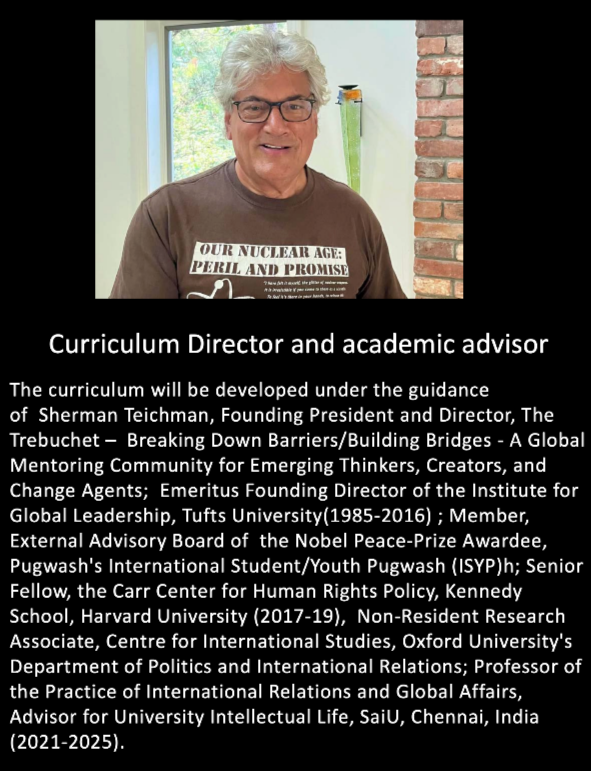
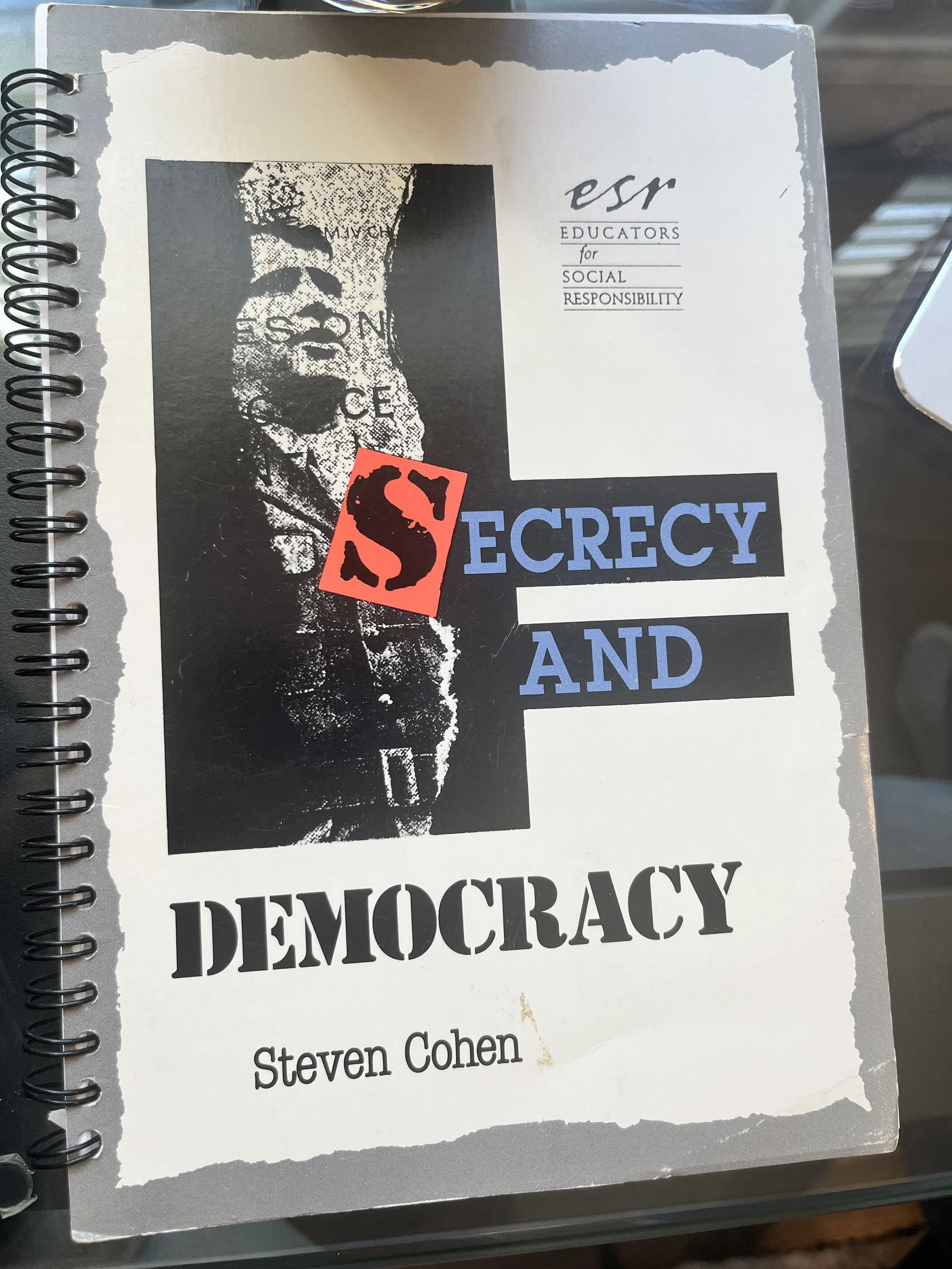
The cover image is of Colonel Oliver North, a key conspirator in the Iran-Contra covert action.