David C Logan
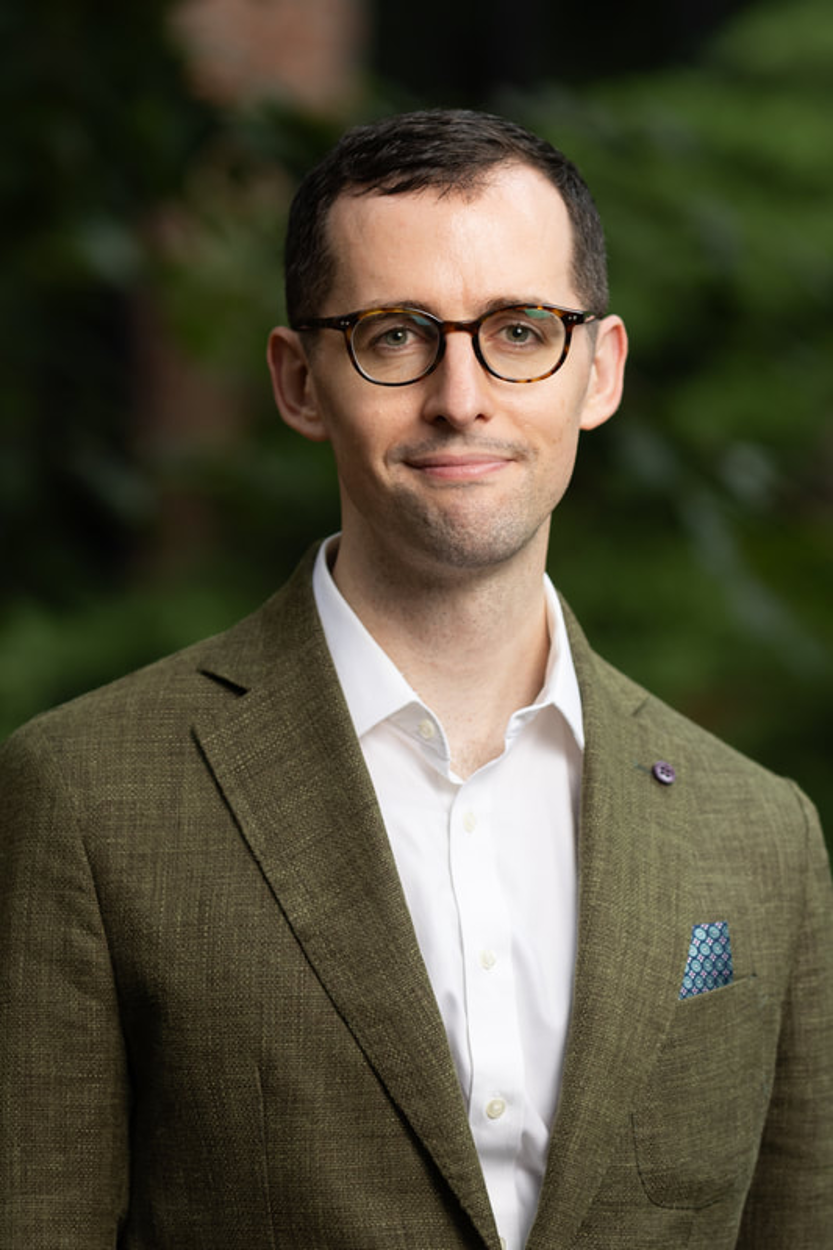
David C. Logan is an Assistant Professor of Security Studies at The Fletcher School of Law and Diplomacy at Tufts University, where he specializes in international security, nuclear strategy, and great-power competition, with a particular emphasis on China’s nuclear doctrine and strategic thought. His scholarship sits at the intersection of international relations theory and policy-relevant security analysis, and he is widely regarded as part of a new generation of scholars shaping contemporary debates on nuclear deterrence and strategic stability.
Dr. Logan received his Ph.D. in Public Affairs from the Princeton School of Public and International Affairs, where his doctoral research focused on extended deterrence, escalation dynamics, and nuclear strategy. His academic training combined rigorous theoretical grounding with extensive empirical research, including the systematic use of Chinese-language sources to analyze Beijing’s strategic worldview. Prior to joining Fletcher, he served as an Assistant Professor in the National Security Affairs Department at the U.S. Naval War College and held a prestigious Stanton Nuclear Security Fellowship at the MIT Security Studies Program, experiences that reinforced his ability to bridge academic scholarship and real-world policy concerns.
Logan’s research agenda centers on how states conceptualize nuclear weapons, deterrence, and strategic stability, with China occupying a central place in his work. He is particularly known for challenging assumptions that Chinese nuclear thinking simply mirrors Cold War–era U.S. or Soviet models. Instead, his research demonstrates that Chinese strategic culture reflects distinct priorities, threat perceptions, and escalation concerns that have important implications for U.S.–China relations. Through careful analysis of Chinese military writings, elite debates, and doctrinal evolution, he highlights how misaligned understandings of strategic stability can increase the risks of miscalculation between nuclear-armed states.
His scholarship has appeared in leading peer-reviewed journals, including International Security, Journal of Strategic Studies, International Organization, and Asian Security. Among his most influential contributions is his work on Chinese views of strategic stability, which provides one of the most comprehensive English-language analyses of how Chinese analysts interpret concepts such as mutual vulnerability, arms racing, and crisis escalation. He has also published extensively on nuclear-conventional entanglement, elite and public attitudes toward nuclear weapons, and the organizational dynamics of China’s PLA Rocket Force. In addition, he co-authored a major monograph for the National Defense University Press on the drivers of China’s nuclear force development, offering analytical tools for assessing Beijing’s evolving capabilities and intentions.
At Fletcher, Professor Logan teaches courses on international security and great-power competition that emphasize analytical rigor, strategic empathy, and the careful evaluation of both U.S. and non-U.S. perspectives. His pedagogical approach reflects his broader intellectual commitment: preparing students and practitioners to understand adversaries on their own terms rather than through mirror-imaging or ideological assumptions.
Overall, David C. Logan’s academic profile is defined by deep expertise on China, methodological rigor, and a sustained focus on nuclear risk reduction in an era of intensifying great-power rivalry. His work contributes not only to scholarly debates but also to policy discussions about how the United States and China can manage competition without drifting toward catastrophic escalation.

AI Resistance Art & Symbols of Resistance: A Visual Archive


Boston Plaza Demonstration

More…

A Graphic composed by Mentor Ehren Brav
Leveraging the power of AI image generation... Feel free to distribute - I certainly will be.

Forbes Honors Trebuchet’s Director Jennifer Selendy Among America’s Top Lawyers 2025
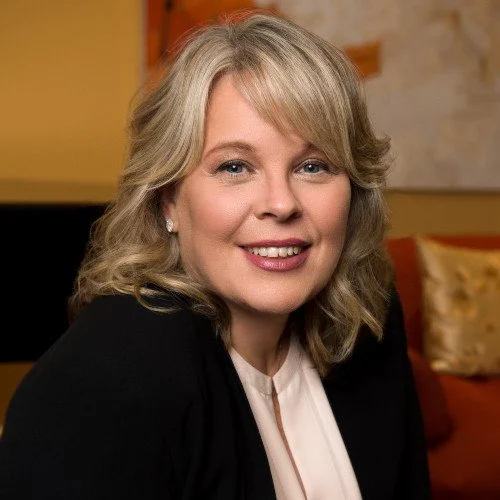
Forbes has named Jennifer Selendy, founding partner of Selendy Gay PLLC and one of Trebuchet’s two directors, to its prestigious list of America’s Top Lawyers for 2025. This recognition celebrates attorneys with exceptional legal records, reputations for excellence, and leadership in shaping the legal landscape.
Selendy was recognized for her role in high-stakes litigation. She currently represents Albertsons in a $6 billion merger dispute with Kroger and, in 2024, secured a $1.1 billion trial victory for Fortis Advisors in a landmark earnout case against Johnson & Johnson—the largest such damages award in Delaware history.
Beyond her courtroom achievements, Forbes also highlighted Selendy’s humanitarian leadership as co-founder of the 30 Birds Foundation, which has successfully relocated more than 500 Afghan girls and their families to safety in Canada.
Earlier in 2025, Forbes also recognized both Jennifer Selendy and founding partner Faith Gay among America’s Best-in-State Lawyers for their influence in the New York legal market.
Read more from Selendy Gay: Forbes Names Jennifer Selendy to 2025 List of America’s Top Lawyers
Full list on Forbes: America’s Top Lawyers 2025
Christina Goldbaum Wins 2025 Pulitzer Prize for Explanatory Reporting

Christina Goldbaum, a young journalist at The New York Times and member of Convisero, has been awarded the 2025 Pulitzer Prize in Explanatory Reporting, alongside colleagues Azam Ahmed and Matthieu Aikins. The prize honors their remarkable work in the New York Times series titled “How the U.S. Lost Afghanistan.”
The award-winning reporting reveals how the United States, years before the fall of Kabul, laid the groundwork for the unraveling of its two-decade war in Afghanistan. Through in-depth investigations and frontline accounts, the series demonstrates the consequences of misaligned strategy, internal dysfunction, and long-ignored warnings.
Explore the full Pulitzer-winning series here:
How the U.S. Lost Afghanistan

Courtesy of The New York Times
In one of the centerpiece reports, Goldbaum and colleagues gained rare access to Sirajuddin Haqqani, one of the most powerful and controversial figures within the Taliban, offering a close view into the inner workings of the regime now governing Afghanistan.
Read the story: Sirajuddin Haqqani Is a Taliban Hard-Liner and Power Broker
A Voice for Critical Truths
Goldbaum’s recognition marks a significant moment not only for foreign reporting but for a new generation of journalists pushing boundaries in international investigative work. Her reporting has consistently centered the lived realities of those caught in conflict, while critically examining U.S. policy decisions with rigor and clarity.
Goldbaum has become known for her fieldwork in difficult and often dangerous conditions. Her work in Afghanistan stands as a testament to the power of explanatory journalism to illuminate complex geopolitical failures with humanity and urgency.
For more on Pulitzer Prize winners and featured stories, visit: Pulitzer.org
To explore more of Goldbaum’s international reporting, follow her work at The New York Times
Christina Goldbaum's latest: Syria, Lebanon, and more
Recent articles, videos and podcasts from on the ground in some of the most fragile places in the world by wonderful alum and Convisero mentor Christina Goldbaum, winner of the 2025 Pulitzer Prize for Explanatory Reporting for the New York Times.
To access the latest news from her: https://www.nytimes.com/by/christina-goldbaum#latest

Engineering Diplomacy Playbook

Turning a Handbook into a Living Reasoning System
Engineering Diplomacy transforms static handbooks into dynamic reasoning systems using AI tools like NotebookLM. Shafiqul Islam experimented by uploading chapters from the Open-Source Water Diplomacy Handbook, prompting the AI to create a "Crosswalk Index" linking challenges, tools, and real-world cases across scales like community and transnational levels. The AI excelled at structuring connections and staying grounded in sources, avoiding hallucinations, but fell short by mistaking chapter titles for actual challenges and drifting toward generic "best practices" without assessing conditions for success.
AI mirrors human thinking flaws, such as prioritizing categories over precise problem diagnosis, which is vital in complex fields like water governance where uncertainty and politics intersect. True engineering diplomacy demands "principled pragmatism"—evaluating tools like Joint Fact-Finding for contextual fit, scientific credibility, empathy, and political viability before application. Cases from AquaPedia serve as a "falsification engine," testing handbook principles against real outcomes to evolve the playbook iteratively.
For more info, see the full article here: https://engineeringdiplomacy.substack.com/p/engineering-diplomacy-playbook-deb
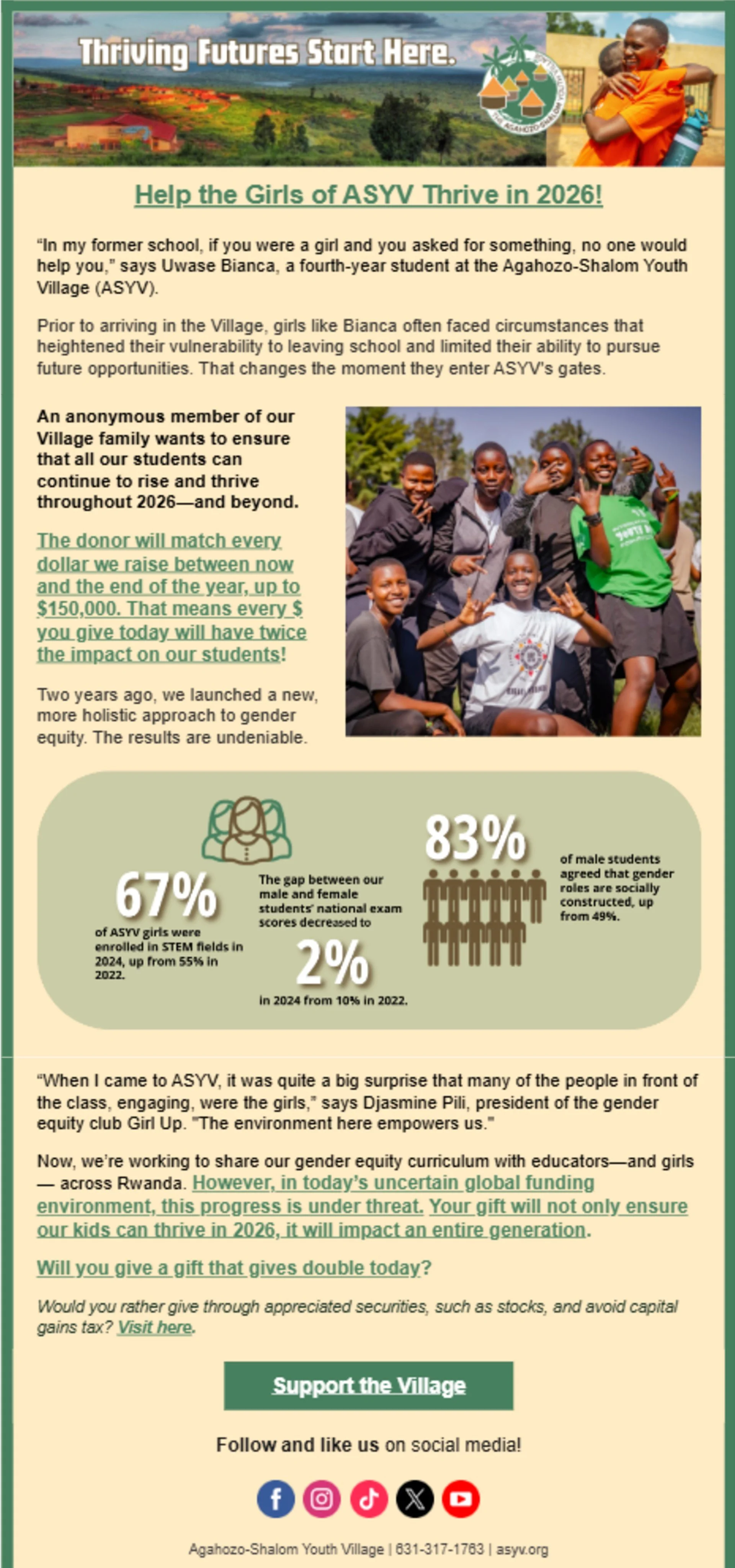
How You Can Help the Girls of ASYV Thrive
Agahozo-Shalom Youth Village (ASYV) in Rwanda offers a year-end matching challenge up to $150,000 through December 31, 2025, doubling contributions to education, leadership training, and gender equity programs for vulnerable girls facing poverty or post-genocide challenges.
Two years into a holistic gender equity approach, ASYV shares its curriculum across Rwanda amid funding uncertainties, with results including stronger futures for students and generations ahead.
Support the village here!
When Witness Becomes Action: Building a Children’s Hospital in Gaza

Dear Sherman,
Yesterday, I was moved to my core as we gathered in shared witness: listening, reflecting, and holding what it means to respond to immense human need with compassion and responsibility.
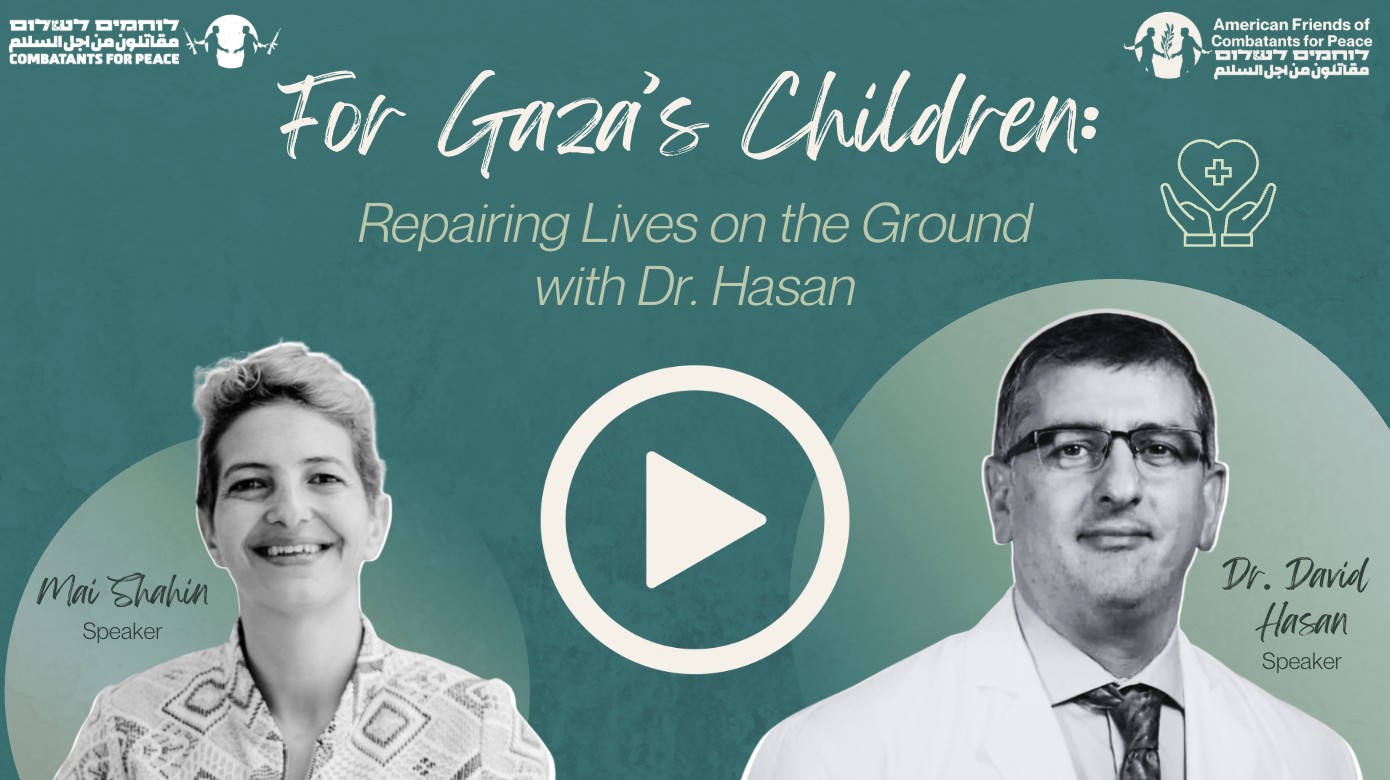
We heard from Dr. David Hasan, a Palestinian-American neurosurgeon, Duke University professor, and the founder of the Gaza Children Village (GCV). Drawing on his frontline medical missions in Gaza, Dr. Hasan spoke about the collapse of critical systems and his decision to envision something more: a community-led model of care that protects children not only in moments of crisis, but also over the long term.
He also spoke of the urgent effort underway to convert an existing facility into what will become Gaza’s only tertiary children’s hospital, a lifeline for newborns, children with injuries, and families who have nowhere to turn.
Watch and share the recording of the talk: https://www.afcfp.org/past-events-data/for-gazas-children-repairing-lives-on-the-ground-with-dr-hasan
GCV has become a refuge for orphaned and highly vulnerable children across the Gaza Strip. Today, they serve more than 8,500 children, providing safe, structured daily environments where children can learn, heal, and grow, supported by education, nutrition, medical care, and psychosocial support.

As we close 2025, we invite you to join the work of repair in Gaza by supporting GCV directly. You can learn more about their mission and support their work here: https://www.thegazachildrenvillage.org/
Thank you for being a part of the collective movement of healing, humanity, and hope. Together, we can help build a future worthy of Gaza’s precious children.
Now is the time to act. Let's grow our movement.
Oxford Debate: Hillel Neuer Calls Out Iranian Opponent for Complicity with Crimes

Last month, the Oxford Union hosted a debate on a proposition that many found startling: "Israel is a greater threat to regional stability than the Islamic Republic of Iran." UN Watch Executive Director Hillel Neuer took the opposition, presenting a detailed examination of regional dynamics, human rights records, and geopolitical realities.
In his prepared remarks, Neuer walked through the facts: Israel's network of peace treaties with Arab states versus Iran's destabilization efforts through proxies; Israel's protections for women and minorities versus Iran's systematic repression. He also directly challenged one of the debate's main proponents on his alleged complicity in regime crimes.
Read the full debate remarks at UN Watch:
Oxford Debate: Hillel Neuer Calls Out Iranian Opponent for Complicity with Crimes
Oleander Alumna Appears on Lebanese National TV and Rotarians in Hiroshima
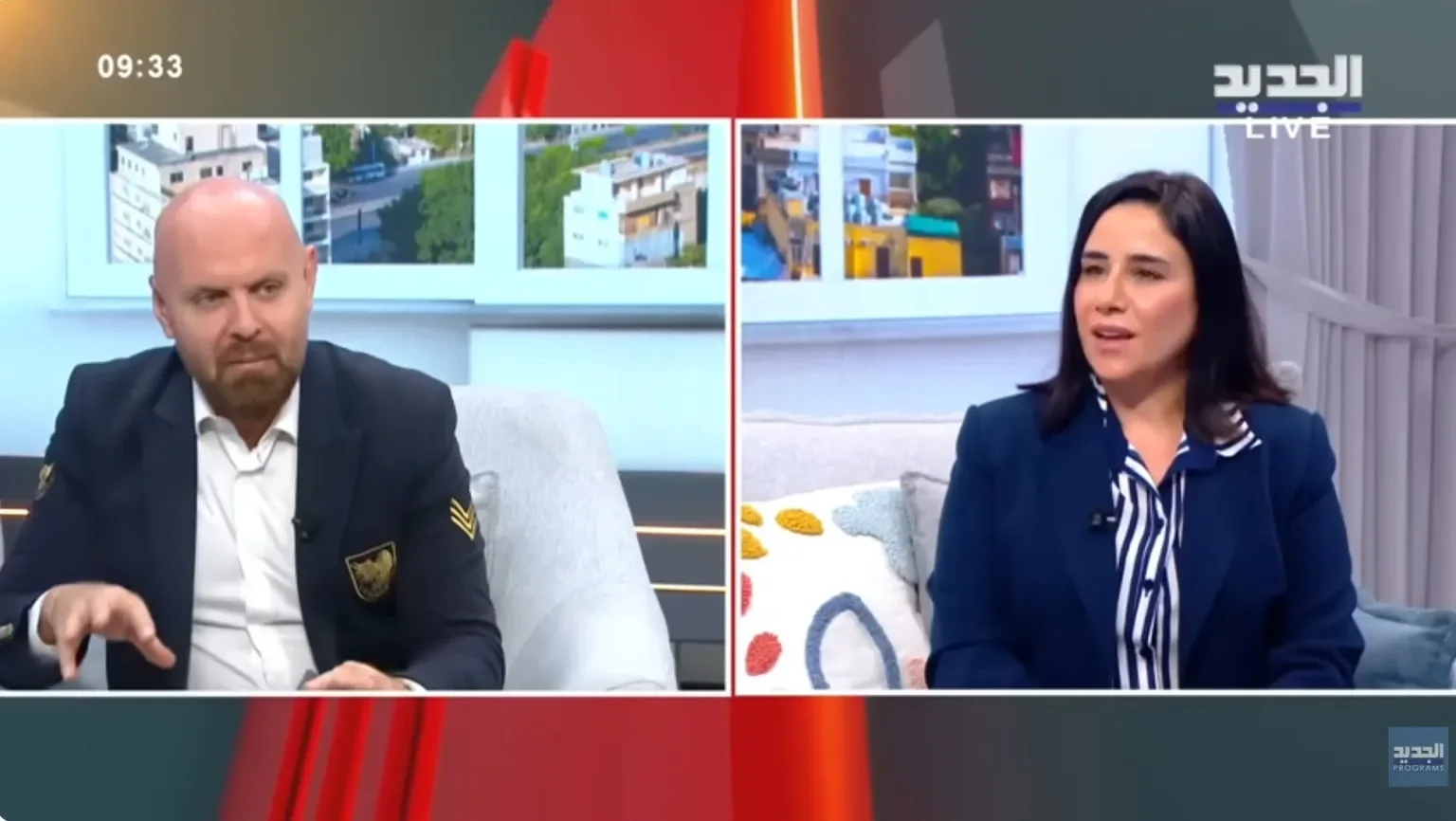
The Oleander Initiative celebrates the remarkable impact of one Lebanese educator and her students who have extended the lessons of peace far beyond their Hiroshima experience.
During February 2025, Aline, a Lebanese high school teacher, and seven of her students participated in the Oleander Resilience, Rebuilding and Peace Program in Hiroshima. Upon their return to Lebanon, they didn't stop sharing what they learned—they amplified it. Through an origami peace club and school-wide presentations, they inspired hundreds of students and teachers at their school to embrace Hiroshima's peace culture.
Last month, Aline took this mission to a national stage, appearing on four Lebanese television programs—Al Jadeed, Morning Catchy Talk, Murr Television, and OTV Lebanon—bringing the stories and lessons of Hiroshima's resilience and peace to thousands of viewers across the country.
The Oleander Initiative also celebrated the success of its October 2025 Rotary Peace Study Tour, which brought eleven Rotarians from Canada, the United States, and Russia to Hiroshima. Participants studied the culture of peace that emerged from the city's post-war reconstruction, learning valuable lessons about resilience, pacifism, and optimism to incorporate into their service work.
For the full article, visit: Oleander Alumna Appears on Lebanese National TV and Rotarians in Hiroshima – Oleander Initiative
Online International Conference on Alternatives to Solitary Confinement

An online international conference on alternatives to solitary confinement will be held on December 11, 2025, bringing together leading global experts to address one of the most critical human rights issues in incarceration systems worldwide.
Extensive research has documented the harmful effects of solitary confinement on both mental and physical health. International conventions recognize prolonged solitary confinement beyond 15 days as a form of torture and prohibit its use for vulnerable populations, including minors, pregnant women, and individuals with mental disabilities.
Despite this, solitary confinement continues to be used globally as a default measure in detention settings, often for extended periods lasting months or years. In practice, it is frequently applied as a management tool against individuals perceived as difficult, nonconforming, or targeted for abuse. In Israel, the practice persists with the consent and involvement of physicians.
PHRI’s International Project
For more than three decades, Physicians for Human Rights Israel (PHRI) has worked to end the use of solitary confinement in Israeli incarceration facilities. However, the Israel Prison Service continues to hold incarcerated individuals in prolonged isolation, including minors and people with mental disabilities.
In response to claims that viable alternatives do not exist, PHRI launched an international project in 2022, in partnership with the Italian organization Associazione Antigone, to identify practical alternatives to solitary confinement in prisons.
Experts from eight countries collaborated to develop a set of recommendations offering both short-term steps to remove individuals from solitary confinement and long-term strategies to address systemic conditions that lead to isolation practices. The guiding statement has since been presented to UN bodies, international conferences, incarceration authorities, and civil society organizations, and has been widely adopted.
Conference Details
The December 11 conference will be based on this guiding statement and is expected to be one of the most significant international events focused on alternatives to solitary confinement.
Date: December 11, 2025
Format: Online International Conference
Topic: Alternatives to Solitary Confinement
Hosted by: Physicians for Human Rights Israel (PHRI)
Program details and registration are available through PHRI.
Register here.
International Human Rights Day 2025 Programming

Human Rights Day is observed annually on 10 December, marking the adoption of the Universal Declaration of Human Rights (UDHR) by the United Nations General Assembly in 1948. The UDHR established a global framework affirming that all people are entitled to dignity, equality, and fundamental freedoms.
To mark International Human Rights Day 2025, the Carr-Ryan Center for Human Rights Policy at Harvard Kennedy School has shared a series of public events and resources focused on the relevance of human rights in today’s global and local contexts.
Upcoming Webinar: Bringing Human Rights Home
Bringing Human Rights Home: From Global Principles to Local Impact
Date: Wednesday, December 10, 2025
Time: 10:00 AM EST
Format: Online
This Human Rights Day webinar will explore how international human rights principles influence everyday life and community-level realities. The discussion will also address challenges facing multilateral institutions and pathways for making the UN and related systems more effective.
Speakers include:
Desirée Cormier Smith, Inaugural U.S. Special Representative for Racial Equity and Justice, U.S. State Department
Maggie Dougherty, Former Special Assistant to the President and Senior Director for International Organizations, National Security Council
Kelly M. Fay Rodríguez, Former Special Representative for International Labor Affairs, U.S. State Department
Jessica Stern, Former U.S. Special Envoy to Advance the Human Rights of LGBTQI+ Persons, U.S. State Department
Moderator:
Aminta Ossom, Lecturer on Law and Senior Clinical Instructor, International Human Rights Clinic, Harvard Law School
Registration is available through the Carr-Ryan Center.
Justice Matters Podcast Episode: Human Rights Day 2025
A special Human Rights Day episode of the Justice Matters podcast, titled “Rethinking Rights for a New Era,” features Faculty Director Mathias Risse in conversation with Human Rights and U.S. Foreign Policy Fellows.
Topics include pressing global human rights challenges, misinformation and repression, the effectiveness of international legal structures, grassroots movements, and guidance for young people entering the field.
Carr-Ryan Commentary: Human Rights and National Security
A new Carr-Ryan Commentary by Mathias Risse, “Reclaiming Western Identity: A Human Rights Day Response to America's New National Security Strategy,” critiques the omission of human rights from recent U.S. national security framing. The commentary argues that abandoning human rights commitments risks weakening moral authority and long-term global credibility.
Event Host
Carr-Ryan Center for Human Rights Policy
Harvard Kennedy School
Cambridge, Massachusetts
Screening Updates and December Programming from The Chelsea Gateway Project

The Chelsea Gateway Project shared updates on the ongoing screening tour of its short documentary, Chelsea, The Jewish Years, alongside upcoming December cultural programming and community initiatives.
“Chelsea, The Jewish Years” Screening Tour
The documentary premiered at the Jewish Chelsea Museum on May 18, 2025. Following the premiere, Chelsea City Manager Fidel Maltez attended a screening and later invited the film to be shown for City Hall employees and high school interns.
Over the past eight months, the film has been screened for audiences at several community and cultural venues, including:
Temple Sinai, Marblehead
Temple Israel of Boston
Chelsea Jewish Lifecare
Chelsea High School
Chelsea GreenRoots Teaching Kitchen
Chelsea Senior Center
Chelsea Black Community
Chelsea City Hall
Organizations interested in hosting a screening are encouraged to submit an inquiry through The Chelsea Gateway Project.
December Giving Month and the Jewish Chelsea Museum
The Jewish Chelsea Museum, launched in May 2024, is a small organization dedicated to preserving Chelsea’s Jewish history and partnering with local groups to celebrate immigrant experiences past and present.
Donations to the museum are tax deductible and can be made online or by mail:
Jewish Chelsea Museum
c/o Temple Emmanuel of Chelsea
60 Tudor Street
Chelsea, MA 01250
Upcoming Chanukah Event at the MFA
On December 18, the Museum of Fine Arts (MFA) will host its annual holiday party in partnership with the Vilna Shul, Boston’s Center for Jewish Culture, and Combined Jewish Philanthropies. Additional details and the full schedule are available through the MFA.
Community History Feature: Anna Brodsky
The latest newsletter also highlighted a story from Jewish Stories of Chelsea, Volume 1, featuring Anna Brodsky, who was named the “Prettiest Girl in Chelsea” in the YMHA Beauty Contest in 1926.
The feature reflects the historical role of the YMHA as a major cultural and social center for Jewish immigrant families in Chelsea throughout much of the 20th century.
More community stories are expected in upcoming newsletters, with submissions welcomed through The Chelsea Gateway Project.
Münire Bozdemir
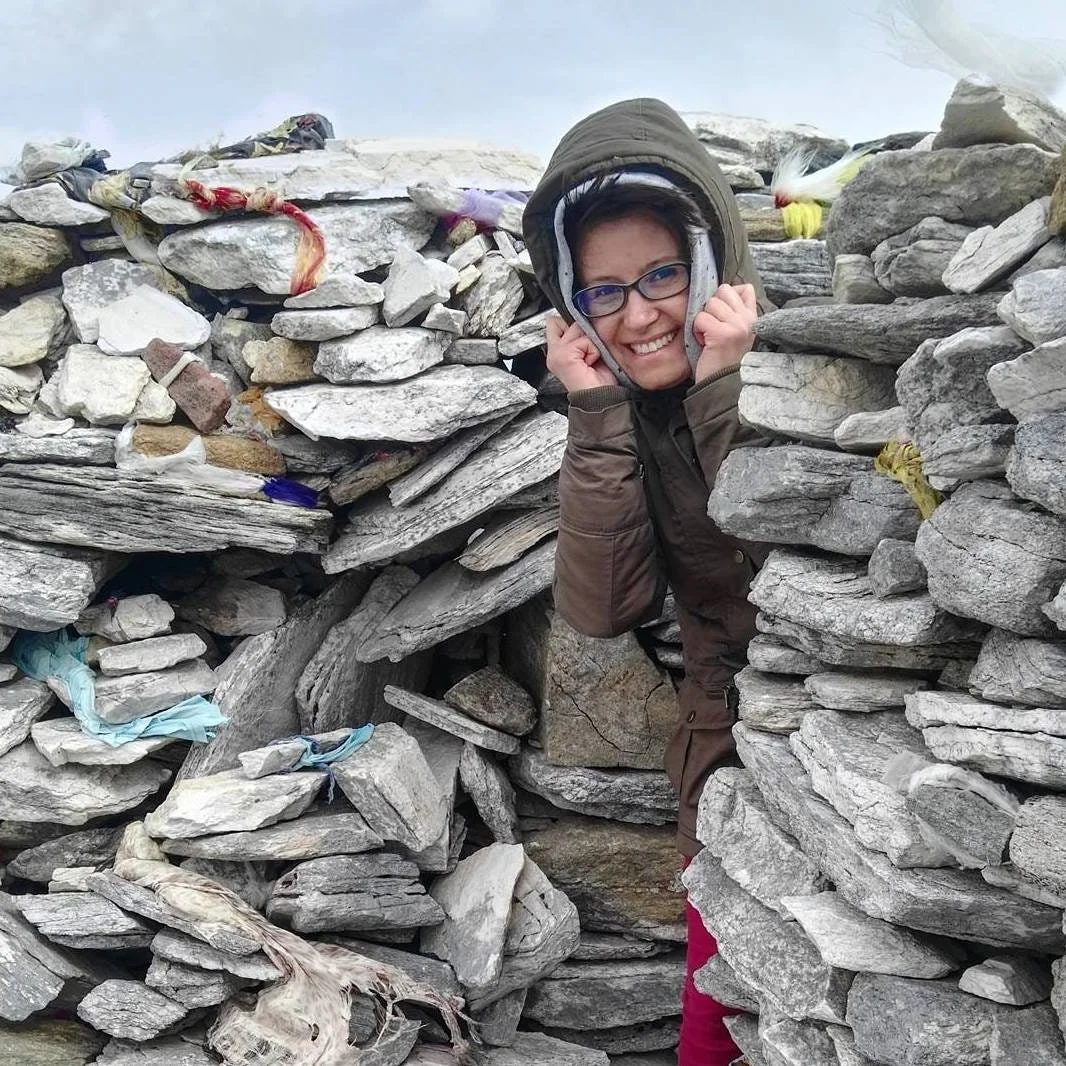
Münire Bozdemir is an Acosta Fellow (2025–2026), awarded by the Acosta Institute with support from the Kellogg Foundation for her work at the intersection of education, storytelling, and digital equity. She is a writer, educator, and has been working on developing MyMoon Mixed Media Storytelling, a creative platform that transforms early childhood STEM content into multilingual, interactive storybooks aimed at increasing language access and narrative engagement among children and families around the world.
With over a decade of teaching experience across the U.S., China, and Turkey, Münire currently lectures in Communication and Integrated Media Arts at Juniata College. Her courses—ranging from Intercultural Communication to Digital Storytelling, Media Studies, and First-Year Writing through Miyazaki Films—reflect her interdisciplinary approach to teaching and her commitment to creative, inclusive, and globally conscious pedagogy. She also mentors student research on topics such as interactive journalism, empathy in news narratives, and historical crime reporting in small-town newspapers.
A firm believer in the social power of storytelling, Münire organizes monthly Moth-style story events in central Pennsylvania and has led international science writing and creative writing workshops with students and faculty in China, Turkey, and the U.S. Her projects have been supported by the PA Arts Council, the Turkish American Society’s Moon and Stars Project, and Penn State’s LaunchBox Accelerator. She has also designed faculty workshops on intercultural communication, created traveling, story-based ESL classes, and collaborated with educators worldwide to help make scientific, cultural, and emotional knowledge more accessible through story.
Her work asks how stories move across borders—linguistic, political, disciplinary—and how they can be used to bridge differences, deepen empathy, and design more inclusive futures.
Explore her projects at mymoonstories.com and humanlandscapes.
Meeting Lina was a consequence of Convisero working, as I was introduced to her by Sarah Roy. In our conversations, I was extremely impressed by her courage and sustained efforts on behalf of democracy in Syria. With her permission, I have entered her and her concept note here as I will be distributing it to many of our community who I expect will help her. Welcome Lina!
Lina Chawaf
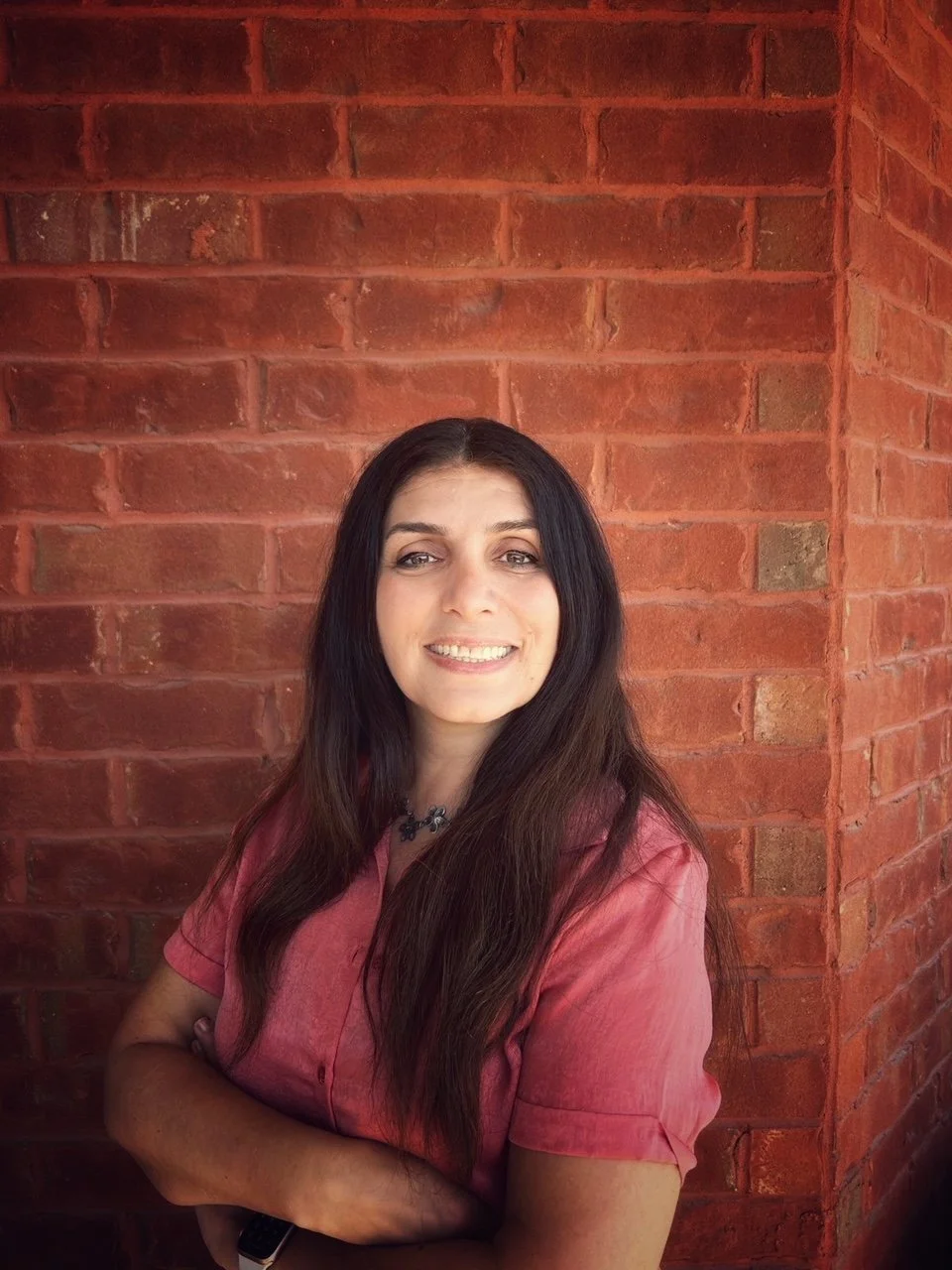
With a career spanning over three decades to give voice to voiceless especially women, I’ve had the privilege of working across TV, radio, and print media since 1992. I’ve created hundreds of TV commercials and numerous clips for UNICEF, and I’ve been deeply involved in the media landscape, establishing two radio stations in Syria, including Arabesque, where I served as the Program Manager for seven years.
My work has extended to writing for newspapers like Baladna in Syria and Almoustakbal in Canada, as well as magazines such as Shabablek and Sabaya in Syria.
Recognized writer for the international media like Washington Post, Globe & Mail, Boston Globe, etc.
As a media consultant with IMS in the Middle East, I’ve been part of several initiatives, including founding radio stations in conflict zones like Libya, Yemen, and Syria.
Training thousands of Arab journalists and media workers. Coaching tenths of media leadership in conflict areas. Public speaker in tenths of conferences, workshops and international events.
One of my proudest achievements is founding Rozana Radio in Paris, a station supported by international organizations that now operates in Paris, Gaziantep, and Syria. I also served as the President of CMFE, advocating for human rights, women’s rights, and freedom of expression through media.
In recognition of my efforts, in fighting for human rights and especially the women ones, I received the 2018 Reporters Without Borders’ Press Freedom Award. Additionally, I’ve shared my knowledge as a teacher at ESJ (Ecole Supérieure de Journalism) in Paris, France.
I got the Nieman fellowship from Harvard for 2024-2025
I 'm a visiting researcher in CMES @Harvard doing research about Women Leadership in Conflict
A visitor Fellow @TUFTS
I'm writing my memoir starting a workshop "Memoir Generator" @GrubStreet
Concept Note: Establishing an Independent Institute for Syrian Research and Studies
Project Title
Establishing an Independent Institute for Syrian Research and studies: A Collaborative Initiative for Evidence-Based Studies, Dialogue and exchange.
Background and Rationale
14 years into the Syrian conflict, the country continues to face deep politic, social, and economic fragmentation. Despite its regional significance, Syria lacks independent scientific and policy-oriented research institutions even for 50 years. Academic research has been heavily restricted, leaving a void filled by external and often politicized analyses. This initiative aims to establish the first Independent Institute for Syrian Research and studies, a platform for rigorous, locally grounded research, open academic dialogue, and informed policymaking.
Purpose of the Initiative
The proposed Institute will serve as an independent, non-profit academic hub dedicated to producing multidisciplinary research on Syria’s science, economic, social, and cultural realities. It seeks to advance free inquiry, promote inclusive dialogue, and empower the next generation of Syrian researchers and students to shape evidence-based policies.
Objectives
- Promote independent, field-based research on Syria’s evolving social and academic structures.
- Create academic opportunities for Syrian scholars and youth to contribute to policy discussions.
- Preserve and digitize Syria’s cultural and historical archives for scholarly use.
- Foster partnerships with universities and international academic institutions ensure high research standards and global engagement.
- Serve as a objective platform for dialogue and knowledge exchange among scholars, policymakers, and civil society actors.
Proposed Collaboration with Academic Institutions
The initiative seeks partnerships with leading universities and research centers specializing in conflict studies, public policy, and social sciences. Such collaborations will strengthen academic credibility, enable knowledge exchange, and ensure the dissemination of research outcomes to global audiences.
Areas of Collaboration
- Joint research programs on governance, peacebuilding, and regional dynamics.
- Faculty and student exchanges supporting the capacity development of Syrian researchers.
- Collaborative publication of research papers, policy briefs, and thematic studies.
- Organization of international dialogue forums bringing together scholars and policymakers.
- Support for training modules in conflict-sensitive research, media, and policy communication.
Expected Outcomes
- Establishment of the first Independent Institute for Syrian Research and studies:.
- • Enhanced production of evidence-based research to inform peacebuilding and governance.
- • Improved cooperation between Syrian and international academic communities.
- • Strengthened role of research and studies in promoting dialogue, social cohesion, and institutional reform.
Implementation Approach
The initiative will follow a phased implementation approach, beginning with the establishment of an advisory board, a core research team, and partnerships with university and academic institutions. A digital platform will serve as a hub for publications, dialogue, and archiving efforts. The approach emphasizes collaboration, transparency, and academic independence.
Conclusion
By supporting the creation of an Independent Institute for Syrian Research and studies: partner universities and research centers will contribute to rebuilding the intellectual foundations necessary for peace, governance, and sustainable development in Syria. This initiative represents a unique opportunity to advance academic freedom, foster evidence-based policymaking, and promote cross-cultural dialogue.
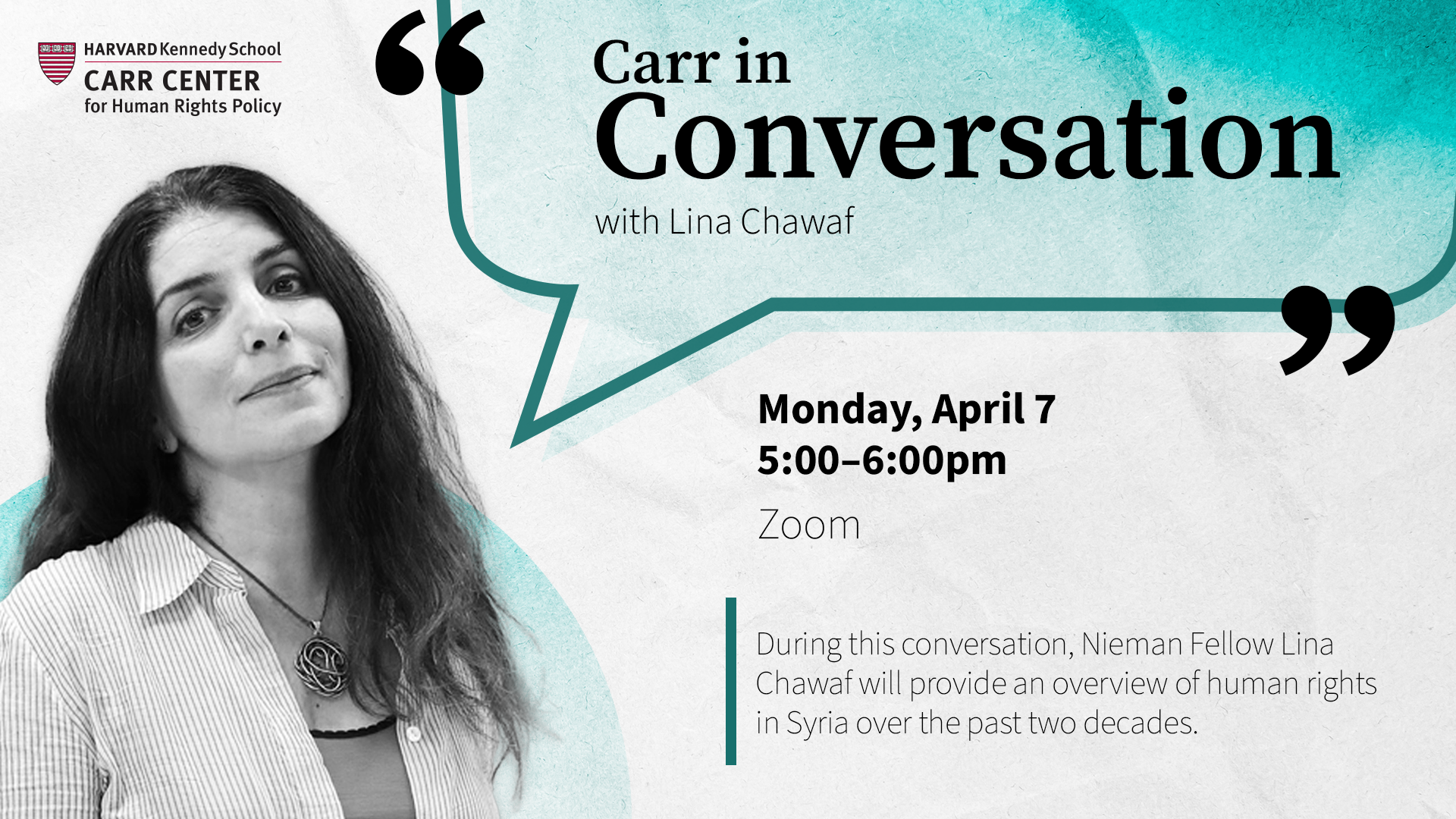
Carr in Conversation with Lina Chawaf
During this conversation, Nieman Fellow Lina Chawaf will provide an overview of human rights in Syria over the past two decades. She will highlight the experiences of Syrian journalists who faced arrest, torture, and death at the hands of the Assad regime for their reporting on human rights violations. Chawaf also will examine the evolving status of women's rights, tracing their development from the onset of the Syrian Revolution to the present day.
Event Details:
Date & Time: Monday, April 7, 2025, 5:00-6:00pm EST
Format: Online via Zoom
Host: Carr Center for Human Rights Policy, Harvard Kennedy School
Recording: https://www.youtube.com/watch?v=Bh1H6MFiLgg
Rick Berry

Rick Berry is a singular American artist — a pioneer whose work connects the history of figurative painting to the birth of the digital age.
Raised on comics, album covers, and whatever visual culture the street threw at him, Berry left school at seventeen and entered the world of underground comics as a self-taught artist. He never stopped innovating. Working from the Boston region, he has built a career that has fused oils, charcoal, digital painting, popular media, and classical technique into a visual language that feels both ancient and futuristic.
Rick Berry is internationally recognized as one of the earliest true new media innovators.
He is credited with creating the world’s first digitally painted book cover, for William Gibson’s landmark cyberpunk novel NEUROMANCER in 1984 — a moment that art historians now cite as a turning point in the evolution of digital art as a serious medium. He later collaborated directly with Gibson and with film and media studios, including serving as part of the three-man team that conceptualized and produced the award-winning climactic CGI sequence for Sony Pictures’ Johnny Mnemonic, bringing cyberpunk aesthetics into film at a formative moment in its history.
Over the decades, Berry’s work has appeared on book jackets, in galleries, in performance pieces and experimental installations, on album covers, and in media productions. The throughline is constant: Rick Berry insisted — from the very beginning — that the digital realm was not a gimmick, but a canvas. And he treated that canvas with the seriousness and painterly ambition of a master draftsperson.
Rick Berry’s career is a study in artistic courage. Self-made, self-taught, and decades ahead of the curve, he helped open the door to what the world now takes for granted — that digital art can be as tactile, as intimate, as narrative, and as emotionally human as the most traditional brush on linen.
Rachel Brown
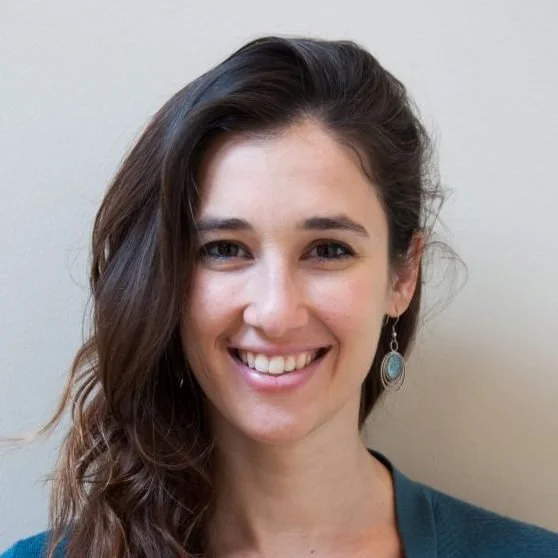
Rachel Hilary Brown is a visionary leader in strategic communications for peacebuilding whose work has changed how practitioners, policymakers, and communities prevent identity-based violence. A Tufts University graduate in International Relations, Rachel began translating academic research into practical tools while still a student through her engagement with the Institute for Global Leadership (IGL) at Tufts — including early peacebuilding and communications initiatives that directly shaped her career-long focus on how civic communication can reduce the risk of electoral and communal violence.
After Tufts, Rachel moved to Kenya and founded Sisi ni Amani–Kenya (SNA-K), an NGO that pioneered the use of community-focused SMS and civic engagement campaigns designed to interrupt rumours and reduce the likelihood of election-related violence. Her model combined field research, audience segmentation, and rapid message design to equip local communities with tools to act faster than rumours and inflammatory speech — an approach that became the laboratory for her strategic theory of “dangerous speech.”
Building on that fieldwork, Rachel authored Defusing Hate: A Strategic Communication Guide to Counteract Dangerous Speech, published through the United States Holocaust Memorial Museum (USHMM) — Simon-Skjodt Center for the Prevention of Genocide. The guide reframes the problem from abstract debates about “hate speech” to a pragmatic, audience-focused method of preventing speech that raises the risk of mass harm — offering tools for audience analysis, message framing, medium selection, and speaker strategy now used by governments, NGOs, and community groups worldwide.
Rachel has been recognized repeatedly for the impact and innovation of her work. She was named a PopTech Social Innovation Fellow (2012); served as a Genocide Prevention Fellow at the United States Holocaust Memorial Museum (2014); and has been invited to speak and advise at institutions including MIT Seminar XXI, Columbia University’s Journal of International Affairs, the United States Institute of Peace, and national and international conferences on conflict prevention and communications. She also founded Over Zero, an organization devoted to building resilience to identity-based harm through strategic communication.
Her honors and recognitions highlight both innovation and leadership: media profiles, keynote invitations, fellowships, and civic awards that reflect her dual commitment to applied research and community impact. In short, Rachel Brown has moved from student research at Tufts’ Institute for Global Leadership to global influence — transforming analytic insight into tested, scalable practice for protecting vulnerable communities.
Rachel’s personal note to Sherm :
“Sherm, without the opportunities to challenge my ideas of the world, dive deeply into books, travel and ideas and history and research and on and on, I would not have begun the journey that led me to write this book.
There are opportunities created by you through EPIIC & the IGL, and for which I am forever grateful.
I hope you enjoy the truly interdisciplinary pursuit here — an initial attempt to bring insights and learning across sectors & geographies together on this important subject.
With love,
Rachel.”
Beth Bishop

Beth Bishop is a dynamic, nationally recognized transformational fitness leader, entrepreneur, and health and wellness consultant whose career has bridged the worlds of elite athletic discipline, global leadership education, and the culture-making innovation of Los Angeles’ performance and training community.
Bishop is best known as the former CEO and Owner of The Phoenix Effect, the highly respected fitness and wellness company in Los Angeles known for its community-building, strength-driven, deeply body-positive training culture. As a personal trainer, group instructor, and executive, she built programs that not only strengthened bodies, but also helped hundreds of people step into confidence, power, identity, and sustainable long-term physical practice. She has since expanded her platform as a keynote speaker and as a highly sought-after independent Health and Wellness Consultant advising leaders, organizations, and community groups. Her roots in resilience and high performance go back to Tufts University — where she earned her bachelor’s degree in Political Science and German in 2006. While at Tufts, Beth was not only a scholar — she was a full multidimensional athlete + global studies practitioner:
• EPIIC 2006 — core student in the colloquium: The Politics of Fear
• Traveled to Abu Dhabi, UAE to attend the “Women as Global Leaders Conference”
• Performed as Alice Fisher in the Senate mock hearing on the Patriot Act at the Law Library of Congress in Washington, DC
• Tufts Women’s Varsity Swim Team
• Tufts Marathon Team — ran her fourth marathon in Vermont while still a student
• Awarded a Fulbright Scholarship and went to Hamburg, Germany following graduation
That combination — scholar of political power and fear, endurance athlete, global leadership fellow, and then Fulbright Scholar — foreshadowed her later philosophy that physical training can itself be a site of social impact, radical self-determination, and mental liberation.
Today, based in Los Angeles, Beth Bishop continues to expand the meaning of health leadership — crossing the boundaries between mind, body, emotional cognition, identity formation, and community belonging. She is admired as an inspirational speaker, a builder of inclusive fitness culture, and a rare voice who has lived in both worlds — international public policy and micro- level human transformation.
She embodies — in one career — the ethos that Tufts and the IGL sought to instill: intellectual courage, global awareness, and a fearless commitment to strengthening the human condition — literally and metaphorically — one person, one class, one community at a time.
Mark Munger
Mark Munger is a distinguished global practitioner, educator, and innovator in the Positive Deviance (PD) movement – the globally recognized approach to complex social change developed originally in partnership with Tufts University’s Institute for Global Leadership. For more than two decades, his work has helped establish Positive Deviance not merely as a method, but as a moral orientation to problem-solving: solutions already exist in the community, among the least expected groups, and the work is to discover, amplify, and operationalize them.
His involvement with Tufts IGL and EPIIC circles back to the era when the Positive Deviance Initiative was housed at the Institute for Global Leadership. Through that nexus, Mark worked with generations of students, faculty, and public sector partners, advancing PD as a rigorous alternative to top-down expertise. He became an influential mentor and collaborator inside the IGL community, particularly in areas where complexity science, social change, and field-based learning intersected.
Today, his portfolio is both global and local – and always anchored in lived systems.
Mark is currently leading a major effort funded by the Bill and Melinda Gates Foundation to transform classroom practice in Long Beach, California by discovering what outlier teachers are doing right, and scaling that learning systemically. He continues his work in Denmark, originally through the Ministry of Justice, now expanding into mental health, drug use, and corrections. Denmark’s deep democratic reflex – the reflex of believing citizens already possess the capacity to solve their own problems – makes Positive Deviance a particularly resonant method there. That partnership has now led to the founding of the Positive Deviance Academy of Denmark, in alignment with the Copenhagen Business School.
Closer to home, he is currently working with Novartis Oncology to examine how PD can strengthen the design and execution of clinical trials for widespread disease and raredistributed clinical states. His newest frontier is applying PD to food sourcing and food preparation in low- income communities, both rural and urban – bringing the method full circle to everyday survival challenges.
His intellectual network spans complexity science communities including Plexus Institute, where he has helped advance method, narrative, and praxis in human systems.
Mark is also a teacher of teachers, and a mentor of leaders. He is known for his generosity, his reflective spirit, his curiosity, and a deeply democratic professional ethic.
His educational background includes advanced study in public policy, organizational behavior, and social systems – training that he has consistently translated into field practice rather than theory.
He and his wife Kate are based part of the year in midcoast Maine, in an old farmhouse that has become a gathering space of children, grandchildren, and colleagues. Their daughter Amelia is a litigator in New York, their daughter Hannah teaches fourth grade in Brooklyn, and their son Will is a chef in Portland, Maine.
Through it all, Mark remains in active dialogue with students, with Tufts IGL alumni, with EPIIC alumni, and with systems that are under pressure. He remains a builder of capacity, a discoverer of hidden solutions, a translator across disciplines, and a champion of democratic problem-solving.
His enduring contribution is simple but profound:
Mark Munger believes that the world’s most intractable problems cannot be solved by hiring smart outsiders – but by revealing and learning from the invisible brilliance already alive inside the community itself.
Srdja Popovic

Srdja Popovic is a global educator, strategist, and the cofounder and long time leader of the Centre for Applied Nonviolent Action and Strategies, known as CANVAS, an international training and resource organization that teaches activists how to plan and execute nonviolent social movements. Under his stewardship CANVAS has trained and advised activists from dozens of countries and produced widely used manuals and curricula on nonviolent struggle.
Popovic first came to international attention as a leader of the student movement Otpor, the movement that helped end Slobodan Milosevic’s rule in Serbia in 2000. He subsequently served a term in the Serbian National Assembly, and then focused on education, scholarship, training, public speaking, and writing about people powered change. He is the author of books and practical guides on nonviolent strategy, and he has been a frequent speaker and visiting teacher at universities and policy forums worldwide.
Popovic has been recognized repeatedly for the practical impact of his work. In February 2016 Tufts University presented CANVAS and Popovic with the Jean Mayer Global Citizenship Award, an honor that recognizes moral courage and global public engagement. He was elected Rector of the University of St Andrews in 2017, a student-elected office he held through 2020, and his work has been honored with prizes and lists including selection as a World Economic Forum Young Global Leader and the Penn State McCourtney Institute Brown Democracy Medal.
Education, teaching, and public engagement are central to his profile. Popovic studied at the University of Belgrade, and in later years he has taught courses and given seminars at institutions such as Harvard Kennedy School, and he is a frequent invited lecturer at conferences, TED and major policy forums. His public-facing scholarship combines tactical manuals for activists with analytical reflections on the ethics and practice of nonviolent struggle.
Tufts has engaged with Popovic and CANVAS in multiple ways. In addition to presenting him and CANVAS with the Jean Mayer Global Citizenship Award, students affiliated with the Institute for Global Leadership have worked directly with Popovic and CANVAS through internships and research placements; for example a Tufts Oslo Scholar reported a summer research internship working with Popovic and CANVAS in Belgrade while participating in IGL programs. These interactions illustrate a concrete link between Popovic’s practical teaching and Tufts students’ experiential global learning.