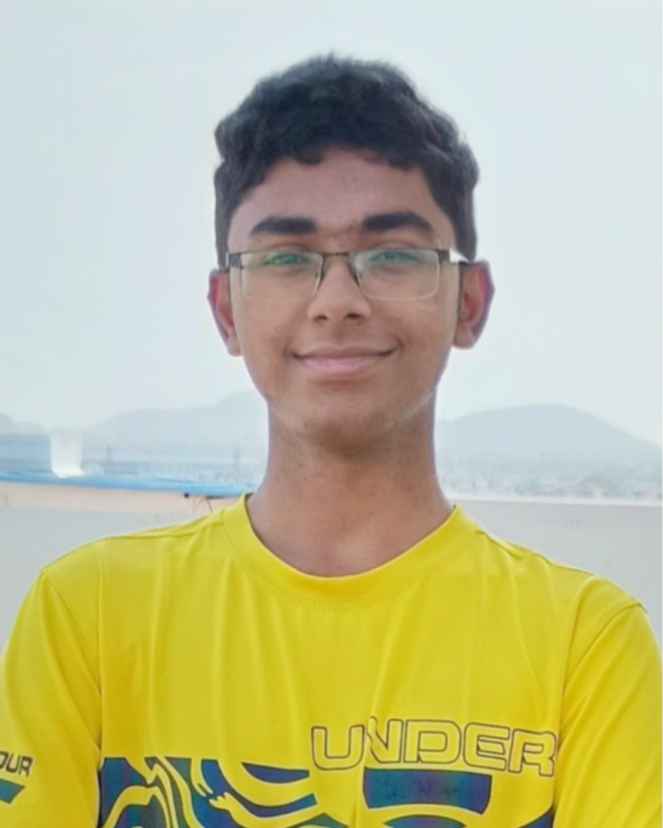
Abhinav Mohan Kumar

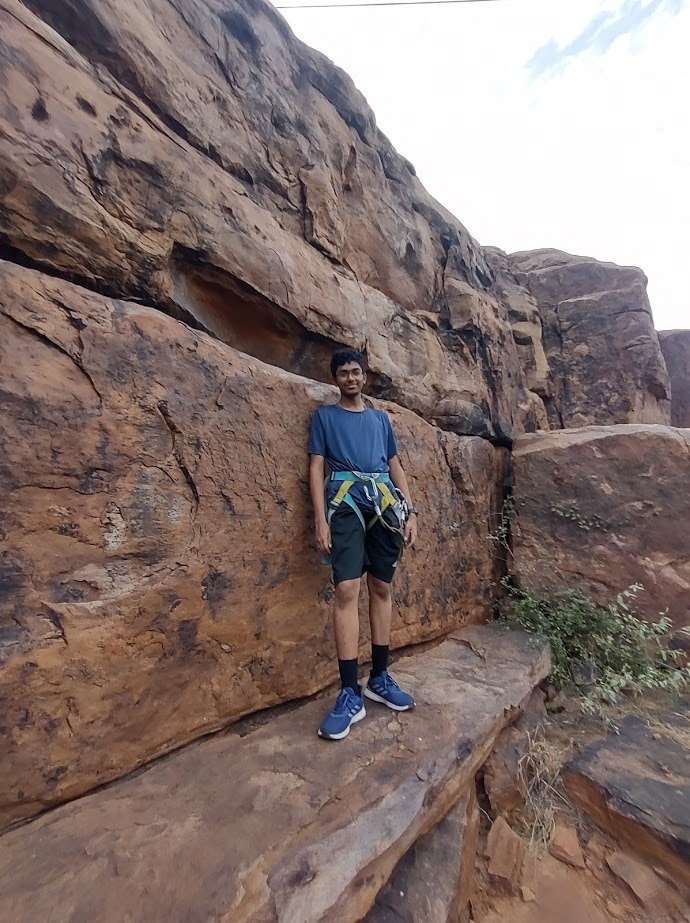
Rappelling at Gandikota
I am Abhinav Mohan Kumar, a sophomore at Sai University in Chennai, India, majoring in Computing and Data Science. Driven by curiosity, I am passionate about learning across disciplines and love exploring new things, challenging perspectives—both mine and others’—and growing intellectually.
My academic interests span a wide spectrum as I value a multidisciplinary approach to understanding things. While my primary focus is on computer science and cognition, I am equally fascinated by economics, philosophy, finance, history, linguistics, music, psychology, and international relations. My journey into international relations led me to an enriching experience with Sherman Teichman, whose courses I had the pleasure of attending for two semesters. His mentorship broadened my perspective and deepened my appreciation for cross-disciplinary learning. Beyond academics, I have a diverse range of interests. I enjoy playing badminton and swimming, and I am an avid fan of racing and often participate in sim races. Additionally, I love watching movies and TV shows, particularly Star Trek, which explores various complex scientific and social themes.
I am grateful for the opportunity (and excited) to be part of the Trebuchet community, where I hope to contribute to meaningful initiatives. I look forward to learning from and collaborating with peers and mentors, and to making a positive impact.
Supporting Journalism that Builds Peace, Not Polarization

Amanda Ripley
Polarization is no longer just a cultural concern — it has become a structural threat to democratic societies. When public discourse loses its nuance, trust erodes, and collective problem-solving becomes more difficult. In such times, journalism plays a critical role in bridging divides. This is the core mission of Making Peace Visible (MPV).
MPV works to amplify the efforts of journalists who cover conflict with complexity and depth. These are reporters who refuse the simplicity of binary narratives and instead bring clarity to how conflicts arise — and more importantly, how they can be resolved.
Elevating Journalism That Interrupts Conflict

Daniel Sagar
American journalist Amanda Ripley has been a leading voice in understanding “high conflict” — persistent and identity-driven disputes that escalate through outrage and fear. Her work sheds light on the media’s role in either inflaming or de-escalating tensions. Through training programs and fieldwork, Ripley encourages journalists to move away from “us vs. them” narratives and to ask more constructive questions that foster civic dialogue.
In Colombia, journalist Daniel Salgar reported on the reintegration of former FARC fighters following the 2016 peace accord. His coverage moved beyond the traditional enemy-versus-hero framework and helped create space for reconciliation and inclusion. His storytelling exemplifies journalism’s capacity to support peacebuilding.
A Call to Support Peace-Focused Journalism
This July, MPV is aiming to raise $40,000 to expand its work. A 3-to-1 matching donation offer means each contribution will be tripled. Funds raised will directly support:
Journalists producing in-depth, underreported stories on peace and conflict transformation through the MPV Story Awards
Public symposia and gatherings that connect journalists with peacebuilders to reframe how stories are told
The Making Peace Visible podcast, which brings solutions-focused journalism to audiences in over 120 countries
In a time of rising division, investing in journalism that makes room for nuance and reconciliation is a step toward safeguarding democratic values.
About Making Peace Visible
Founded by Jamil Simon, MPV is a US-based 501(c)(3) nonprofit dedicated to reshaping how conflict is reported. Donations are tax-deductible as allowed by law.
For more information or to contribute to MPV’s mission, visit Making Peace Visible.
Legal and Humanitarian Reflections on the Gaza Crisis
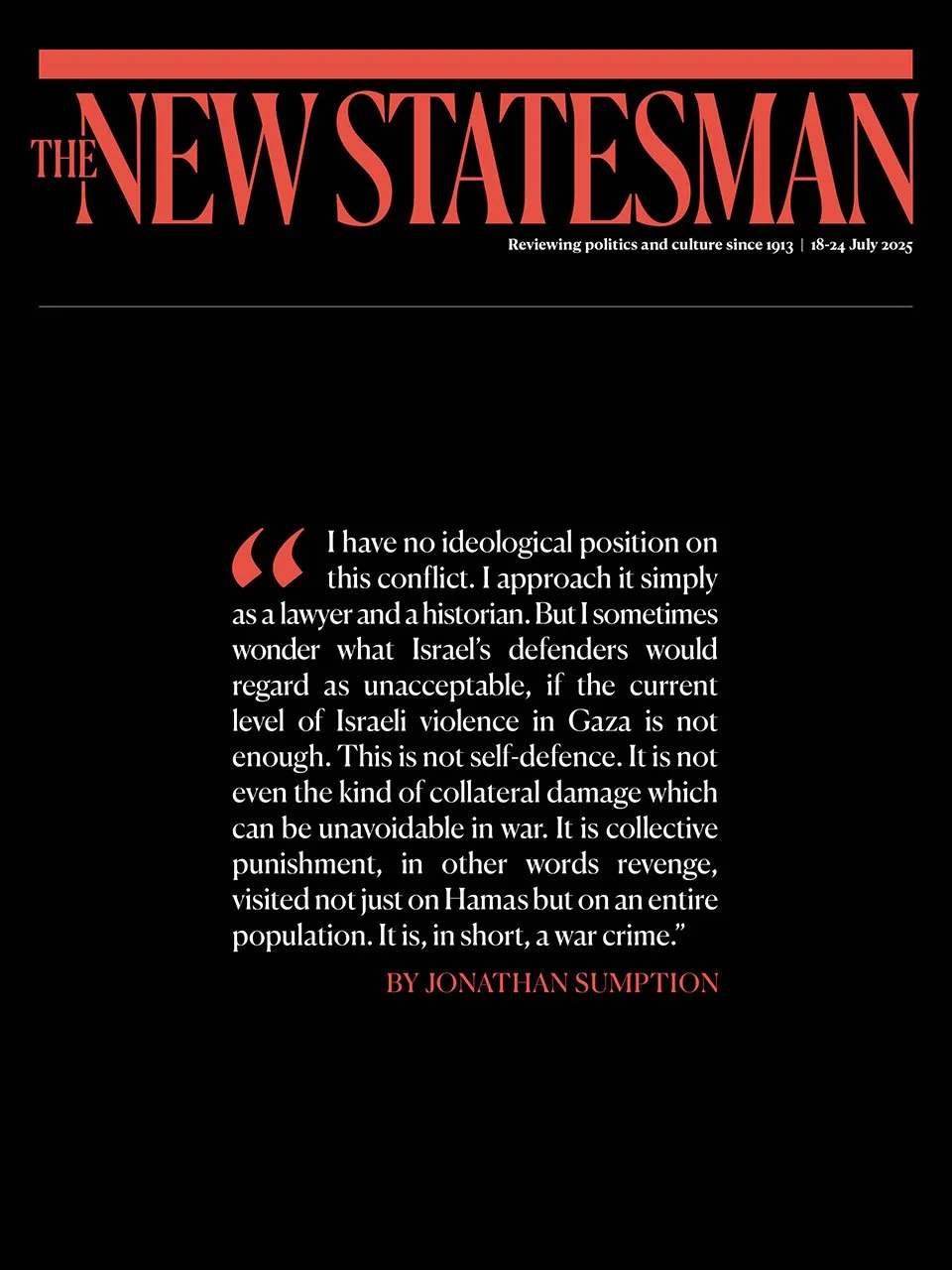
In a recent essay published by The New Statesman, legal historian and former UK Supreme Court justice Jonathan Sumption offers a powerful critique of Israel's ongoing military actions in Gaza, situating the conflict within the frameworks of international law and humanitarian standards. Sumption states that his analysis is not driven by ideology, but by the standards of legal and historical inquiry.
He begins by highlighting that Operation "Gideon’s Chariots" — launched by Israel in May 2025 — demonstrates a pattern of collective punishment against Gaza’s civilian population. While Israel claims to be targeting Hamas, Sumption argues that the scale and manner of its military actions go far beyond proportional self-defense and amount to collective retribution.
International Law and War Crimes
Sumption outlines key provisions of international humanitarian law, particularly the Geneva Conventions, which prohibit targeting civilian infrastructure, displacing populations, and using starvation as a method of warfare. He asserts that Israeli operations in Gaza have violated several of these provisions. The destruction of hospitals, residential buildings, water systems, and the restriction of humanitarian aid are all cited as breaches of established legal norms.
He also notes that the International Criminal Court has issued arrest warrants for Israeli officials and that international bodies, including the United Nations and several Western governments, have openly criticized the conduct of the Israeli military.
Genocide and Displacement
One of the central questions in Sumption’s essay is whether Israel’s actions amount to genocide. While genocide requires the intent to destroy a group in whole or in part, Sumption points to statements made by senior Israeli officials advocating for the displacement of Palestinians as potential evidence of such intent. These, he argues, are not isolated political remarks but reflect broader government policy, including proposals to build internment camps and displace Gaza’s population to third countries.
According to Sumption, the scale of destruction — with over 57,000 Palestinian deaths reported, most of them women and children — along with deliberate restrictions on aid, signals a campaign not only against Hamas but against the civilian population as a whole.
Consequences and the Future
Sumption warns that such strategies are not only legally indefensible but strategically flawed. He suggests that even if Hamas were to be physically dismantled, its ideology — rooted in the lived experience of oppression — would endure. Lasting peace, he argues, can only be achieved through a political solution that acknowledges the rights and attachments of both Israelis and Palestinians to the land.
The article concludes by rejecting the binary framing of the conflict that equates criticism of Israeli policy with anti-Semitism. Drawing from historical examples and legal precedent, Sumption urges the international community to uphold humanitarian standards universally — whether in Gaza, Ukraine, or elsewhere.
Mid-Year Check-In for Fundraising and Social Impact Goals
As we pass the midpoint of the year, it is an ideal time for nonprofit and social impact teams to pause and conduct a strategic review of their progress. A mid-year check-in offers an opportunity to evaluate what has been accomplished so far and determine whether current strategies remain aligned with overarching goals.
Organizations are encouraged to reflect on the fundraising or corporate social impact objectives set at the beginning of the year. Key questions to guide this process include:
What initiatives or strategies have proven effective so far?
What should be scaled or emphasized further?
Are there important actions or approaches not currently in place that should be initiated?
What should be discontinued or revised based on current outcomes?
Following this review, teams should assess whether their existing goals and strategies require adjustments. This may involve redefining specific targets, reallocating resources, or revising timelines. Importantly, any updated approach should be followed by clearly defined next steps, with roles assigned and deadlines established.
Additionally, teams are encouraged to seek external input to help validate or challenge internal assumptions. This can be particularly useful when shaping new strategies or entering unfamiliar territory.
For those exploring grant funding, it is important to note that identifying potential funders is only one part of the equation. A strategic approach, coupled with the right skills, is essential for turning potential into actual funding. A free masterclass is available to provide insight into this process, offering guidance on what it truly takes to secure grants effectively. [Watch here]
Nonprofit professionals and social impact leaders seeking more guidance can subscribe to regular updates and tools, or share this information with colleagues who may benefit from a structured approach to planning and fundraising.
Social Impact Compass: www.socialimpactcompass.org
From Oscars to the Trenches: Mstyslav Chernov’s Haunting Return to Ukraine’s Frontline

Mstyslav Chernov
Following the global success of 20 Days in Mariupol, acclaimed Ukrainian journalist and filmmaker Mstyslav Chernov returns with a powerful new documentary, 2,000 Meters to Andriivka — a raw, intimate portrait of war as lived by the Ukrainian 3rd Assault Brigade.
Filmed at the height of Ukraine’s 2023 counteroffensive, the documentary chronicles a deadly mission to liberate the village of Andriivka in Donetsk. The route: a harrowing 2km stretch through exposed terrain and dense woods, captured through bodycams and frontline footage by Chernov and his crew.
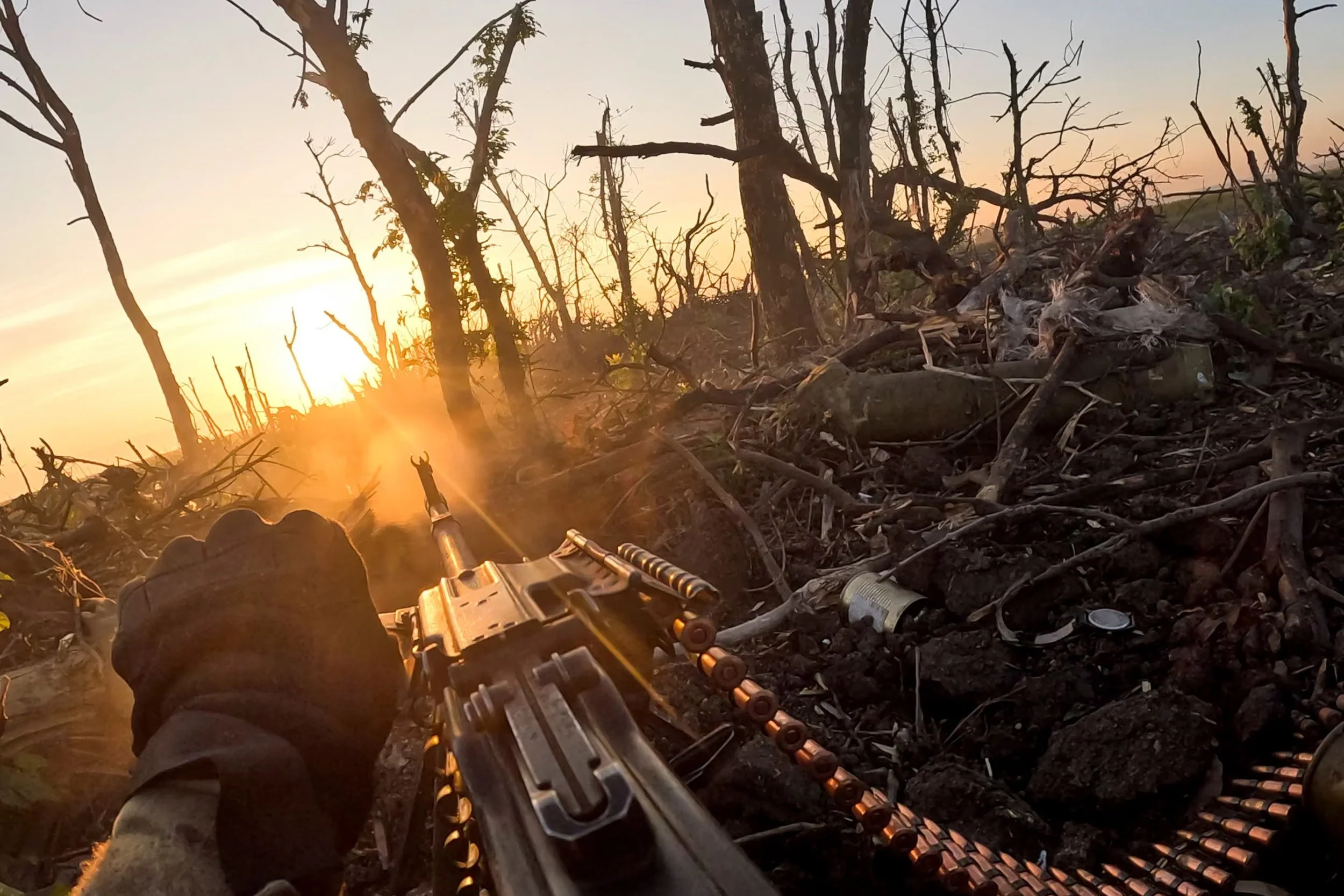
A still from 2,000 Meters to Andriivka
What emerges is not just a thriller or military chronicle — it’s a lament, a memorial, and a plea for understanding. Many of the soldiers featured, including those who formed the emotional core of the film, were killed before the edit was complete. During film festival red carpets and Oscar ceremonies, Chernov received texts informing him of their deaths. “There was always guilt,” he says.
The film’s Ukrainian premiere in Kyiv in May was met with a 10-minute standing ovation. Families of fallen soldiers attended — including the wife of a soldier called Sheva, who told Chernov: “Thank you: now I will be able to show his grandson who his grandfather was.”
Chernov resists labeling 2,000 Meters as "anti-war," instead presenting it as a portrait of dignity, grief, and truth. “It’s about salvaging pieces of these people’s lives,” he says. “War came to them — to their homes, to their land.”
The landscapes — scorched steppes and forest trenches — are personal to Chernov. “It’s the geography of my childhood,” he reflects. “Now I feel like I’m in Verdun, 100 years ago.”
At a private screening for frontline soldiers, Chernov was told: “We want civilians to see this film. We want them to know what we’re going through.” For Chernov, the film bridges the invisible distance between the battlefield and the everyday — the emotional chasm separating soldiers and the societies they fight for.
2,000 Meters to Andriivka premieres globally on August 1, 2025. It stands not just as a cinematic achievement, but as a deeply human witness to sacrifice, memory, and the cost of forgetting.
Genocide Scholar Dr. Omer Bartov Raises Alarm Over Gaza
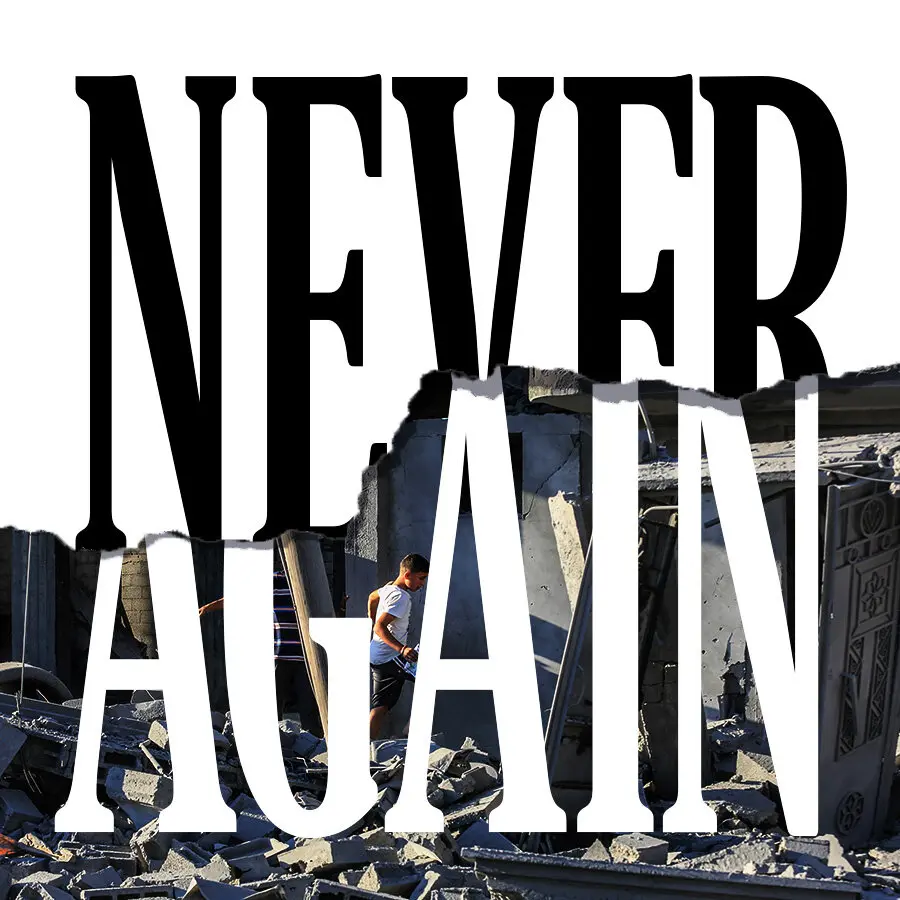
Photo illustration by Kristie Bailey (The New York Times); source images from Iryna Veklich, Anadolu (Getty Images)
In a recent guest essay for The New York Times, Dr. Omer Bartov, professor of Holocaust and Genocide Studies at Brown University, has publicly concluded that Israel’s military campaign in Gaza constitutes genocide. Bartov, a prominent voice in the field of genocide studies, previously expressed concern over war crimes and crimes against humanity, but stopped short of calling it genocide. His latest statement marks a significant shift.
By tracing a timeline of military actions from October 2023 to mid-2024 — including the evacuation of over a million Palestinians from Rafah and the subsequent large-scale destruction of the region — Bartov argues that Israel’s strategy demonstrates an “expressed intent” to render Gaza uninhabitable. He cites official Israeli rhetoric that includes calls for “total annihilation,” the use of dehumanizing language such as “human animals,” and historical references interpreted as advocating indiscriminate killing.
Bartov’s perspective is particularly notable due to his personal background: raised in a Zionist household, having served in the Israel Defense Forces, and spending decades researching war crimes and genocide. Despite this, he states: “I can recognize [a genocide] when I see one.”
His position aligns with that of several other genocide and international law scholars, as well as organizations like Amnesty International and Francesca Albanese, the United Nations Special Rapporteur for the Occupied Palestinian Territories. South Africa has also initiated proceedings against Israel at the International Court of Justice, alleging genocide in Gaza.
As public discourse intensifies around international legal accountability, Bartov’s article contributes to the growing debate among scholars, legal institutions, and governments regarding the classification and consequences of the Gaza conflict.
The VII Foundation Hosts Panel on Documenting Environmental Crises

A sunrise seen through the trees of Gorongosa National Park in Mozambique on September 10, 2023.
© Guerchom Ndebo.
On July 11, The VII Foundation in Arles hosted a timely and vital discussion titled "Documenting Environmental Crises: Repression, Resistance, Solutions." The event, held both in-person and online at 1700 CEST, brought together leading voices from the worlds of activism, conservation, filmmaking, and photojournalism to examine the intersection of environmental documentation and the growing repression of climate activism worldwide.
The panel featured:
Mathieu Asselin, social activist and artist
Sébastien Mabile, vice-president of the French committee of the International Union for Conservation of Nature (IUCN)
Jacqueline Farmer, award-winning filmmaker
Guerchom Ndebo, VII Community member and documentary photographer
Moderated by Dr. David Campbell, the session addressed how visual storytelling can go beyond simply documenting climate-related destruction. The conversation emphasized the need for solution-oriented approaches in visual reporting — not only to highlight resistance movements but also to inform and inspire actionable change.
In an era marked by intensifying climate impacts and escalating threats to environmental defenders, the discussion called attention to the responsibilities and possibilities of media practitioners in shaping public understanding and advocacy.
Light refreshments were served at the venue, and remote participants were able to engage with the discussion via an online registration portal.
For more information on upcoming events or to view the recording, please visit The VII Foundation’s website.
Special Issue of the New England Journal of Public Policy Explores How Wars End

The latest issue of the New England Journal of Public Policy (Volume 37, Issue 1) focuses on one of the most urgent and complex questions of our time: how wars come to an end. Titled “Ending Wars”, this special edition is guest edited once again by Lord John Alderdice, a member of the House of Lords Select Committee on International Relations and Executive Chairman of the Changing Character of War Centre at Pembroke College, University of Oxford.
This volume builds on the Journal’s previous issue, which explored the changing character of war and peacemaking. Together, these editions offer a layered and interdisciplinary understanding of conflict resolution and the fragile transition from violence to peace.
The editorial team includes:
Editor: Padraig O’Malley, noted for his work in divided societies,
Guest Editor: Lord John Alderdice,
Design Editor: Paul Cain,
Copy Editor: K. Rhett Nichols,
Citation Editor: Erin K. Maher.
Readers are encouraged to explore the full issue here and reflect on the policy implications of ending contemporary wars. For those interested in additional context and scholarship, past editions of the New England Journal of Public Policy are also accessible through the University of Massachusetts Boston’s portal.
Updating the Kwajalein Atoll Disaster Plan: A Call for Collaboration

The Kwajalein Atoll community is taking critical steps toward strengthening its disaster preparedness through a collaborative update of its disaster response plan. As the Asia-Pacific region continues to experience 40% of the world’s natural disasters—and accounts for 60% of global disaster-related deaths—the urgency of coordinated civil-military readiness cannot be overstated.
With USAID no longer operating in the region and the U.S. having exited the World Health Organization (WHO), any future American support in the event of crises—including pandemics or natural disasters—is expected to come from the U.S. military. In response, stakeholders are revisiting the original 1988 English-language disaster plan for Kwajalein Atoll with the support of Lt. Col. (ret.) James Faumuina, former Commanding Officer of Hawaii’s National Guard CBRNE Technical Response Team.
One key innovation being explored is the integration of telehealth solutions powered by Starlink. VSee, a telehealth company, is helping to develop an amphibious medical drone network that could provide remote care across the Marshall Islands. If successful, this pilot—tentatively scheduled for demonstration in summer 2025—will pave the way for a follow-up CSAR (combat search and rescue) simulation called Kennedy’s Coconut, potentially running alongside RIMPAC 2026.
This community-led effort is anchored in a “crawl-walk-run” approach, aiming first to assess the current state of preparedness as of July 2025 and build a culture of continuous improvement. Participants are encouraged to review the original disaster plan and related materials, available here, and join the review process.
As Gregg writes: “Our goal is simply to assess where we are today... and begin making a habit of improving a little bit more each year.”
Those interested in supporting or participating in this review are welcome to join the initiative.
Reflections and Growth at the VII Foundation
As the landscape of journalism continues to shift, the VII Foundation remains committed to fostering ethical storytelling in times of crisis. In a recent update, Gary Knight, co-founder of the foundation, shared reflections on the evolving responsibilities of journalists amid global conflict and trauma. No longer limited to bearing witness, today’s journalists are also expected to navigate public discourse and advocacy, often while still in training.
Despite these complexities, the VII Foundation reports a strong year of growth and engagement. Based in the south of France—with easy access from Paris and Marseille—the Foundation has hosted students from around the world, equipping them with the skills and ethical grounding needed for contemporary journalism. Gary notes that the current cohort approaches their work with a level of awareness and adaptability that surpasses even his early career experiences.
The Foundation’s recently released annual review outlines its expanding initiatives, educational programs, and ongoing commitment to supporting visual journalism in regions impacted by war and repression. Accompanying this is a fundraising brief for those interested in supporting its mission. These documents underscore how the VII Foundation continues to build spaces for training, collaboration, and critical reflection in a time when responsible reporting is more important than ever.
Supporters and friends are encouraged to share the foundation’s latest materials across their networks and are warmly invited to visit and witness the ongoing work firsthand.
New Study by Dr. Turhan Canli and Mark Cameron Highlights Civilian Trauma in Syrian Warzone
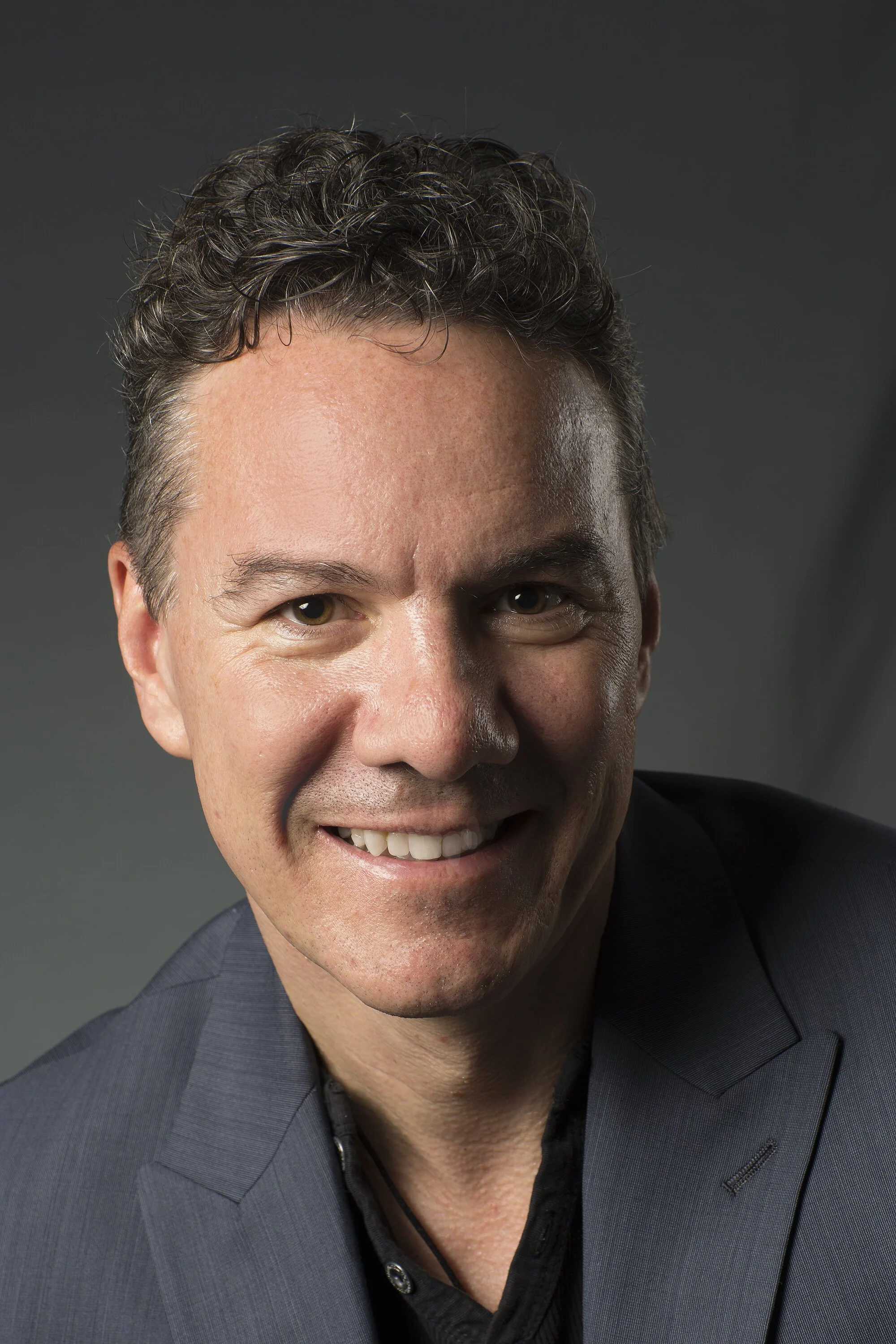
After five years of dedicated research and collaboration, a landmark scientific paper documenting trauma in civilians living through the Syrian conflict has finally been published. The study, initiated during a Harvard certification course on refugee trauma, represents a partnership between Dr. Turhan Canli, Professor of Psychology and Psychiatry at Stony Brook University, and Mark Cameron, a Canadian co-founder of an international medical NGO working in Syria.
The NGO collected self-reported trauma data from civilians inside an active warzone—an effort rarely attempted due to safety and logistical challenges. Dr. Canli led the data analysis and academic write-up, resulting in a peer-reviewed publication that went live just 48 hours ago and has already surpassed 400 reads—an unusually high number in the academic sphere.
The research offers a critical foundation for understanding mental health needs in conflict zones and is already helping catalyze new conversations on how to design effective PTSD interventions in similar settings. Follow-up projects are now being planned in Ukraine, Yemen, Sudan, and Gaza.
As part of these next steps, Dr. Canli and his team are actively seeking support—both in terms of fundraising and field expertise. They are particularly interested in identifying mental health practitioners who can assist in data collection efforts in Gaza, where the psychological toll of war is mounting and under-documented.
This project serves as a vital reminder that amidst destruction, efforts to preserve and restore mental health remain both possible and necessary.
For more about Dr. Canli’s work, visit Stony Brook University Faculty Page.
Oslo Freedom Forum Talks
The Oslo Freedom Forum, an annual event hosted by the Human Rights Foundation since 2009, features a wide range of global speakers—dissidents, activists, journalists, technologists, artists, and former heads of state—sharing firsthand accounts from regions experiencing repression. This year’s talks, available on the OFF website, cover urgent issues of democracy, free expression, and digital resilience.
Notable recent presentations include “A Daring Escape Across the Ocean” by Kim Yumi, the story of maritime flight to freedom; “Mozambique’s People’s President”, in conversation with Venâncio Mondlane; “No Retreat, No Surrender” by Maria Sarungi Tsehai; and a panel featuring Pavel Durov in discussion with Thor Halvorssen. Each talk underscores the human experience behind headlines—whether fleeing authoritarian regimes, challenging oppressive governments, or harnessing technology for free speech.
The forum explores not only personal narratives but also themes like digital surveillance, open-source movements, and human-rights advocacy in closed societies. OFF’s programming structure blends rapid-fire TED-style presentations with targeted panels and workshops to foster collaboration and innovation.
Viewers can access complete OFF talk archives—including recent sessions on topics such as sanctions debates, conflict resolution, and digital freedom—via the official OFF website and YouTube channel . The availability of these resources enables global audiences to engage with frontline perspectives on pressing issues like Gaza, Nicaragua, Cambodia, and the digital free-speech crackdown in Uganda.
Explore the Oslo Freedom Forum’s collection of inspirational talks featuring global leaders, activists, and change makers here: https://oslofreedomforum.com/alltalks/
Revisiting Media Narratives in Conflict: Bette Dam on Afghanistan and Beyond

A new podcast episode revisits the Western media’s coverage of the war in Afghanistan, offering insights into how conflict narratives are shaped and often distorted. As global tensions rise following U.S. missile strikes on Iranian nuclear sites, the discussion serves as a timely reflection on past reporting failures and their ongoing implications.
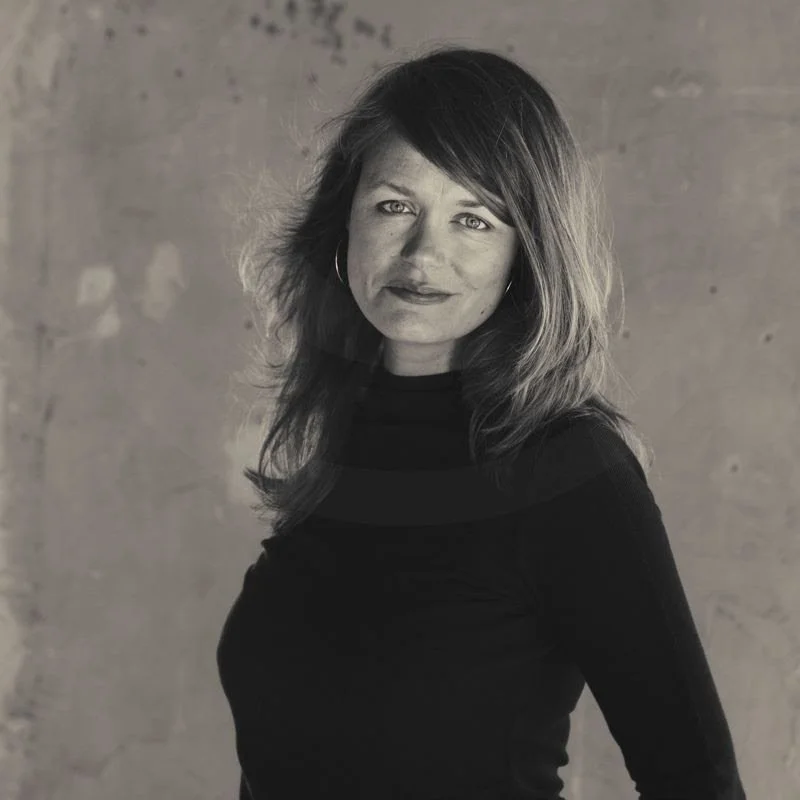
Guest Bette Dam, a Dutch journalist who spent 15 years reporting from Afghanistan, began her career in 2006 embedded with the Dutch military. Over time, she observed a consistent omission of Afghan civilian perspectives in Western media coverage, resulting in a portrayal of Afghanistan as uniformly violent and unstable. One of the most critical oversights, Dam argues, was the media’s failure to report that the Taliban attempted to surrender as early as December 2001.
In 2024, Dam completed a PhD at the Vrije Universiteit in Brussels focusing on the role of Western media in conflict coverage. In 2025, she launched UNHEARD, a research initiative supported by the Tow Center at Columbia University. The project uses artificial intelligence to examine who is quoted in conflict reporting, aiming to surface narratives that are often overlooked or excluded. Dam is also the author of Looking for the Enemy: Mullah Omar and the Unknown Taliban and A Man in a Motorcycle: How Hamid Karzai Came to Power.
The podcast is part of an ongoing series featuring journalists and peacebuilders working across a range of global contexts—from negotiations in Colombia and anti-violence efforts in Chicago to women’s rights activism during the Syrian civil war. The series emphasizes the importance of understanding conflict through grounded, human-centered storytelling.
Listeners are encouraged to explore the episode and support the podcast’s independent journalism through tax-deductible contributions.
UN Estimates 17,000 Gaza Children Left Unaccompanied Amid Ongoing Conflict

The United Nations Children’s Fund (UNICEF) estimates that approximately 17,000 children in the Gaza Strip have been left unaccompanied or separated from their families as a result of the ongoing conflict that began in October 2023. This figure accounts for about 1% of the 1.7 million displaced individuals currently within the enclave.
According to Jonathan Crickx, UNICEF’s chief of communication for the occupied Palestinian territories, the exact number of affected children is difficult to verify due to current conditions on the ground. Many children are reportedly arriving at medical facilities in a state of trauma or physical injury, and are often unable to provide their names.
Challenges in Family Reunification and Care
While it is common in conflict zones for extended families to care for unaccompanied children, the humanitarian situation in Gaza has made this increasingly difficult. Many families lack access to sufficient food, water, and shelter and are unable to take in additional dependents, even those from their own extended households.
UNICEF distinguishes between "separated children," who are without their parents, and "unaccompanied children," who are without both parents and other adult relatives.
Mental Health Needs Reach Critical Levels
UNICEF also reports a sharp rise in mental health needs among children across Gaza. Before the current conflict, an estimated 500,000 children required mental health or psychosocial support. That number has now more than doubled, with over one million children showing symptoms such as persistent anxiety, sleep disturbances, emotional dysregulation, and fear triggered by ongoing bombings.
Crickx described the mental health impact as widespread, noting that “almost all children” in Gaza now need psychological support.
Ongoing Humanitarian Conditions
Since the onset of hostilities in October 2023, the Palestinian Ministry of Health reports that over 27,100 people have been killed, including approximately 11,500 children. More than 66,200 individuals have been injured, and thousands remain missing.
Displacement continues to be a critical issue, with families repeatedly relocating due to military activity. Most displaced persons are now located in the southern governorate of Rafah, which has been identified by Israeli authorities as a future target of military operations. The displacement has led to communication breakdowns between family members and caregivers, particularly during network outages.
UNICEF Calls for Ceasefire
UNICEF has reiterated its call for a ceasefire, highlighting the urgent need to safely identify and reunite unaccompanied children with their relatives, deliver mental health services, and provide basic humanitarian aid. Crickx emphasized the necessity of stable conditions to assess the situation and deliver targeted interventions.
According to UNICEF, children have been severely affected despite having no direct involvement in the conflict. The agency stresses that all efforts must be made to ensure their protection and well-being in accordance with international humanitarian law.
Source:
Al Jazeera, “UN estimates 17,000 Gaza children left unaccompanied amid Israel’s war,” 2 February 2024.
Global Bitcoin Adoption Index Unveiled at Oslo Freedom Forum

At the 2025 Oslo Freedom Forum (OFF), Dr. Sarah Kreps—director of the Brooks School Tech Policy Institute and professor at Cornell University—launched the Global Bitcoin Adoption Index (GBAI), a comprehensive research initiative aimed at understanding how and why individuals across the world use Bitcoin, particularly under conditions of financial repression.
The GBAI is a collaborative effort supported by The Reynolds Foundation and the Human Rights Foundation (HRF). Surveys were administered to more than 25,000 participants in 25 countries, with a focus on authoritarian states such as Venezuela, Turkey, Nigeria, Egypt, and India. The survey data is complemented by 250 interviews with a diverse range of users, including small business owners, remittance senders, and activists.
Scope and Objectives of the GBAI
The Global Bitcoin Adoption Index has four primary objectives:
Understand Drivers of Adoption: Analyze usage patterns and motivations behind Bitcoin and stablecoin adoption.
Inform Policy and Innovation: Assist stakeholders—including policymakers and developers—in making data-driven decisions regarding regulation, product design, and education.
Promote Financial Inclusion: Highlight opportunities to expand financial access in regions underserved by traditional banking.
Increase Awareness: Provide reliable information on Bitcoin’s real-world applications and potential for improving financial freedom.
Unlike general surveys on “crypto” adoption, the GBAI focuses specifically on Bitcoin and stablecoins—tokens pegged to fiat currencies such as the U.S. dollar—avoiding broader classifications that include speculative digital assets.
Preliminary Findings: Usage in Fragile States
The initial findings from the GBAI suggest significant adoption of Bitcoin and stablecoins in countries facing high inflation, political repression, or limited access to traditional financial services. Key use cases include:
Preserving Value Amid Inflation: In Turkey and Argentina, citizens are using Bitcoin to hedge against currency depreciation.
Remittances Across Borders: In Venezuela and El Salvador, Bitcoin offers a faster and less monitored means of receiving funds.
Banking Alternatives for the Unbanked: In Nigeria and Brazil, individuals lacking bank access are using Bitcoin for savings and transactions.
Protection from Financial Surveillance: In Lebanon and Russia, citizens are adopting Bitcoin to safeguard assets from account freezes or currency controls.
These findings reflect a growing reliance on decentralized finance to overcome state-imposed financial restrictions and economic instability.
Policy Recommendations
Based on the data collected, Dr. Kreps and her team propose three policy directions:
Education for Financial Inclusion: Develop culturally adapted and country-specific programs to improve understanding of Bitcoin, with special attention to gender, age, and education disparities.
Support for Peer-to-Peer Systems: Maintain and expand tools for direct Bitcoin access, such as Lightning Network applications and self-custody wallets, to safeguard monetary freedom under financial censorship.
Pilot Bitcoin Remittance Systems: Collaborate with humanitarian organizations to test Bitcoin-based remittances as a complement to traditional systems, particularly in crisis zones.
Project Timeline and Support
The GBAI is scheduled for completion in May 2026. Upon release, the index is expected to provide valuable insights into Bitcoin’s real-world utility and guide future discussions on digital finance, regulatory frameworks, and financial rights under authoritarian rule.
The Human Rights Foundation (HRF), a nonpartisan organization focused on promoting rights in closed societies, is a primary partner in this initiative. Through its support, the GBAI aims to shed light on the intersection of digital currency and human rights in the modern geopolitical landscape.
Alex de Waal

Alex de Waal is the Executive Director of the World Peace Foundation. Considered one of the foremost experts on Sudan and the Horn of Africa, his scholarly work and practice has also probed humanitarian crisis and response, human rights, HIV/AIDS and governance in Africa, and conflict and peace-building. His latest book is Mass Starvation: The History and Future of Famine (Polity Press 2017). He is also he author of The Real Politics of the Horn of Africa (Polity Press, 2015), a full list of his publications is available below. Following a fellowship with the Global Equity Initiative at Harvard (2004-06), he worked with the Social Science Research Council as Director of the program on HIV/AIDS and Social Transformation, and led projects on conflict and humanitarian crises in Africa (2006-09). During 2005-06, de Waal was seconded to the African Union mediation team for Darfur and from 2009-11 served as senior adviser to the African Union High-Level Implementation Panel for Sudan, where he took on a number of roles in the negotiations leading to the independence of South Sudan. He was on the list of Foreign Policy’s 100 most influential public intellectuals in 2008 and Atlantic Monthly’s 27 “brave thinkers” in 2009.
Prof. Alex de Waal regularly teaches a course on Conflict in Africa at the Fletcher School, Tufts University. During this course, students should gain a deeper understanding of the nature of contemporary violent conflict in Africa. Students will be expected to master the key theoretical approaches to violence in Africa, and to become familiar with a number of important case studies. The focus is on the origins and nature of violence as well as policy responses and solutions. The course is inter-disciplinary and involves readings in political science, international relations, and social anthropology, while also touching on economics, environmental studies, and history.
Cristiano Bonino

Cristiano Bonino is proudly 100% Italian (from Turin, Piedmont), living in the Boston area, which has allowed him to broaden his experience, “hybridizing” through the balance of two cultures.
Before his career in travel, he worked as a personal financial planner in Italy, helping families manage their savings. The experience taught him how important it is not only to respect the value of money, but also, and above all, to care about the people he meets and works with through life!
Cristiano has been a devoted cyclist for decades. He sees the bicycle as an ideal way to visit a new place and, whenever possible, scouts new tour routes from the saddle.
In 2001, he started to design, sell, and guide cycling tours, mostly in Italy, with an American company, bringing his enthusiasm and energy to helping fellow travelers discover new foods, wines, cultures, and landscapes. Across many miles, Cristiano has honed his understanding of Italian regional distinctions, the importance of conviviality at the table, and the value of sharing the stories of our lives.
On moving to the U.S., he was at first surprised by how passionate many Americans are for Italy. It has helped him little by little to grow his pride in his heritage. He is happy to live in the U.S., provided that life and work allow him to return a few times a year to reconnect with roots, friends, foods, wines, recipes, and the special atmosphere of a country that, given local differences, could easily be called the “United Regions of Italy!”
In 2013, Cristiano launched Food.Stories.Travel., a small tour operator offering educational, guided journeys around the Mediterranean, by foot or by bicycle. Food.Stories.Travel. focuses on the specificity of place and on local farmers and foodmakers, hearing their stories and tasting their works.
Mona Mowafi
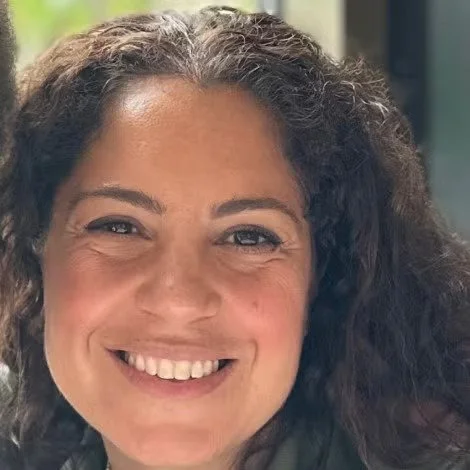
Mona Mowafi has more than 20 years of experience in global development, with a focus on health equity and social entrepreneurship. Most recently, Mona founded RISE Egypt, a global nonprofit catalyzing social entrepreneurship for development in Egypt. Having worked through the pains and privileges of leading a nonprofit that must navigate complex human as well as administrative labyrinths, Mona has found deep comfort and grounding in the practice of meditation and inner reflection in the continuous journey of becoming a transformational leader.
Prior to her adventures in the social entrepreneurship and leadership development space, Mona was a researcher and program manager promoting health equity in the U.S. and abroad. She holds a doctorate in Social Epidemiology from Harvard University and has received numerous awards for her work including the Judith O’Connor Award for emerging nonprofit leaders from Boardsource and a national leadership award from AmeriCorps Alums for her ongoing commitment to global development and service learning. With all this, Mona finds the most useful credential in this world to be that of kind human. She tries to abide by the motto she teaches her children, to be “kind, caring, and sharing,” with all else following from there. In her spare time, Mona loves to travel, read, row, and build bridges. She lives in Brookline, MA with her husband and two children, who are vying for a cat.
Frederik Obermaier
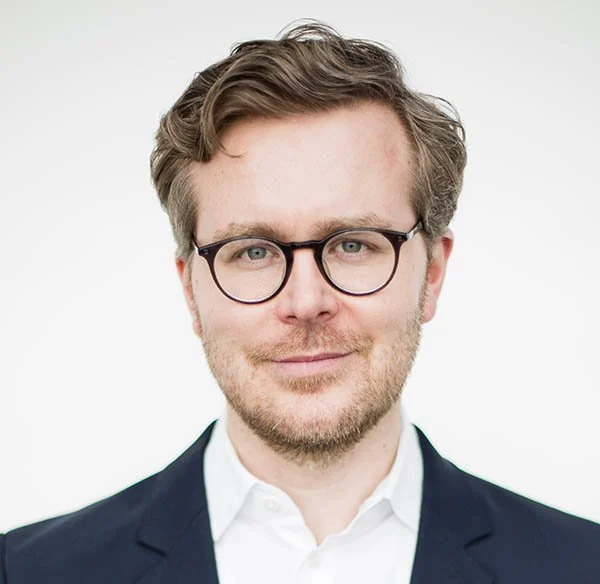
Frederik Obermaier, Germany, is a book author and Pulitzer Prize-winning investigative reporter. Together with his colleague Bastian Obermayer he founded the Munich-based investigative startup paper trail media. Exclusive publishing partners of paper trail media are the German magazine Der Spiegel, German public broadcaster ZDF, the Austrian daily Der Standard and the Swiss Tamedia group.
Obermaier was part of the ICIJ’s Offshore Leaks, Luxembourg Leaks, China Cables and other projects. Together with this colleague Bastian Obermayer, he initiated the Panama Papers, Bahamas Leaks and Paradise Papers investigations. He has received numerous honors for his work, including the CNN-Award, the Otto Brenner Preis, the renowned Wächterpreis, the Henri-Nannen-Prize, the Reporterpreis and the Helmut-Schmidt-Journalistenpreis.
He also jointly shared awards with his ICIJ colleagues including the Scripps Howard Awards, the George Polk Award for Business Reporting, the Barlett & Steele Award, the Investigative Reporters and Editors (IRE) Award and the 2017 Pulitzer Prize for Explanatory Reporting
For the Panama Papers, Obermaier was together with his colleagues Bastian Obermayer and Vanessa Wormer elected Germany's Journalist of the Year 2016. In 2017, he was also awarded the Murrey Marder-Fellowship in Watchdog Journalism at the Nieman Foundation at Harvard University.
Obermaier is a member of the jury of Reporters Without Borders’ Press Freedom Awards, co-founder of the Anti-Corruption Data Collective and board member of Arab Reporters for Investigative Journalism (ARIJ).
He has co-authored several books, including bestselling accounts of the so-called Ibiza Affair, which lead to snap elections in Austria, as well as The Panama Papers: Breaking the Story of How the Rich and Powerful Hide Their Money.
Nikos Passas

Nikos Passas is a Professor of Criminology and Criminal Justice at Northeastern University, who has made scholarly contributions to the understanding of complex global issues. His expertise encompasses the study of security, corruption, illicit financial and trade flows, sanctions, terrorism, and white-collar crime, among other critical areas. His work aligned him with Sherman Teichman, former Director of the Education for Public Inquiry and International Citizenship (EPIIC) program at Tufts University, a multidisciplinary platform dedicated to the rigorous examination of intricate global dilemmas. The program aimed to cultivate informed and engaged global citizens by connecting theoretical knowledge with practical applications through innovative curricula and projects. Their relationship started in the 1990s and continued over the years covering issues ranging from global crime, financial misconduct, security threats, “Europe in Turmoil”, as well as a collaboration with Professor Neva Goodwin on socially and economically harmful corporate practices. This initiative led to the publication of a book with the title “It’s Legal but it Ain’t Right Harmful Social Consequences of Legal Industries," published by the University of Michigan Press in 2004.”
Sherman and Nikos also collaborated at the time Professor Passas held the esteemed position of INSPIRE Fellow at Tufts University's Institute of Global Leadership. The INSPIRE program was designed to bring accomplished scholars and practitioners to the Tufts campus to deliver public and classroom lectures, as well as offer guidance on research and career paths. Moreover, in 2017, Professor Passas was bestowed with the Dr. Jean Mayer Global Citizenship Award by the Institute. This prestigious award recognizes individuals who have demonstrated a lifelong commitment to confronting global corruption and crime, coupled with courageous activism in exposing such practices. Finally, Sherman Teichman and Nikos Passas co-led a year-long workshop from 2017 to 2019 on the critical intersection of corruption and human rights. This initiative, while formally convened at the Carr Center for Human Rights Policy at Harvard Kennedy School.
Their collaboration continues currently within the framework of Trebuchet.