Starvation Conditions in Gaza – Findings from the IPC and Global Humanitarian Observers

According to recent analysis published in the London Review of Books by Alex de Waal (May 14, 2025), humanitarian conditions in Gaza have deteriorated to levels approaching famine. Following the imposition of a total blockade by Israel on 2 March 2025, and amid ongoing conflict, food availability in the region has been reduced to levels significantly below international standards for nutritional sufficiency.
The standard daily humanitarian ration is 2,100 calories per person. Estimates from humanitarian agencies suggest that the average availability in Gaza may have dropped to approximately 1,400 calories per person per day by mid-April, with further declines likely. Vulnerable populations—infants, pregnant and breastfeeding women, and those with special dietary needs—are most at risk. Reports indicate that individuals without access to informal networks or humanitarian assistance are experiencing extreme malnutrition and organ failure.
Data from Integrated Food Security Phase Classification (IPC)
Between 28 April and 6 May, the UN-backed Integrated Food Security Phase Classification (IPC) system conducted its fifth phone-based assessment of food security in Gaza since the onset of war nineteen months ago. Despite the challenges of data collection in an active conflict zone, the IPC's May 12 snapshot report estimated that:
925,000 people (44% of Gaza’s population) are in “emergency” acute food insecurity.
244,000 people (12%) are in “catastrophe” conditions—below the starvation threshold.
These figures are considered consistent with observed food stock depletion and restricted access to humanitarian aid.
Limited Coping Mechanisms and Restricted Mobility
Unlike famine-affected populations in regions such as Somalia or Sudan, Palestinians in Gaza face unique limitations. Israel retains full control over financial transactions, trade, humanitarian supplies, and movement. Traditional coping mechanisms—including foraging, remittance transfers, or internal migration—are not available. Gaza’s population remains unable to relocate or access alternative food sources, creating what analysts describe as a “starvation under siege” scenario.
Though Gaza has so far avoided mass outbreaks of disease due to high prewar vaccination rates, continued deprivation threatens public health infrastructure and increases vulnerability to communicable disease outbreaks in the future.
Surveillance-Based Aid and Infrastructure Collapse
Israel has proposed a new system for aid distribution, based on biometric screening and individual tracking. The plan involves notifying pre-approved recipients via SMS to collect aid from four fixed distribution centres, using facial recognition software for identity verification. According to leaked implementation outlines, this program would cover only 60% of the population and operate within a restricted geographic zone.
The approach has been described by observers as a form of “surveillance humanitarianism” and is viewed by some humanitarian experts as an adaptation of historical counterinsurgency methods. The UN Relief and Works Agency (UNRWA), previously the primary aid distributor, has been sidelined in favor of new mechanisms coordinated by private contractors and a proposed Gaza Humanitarian Foundation.
This program, even if scaled, does not address infrastructure needs for water, shelter, sanitation, healthcare, or electricity—all of which remain significantly impaired. Aid agencies previously operated approximately 400 distribution sites prior to the current blockade.
Legal and International Developments
On 28 April, the UN requested an advisory opinion from the International Court of Justice (ICJ) regarding Israel’s cooperation with UN humanitarian mechanisms. Israel declined to participate, rejecting the proceedings as biased. Of the 39 states that made presentations in The Hague, only the United States and Hungary supported Israel’s position. The U.S. invoked the 1948 Geneva Conventions but did not reference Israel’s obligations under later treaties such as the Genocide Convention.
The Genocide Convention (Article 2c) prohibits “deliberately inflicting on the group conditions of life calculated to bring about its physical destruction in whole or in part.” On this basis, the UN High Commissioner for Human Rights expressed concern in April 2025 that current conditions in Gaza may be approaching this threshold.
Humanitarian Risk Assessment and Outlook
The IPC’s Famine Review Committee noted that the situation remains “highly dynamic,” with increasing scarcity of food, water, and medical care. Social structures are under pressure, with widespread displacement and many families residing in overcrowded, unsanitary conditions.
While temporary increases in aid flow—such as those seen during past ceasefires—have reduced short-term mortality risks, analysts caution that continued cycles of restriction followed by limited relief are unsustainable. If access to food and essential services is not restored at scale, a collapse in basic survival thresholds is likely.
Source:
Alex de Waal. “Starvation in Gaza.” London Review of Books, May 14, 2025.
Integrated Food Security Phase Classification (IPC), United Nations.
UN High Commissioner for Human Rights – April 2025 Briefing.
Dr. Lina Qasem Hassan: Medical Ethics in a Divided Nation

Dr. Lina Qasem Hassan, a Palestinian citizen of Israel and a family physician, has emerged as a significant figure in the intersection of healthcare, ethics, and human rights. Following the October 7, 2023 attacks by Hamas and the subsequent war in Gaza, Dr. Hassan mobilized resources with Physicians for Human Rights Israel (P.H.R.I.) to support evacuees from Kibbutz Be’eri at a temporary clinic in Ein Bokek. Her actions highlighted the role of medical professionals in emergency response during politically sensitive and emotionally charged events.
Medical Neutrality and Professional Challenges
While offering medical assistance to Israeli victims, Dr. Hassan also mourned the loss of her own relative—a paramedic killed in Gaza on the same day. Her dual identity brought challenges. Despite her commitment to universal medical care, she faced accusations of political bias. A televised interview in February 2024, where she discussed the humanitarian crisis in Gaza and raised concerns about international law violations, led to patient complaints demanding her dismissal.
An internal review by Clalit, Israel’s largest healthcare organization, cleared her of wrongdoing. However, the case underscores the precarious position of Arab medical professionals in Israel, particularly in the aftermath of national trauma. According to 2023 data, Arab citizens represent 25% of doctors and nearly half of all pharmacists in Israel’s healthcare system.
Navigating Identity in a Segregated System
Dr. Hassan’s experience reflects the broader structural challenges faced by Palestinian citizens in Israeli institutions. Although healthcare is often cited as a model of coexistence, studies indicate that Arab professionals are frequently expected to suppress political expression to maintain career security. Following October 7, dozens of Arab citizens, including medical personnel, faced investigations for incitement based on social media activity.
Despite these pressures, Dr. Hassan continued her involvement in medical ethics education and fieldwork in the occupied territories. However, controversy over classroom materials—such as the inclusion of a Haaretz article describing detainee mistreatment—led to internal inquiries and prompted her decision to step back from teaching. She cited concerns about constrained academic freedom and unequal treatment.
On-the-Ground Medical Aid and Humanitarian Advocacy
As Chair of P.H.R.I., Dr. Hassan has been involved in mobile clinics serving displaced Palestinians in the West Bank. During a recent visit to Danaba, she treated patients with chronic conditions who had lost access to medication and documentation. These efforts occurred against the backdrop of widespread displacement and infrastructural damage resulting from ongoing military operations.
Dr. Hassan’s advocacy includes working on reports highlighting the treatment of Palestinian detainees in Israeli facilities. A recent P.H.R.I. publication documented the experiences of 24 medical professionals detained in Gaza, citing violations of medical ethics and international humanitarian standards.
Broader Implications for Civil Rights and Coexistence
The case of Dr. Hassan illustrates broader social dynamics affecting Palestinian citizens of Israel. While the government has made investments in education for Arab communities, there remain disparities in land access, urban planning, and political representation. Public discourse following October 7 reflected increased polarization, with surveys showing heightened mistrust and limitations on expressions of dual identity.
Despite community and family concerns regarding the risks of public advocacy, Dr. Hassan continues to serve in her clinic and remains engaged in medical humanitarian work. Her case is frequently referenced in discussions about the boundaries of professional responsibility, citizenship, and dissent.
Source: Based on reporting by Eyal Press, The New Yorker, June 16, 2025.
Read the full article: A Palestinian Doctor in Israel Helps People on Both Sides

Physicians for Human Rights Israel - A Convisero Gathering
Pictured here are friends and allies who have come to a Trebuchet/Convisero meeting for Physicians for Human Rights Israel at my home, moderated by Convisero mentor Susannah Sirkin, former longtime policy director at Physicians for Human Rights (U.S.).
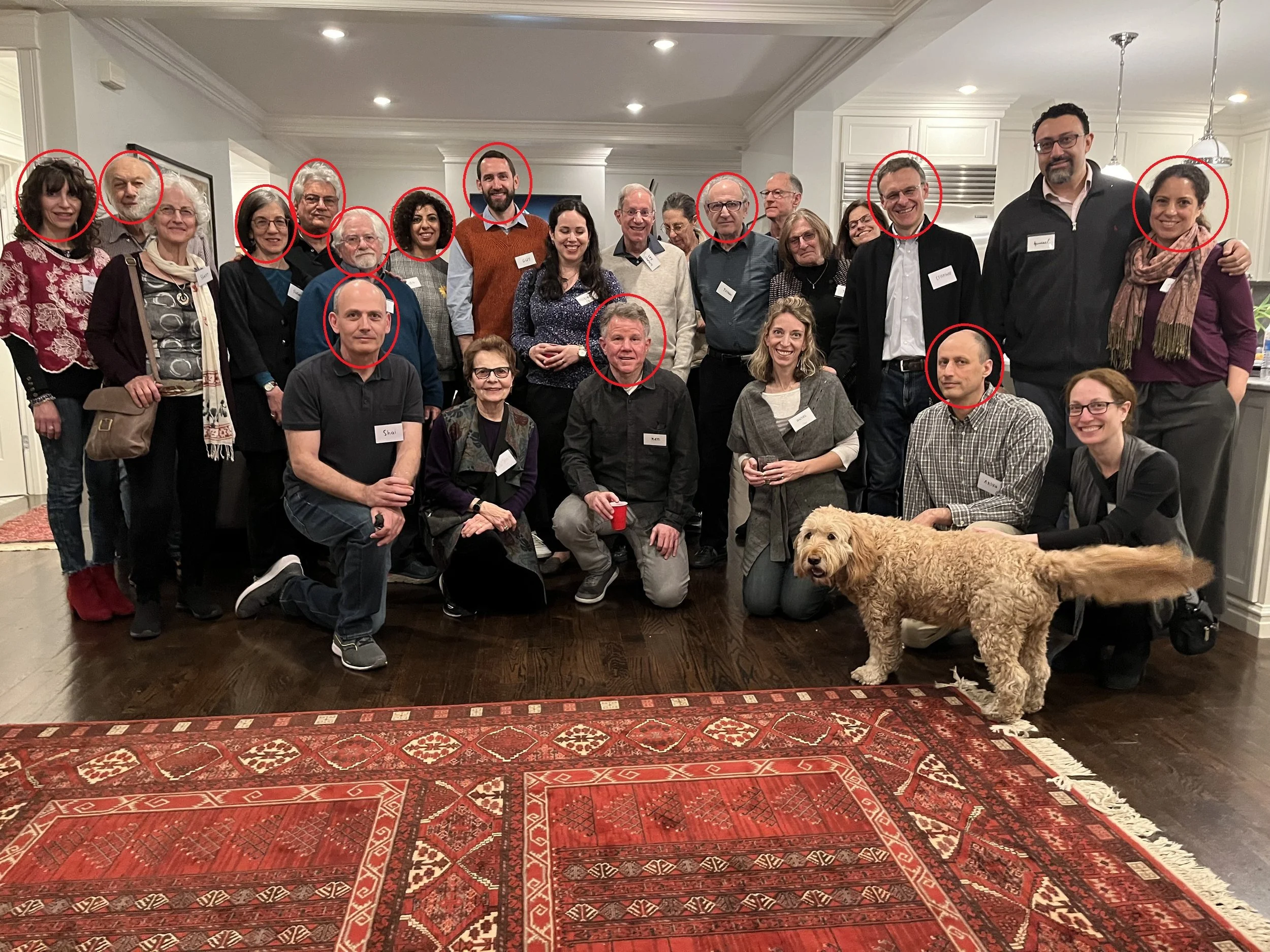
From left to right-
Standing: Jehane Sedky, Dick Lanza, Susannaah Sirkin, Sherman Teichman, Michael M.J. Fischer, Dr. Lina Qassem-Hassan, Dr. Guy Shalev, Joshua Rubenstein, Cristiano Bonino, Mona Mowafi.
Kneeling: Shai Schubert, Ken Shulman, Prof. Leibowitz
Here is the invitation from Susannah:
I'm very pleased to join Sherman Teichman and Iris Adler who are graciously hosting a discussion with Drs. Guy Shalev and Lina Qassem-Hassan of Physicians for Human Rights - Israel (PHRI). *
They will talk about their efforts to respond the humanitarian crisis unfolding in Gaza and the West Bank as well and PHR-I's longtstanding and ongoing work to promote dignity, equality and justice for all people living under Israel's responsibility control.
These human rights leaders will be on a short visit to the Northeast U.S. to raise awareness and broaden their network for advocacy and support.
Sunday evening, March 31st, 7 pm, at Sherman's home
Dr. Guy Shalev—Guy is PHRI's Executive Director and a research fellow at the Minerva Center for the Rule of Law Under Extreme Conditions. He is a medical and political anthropologist specializing in the intersection of medical professionalism, ethnonational politics, and bioethics in Israel/Palestine. Guy received his Ph.D. from The University of North Carolina–Chapel Hill in 2018, and his publications have appeared in American Anthropologist, Israeli Sociology, and Culture, Medicine, and Psychiatry.
Dr. Lina Qassem-Hassan—Lina is the Chairperson of PHRI's Board of Directors. She is a family medicine specialist with Clalit Health Services in the Haifa and Western Galilee District, specializing in end-of-life care. In addition to regularly volunteering with PHRI's West Bank mobile clinic and medical delegations to Gaza, Lina volunteers with their Prisoners and Detainees department, accompanying Palestinian hunger strikers. Recently, Lina volunteered with PHRI's emergency make-shift clinic for survivors of the October 7 massacre and has spoken out about her belief that all victims of this war deserve medical treatment.
Much appreciation,
Susannah (Sirkin), former longtime policy director at Physicians for Human Rights (U.S.)

The horrific events of October 7th in all its brutality and sadism, and the subsequent Israeli regime’s rampant operational reaction to destroy Hamas with its abhorrent loss of thousands of innocent lives have shaken me. Elsewhere I have addressed strategies attempting to restore deterrence but for me, the imperative has always remained how to struggle to secure a humane future for both Israeli and Palestinian peoples (NIMEP Insights).
This meeting of PHRI is, among others I have hosted including the Abraham Initiatives, of organizations I believe have integrity in the midst of all this horrific chaos.
I have defended the concept of self-determination for both Israel and Palestine for many decades. Immediately after the days after the ’67 war, influenced by Prof. Leibowitz who I had met at Givat Ram Hebrew University “warned against the state of Israel and Zionism becoming more sacred than Jewish humanist values”… and of the “dehumanizing effect of the occupation on the victims and the oppressors.”
We were privileged to have in our midst Prof. Liebowitz's grandson Akiva and his wife Hila.


Garima Singh
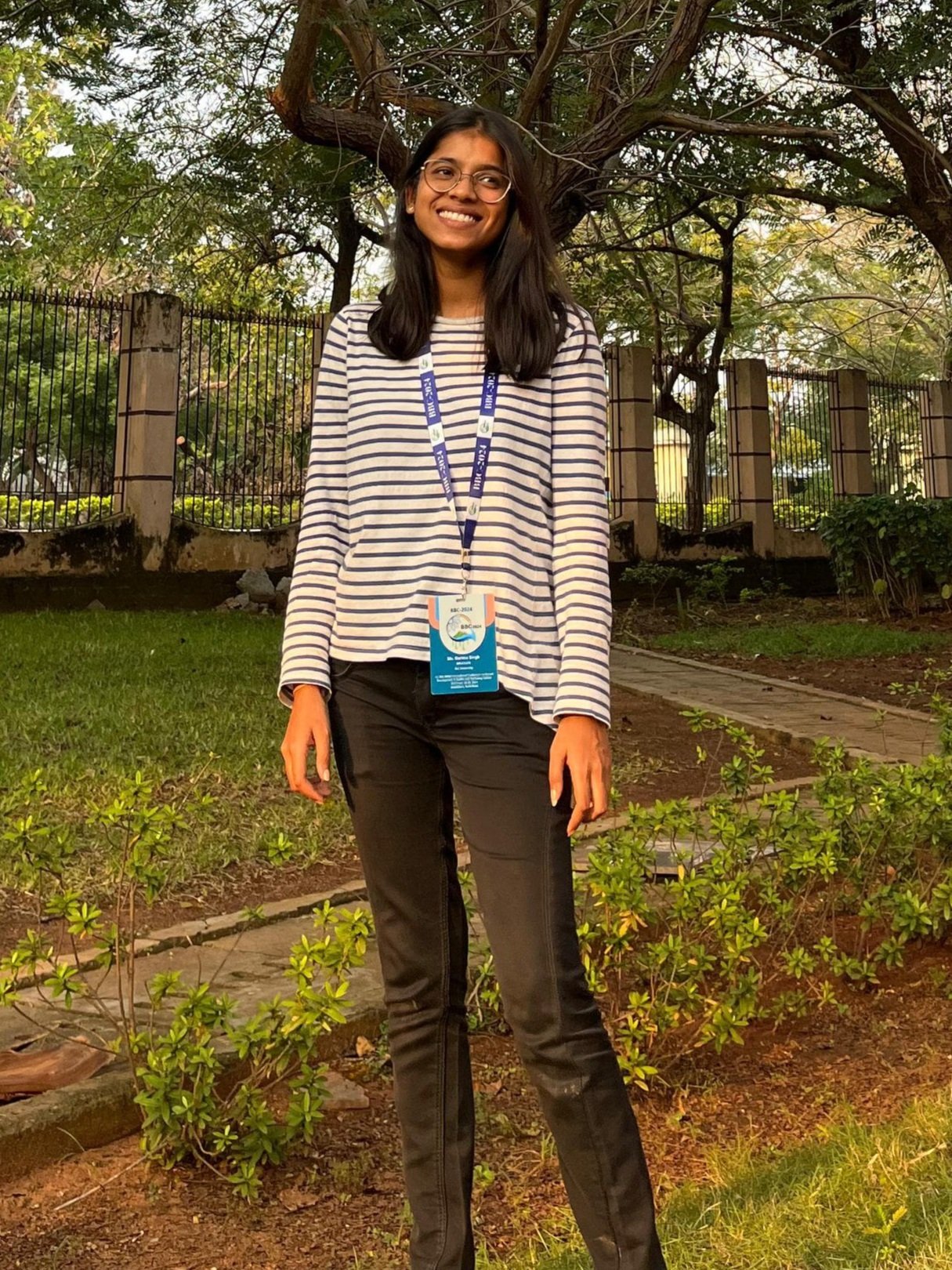
I’m Garima Singh, a graduate in Biological Sciences with a minor in International Relations from Sai University, Chennai. Originally from North India, I moved south for my undergraduate studies, where my interests found grounding at the intersection of life sciences, policy research, and sustainability. Outside of class I do sketching, singing, practicing my creative writing and backpacking.
My journey with the Global Maritime Accord began through a course I took at Sai University on Global Security Challenges with Sherman. As part of that course, I wrote a paper on IUU (Illegal, Unreported, and Unregulated) fishing, which sparked my deep interest in ocean sustainability. To dive more into the field, Sherman helped me connect with the Global Maritime Accord, where I was fortunate to intern. During my time as an intern, I attended expert-led webinars, learnt so much from the experiences, helped prepare concise summaries for the team, and contributed to research papers. I learned how to support webinar logistics, assist with social media outreach, and most importantly, engage in meaningful conversations with professionals in the field. Learning directly from experienced maritime leaders, and those moments deeply shaped my understanding of maritime governance.
Now an alumna of the program, looking forward to higher studies in the field, I carry with me not just technical skills in research and communication, but a renewed passion for environmental policy and ocean sustainability. The experience aligns directly with my future goals—to work in the field of environmental governance, and potentially within sustainability forums. I owe much of this journey to Sherman, whose mentorship, warmth, and unwavering belief in young voices continue to inspire me. The Global Maritime Accord remains a space of learning, connection, and purpose—and I am grateful to have been a part of it.
Looking forward to learning more.
Warmly,
Garima
Physicians for Human Rights Israel - A Convisero Gathering
Pictured here are friends and allies who have come to a Trebuchet/Convisero meeting for Physicians for Human Rights Israel at my home, moderated by Convisero mentor Susannah Sirkin, former longtime policy director at Physicians for Human Rights (U.S.).
From left to right-
Standing: Jehane Sedky, Dick Lanza, Susannaah Sirkin, Sherman Teichman, Michael M.J. Fischer, Dr. Lina Qassem-Hassan, Dr. Guy Shalev, Joshua Rubenstein, Cristiano Bonino, Mona Mowafi.
Kneeling: Shai Schubert, Ken Shulman, Prof. Leibowitz
Here is the invitation from Susannah:
I'm very pleased to join Sherman Teichman and Iris Adler who are graciously hosting a discussion with Drs. Guy Shalev and Lina Qassem-Hassan of Physicians for Human Rights - Israel (PHRI). *
They will talk about their efforts to respond the humanitarian crisis unfolding in Gaza and the West Bank as well and PHR-I's longtstanding and ongoing work to promote dignity, equality and justice for all people living under Israel's responsibility control.
These human rights leaders will be on a short visit to the Northeast U.S. to raise awareness and broaden their network for advocacy and support.
Sunday evening, March 31st, 7 pm, at Sherman's home
Dr. Guy Shalev—Guy is PHRI's Executive Director and a research fellow at the Minerva Center for the Rule of Law Under Extreme Conditions. He is a medical and political anthropologist specializing in the intersection of medical professionalism, ethnonational politics, and bioethics in Israel/Palestine. Guy received his Ph.D. from The University of North Carolina–Chapel Hill in 2018, and his publications have appeared in American Anthropologist, Israeli Sociology, and Culture, Medicine, and Psychiatry.
Dr. Lina Qassem-Hassan—Lina is the Chairperson of PHRI's Board of Directors. She is a family medicine specialist with Clalit Health Services in the Haifa and Western Galilee District, specializing in end-of-life care. In addition to regularly volunteering with PHRI's West Bank mobile clinic and medical delegations to Gaza, Lina volunteers with their Prisoners and Detainees department, accompanying Palestinian hunger strikers. Recently, Lina volunteered with PHRI's emergency make-shift clinic for survivors of the October 7 massacre and has spoken out about her belief that all victims of this war deserve medical treatment.
Much appreciation,
Susannah (Sirkin), former longtime policy director at Physicians for Human Rights (U.S.)
The horrific events of October 7th in all its brutality and sadism, and the subsequent Israeli regime’s rampant operational reaction to destroy Hamas with its abhorrent loss of thousands of innocent lives have shaken me. Elsewhere I have addressed strategies attempting to restore deterrence but for me, the imperative has always remained how to struggle to secure a humane future for both Israeli and Palestinian peoples (NIMEP Insights).
This meeting of PHRI is, among others I have hosted including the Abraham Initiatives, of organizations I believe have integrity in the midst of all this horrific chaos.
I have defended the concept of self-determination for both Israel and Palestine for many decades. Immediately after the days after the ’67 war, influenced by Prof. Leibowitz who I had met at Givat Ram Hebrew University “warned against the state of Israel and Zionism becoming more sacred than Jewish humanist values”… and of the “dehumanizing effect of the occupation on the victims and the oppressors.”
We were privileged to have in our midst Prof. Liebowitz's grandson Akiva and his wife Hila.
Isabella Mazzi
I grew up in London and moved to the U.S. in 2023 to join Phillips Academy Andover, where I’m now completing my junior year. I bring an international background - British, Italian, American, Serbian, and technically Canadian - which has shaped my deep curiosity about the world and my drive to make a difference across borders.
My passion for global affairs, community engagement, and making things happen is central to who I am.

My interest in the Roma community began after watching Emir Kusturica’s Hanging House, a film that opened my eyes to the complex realities of this marginalized society in Europe. Captivated by the raw energy and layered storytelling, I became curious about the Roma's place in European society and their ongoing struggles as cultural outsiders. This curiosity evolved into action: I spent last summer interning with the Roma Education Fund in Serbia, analyzing NGO strategies and developing policy recommendations. During my time in Belgrade, I also gained a deeper understanding, or more precisely, asked myself deeper questions on prejudice, systemic bias, benevolence, and the nuances of meaningful advocacy.
Back in Boston, I’ve continued this work—organizing awareness workshops at Andover and collaborating with Harvard’s Roma program at the FXB Center. I’m now focusing on Female Roma Entrepreneurs and preparing for another research trip to Belgrade in the summer of 2025, with the goal of building a digital archive to preserve their stories, and develop deeper insights on success factors for entrepreneurs in marginalized societies.
Technology and its social impact are also areas of deep interest for me. Last summer, at a medical device company, I helped with a project involving AI use cases for competitive strategy. I took a particular intrest in the rise of DeepSeek, writing articles for an Andover publication and presenting to the Andover Business Club about the risks and rewards of AI innovation.
My interest in international development led me to explore opportunities with both my school community and other organizations. At Andover, I am developing a speaker series on Global Challenges. Along these lines, this summer I will be assisting with the planning of The Annual Economist Government Roundtable in Greece, a global conference where policymakers, business leaders, and thinkers will discuss Europe’s future amid geopolitical, technological, and economic uncertainty. The theme—“Walking Steadily Across a Tightrope of Uncertainty”—frames conversations on foreign policy, energy, AI, sustainability, and more. I am looking forward to attending the conference.
At Philips Andover, I hold leadership positions such as a dorm prefect, an EBI Teaching Assistant and a World Partner. I sit on the Senior boards of student organizations, such as Andover’s Entrepreneurship Club, Public Forum Debate club and Andover Business Club - roles that allow me to build community, support peers, and grow as a leader.
These experiences have taught me that leadership, advocacy, and innovation are rarely easy—but always worth it.
I was introduced to Sherman through a family friend and was immediately captivated by his spirit, the impact of his work across the globe, and his deep commitment to The Trebuchet team. His energy, and the “imagine and make it happen” approach are immensely inspiring. I’m thrilled to be joining The Trebuchet and collaborating with such a thoughtful, creative, and driven group of individuals. I can’t wait to contribute and grow alongside the team.
Frances Dixon Promoted to Colonel in the U.S. Air Force (Res.)

From left to right – Col. Abby Kent, Sherman Teichman, Frances Dixon
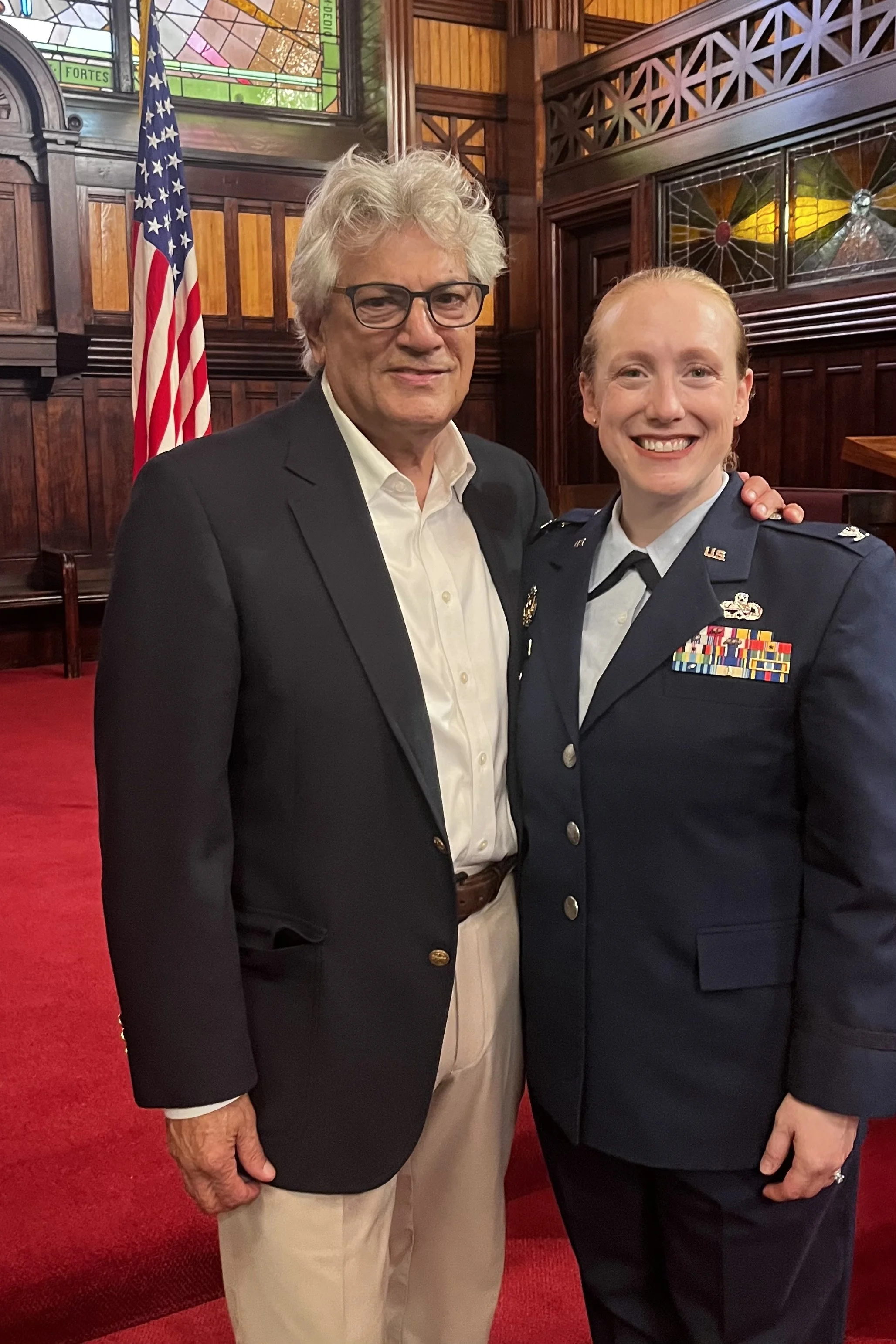

With Col. Abby Kent her inductor
Building Bridges Across the Mediterranean: A New Era of Regional Collaboration

The Action Committee for the Mediterranean (ACM) is preparing for its official launch in Spring 2025 in Malaga, Spain, and with it, a call to reimagine the region’s future—not through the lens of political polarization, but through the undeniable ties of demographics, interdependence, and shared interest.
Moving Beyond Politics
As anti-immigration rhetoric intensifies in the North and anti-Western sentiments rise in the South, ACM emphasizes a different story—one that unfolds beneath the political surface. Demographic shifts are fundamentally reshaping the region. Aging populations in Europe increasingly depend on the vitality and talent of the younger generation in the South, while countries in the South benefit from northern investment, knowledge exchange, and industrial cooperation.
This evolving interdependence is not a challenge to manage, but a foundation to build on. ACM believes that where politics divides, reality unites.
Turning Challenges into Shared Opportunities
The committee identifies key issues that require a coordinated, regional response:
Stabilizing the region
Adapting to demographic change
Aligning labor markets
Creating cross-border value chains in industry and services
Addressing climate change and food security
Improving cultural integration
Crafting a common narrative for the region
These aren’t just problems to be solved—they’re opportunities to shape a common Mediterranean destiny.
A New Model for Regional Collaboration
ACM’s method is based on inclusivity, collaboration, and continuity:
Inclusivity: Engaging economists, academics, civil society, and institutional partners from across the Mediterranean.
Collaboration: Hosting informal, discreet annual forums to encourage real conversation and solution-focused action.
Continuity: Producing actionable reports and white papers through a permanent secretariat and ensuring sustained follow-up.
Founders Hakim El Karoui and Marc Reverdin, along with a diverse executive board, are already driving this vision forward. The committee’s inaugural Mediterranean Demographics Report will set the tone for future work, offering data-driven insight into the forces shaping the region.
Join the Effort
ACM is now building a network of experts and Mediterranean organizations—from think tanks and academic institutions to private sector leaders. Their goal is clear: turn shared challenges into shared solutions through action, not rhetoric.
More information and opportunities to collaborate are available at: action-med.org
CEMEFI Encuentro Highlights Collaboration Across Latin America
The Encuentro de Colaboración Ciudadana, organized by Centro Mexicano para la Filantropía (CEMEFI), brings together leading voices in Latin American philanthropy, responsible business, and civil society. Taking place in Mexico City, this annual convening serves as a critical hub for mapping new actors in the ecosystem, monitoring donor and impact trends, and strengthening collaboration across sectors.
CEMEFI promotes philanthropy, sustainability, and social responsibility throughout the region. The organization also facilitates discounted technology access and supports 501(c)(3) equivalency determinations for NGOs operating in Latin America.
Shoshana Grossman, a member of Convisero, actively collaborates with CEMEFI and its partners in efforts to strengthen cross-border infrastructure for social good. Events such as this Encuentro offer vital opportunities for aligning local efforts with regional and global social impact strategies.
More information about CEMEFI’s programs can be found at cemefi.org.
Inside Chicago’s Street Outreach Response: How Community-Led Intervention Is Saving Lives

Frederick Seaton works with the Institute for Nonviolence Chicago, supervising nine street-outreach workers in West Garfield Park, the neighborhood where they all grew up.
Image Courtesy - WBEZChicago
As Chicago experiences a significant drop in homicides and nonfatal shootings, attention is turning to the power of community violence intervention (CVI) — and in particular, the life-saving work of street outreach workers like Frederick Seaton of the Institute for Nonviolence Chicago.
Operating on the West Side, particularly in West Garfield Park, Seaton and his team are often the first on the scene — not to make arrests, but to defuse retaliation, offer support to grieving families, and prevent the next shooting before it happens.
Violence Is Falling — And Outreach Is Working
Chicago’s murder rate is the lowest it’s been in over a decade. In West Garfield Park, homicides have dropped from 15 (in the same time frame in 2021) to just 3 in 2025. Nonfatal shootings have fallen by more than half. Experts credit a range of factors, but CVI efforts are increasingly seen as a critical piece of the city’s public safety gains.
Seaton, now 66, has spent nearly two decades in this work — beginning with Ceasefire (now Cure Violence) in 2005 and now leading outreach teams at the Institute for Nonviolence Chicago. Many of his colleagues are system-impacted individuals who have gained trust in their neighborhoods as “credible messengers.”
Responding in Real Time
During a recent shooting in West Garfield Park, Seaton coordinated teams on the ground and at the hospital. While police alerts were still coming in, his team was already talking to families, identifying relatives likely to retaliate, and building a strategy to prevent escalation.
“Everybody has got a crazy cousin,” Seaton said. “Our job is to get love in there before someone reacts.”
That real-time response is crucial. At the hospital where one shooting victim had just died, Seaton witnessed family members in visible distress. One man tried to get in a car to retaliate. Outreach workers and loved ones stopped him. These moments — intense, emotional, and often invisible to the public — are where intervention efforts make their deepest impact.
Building Trust, Not Sharing Intel
Outreach teams like Seaton’s maintain communication with local police — but they do not act as informants. That firewall is essential for community trust.
“Our job is to do what we do because we can get into some crannies and some holes that [the police] can’t,” Seaton said.
Still, the relationship has evolved. District commanders now respect outreach teams and even reach out to offer assistance, a dramatic shift from decades of tension.
Not Just About Gangs
The shooting that Seaton responded to was later determined to be interpersonal — not gang-related. That mattered. Interpersonal shootings, while devastating, are less likely to provoke chain reactions than clique-based violence. Outreach efforts can focus on stabilizing immediate emotional fallout, rather than navigating long cycles of retaliation.
The Bigger Picture
Chicago’s “safety gap” — the racial disparity in homicide victims — remains staggering, but progress is clear. Black homicide victims have dropped by 50% since 2021, and outreach in neighborhoods like West Garfield Park is a major reason why.
Seaton puts it plainly:
“With relationship gathering and being credible messengers, we’re going to be able to work with the community to stop the next shooting.”
For more on this story, visit WBEZ's full report.
To learn more about the Institute for Nonviolence Chicago, visit: nonviolencechicago.org
Social Impact Compass: How Smart Partnerships Accelerate Change

Social Impact Compass is highlighting how strategic partnerships—across both nonprofit and corporate sectors—are becoming essential for scalable, sustainable social impact.
Collaboration in Action: NGO Workshop in Panama
At a pitch workshop in Panama led by Social Impact Compass, NGO leaders gathered to refine their funding and partnership strategies. One participant pitched her organization’s readiness to expand across borders, seeking operational partners. Another rewrote a proposal immediately after the session, integrating new insights.
The workshop emphasized more than just improved messaging. It reflected a deeper momentum toward collaboration, peer learning, and practical partnership-building.
Rethinking Fundraising: Why Consortia Matter
Donors today seek broad-scale results while still valuing local impact. Traditional grant models often fall short. In response, many funders are turning to consortia—networks of regional organizations that pool funding and share goals.
In Guatemala, examples like Recarga and She’s the First channel significant funding through streamlined structures, often distributing resources equally across member organizations. This approach offers both administrative simplicity and community-level reach.
Key point: When presenting a partnership model, clearly articulate what it enables—expanded access, increased efficiency, or impact that would not be achievable independently.
Corporate Strategy: Shared Infrastructure, Shared Results
The corporate sector faces similar challenges. Companies often aim to contribute to social impact without overwhelming internal teams. The solution lies in partnering strategically with NGOs, governments, or peer companies.
Example: Danone Mexico
To strengthen its milk supply chain, Danone works not only with large farms, but also with small family farmers. The initiative’s success depends on a partnership model that includes:
TechnoServe for training and technical assistance
Government agencies for rural extension support
A credit union for farmer financing
Participating farmers have, on average, tripled their income.
Implementation Guidance
Start small and be strategic. Select one aligned partner. Define shared goals. Build capacity together. Effective partnerships take time, but they offer multiplier effects in reach and impact.
For upcoming workshops and tools for both NGOs and corporate teams, visit the Social Impact Compass platform.
Social Impact Compass: www.socialimpactcompass.org
From Numbers to Narratives: Measuring Social Impact with Transparency

ImpactCounter is reshaping how organizations communicate their value to the world. In a landscape where funders and stakeholders demand real-time, transparent data, this platform offers an innovative solution to a common challenge: how to transform complex impact metrics into meaningful, human-centered stories.
The Challenge
Traditional annual reports and headline statistics like “millions served” often fail to capture the human impact behind programs. With funding becoming increasingly uncertain and expectations shifting, organizations must demonstrate their effectiveness continuously—not just once a year.
The ImpactCounter Approach
Rapid Delivery: Quick setup enables organizations to begin reporting meaningful results without delay.
Iterative Development: Metrics can evolve as an organization grows or pivots its focus.
Reliable Data: ImpactCounter uses current and credible sources for accuracy.
Transparency: All methods and calculations are clearly documented, supporting full accountability.
Global Reach
A striking example of the platform’s potential is the PEPFAR Impact Counter, which visualized real-time policy impact and reached over 15,000 people in 135 countries within days of its launch. It was independently built and peer-reviewed by experts from multiple disciplines—demonstrating not just speed, but scholarly rigor.
Real-Time Impact, Real-World Results
ImpactCounter’s model highlights the power of data when paired with accessibility and clarity. Its visual dashboards offer a compelling way for nonprofits, public agencies, and global initiatives to connect with funders and the communities they serve.
Explore more or start measuring your own impact in real time: www.impactcounter.com
Book Talk on Arts in Global Development

An event will be held on The Routledge Handbook of Arts and Global Development (2024), a new volume that examines how the arts are influencing public awareness, shaping policy, and contributing to meaningful global change.
Event Details:
Presenter: Patrick Kabanda, Co-Editor
Moderator: Marina Galvani, Art Curator, World Bank Group
Date: Wednesday, May 29
Time: 11:00 AM ET
Location: The World Bank Library, MC C3-214
Virtual Option: Available via Webex
Register: Click here to register
The session will explore the intersection of artistic practice and global development. Discussions will focus on how creative work can serve as a tool for engagement, transformation, and impact across sectors.
This event is open to both in-person and virtual attendees.
The Lemkin Institute Issues Urgent Appeals on Genocide in Gaza

The Lemkin Institute for Genocide Prevention and Human Security has released three critical statements this week condemning the ongoing genocide in Gaza and calling for immediate international action.
1. “Four Facts About Israel’s Genocide”
This statement challenges the delayed acknowledgment of genocide by major NGOs, media outlets, and governments. It underscores that genocide is not limited to mass killings but includes systemic acts of destruction, displacement, and dehumanization over time. The Lemkin Institute argues that Western gatekeeping of the term “genocide” has directly contributed to the unchecked escalation of violence against Palestinians.
2. “We’re Glad to See You Use the G-Word, But Now You Must Act”
Responding to a shift in political and institutional rhetoric, this piece calls for action, not just language. The Lemkin Institute urges a global coalition of states to:
End arms shipments to Israel,
Suspend diplomatic ties,
Establish a multilateral peacekeeping force (with Palestinian consent),
And create an international tribunal for war crimes.
The Institute likens the necessary transformation to post-WWII denazification, stating that without systemic accountability, both Palestinians and Israelis remain in danger.
3. “We Sacrifice Law and Morality When We Allow Israel to Commit Genocide Without Repercussions”
This powerful message mourns the tragic killing of Sarah Lynn Milgrim and Yaron Lischinsky, two young Israeli embassy employees murdered in Washington, D.C., allegedly in retributive protest for Gaza. The Institute condemns the violence, while also warning that such tragedies are being exploited to justify further repression of anti-genocide activists and broader escalation, including potential military actions against Iran.
“Genocide has no self-limiting mechanisms... Everywhere genocidal thinking spreads, it destroys the prospect of peace and coexistence.”
— Dr. Elisa von Joeden-Forgey, Co-Executive Director, Lemkin Institute
A Warning and a Plea
Throughout these statements, the Lemkin Institute maintains that the genocide against Palestinians—driven by Israeli state policy, political ideology, and systemic impunity—will continue to radicalize if unopposed. The failure of institutions to act earlier has led to what they describe as one of the most devastating man-made tragedies of our time.
They caution that without accountability, human rights, international law, and moral standards worldwide will collapse under the weight of their own hypocrisy.
Read the full statements here:
🔗 Lemkin Institute Newsletter – May 2025
For further discussion, support resources, or links to advocacy and education efforts, contact the Lemkin Institute or visit their platform to engage with anti-genocide activism and policy development.
Frances Dixon

As an undergraduate attending Tufts, Frances Dixon was deeply impressed by the idea of service to others. While searching out how to accomplish this life goal, she was inspired by the military officers she met. “They were clearly leaders,” she says. “They walked into a room and commanded it; they were instantly accessible and able to build trust with everyone. How do you do that? How does someone in charge of a large group make each person better? I saw that as part of the incredible leadership training the military provides.”
By entering the military, Frances could “serve my country and learn leadership.” She chose the Air Force because it had the highest percentage of career fields open to women.
After two years stationed in Florida, Frances then spent six years in Nevada working with remotely piloted aircraft (RPAs or “drones”). In addition to maintenance, she worked with acquisitions and contracting functions and was exposed to industry partners and, “became interested in the business side of how these programs are run.” Following that, Frances assumed responsibility for sixteen C-5 cargo aircrafts as a Maintenance Manager leading 330 people. After three years, Frances knew it was time to pursue her dream of getting an MBA.
“I realized I didn’t know much about business,” says Frances. “In order to truly leverage my leadership skillset and make the transition easier, an MBA was the best option.” HBS became her top choice “because of its learning environment. As a non-traditional student with more professional experience, I was concerned that a straight lecture environment wouldn’t be a good fit. As soon as I sat in on a case, I knew this was the perfect academic environment for me.”
“I’m interested in what the professors have to say. But I'm fascinated by what my peers say and the experiences they bring to class. They’re brilliant. The level of discourse here forces you to be on your toes. You’re engaged—you have to be. You can’t sit back and just listen.”
For her upcoming EC year, Frances intends to explore an old interest: access to water. As an undergraduate, she studied abroad in El Salvador and Bolivia, which awakened her awareness of the struggle for potable water. “Part of the impetus for HBS was to find ways I could do work with water,” she says.
While pursuing her course work, Frances will also fulfill an independent research project on water technologies. “I’m interested in private sector solutions. There are a couple of Boston startups that are investigating new technologies for filtering water or desalinating water with less energy. I want to find ways technology can be applied to get clean water to populations without adequate access to it.”
Frances will officially pin on as Colonel in the U.S. Air Force on June 14, 2025.
From Exposure to the Pulitzer: A Legacy of Photojournalism at Tufts
In 2010, Sherman Teichman published an article in Nieman Reports titled Preparing the Next Generation of Photojournalists. Reflecting on the founding of Exposure, a photojournalism and human rights initiative at the Institute for Global Leadership (IGL) at Tufts University, Teichman described a vision for ethical, immersive storytelling in an increasingly complex world.
“I wrote this article for Nieman Reports in 2010, Preparing the Next Generation of Photojournalists. Fifteen years later Chrissy won the 2025 Pulitzer Prize for her reporting from Afghanistan as part of a New York Times team.”
— Sherman Teichman
The program, sparked by the involvement of acclaimed war photographer James Nachtwey, offered students a rigorous training ground to explore the ethical and visual demands of documenting conflict, injustice, and resilience. Exposure alumni went on to cover humanitarian emergencies, environmental collapse, and post-conflict societies from Bosnia to Colombia, Iraq to Pakistan.
Now, that vision has come full circle. Christina Goldbaum, one of the many students shaped by Teichman’s work at the IGL, was awarded the 2025 Pulitzer Prize for Explanatory Reporting, recognizing her contributions to The New York Times' in-depth reporting on the collapse of Afghanistan.
The Nieman Reports piece chronicles the ethos of the Exposure program—its emphasis on nonpolemical pedagogy, public accountability through visual storytelling, and the belief that journalism can catalyze change. The 2010 article included testimonies from students whose work spanned topics such as:
Islamic cultural destruction in Bosnia (evidence used at The Hague)
Environmental collapse in Kiribati
Oil politics in Azerbaijan
The first democratic election in Kyrgyzstan
The legacy of Colombian death squads
With the support of mentors, benefactors, and photojournalists like Nachtwey, Exposure helped position Tufts students as credible observers on the frontlines of global conflict and change.
Nachtwey himself wrote, “Most importantly, [Exposure] can help to create a public awareness integral to the process of change.”
Fifteen years later, that aspiration has been realized.
📖 Read the original article: Preparing the Next Generation of Photojournalists – Nieman Reports
📰 See the Pulitzer-winning series: How the U.S. Lost Afghanistan – The New York Times

A Memorable Evening with Brookline Storytellers

Date: Wednesday, May 21
Time: 7:30 – 9:00 p.m.
Location: Coolidge Corner Theatre, Brookline, MA
Join Brookline.News for an inspiring evening of live storytelling at the historic Coolidge Corner Theatre, where seven local residents will take the stage to share personal stories of transformation, resilience, and community.
Hosted by Meghna Chakrabarti, award-winning host and editor of WBUR’s On Point, this special event brings together a diverse group of voices for a night that promises humor, reflection, and connection.
Featured Speakers
Lori Ehrlich – Former Massachusetts State Representative and FEMA Regional Administrator
Anthony Flint – Journalist and urban policy expert
Shan W. Liu – Harvard professor, physician, and children’s book author
Mark Ludwig – Founder, Terezín Music Foundation and BSO member emeritus
LeRoy J. Watkins III – CEO of Viking Sports and President of the Brookline Chamber of Commerce
Maria Udalova – Brookline High School senior and member of Team Trebuchet
Presented by Brookline.News
This event is organized by Iris Adler, co-founder of Brookline.News and 2024 Brookline Woman of the Year.
Sponsors
Headline Sponsors
Eastern Bank
Commonwealth Sports Club
Martha Huntley, Real Estate Agent
Concierge Home Sales by the Kerzner Group
Hammond Residential Real Estate
Stories Supporters
Brookline Booksmith
Kaplan Construction
2Life Communities
Brookline Bank
A Memorable Evening with Brookline Storytellers is an opportunity to celebrate the voices of our community and the power of local journalism to connect us. Doors open at 7:00 p.m.
For more information, visit: brookline.news/stories-live-at-the-coolidge
Stories Live at the Coolidge: A Night of Resilience, Hosted by Brookline.News

On a special evening at the Coolidge Corner Theatre, Brookline.News will host “Stories Live”—a live storytelling event celebrating personal narratives of transformation, resilience, and community.
The event will be hosted by Meghna Chakrabarti, award-winning host and editor of WBUR’s On Point, and will feature seven local speakers sharing meaningful, real-life stories.
This gathering is organized by Iris Adler, one of the originators and founding leaders of Brookline.News. A longtime journalist and civic voice, Adler was honored as a Brookline Woman of the Year in 2024 for her exceptional contributions to local media and public engagement.
Featured Speakers
Lori Ehrlich – CPA, public servant, and FEMA Regional Administrator for New England
Anthony Flint – Author, journalist, and senior fellow at the Lincoln Institute of Land Policy
Shan W. Liu – Harvard Medical School professor, MGH physician, and children’s book author
Mark Ludwig – Founder of the Terezín Music Foundation and Boston Symphony Orchestra member emeritus
LeRoy J. Watkins III – CEO of Viking Sports and President of the Brookline Chamber of Commerce
Maria Udalova – Senior at Brookline High School, environmental advocate, and member of Team Trebuchet
Sponsors
This community celebration is made possible thanks to generous support from:
Headline Sponsors
Eastern Bank
Commonwealth Sports Club
Martha Huntley, Real Estate Agent
Concierge Home Sales by the Kerzner Group
Hammond Residential Real Estate
Stories Supporters
Brookline Booksmith
Kaplan Construction
2Life Communities
Brookline Bank
Stories Live at the Coolidge is more than an evening of storytelling—it’s a testament to the voices that shape Brookline and the civic media that amplifies them. The event reflects the mission of Brookline.News to connect neighbors, highlight shared experiences, and deepen community understanding through local journalism.
For event details and speaker bios, visit: brookline.news/stories-live-at-the-coolidge
Edgar James
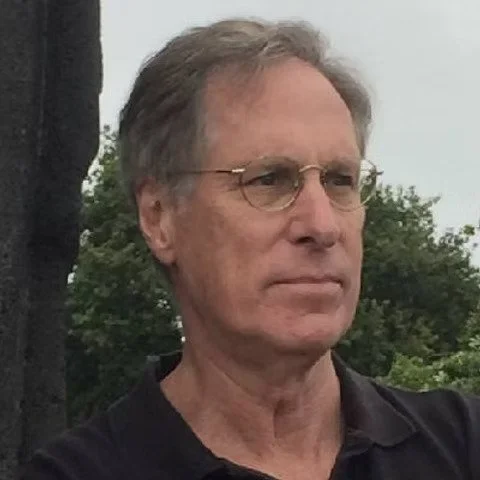
I grew up in Portand, Oregon, attended Catholic schools (a monastery for high school), and attended Portland State University (“PSU”) where I was student body vice president in my second year and head of Oregon Students for Kennedy in 1968. Thanks to the PSU faculty, I went to Columbia University in September 1969 on a 4 year fellowship for a Ph.D. in recent French history and International Affairs, principally French speaking Africa. The Kent State and Jackson State killings ended my studies in May 1970 as Columbia and many other universities shut down in the face of massive student protests. After some work recruiting and managing student involvement in anti-war Congressional and Senate campaigns in the mid-Atlantic and north east, I was recruited to work in Appalachia all of 1971-72 building opposition to the head of United Mine Workers, Tony Boyle, who had arranged the murder of his election opponent, Joseph (“Jock”) Yablonski and his family. A judge ordered a new election two years later, which I and another activist ran, and we won. 1 But the lawyers were fundamental to the effort.
My father never finished 4 th grade but my mother graduated high school. They died when I was younger (1964; 1971). I worked in the miners union from 1973-75, organized the 1973 convention and coordinated support for the Harlan County strike for union recognition and a contract. Thanks to a brilliant lawyer and close friend who was part of our reform effort who suggested that I apply to law school, I attended Harvard Law School (JD) and School of Public Health (MPH) and graduated in 1979.
My law firm mainly represents workers, unions and non-profits. I am active in human rights work and immigration, principally involving Latin American, with the National Security Archive and the Washington Office on Latin America (“WOLA”). But thanks to a very old (1880’s) and very inclusive Jewish refugee organization, HIAS, my wife, Kathy Kinsella, and I support three young women refugees from Afghanistan. She and I have been trying to get their parents and younger brother out, but, despite the fact that their father worked for the American military at Bagram, this administration has made clear that this will not happen. And the administration has since announced that it is removing refugee protection for the Afghans who currently reside in the US.
Sherman Teichman and his EPIC classes were a very important inspiration to our daughter, Mara, at Tufts.
William H. Luers Remembered: Diplomat Who Defended Vaclav Havel Dies at 95

William H. Luers, a longtime American diplomat and cultural advocate whose behind-the-scenes influence helped protect Czech dissident Vaclav Havel during the final years of Communist rule, died on May 11, 2025, at the age of 95. His passing marks the end of a singular career that blended diplomacy, art, and moral courage.
As U.S. Ambassador to Czechoslovakia in the early 1980s, Luers understood that diplomacy extended beyond formal policy—it could also serve as a form of human rights protection. In 1983, he began quietly rallying support for Havel, then an often-imprisoned poet-playwright and a symbol of nonviolent resistance.
Recognizing the growing danger to Havel’s life, Luers devised a subtle but powerful form of protection: international visibility. He invited prominent American cultural figures to Prague, where they met with Havel and publicly endorsed him as a towering literary and civic voice. This strategy, which Luers described as “shining light on Havel,” made any potential harm to the dissident politically risky for the Czech Communist regime.
Among those Luers enlisted were E.L. Doctorow, Kurt Vonnegut, William Styron, Edward Albee, John Updike, Joseph Papp, Katharine Graham, and Philippe de Montebello—a constellation of artists, writers, and public figures whose presence generated global press coverage and cast a protective shield around Havel.
“I was worried the Communists might poison him or put him back in prison,” Luers later said. “My strategy was to bring as much visibility to Havel as possible.”
Luers’ efforts contributed to the eventual triumph of Havel’s Velvet Revolution in 1989 and his election as the final president of Czechoslovakia and the first president of the Czech Republic.
Beyond diplomacy, Luers was deeply connected to the arts. His career included roles with the Metropolitan Museum of Art and other institutions, and he often described himself as someone who spent “a lot of my career with artists and writers, promoting the arts.”
Luers' legacy is one of subtle courage—a belief in diplomacy not merely as negotiation, but as protection, projection, and the quiet, persistent defense of moral clarity. His work demonstrates how cultural capital and human connection can be used to shield lives, amplify dissent, and support democracy.
Read the full obituary from The New York Times:
William H. Luers, Diplomat Who Backed Czech Dissident Leader, Dies at 95