Exploring “Peace Tech”: Can AI Help Build a Less Violent World?
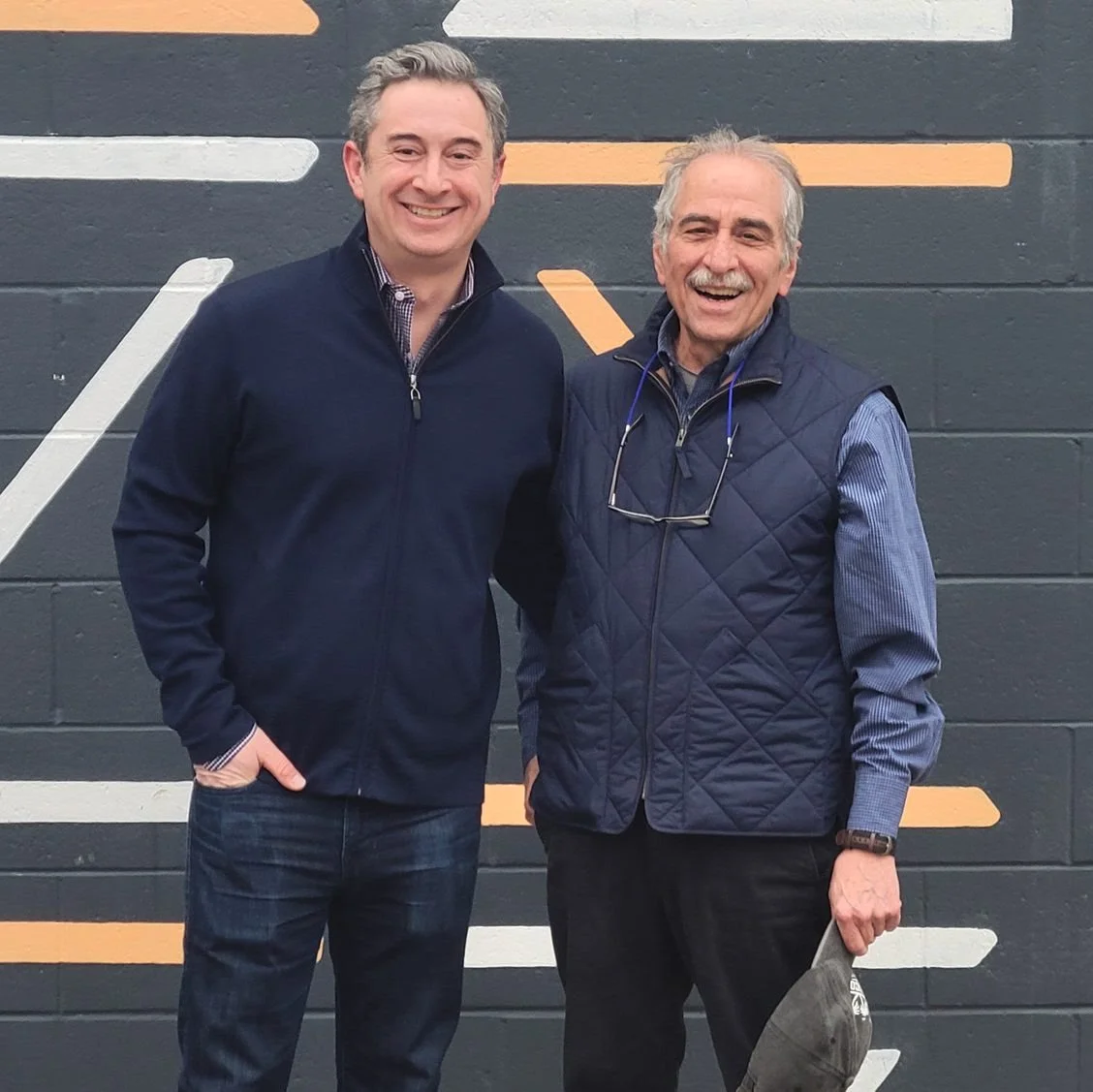
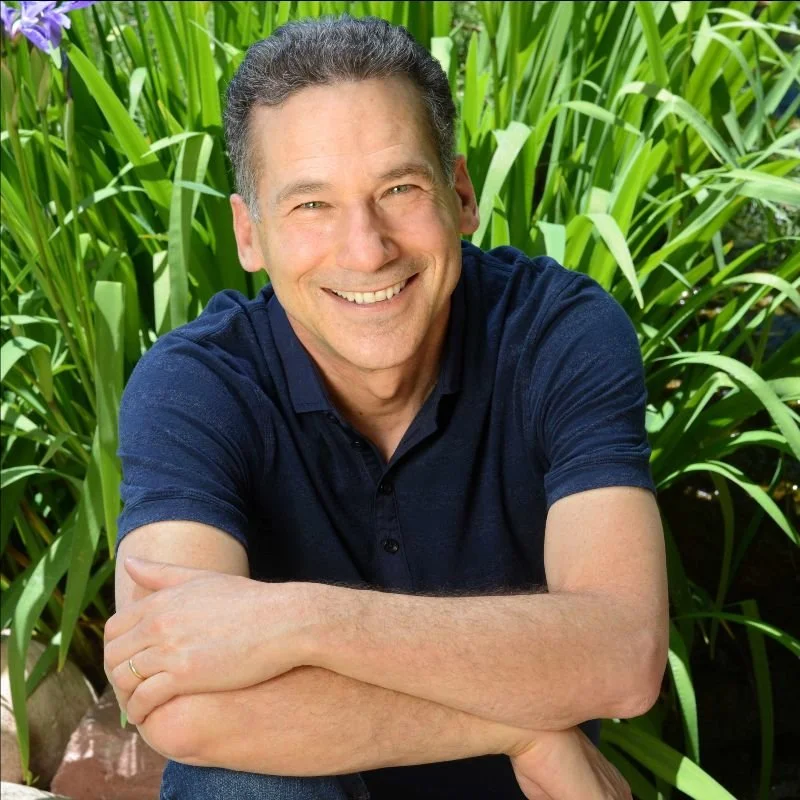
Peace tech venture capitalist Brian Abrams (left) with MPV host Jamil Simon.
A new episode from Making Peace Visible is sparking an important conversation about how technology, especially artificial intelligence, could play a role in reducing global conflict. The episode, titled AI Diplomacy: Can ‘Peace Tech’ Make the World Less Violent?, features venture capitalist Brian Abrams, who is working at the intersection of innovation, investment, and peacebuilding.
As communities around the world navigate increasing uncertainty, this discussion offers a fresh perspective on how emerging tools might contribute to a safer future.
What Is “Peace Tech”?
“Peace tech” is an emerging field where technology is used to better understand, predict, and prevent conflict. Companies in this space are developing tools that use AI to analyze vast amounts of data from sources such as journalism, intelligence reports, and public information.
These systems aim to:
Predict the likelihood of events like military invasions or civil unrest
Identify early warning signs of conflict
Model possible interventions to prevent escalation
By turning data into actionable insights, peace tech seeks to shift responses from reactive to preventive.
Why This Conversation Matters Now
The timing of this discussion is significant. Public funding for peacebuilding efforts has declined in recent years, particularly following major cuts to international aid programs such as USAID. At the same time, many parts of the world are experiencing heightened instability.
This gap between growing challenges and shrinking resources has led innovators like Brian Abrams to explore alternative approaches. His work focuses on using private investment and startup innovation to support peace efforts that might otherwise struggle to find funding.
The Role of AI and Innovation
One of the central ideas discussed in the episode is the potential of AI as a tool for diplomacy and conflict prevention.
AI systems can process large datasets much faster than traditional methods, allowing them to:
Detect patterns that may signal rising tensions
Provide insights into the root causes of conflict
Support governments, mediators, and organizations in decision-making
These tools are not only designed for policymakers. They are also being developed for global companies operating in complex environments, helping them better understand risks and operate responsibly.
A New Model for Supporting Peace
Brian Abrams brings a unique perspective as a venture capitalist investing in peace-focused technologies. He founded B Ventures Group in 2023 with the goal of supporting startups working on conflict prevention and stability.
His approach reflects a broader idea: that innovation and investment can act as powerful drivers for social impact. As he suggests in the episode, if technology is the lever, then investment could be the force that helps move the world toward more peaceful outcomes.
Bridging Technology and Humanity
While the promise of peace tech is compelling, it also raises important questions. Can technology fully capture the complexities of human conflict? How should these tools be used responsibly? And how do we ensure that innovation aligns with ethical considerations?
These are conversations that extend beyond policymakers and investors. They are relevant to communities everywhere, as global stability and peace ultimately affect everyone.
A Conversation Worth Engaging With
This episode invites listeners to think differently about how peace can be built in a rapidly changing world. It highlights the potential of combining technology, data, and human insight to address some of the most pressing challenges of our time.
For communities interested in innovation, global affairs, or social impact, it offers a thoughtful and forward-looking perspective.
Learn More: AI diplomacy: Can 'peace tech' make the world less violent?
Remembering Professor Richard H. Shultz, Jr.
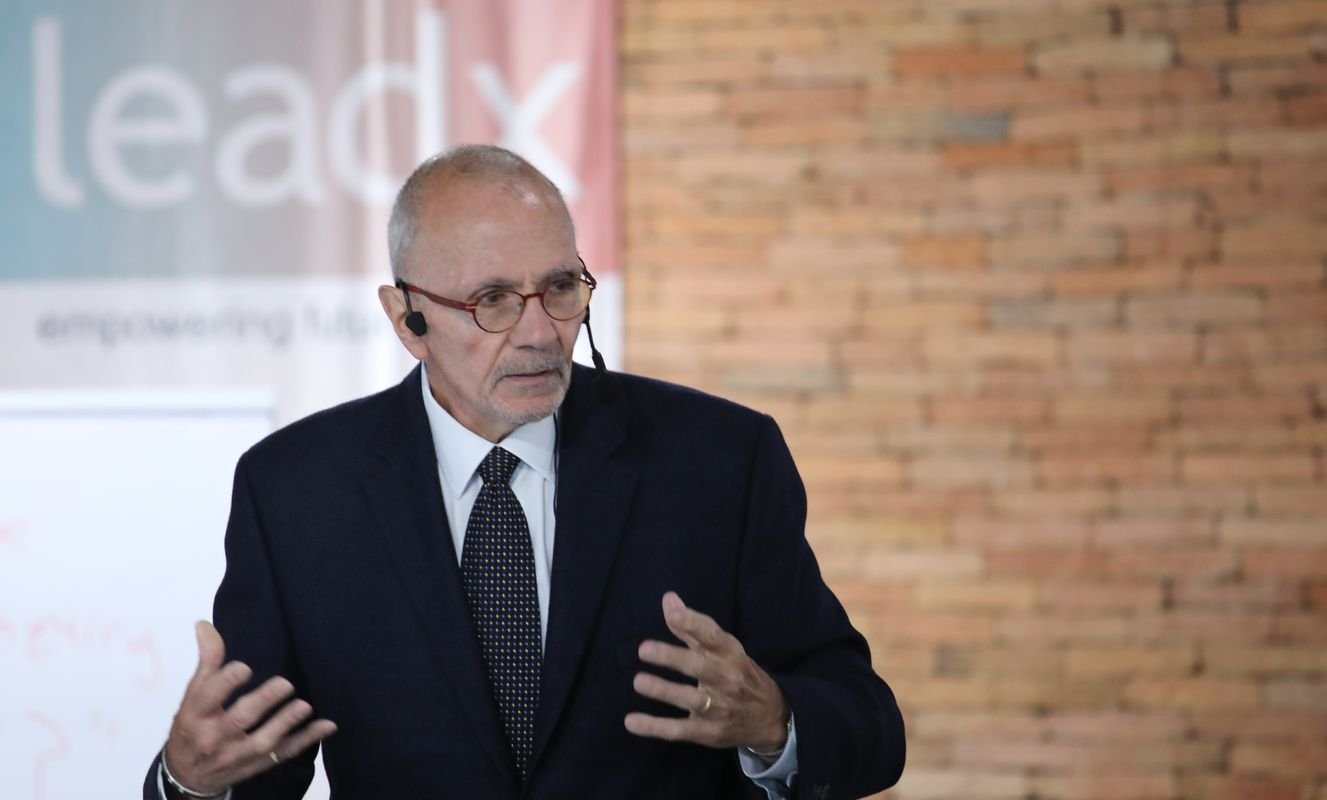
We share with deep sadness the passing of Professor Richard H. Shultz, Jr., Senior Advisor to LEADx and longtime Director of the International Security Studies Program at The Fletcher School of Law and Diplomacy, Tufts University.
Professor Shultz was a defining figure in the field of security studies, and a foundational supporter of the leadership mission that LEADx has carried forward from its earliest days.
A Foundational Presence in the LEADx Community
From the first conversations in 2019, when LEADx was still only an ambitious idea, Professor Shultz believed deeply in its purpose. He recognized the need for a space dedicated to cultivating leaders with clarity, integrity, and courage.
He helped shape LEADx’s founding vision, traveled to Tbilisi for its inauguration, and continued to strengthen each edition that followed. Many within the LEADx network learned directly from his mentorship, wisdom, and guidance. Even when he was not physically present, he remained a steady advocate for the mission and the community.
LEADx mementos held a proud place in his history-filled office, reflecting how personally he valued this project and the people within it.
A Lasting Legacy in Security Studies
Over more than four decades at Fletcher, Professor Shultz helped define the discipline of security studies and shaped generations of scholars and practitioners. His influence continues through the institutions he built and the individuals he mentored, many of whom now serve in governments, universities, organizations, and missions around the world.
Carrying Forward His Example
When words fall short, LEADx often speaks in jazz. In that spirit, Professor Shultz has been described as the community’s John Coltrane: disciplined, foundational, and defining. Through rigor, depth, and clarity, he elevated those around him and made complexity feel purposeful and alive.
As LEADx continues its mission to rethink leadership for a rapidly changing 21st century, we carry forward the baton he placed in so many hands.
Professor Richard H. Shultz, Jr. will be remembered as a mentor, scholar, ally, and enduring presence in the communities he served.
Selendy Gay Secures Record-Breaking Earnout Award in Delaware Case
A major legal decision in Delaware has resulted in the largest earnout-related damages award in the state’s history, following a series of trial and appellate victories secured by Selendy Gay.
The case, involving Fortis Advisors LLC as representative for former shareholders of Auris Health, concluded with a final stipulated judgment of approximately $811 million. The judgment was entered by the Delaware Court of Chancery on January 26, 2026, after the Delaware Supreme Court affirmed key aspects of an earlier trial ruling.
Background of the Dispute
The case stems from a long-running dispute between Auris Health and its acquirer, Johnson & Johnson, following a merger agreement that included earnout provisions tied to performance milestones.
In September 2024, Vice Chancellor Lori W. Will ruled that Johnson & Johnson had breached the merger agreement. The court found that the company failed to use the required level of effort to achieve key milestones and had engaged in fraudulent conduct that affected shareholder outcomes.
Key Findings Upheld on Appeal
The Delaware Supreme Court, sitting en banc, upheld the majority of the trial court’s findings. The appellate decision affirmed that:
Johnson & Johnson breached its obligation to use “priority” commercially reasonable efforts to meet agreed-upon milestones
The damages methodology applied by the trial court was appropriate
The company, through its CEO, fraudulently induced Auris shareholders to accept a reduced contingent payment
The court also rejected arguments that contractual limitations within the merger agreement prevented the fraud claim from proceeding.
Significance of the Ruling
The approximately $811 million award represents the largest earnout-related damages ruling in Delaware history, a jurisdiction widely regarded as a leading venue for corporate law.
The case highlights the importance of transparency and good faith in merger agreements, particularly when performance-based payments are involved. It also reinforces that contractual provisions may not shield parties from liability in cases involving fraud.
Legal Team and Recognition
The legal team representing Fortis was led by Selendy Gay partners Philippe Selendy, Jennifer Selendy, Sean Baldwin, Oscar Shine, Meredith Nelson, and Julie Singer. The team also included appellate specialist Corey Stoughton and several associates, working alongside Delaware co-counsel Ross Aronstam & Moritz LLP.
Following the outcome, the team was recognized by The American Lawyer as “Litigators of the Week,” reflecting the significance of both the trial and appellate victories.
Broader Implications
This case underscores the evolving standards around corporate accountability and the enforcement of merger agreements. It serves as a reminder that earnout provisions, often complex and highly negotiated, can carry substantial legal and financial consequences when disputes arise.
As similar agreements continue to play a central role in mergers and acquisitions, this ruling may influence how future contracts are structured and litigated.
Read More: https://www.selendygay.com/news/general/2026-01-30-selendy-gay-obtains-trial-and-appellate-victories-to-secure-largest-earnout-award-in-delaware-history
Communities Come Together in Minnesota Amid Immigration Protests
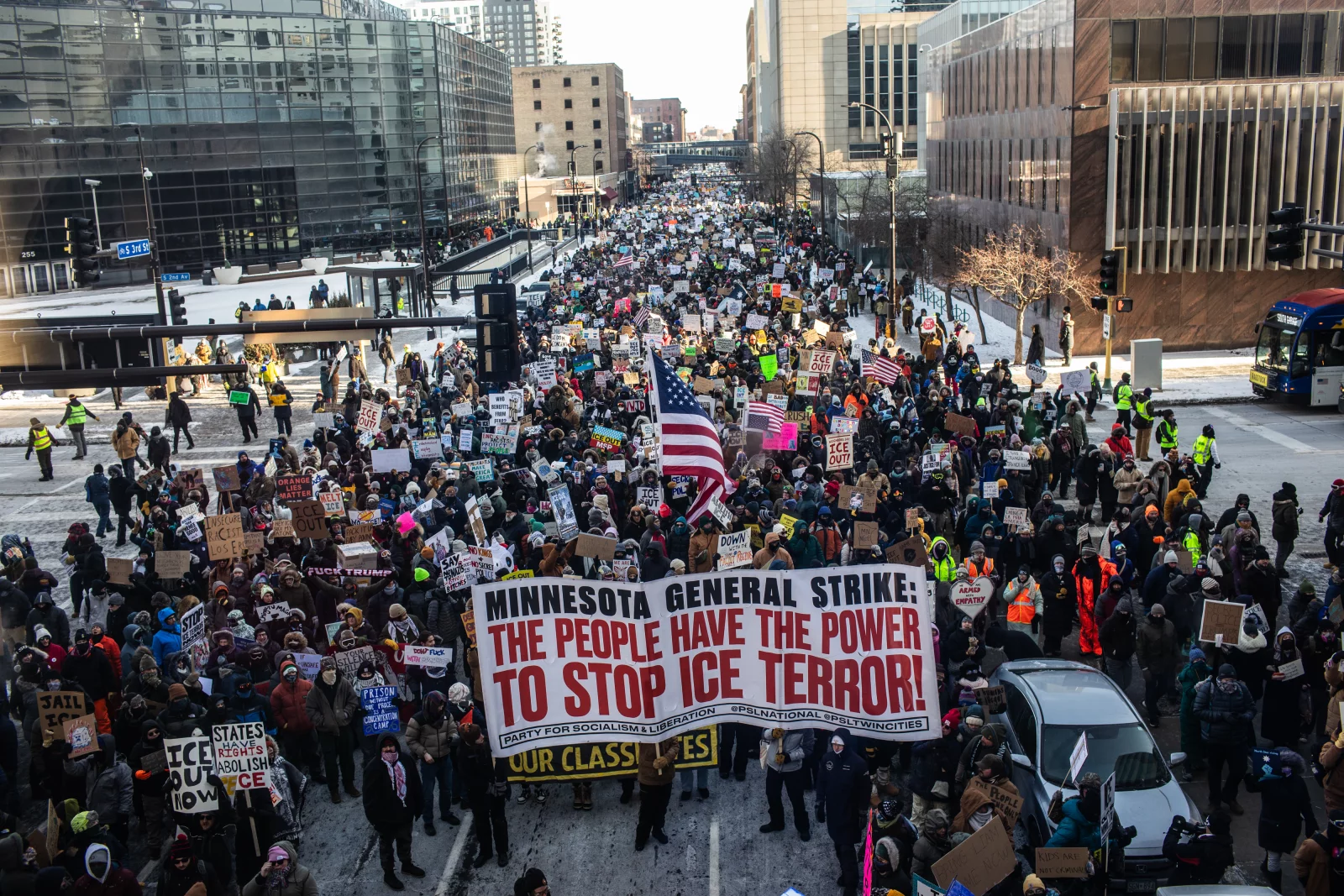
Large crowds gather downtown in subzero temperatures as hundreds of Minnesota businesses close in a statewide "ICE Out" protest and strike against federal immigration enforcement and the expanded ICE operations in Minneapolis, Minnesota, Jan. 23, 2026.
Across Minnesota, communities recently came together in powerful and visible ways to respond to ongoing immigration enforcement actions. Despite freezing temperatures, thousands of people gathered in downtown Minneapolis, showing that community voices remain strong even in the most difficult conditions.
The demonstrations were part of a coordinated effort known as “ICE Out of Minnesota: A Day of Truth and Freedom,” which included marches, rallies, and a statewide economic pause. Hundreds of businesses, including restaurants, bookstores, and cafes, chose to close for the day in solidarity with the movement.
A Day of Collective Action
The protests brought together a wide range of participants, including local residents, labor unions, faith leaders, and community organizers. Many people stayed home from work and school as part of the coordinated effort, while others joined marches and public gatherings.
Downtown Minneapolis became a focal point, with crowds chanting and holding signs that reflected a shared message of support for immigrant communities. Even in subzero weather, participation remained high, highlighting the depth of concern and commitment among those involved.
Voices from the Community
For many participants, the protests were about standing up for neighbors and creating a sense of unity during a time of uncertainty.
One resident shared that people who are not directly affected by enforcement actions feel a responsibility to support those who are. This sense of collective responsibility has been a driving force behind the movement, with individuals stepping forward to advocate for fairness and safety within their communities.
Faith leaders also played an important role, organizing gatherings and offering support through prayer and public presence. At the Minneapolis-St. Paul International Airport, clergy members and community supporters gathered to protest deportation flights, with some arrests reported during the demonstration.
Ongoing Concerns and Community Response
Many residents across Minnesota have expressed concern about the scale and intensity of recent immigration enforcement efforts. Reports describe an increased presence of federal officers and more aggressive tactics, which have contributed to fear and anxiety within affected communities.
In response, grassroots efforts have grown rapidly. Neighbors are helping one another by delivering food, sharing information, and creating local support networks. Community members are also organizing to monitor enforcement activity and provide immediate support when incidents occur.
These actions reflect a broader effort to maintain connection and resilience during a challenging period.
Balancing Perspectives
While protests have focused on concerns about enforcement practices, government officials have emphasized the importance of law enforcement and public safety. Statements from leadership have highlighted a commitment to addressing alleged misconduct while continuing enforcement operations.
This contrast in perspectives underscores the complexity of the issue. It also highlights the importance of ongoing dialogue within communities, where different viewpoints can be shared and understood.
A Community-Centered Moment
What stands out most from these events is the role of community. From large-scale protests to quiet acts of support, people across Minnesota are engaging in conversations about fairness, safety, and belonging.
Moments like these often shape how communities see themselves and how they respond to challenges. Whether through public demonstrations or everyday acts of care, individuals are contributing to a broader conversation about the kind of society they want to build together.
Read More: https://www.npr.org/2026/01/23/nx-s1-5686733/minnesotans-day-of-ice-protests
Choosing Courage: Honouring Dr. Martin Luther King Jr.’s Legacy Through Nonviolence
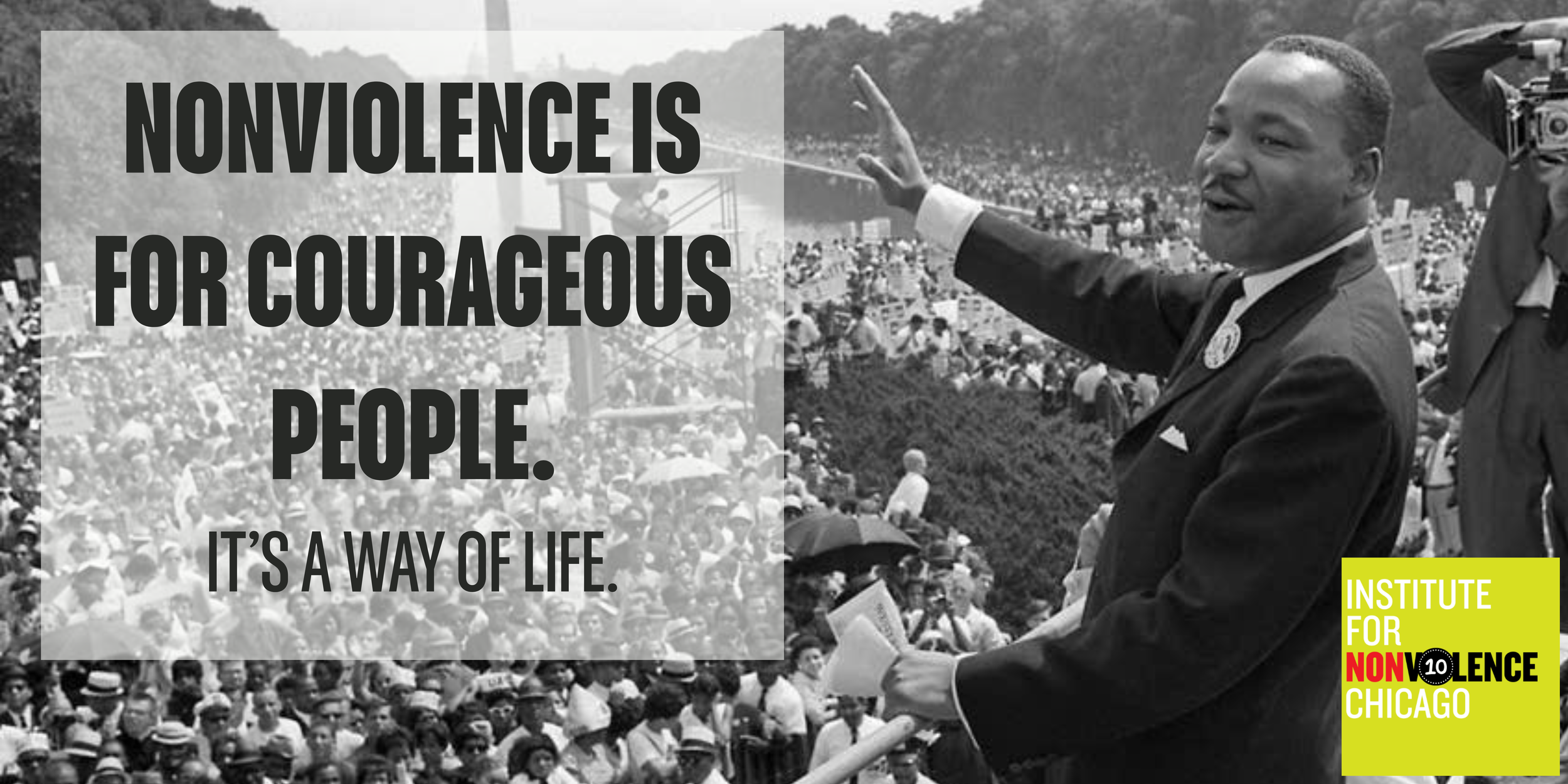
On Dr. Martin Luther King Jr. Day, a powerful message resurfaces—one that continues to shape movements, communities, and individuals across generations: nonviolence is not passive; it is courageous.
In a message shared by Teny Gross, Chief Executive Officer of Institute for Nonviolence Chicago, this idea is brought to life through both reflection and action. Drawing from Dr. King’s philosophy, Gross emphasizes that nonviolence is an active and hopeful way of life—one that calls on individuals to respond to conflict without anger, to replace hatred with understanding, and to build community even in the face of difficulty.
At its core, courage is defined not just by grand gestures, but by the refusal to remain a bystander.
Today, that courage is visible in communities across Chicago. Through programs and services led by the Institute for Nonviolence Chicago, individuals—young and old—are choosing peace in tangible ways. They are working with purpose to transform their own lives, while strengthening their families and neighbourhoods. The impact extends beyond individual change; it reflects a collective effort to reshape communities through empathy, accountability, and support.
What stands out is the breadth of this courage. It is seen in participants who commit to change, in outreach workers who engage directly with communities, in those providing victim support, and in workforce development initiatives that create pathways forward. It is equally present in donors, partners, and everyday individuals who stand up for peace and justice in their own environments.
As the Institute marks a decade of service, there is a sense of both reflection and forward momentum. The past ten years have demonstrated what is possible when courage and community intersect. Looking ahead, the vision remains rooted in the same principles—building safer, more connected communities through sustained engagement and shared responsibility.
Chicago has long been known as a city of resilience. In this vision, it is also a city of possibility—a place where “Big Shoulders” are matched with “Big Dreams.” The invitation is clear: everyone has a role to play, whether through support, learning, partnership, or everyday actions that foster connection and safety.
In remembering Dr. King’s words, the message is not only about reflection, but participation. Nonviolence requires effort, intention, and above all, courage.
Choose peace.
To learn more: https://www.nonviolencechicago.org/ourvalues
Closing a Game-Changing 2025 | PollyLabs Community update
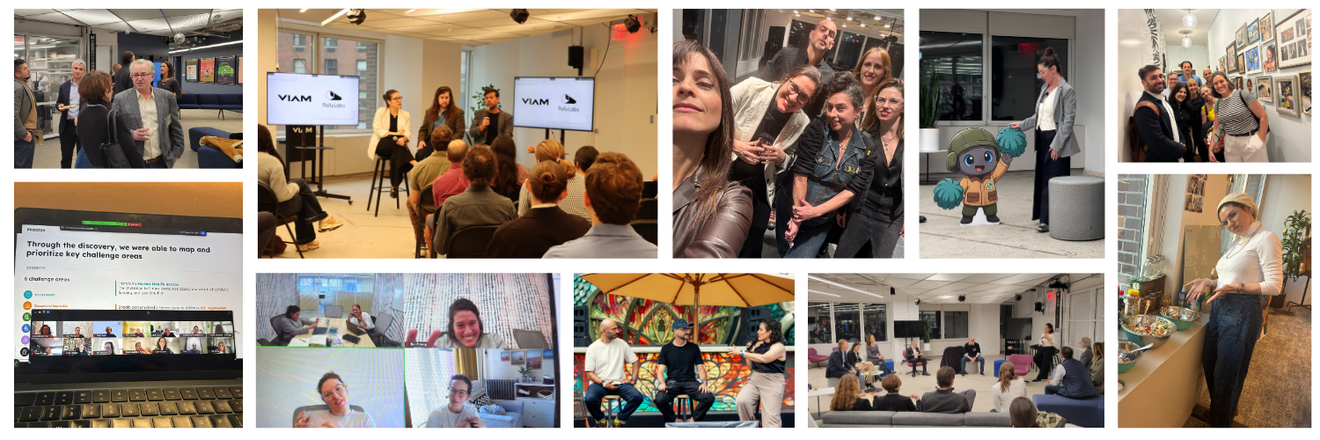
In its year-end community update, PollyLabs reflects on what 2025 revealed about its core thesis: that proven technology, applied thoughtfully and with the right frontline partners, can generate outsized social impact. Early ventures spun out independently, unlocked critical funding, and translated research into practical tools already reaching families at scale—offering early proof of a system-focused approach to impact.
Looking ahead, PollyLabs positions 2026 as a year of scaling what has been built, taking on larger challenges, and inviting others to engage, while maintaining the rigor that made these outcomes possible. The update also recognizes the partners, donors, and team members whose support underpins a broader vision of technology used to reduce avoidable suffering and strengthen resilience.
Click here to read the full report: Polly Labs Community Update
William Ury: Making Peace "Possible"
William Ury is one of the world’s most respected voices in negotiation, mediation, and peacebuilding. A co-founder of Harvard’s Program on Negotiation and author of the bestselling Getting to Yes, Ury has spent decades helping leaders, communities, and nations move beyond conflict toward constructive agreement. His work has ranged from advising on peace processes in Colombia to helping reduce nuclear tensions and teaching negotiation principles that apply anywhere—from the United Nations to everyday life. On Making Peace Visible, Ury shares ideas about how we can understand conflict more deeply and highlight efforts for peace more broadly.
Click here to listen to the podcast: https://www.makingpeacevisible.org/bill-ury
Our Annus Horribilis
In this year-end reflection, veteran foreign correspondent Mort Rosenblum looks back on a difficult and unsettling year in global and U.S. affairs. Drawing on decades of reporting experience, he considers how political choices, diplomatic breakdowns, and shifts in American leadership have affected both international stability and democratic norms at home. The essay situates recent events in a broader historical context, asking what responsibility the United States bears when its actions—and inaction—shape outcomes far beyond its borders.
Read article here: https://www.mortreport.org/reports/our-annus
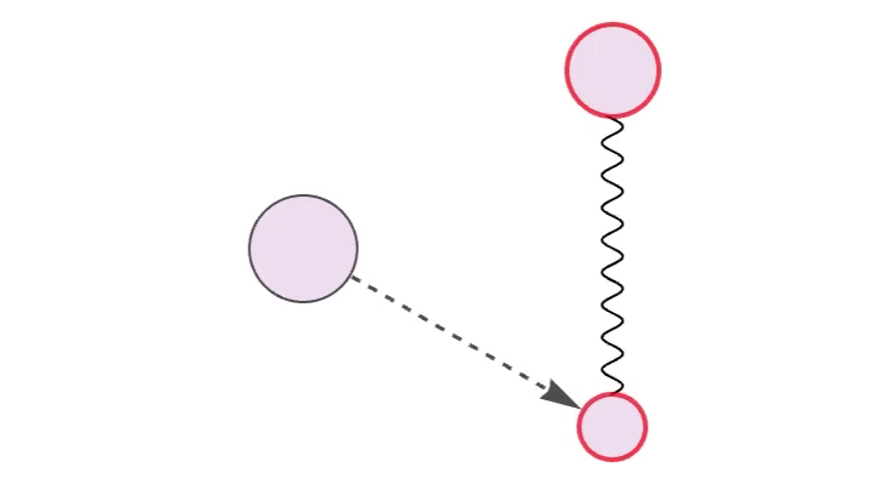
Clarifying the Idea of the Balance of Power - Michael Poulshock
The idea of the balance of power is central to how scholars and policymakers think about international politics, but what does it really mean in practice? In this essay, Michael Poulshock argues that the conventional concept is vague and often conflates observation with prescription. He highlights three core issues: uncertainty about what actions actually constitute balancing, the lack of a clear definition of equilibrium in global politics, and the tendency of the literature to blur descriptive analysis with advice. By reframing the balance of power through a systematic framework grounded in power structure theory, this piece offers a fresh lens on how states form coalitions, deter dominance, and manage competition in the international system.
Click here for the full article: Michael Poulshock Substack
10 Conflicts to Watch in 2026 - Foreign Policy
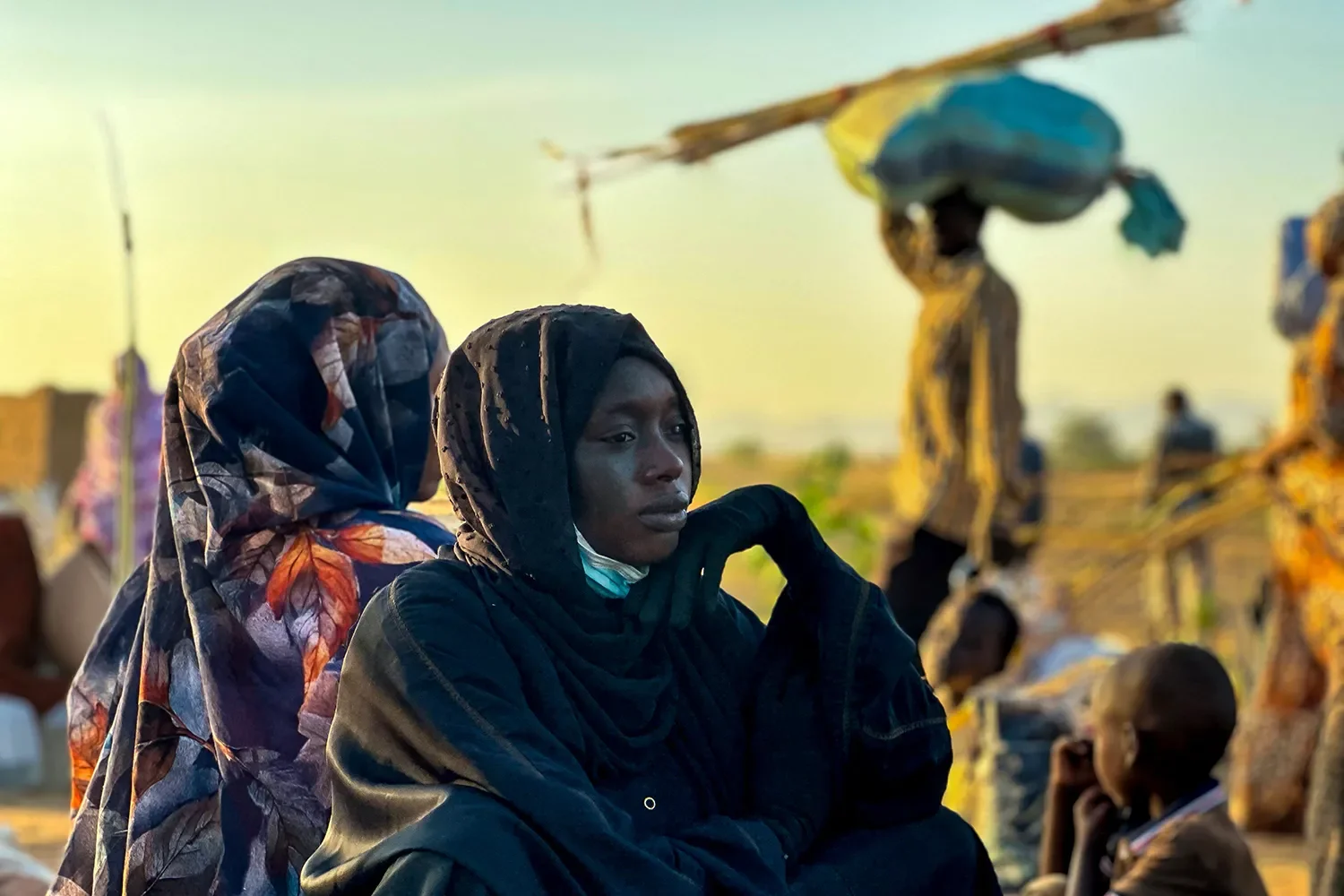
War, instability, and political ruptures aren’t fading as the new year begins—they’re multiplying. In its annual forecast of global hotspots, Foreign Policy and the International Crisis Group highlight the conflicts most likely to shape geopolitics in 2026. From the grinding full-scale war in Ukraine and the fragile aftermath of the Gaza fighting to renewed tensions in Africa, the Middle East, and the Western Hemisphere, these are not distant troubles: they are flashpoints with worldwide implications, affecting diplomacy, humanitarian crises, and world order. If 2025 was defined by violent confrontation and shifting alliances, 2026 may prove even more consequential.
Read more on their website: Foreign Policy