
Article Explores Anti-Roma Prejudice, Identity, and Integration in Europe
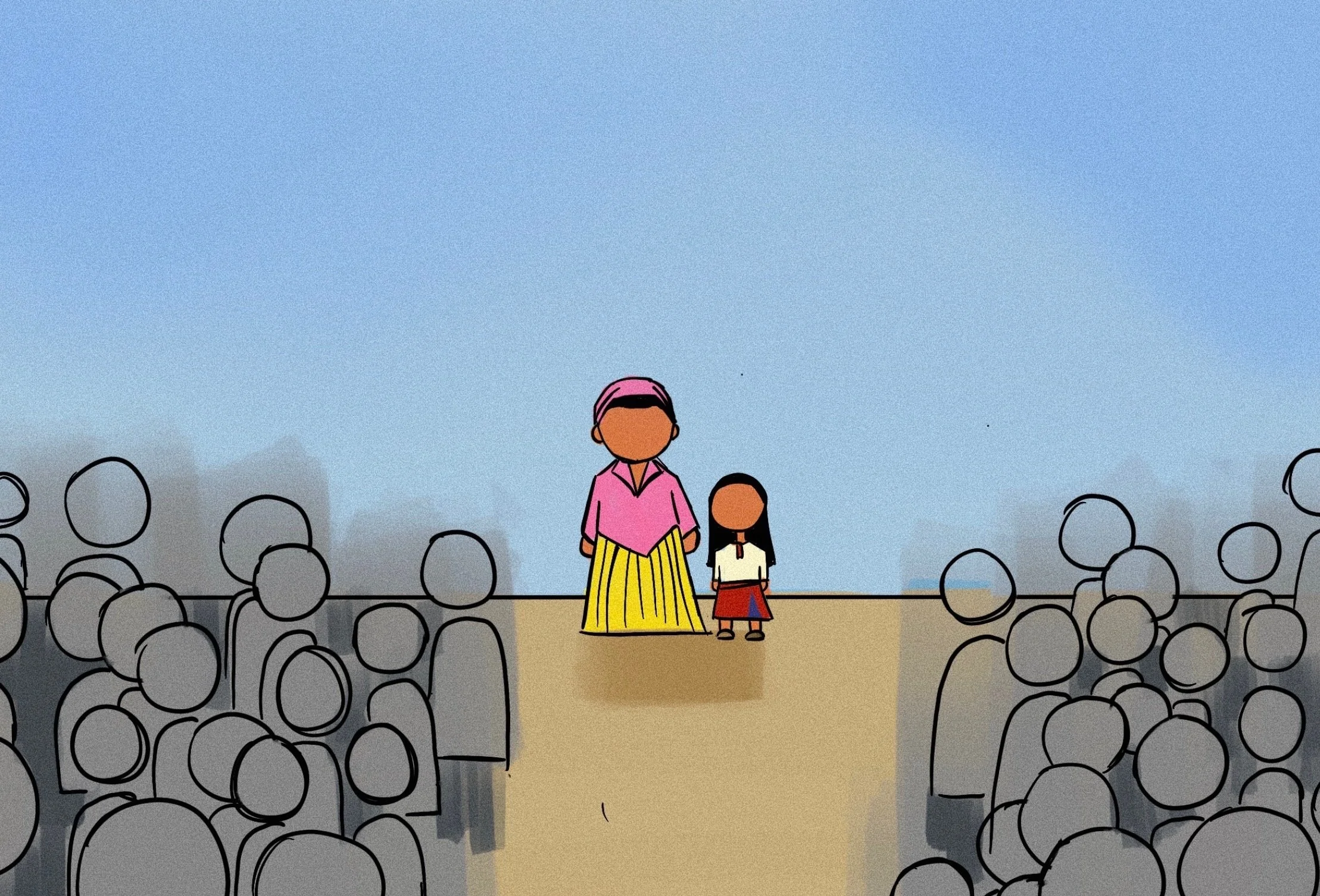
A recent essay published in The Phillipian examines the persistent discrimination faced by Roma communities across Europe, while also exploring deeper questions surrounding identity, integration, historical memory, and representation.
Written by Isabella Mazzi, “The Roma Problem Isn’t What You Think” reflects on the author’s experiences researching Roma communities in Serbia and engaging with activists, educators, entrepreneurs, artists, and organizers connected to Roma advocacy and social development initiatives.
The article opens by reflecting on long-standing stereotypes surrounding Roma people, including fear-based myths historically passed down through generations in parts of Europe. Mazzi uses these cultural memories to examine how anti-Roma prejudice has remained deeply embedded in everyday social attitudes despite broader narratives of European liberalism and multiculturalism.
The Roma, often historically referred to by the contested term “Gypsies,” are Europe’s largest ethnic minority and have faced centuries of marginalization, exclusion, forced displacement, and violence. During the Holocaust, hundreds of thousands of Roma people were persecuted and murdered by the Nazi regime, though their suffering has often received less public attention than other aspects of European wartime history.
Seeking to understand contemporary attitudes toward Roma communities, Mazzi worked with the Roma Education Fund (REF) in Belgrade, a non-governmental organization focused on education and social inclusion. Initially, the author encountered what appeared to be widespread public support for Roma integration and equal treatment. Educational access, healthcare support, and institutional outreach efforts were often presented as signs of progress.
However, the article argues that beneath this outward acceptance lies a more complicated reality. According to Mazzi’s observations, many individuals who claimed to support Roma equality still maintained social distance and implicit prejudices. Examples included reluctance to engage socially with Roma families or subtle resentment toward programs aimed at improving Roma living conditions and opportunities.
The essay also explores tensions within Roma identity itself. Through interviews with successful Roma professionals, artists, and organizers, Mazzi describes differing perspectives on representation, visibility, and collective identity. Some interviewees questioned whether public recognition of their achievements came from merit or from institutional efforts to showcase diversity and inclusion success stories. Others emphasized the importance of collective advancement and public role models.
A central theme of the article is the challenge of self-definition. Mazzi argues that Roma history has often been erased, fragmented, or filtered through the narratives of dominant societies. While Roma culture, especially music and artistic traditions, has become internationally recognized, the article notes that some Roma intellectuals and activists believe these representations can also reinforce stereotypes and oversimplified cultural images.
Drawing on ideas from scholar Margareta Matache and broader discussions around anti-Roma racism, the article suggests that material progress alone may not fully address exclusion unless accompanied by stronger recognition of Roma history, identity, and self-representation.
The piece concludes by emphasizing that the Roma are not outsiders to Europe, but have been part of the continent’s social fabric for centuries. It argues that confronting anti-Roma prejudice requires not only institutional reform and improved living conditions, but also a deeper reckoning with historical narratives and cultural stereotypes that continue to shape public perceptions today.
Read the full article here: https://phillipian.net/2026/05/01/the-roma-problem-isnt-what-you-think/