Beyond the Binary: A Ground-Level View of Life in Iran
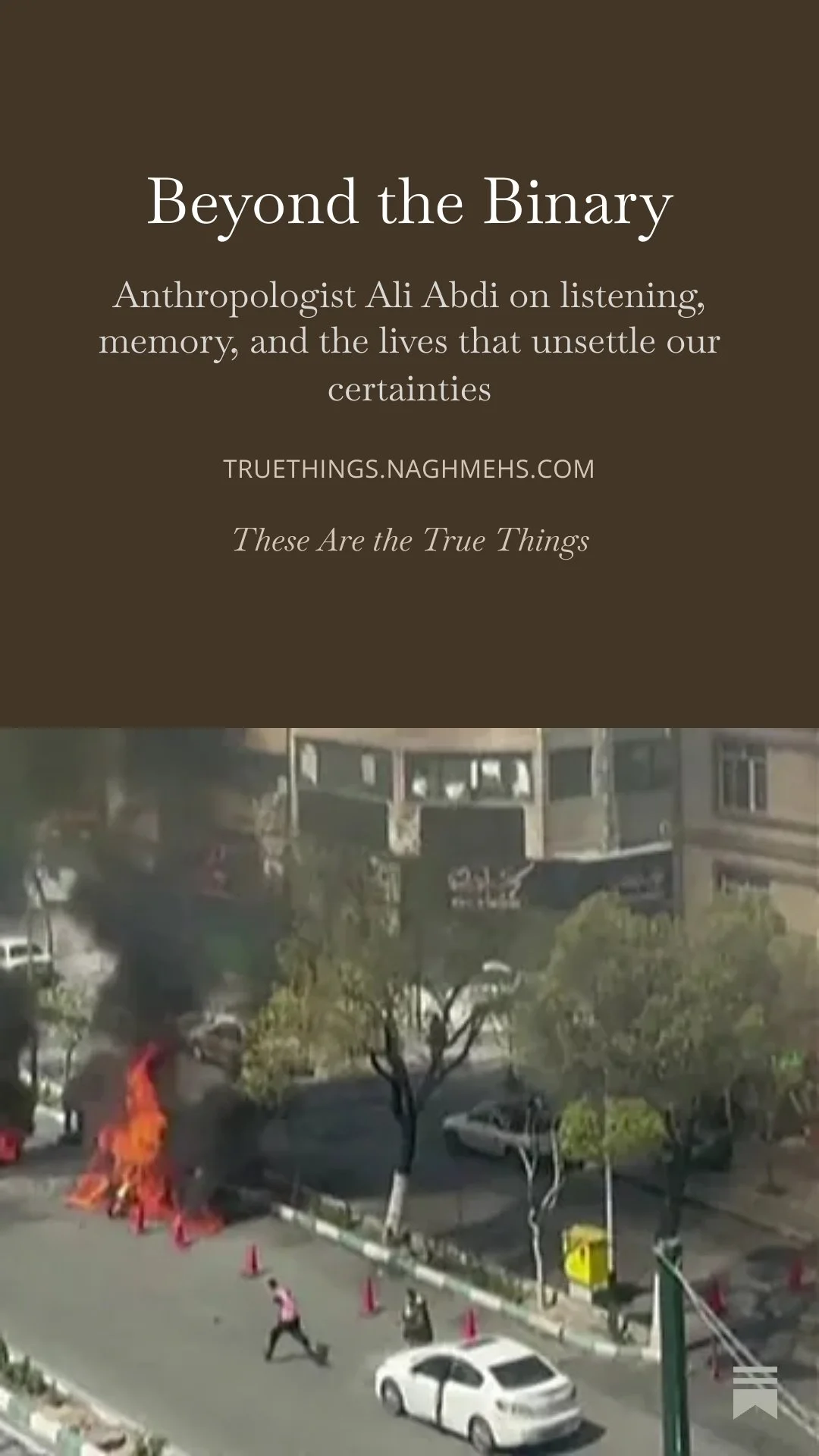
A recently shared and translated text by Iranian anthropologist and activist Ali Abdi offers a striking and deeply human account of life in Iran, challenging dominant narratives that often frame the country’s realities in simplistic terms.
Introduced by scholar Naghmeh Sohrabi, the piece presents a perspective that moves beyond the familiar binary of repression versus war. Instead, it centres on lived experiences, drawing together personal observations, memories, and stories that reflect the complexity of everyday life.
The narrative opens in Tehran during the early days of Farvardin, the beginning of the Iranian New Year. Rather than celebration, the city is described as subdued and tense. Streets appear quiet, the air is heavy, and the presence of armed forces and detentions creates an atmosphere of unease. These observations offer a glimpse into how broader political and military developments are felt at the level of daily life.
From Tehran, the account shifts to Isfahan, where conversations reveal personal stories of loss and hardship. Accounts of detention, restricted medical access, and the emotional impact on families highlight the human cost of ongoing tensions. These experiences are not presented in isolation but are connected to wider social and political conditions, illustrating how individuals navigate uncertainty and pressure.
A key theme throughout the text is the rejection of rigid binaries. Abdi critiques the tendency to divide society into opposing categories such as pro- or anti-government, or pro- or anti-war. He suggests that such frameworks fail to capture the realities of most people, whose lives and perspectives are shaped by overlapping and often conflicting experiences.
The piece also draws parallels between different moments of loss, placing side by side events such as the killing of a child during the Women, Life, Freedom movement and the experiences of schoolchildren in more recent incidents. These comparisons emphasise shared grief and highlight the need to recognise common humanity across divisions.
At its core, the text calls for a shift toward listening and understanding. It argues that meaningful connection requires engaging with the lived experiences of others, even when those experiences challenge existing beliefs or assumptions. This approach is presented as essential for moving beyond fragmentation and fostering a more cohesive society.
The translation, produced by Alireza Doostdar, forms part of a broader effort to bring perspectives from within Iran to a wider audience. By amplifying these voices, the initiative contributes to a more nuanced understanding of the country’s social and political landscape.
Read the full text here: https://truethings.naghmehs.com/p/beyond-the-binary