Rethinking Conflict: The “Incentive Gradient” and the Dynamics of Power
A recent analysis by Michael Poulshock introduces a new way of understanding conflict within power structures, offering a framework that moves beyond binary thinking toward a more nuanced view of how and why conflicts emerge.
In The Conflict Incentive Gradient, part of an ongoing series on power structures, Poulshock builds on earlier concepts of the “conflict boundary” to explore how incentives for conflict and cooperation shift continuously rather than appearing as fixed thresholds.
From Boundaries to Gradients
Traditional models of conflict often rely on clear dividing lines: conditions under which a dominant actor either chooses to attack or cooperate with a weaker one. Poulshock’s earlier concept of the “conflict boundary” reflects this binary perspective.
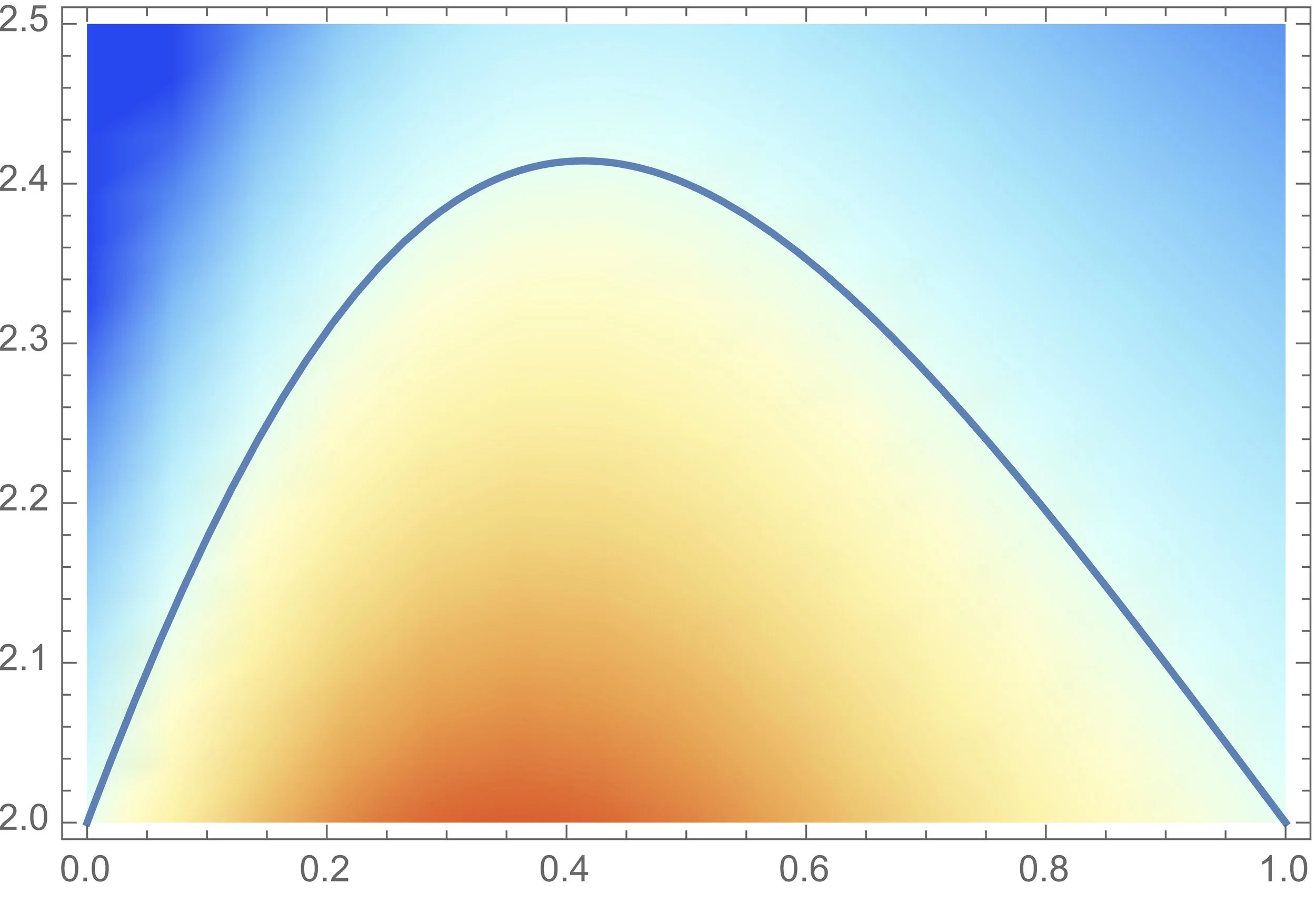
The new model reframes this boundary as a continuous gradient, where incentives vary in intensity. Instead of asking whether conflict will occur, the framework examines how strong the motivation for conflict or cooperation is under different conditions.
This approach introduces a spectrum:
Areas of high incentive for conflict
Areas of strong incentive for cooperation
Intermediate zones where outcomes are less predictable
This shift allows for a more realistic understanding of decision-making, acknowledging that actors are influenced by multiple factors beyond raw power calculations.
The Peak Risk Zone
One of the key findings of the model is the identification of a critical threshold in power relationships.
Conflict incentives appear to be strongest when a weaker actor reaches approximately 40% of the dominant actor’s power. At this level, the weaker actor is:
Strong enough to pose a meaningful threat
Not strong enough to impose prohibitive costs on the dominant actor
This creates a “maximum pressure zone” where the dominant actor has the greatest incentive to act aggressively.
The insight aligns with historical observations that many significant geopolitical rivalries emerge when rising powers reach intermediate levels of strength relative to established powers.
Beyond Power Alone
The model emphasizes that power is only one dimension influencing behavior. In real-world systems, decisions are shaped by:
Institutional constraints
Cultural norms and identity
Risk tolerance
Historical path dependencies
When the incentive to gain power is low, these other factors often dominate. However, as incentives increase, they can override competing considerations, making conflict more likely.
This helps explain why similar power configurations can lead to different outcomes depending on context.
Stability Through Multipolarity
The framework also highlights the stabilizing role of additional actors in a system. The presence of a third significant power can reduce the likelihood of conflict between the two leading actors.
This occurs because engaging in conflict risks weakening the dominant actor relative to the third party, creating a natural deterrent.
Such dynamics suggest that multipolar systems may, under certain conditions, produce greater stability than simpler power structures.
Bridging Competing Theories
A notable contribution of the “conflict incentive gradient” is its potential to reconcile competing schools of thought in international relations.
The model provides a way to interpret both:
Balance of power theory, which emphasizes stability through equilibrium
Power transition theory, which predicts conflict during shifts in dominance
By showing how both patterns can emerge from the same underlying structure, the framework suggests that longstanding theoretical divisions may reflect different perspectives on the same system.
Implications for Understanding Conflict
Rather than treating conflict as inevitable or purely situational, the gradient model frames it as a matter of probability and intensity. It shifts the focus from predicting outcomes to understanding risk levels and pressure points within systems.
This perspective may offer valuable insights for policymakers, analysts, and scholars seeking to navigate increasingly complex global dynamics.