Maduro Is Gone. The Mafia State Remains
The capture of Nicolás Maduro in early January 2026 marked what many hoped would be a turning point for Venezuela—a country that was once among the wealthiest in South America but has endured years of political repression, economic collapse, and mass migration.
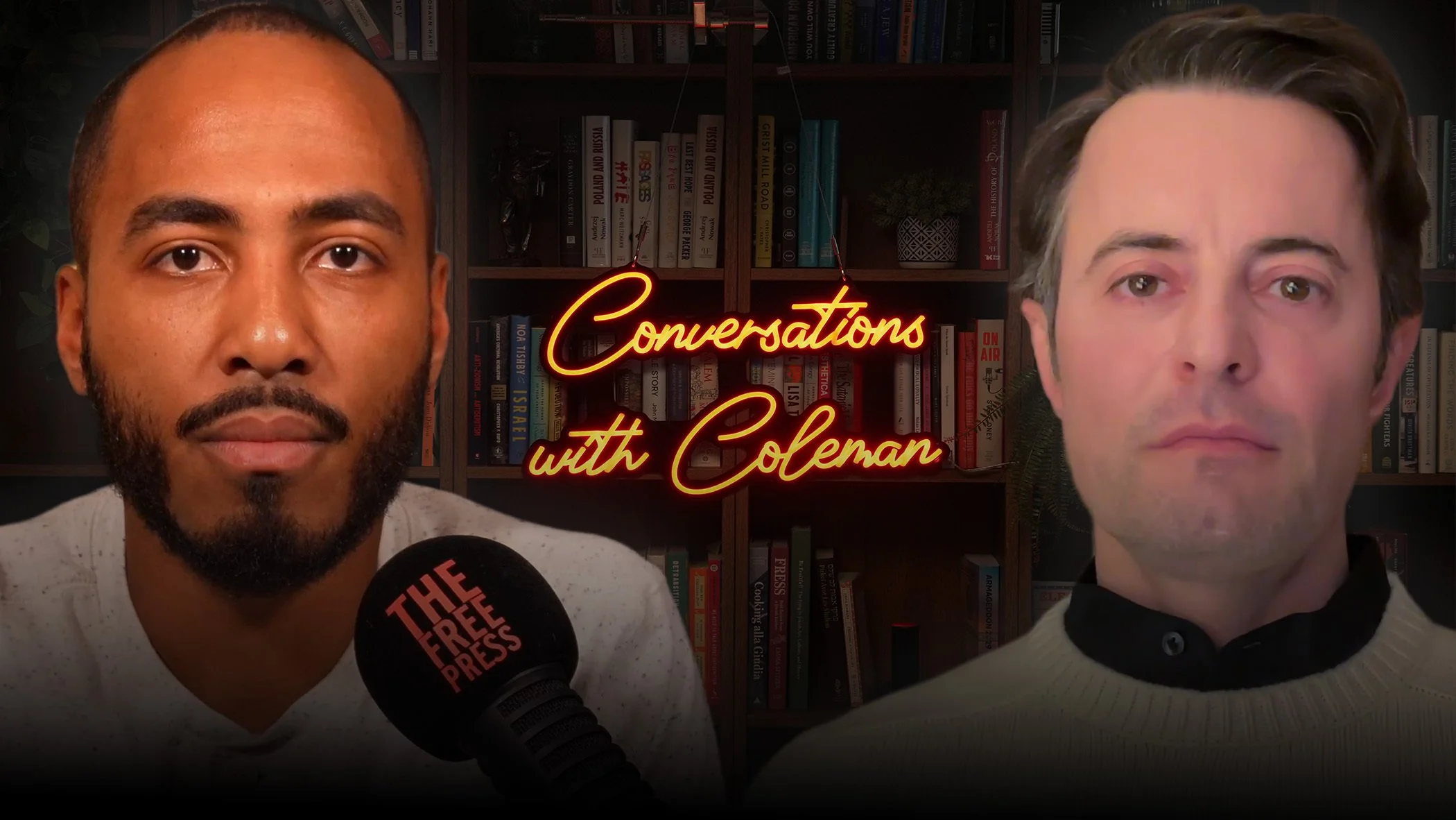
Yet, as highlighted in a recent discussion by Coleman Hughes featuring Venezuelan human rights advocate Thor Halvorssen, the fall of a leader does not necessarily mean the fall of the system he represented.
Beyond One Leader
Maduro’s removal has created a rare moment of optimism. However, the deeper concern lies in what remains: a network of power embedded within Venezuela’s military, intelligence agencies, and political institutions.
According to the discussion, the Venezuelan regime functioned less like a conventional government and more like a criminal enterprise, sustained through control over oil revenues, illicit financial flows, and strategic alliances.
This system, built over years, does not disappear with the capture of a single individual.
The “Mafia State” Structure
The term “mafia state” reflects a system where political authority and organized crime become intertwined. In Venezuela’s case, this meant:
Control of state institutions by loyalists
Economic systems tied to illicit activities such as narcotics and corruption
Security forces aligned with regime survival rather than public accountability
Even after Maduro’s capture, many of these structures remain intact, raising concerns about whether meaningful reform can occur without broader institutional change.
Experts warn that transitions of this kind often face a difficult path. Power does not simply vanish—it is redistributed, resisted, or reshaped by those still embedded within the system.
A Human Rights Perspective
For Thor Halvorssen, founder of the Human Rights Foundation, the crisis in Venezuela is deeply personal. His activism began after his family directly experienced state repression, shaping a lifelong commitment to exposing abuses of power.
In the conversation, Halvorssen emphasizes that Venezuela’s situation is not just political—it is humanitarian. Millions have fled the country, and those who remain continue to face shortages, instability, and limited freedoms.
The discussion also challenges common misconceptions, noting that external observers have often underestimated the resilience of the regime and misunderstood the complexity of its collapse.
What Comes Next?
The central question now is whether Venezuela can transition toward democracy—or whether the existing system will simply evolve into another form of authoritarian control.
Possible outcomes include:
Democratic transition, driven by reform and international support
Authoritarian rebalancing, where the same power structures persist under new leadership
Instability or fragmentation, if competing factions struggle for control
As analysts note, even after leadership change, “the people with the guns” often remain the same—making transformation far more complex than it appears.
Why This Matters
The situation in Venezuela serves as a broader reminder: removing a leader is only the first step. Real change requires dismantling entrenched systems of power, rebuilding institutions, and restoring public trust.
For communities and organizations focused on governance, human rights, and anti-corruption—such as The Trebuchet and initiatives like the Human Rights Foundation—this moment represents both an opportunity and a challenge.