Sohinaz Sotoudeh
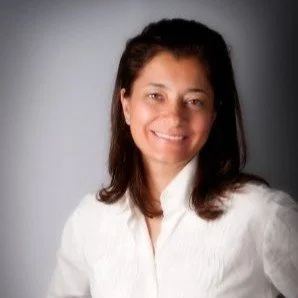
Sohinaz Sotoudeh is a distinguished leader in the global energy sector whose career exemplifies innovation, strategic foresight, and an unwavering commitment to sustainable development.
As Senior Vice President and Head of Development and Origination at Diamond Generating Company, Sohinaz has been at the forefront of transforming the energy landscape, guiding the company’s efforts to identify, structure, and deliver groundbreaking power assets into operation. These assets span the spectrum of energy technologies, from natural gas generation to wind, solar, solar-plus-storage, and advanced standalone storage systems—projects that are not only reshaping markets but also addressing the urgent challenges of energy transition.
Known to us as "Sunny" when she was my student in our EPIIC colloquium, International Security: The Environmental Dimension (1992) at the Institute for Global Leadership at Tufts, her disposition easily reflected her name. While light-hearted and warm in demeanor, she was clearly a serious and thoughtful student, and I enjoyed our conversations and her challenging questions.
She graduated with honors in economics from Tufts University, and subsequently earned her MBA in Finance from Columbia University's Business School.
Her career which bridges finance, innovation, and global energy leadership reflects a remarkable progression through some of the most dynamic organizations in the field.
At EDF Renewables North America, Sohinaz directed power marketing and transactions, negotiating complex power contracts and acquisitions that strengthened renewable energy deployment across the continent. Earlier, as Vice President of Business Development at Ogin Energy, she helped shape the company’s wind development strategy and led strategic acquisitions. Her career foundation was built at GE Capital’s Equity Capital Group, where she evaluated and supported venture capital investments in energy technology start-ups, sharpening her ability to recognize and cultivate transformative opportunities.
Known for her clarity of vision, her ability to bridge financial acumen with technological innovation, and her deep commitment to advancing sustainable solutions, Sohinaz represents the very best of what leadership in energy can achieve.
She is celebrated not only for her professional achievements but also for her role as a mentor, collaborator, and forward-thinking voice in a rapidly evolving global industry.
Sunny's specific remarkable trajectory might not have been knowable, to either of us, in the early 90's. Yet the environmental dilemmas were overt, as was her determination and ambition to contribute to global sustainable progress. She has succeeded.
Fred Hogan
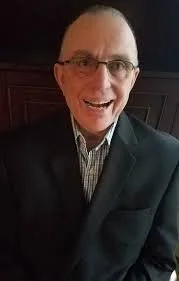
Fred Hogan’s life has been defined by service, honor, and an unwavering pursuit of justice. A veteran of the United States Army, he was shaped by the discipline and values of military service — resilience, loyalty, and responsibility — which became guiding principles in his civilian life. After returning home, Hogan joined the New Jersey police force, where he quickly earned a reputation for diligence and integrity. Yet it was also during this time that he began to recognize the flaws and contradictions of the criminal justice system. He saw how prejudice, shortcuts, and institutional pressure could distort truth, and these observations planted the seeds for the transformative career shift that would define his legacy.
Hogan left the badge behind to become a senior investigator with the New Jersey Office of the Public Defender. In this role, he crossed from enforcing the law to defending its integrity, devoting himself to uncovering wrongful convictions and ensuring that the most vulnerable defendants received a fair hearing. His transition was not just professional but moral, embodying his belief that true justice required confronting the system’s failures head-on rather than ignoring them.
It was in this work that Hogan became deeply involved with one of the most infamous cases of wrongful conviction in American history — that of Rubin “Hurricane” Carter and John Artis, wrongfully convicted of a 1966 triple murder in Paterson, New Jersey. Hogan’s investigative persistence and refusal to accept easy answers made him a critical figure in the decades-long struggle for their freedom. He uncovered inconsistencies in witness testimony, gathered new evidence, and ultimately testified at Carter and Artis’s 1976 retrial, introducing his own handwritten notes that exposed the prosecution’s case as a fabrication. In his acclaimed biography Hurricane: The Miraculous Journey of Rubin Carter, author James S. Hirsch underscored Hogan’s importance, quoting Carter as saying, “Without Hogan, I would have died in prison.” Hirsch himself affirmed that Hogan was “instrumental in helping Rubin and John Artis win their freedom,” a testament to the magnitude of his contribution.
Hogan’s relationships with Carter and Artis grew beyond the courtroom into enduring friendships, binding him personally as well as professionally to their cause. These experiences deepened his commitment to justice and broadened his voice in debates over wrongful conviction and the death penalty. His credibility and moral clarity earned him appointments to the New Jersey Supreme Court’s District III Ethics Committee and the state’s Wrongful Conviction Review Board, where his unusual perspective — shaped by his service as a soldier, a policeman, and a defense investigator — gave him authority as both a critic and a reformer.
Hogan also carried his advocacy into the classroom and the public square. At Tufts University, he was invited to speak on the death penalty, where he delivered a powerful lecture that combined legal insight with personal witness. Students and faculty alike were struck by his candor, his storytelling, and the moral urgency of his message. His ability to bridge the professional and the personal, the systemic and the human, made him not only a practitioner of justice but also a teacher of it.
In 2019, Hogan chronicled his extraordinary journey in the book Justice on the Ropes. Both a memoir and a call to action, the book detailed his military service, his time in law enforcement, his investigative work, and his friendships with Carter and Artis. The launch of the book at Brookline Booksmith I organized, was more than a literary event — it was a celebration of a life devoted to truth, a gathering of advocates, students, and citizens inspired by his story and determined to continue the fight against injustice.
Through every chapter of his life — soldier, policeman, investigator, advocate, and author — Fred Hogan has exemplified courage, integrity, and empathy. His work with Rubin Carter and John Artis not only helped overturn one of the most notorious wrongful convictions in American history but also demonstrated the power of one individual’s determination to confront systemic failure. His story stands as both a cautionary tale about the fragility of justice and an enduring example of what can be achieved when conscience and courage prevail.
Fred is a true, humble, and noble man. He wins the respect and admiration of everyone he meets. I am greatly privileged to know him.
Dan Feldman
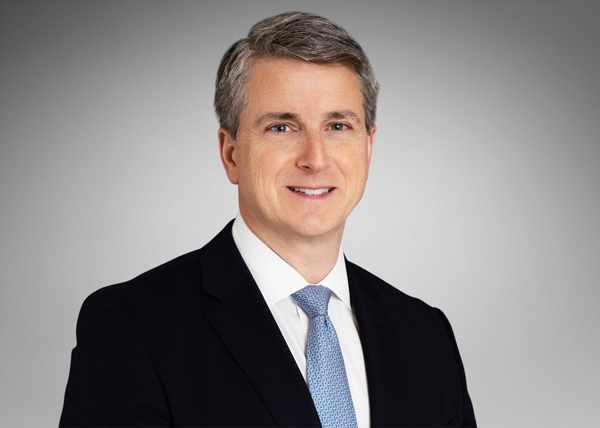
Dan Feldman co-chairs the firm’s ESG and Business & Human Rights practices, where his work focuses on environmental, social, and governance (ESG) counseling, business and human rights (BHR), global public policy, and international regulatory compliance. A member of the firm’s Global Problem Solving initiative, he draws on extensive government service across multiple U.S. Administrations. As Chief of Staff and Counselor to Secretary John Kerry in his role as the first Special Presidential Envoy for Climate under President Biden, Dan helped drive the U.S. international climate agenda, coordinating interagency policymaking, engaging corporate stakeholders, and contributing to key bilateral and multilateral climate discussions, including the 2021 Leaders’ Summit on Climate and COP26 in Glasgow.
Previously, Dan served as Deputy and then U.S. Special Representative for Afghanistan and Pakistan at the State Department in the Obama Administration, as Director of Multilateral and Humanitarian Affairs at the National Security Council in the Clinton Administration, and as Counsel and Communications Adviser to the U.S. Senate Homeland Security and Governmental Affairs Committee. He also acted as a senior foreign policy and national security advisor to Democratic presidential and Congressional campaigns. Beyond government, Dan has counseled multinational corporations on ESG and sustainability strategies, with particular expertise in BHR, and was among the first U.S. attorneys to develop a corporate social responsibility practice, recognized by Chambers for his leadership in this field.
He has advised clients on engagement with Members of Congress, executive and foreign government officials, embassies, multilateral institutions, industry associations, NGOs, and the media. Dan also spent more than six years leading civilian efforts on Afghanistan and Pakistan at the State Department, holding the rank of Ambassador from 2014 to 2015. Currently, he is a partner at Akin Gump, a senior advisor at the Albright Stonebridge Group, and a nonresident senior fellow at the Center for American Progress.
Michal Fux
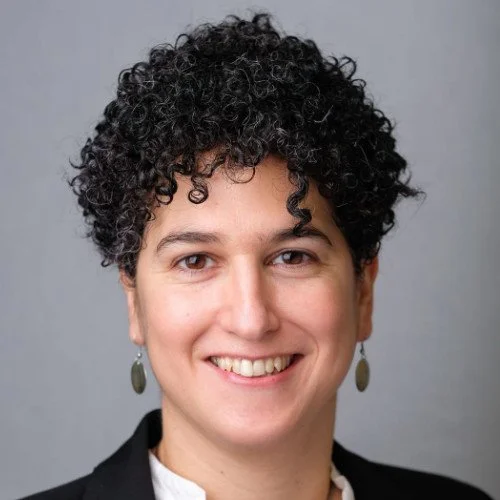
Dr. Michal Fux is a research scientist in the Department of Brain and Cognitive Sciences at the Massachusetts Institute of Technology. Her career has been marked by an unusual intellectual trajectory that links biology, animal behavior, cognitive science, and cultural studies.
She began her academic studies at the Hebrew University of Jerusalem, earning a degree in biology. From there she moved to Tel Aviv University for her master’s degree in zoology, where she developed expertise in careful behavioral observation and experimental approaches to the study of animals. This early grounding in zoology prepared her for the broader comparative perspective that would define her later work.
Dr. Fux pursued her doctoral research at Queen’s University Belfast, in the Institute of Cognition and Culture. Her dissertation explored cultural rituals as by-products of precautionary cognitive systems. The project combined evolutionary reasoning with cultural analysis, proposing that rituals — often viewed as symbolic or arbitrary — can be understood as rooted in the human mind’s ancient strategies for dealing with uncertainty, danger, and threat. Her research at Queen’s was recognized with competitive fellowships and travel awards, and she expanded her perspective further through time as a visiting fellow at the University of KwaZulu-Natal in South Africa.
Following the completion of her Ph.D., she continued her research as a postdoctoral fellow at the University of South Africa, and later moved to the United States to join Northeastern University. At Northeastern’s CORE Lab she worked on projects that examined cognition in cultural and educational contexts, contributing to both experimental research and the mentoring of students.
In 2022, Dr. Fux joined MIT as a research scientist. Her current work connects directly back to the themes that have long animated her scholarship: how cognition drives behavior, whether in humans performing rituals or in animals hunting prey. Her studies of barn owls, for example, have investigated how these birds track their targets and decide when to strike, offering insights into how perceptual systems support survival behaviors. Alongside this, she continues to examine ritual in human life as a window into precaution, memory, and the architecture of the mind.
Dr. Fux’s career, spanning Israel, the United Kingdom, South Africa, and the United States, reflects a consistent effort to cross boundaries between disciplines and institutions. At MIT, she continues to bring together biology, anthropology, and cognitive science to illuminate both the shared patterns and the distinctive complexities of behavior across species
Sindhuja Sankaran
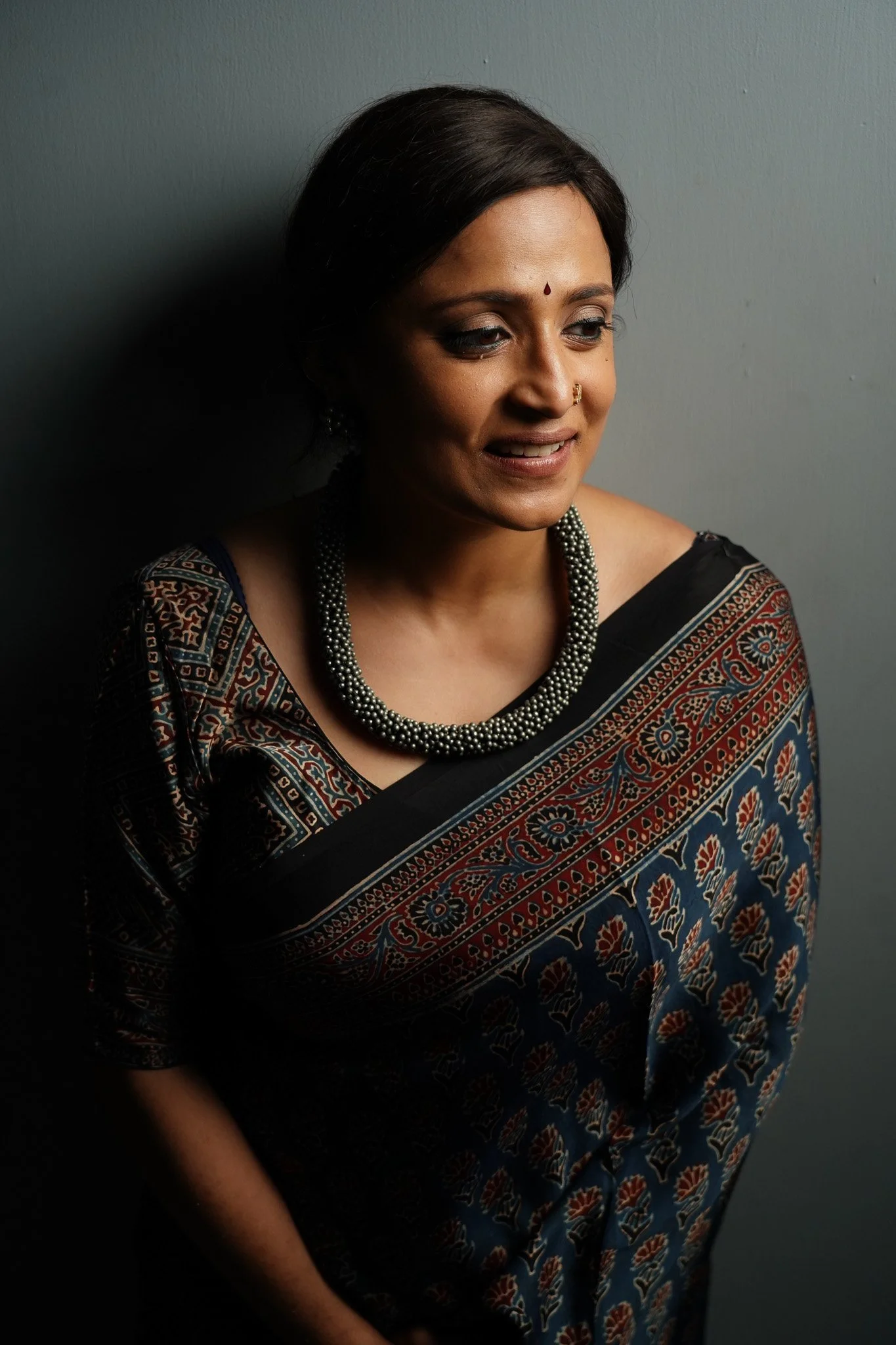
Dr. Sindhuja Sankaran is an Associate Professor of Psychology and currently serves as the Associate Dean of the School of Arts and Sciences and Dean of Student Affairs at Sai University, Chennai, India. She earned her PhD from Cardiff University and spent eight years in Poland pursuing teaching and research. Her academic work focuses on political psychology, moral judgment, refugee rights, and their intersection with social cognitive processes. Outside academia, she is also an active musician and the founder of Rethinking Refugees, an NGO based in India dedicated to raising awareness and promoting advocacy around issues of migration, displacement, and statelessness.
Webinar on Red Team AI Simulation

A special webinar titled “Red Team AI Simulation: An Adversarial Scenario in AI-Biotech Intersection” will be held on Wednesday, 10 September 2025, from 6:30 PM to 7:45 PM IST. The event is organized by CSI Chennai, IEEE CS Madras, ACM Chennai, and Bioclues, and will feature student researchers from Sai University, Chennai.
Event Focus
The session explores AI red teaming—a practice where experts simulate real-world attacks on AI systems to uncover vulnerabilities. In this case, students examined how large language models (LLMs) can be manipulated in the context of biotechnology and bioweapon risks. Their work highlights critical vulnerabilities in AI and the urgent need for robust safeguards, ethical guidelines, and proactive risk mitigation strategies.
Speakers
Four student presenters will share their findings:
Hariniy Gunaseelan – 3rd Year BTech (Data Science)
Danisha Shri – 3rd Year BS (Philosophy & Psychology)
M. R. Tarun – 3rd Year BTech (CS with Data Science)
Abhinav Mohan Kumar – 2nd Year BTech (CS with Data Science)
Their project was conducted under the mentorship of Mr. Tyler Peppel (CEO, Tickr AI; Professor, NYU) and Prof. Sherman Teichman (The Trebuchet; Tufts University).
How to Join
The webinar is open to participants across disciplines interested in AI, biotechnology, and security studies.
Date: 10 September 2025
Time: 6:30 PM – 7:45 PM IST
Register here: https://bit.ly/web-250910-red-team-ai-simulation
Exploring AI Vulnerabilities in Biotech – Webinar on Red Team AI Simulation
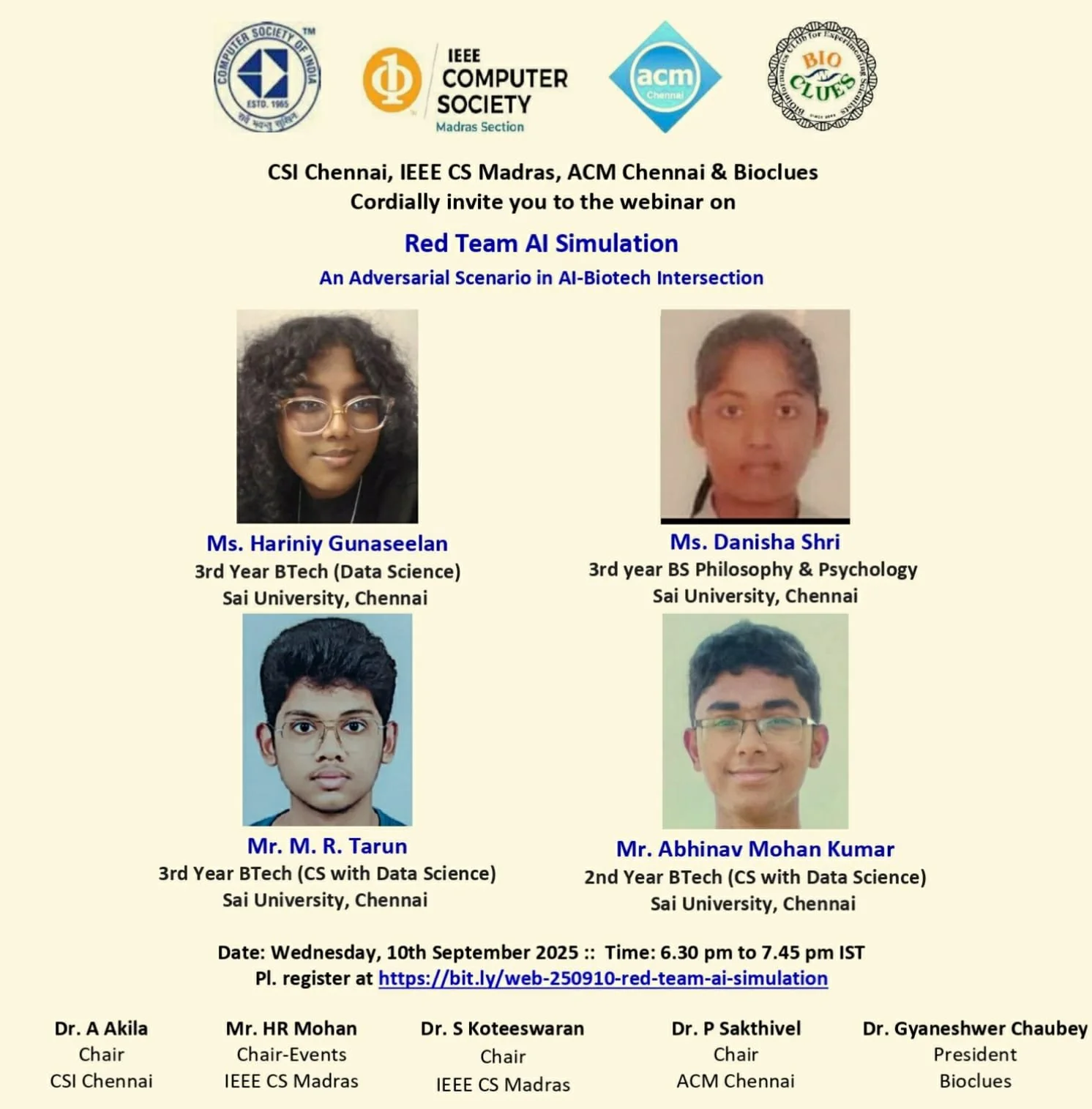
On Wednesday, 10 September 2025 (6:30 PM – 7:45 PM IST), an important academic webinar titled “Red Team AI Simulation: An Adversarial Scenario in AI-Biotech Intersection” will be hosted online. The event is organized by CSI Chennai, IEEE CS Madras, ACM Chennai, and Bioclues, and brings together voices from diverse disciplines to address one of the most urgent questions of our time: how secure are AI systems in sensitive domains like biotechnology?
About the Presentation
AI red teaming is a security practice in which experts simulate real-world attacks on AI systems to identify weaknesses and improve resilience. This webinar will showcase one such red team experiment conducted by students at Sai University, Chennai, who explored how large language models (LLMs) could potentially be manipulated in the context of bioweapon risks.
The experiment, conducted under the guidance of Mr. Tyler Peppel (CEO, Tickr AI; Professor, NYU) and Prof. Sherman Teichman (Founding Director Emeritus, Institute of Global Leadership, Tufts University; Director, The Trebuchet), highlighted vulnerabilities in generative AI systems. The findings showed that models like ChatGPT can be imaginative yet error-prone, persuadable, and exploitable when prompted in disguised or incremental ways.
The project’s insights echo concerns raised by Microsoft Threat Intelligence about “jailbreak” tactics and align with adversarial prompting research by Dr. S. A. Arshinoff and colleagues in Canada. The conclusion was clear: without enforceable ethical guidelines, proactive mitigation, and robust safeguards, AI tools risk being exploited in sensitive domains such as biotechnology and biosecurity.
Student Speakers
The webinar will feature four Sai University students as presenters:
Ms. Hariniy Gunaseelan – 3rd Year BTech (Data Science)
Ms. Danisha Shri – 3rd Year BS (Philosophy & Psychology)
Mr. M. R. Tarun – 3rd Year BTech (CS with Data Science)
Mr. Abhinav Mohan Kumar – 2nd Year BTech (CS with Data Science)
Together, they will share their findings, key learnings, and implications of red teaming AI in the biotech context.
Organizers and Registration
The event is hosted under the leadership of Dr. A Akila (CSI Chennai), Mr. H R Mohan (IEEE CS Madras), Dr. S Koteeswaran (IEEE CS Madras), Dr. P Sakthivel (ACM Chennai), and Dr. Gyaneshwer Chaubey (Bioclues).
Interested participants can register at: https://bit.ly/web-250910-red-team-ai-simulation.
Voices of the Innocent: Dreams of Freedom
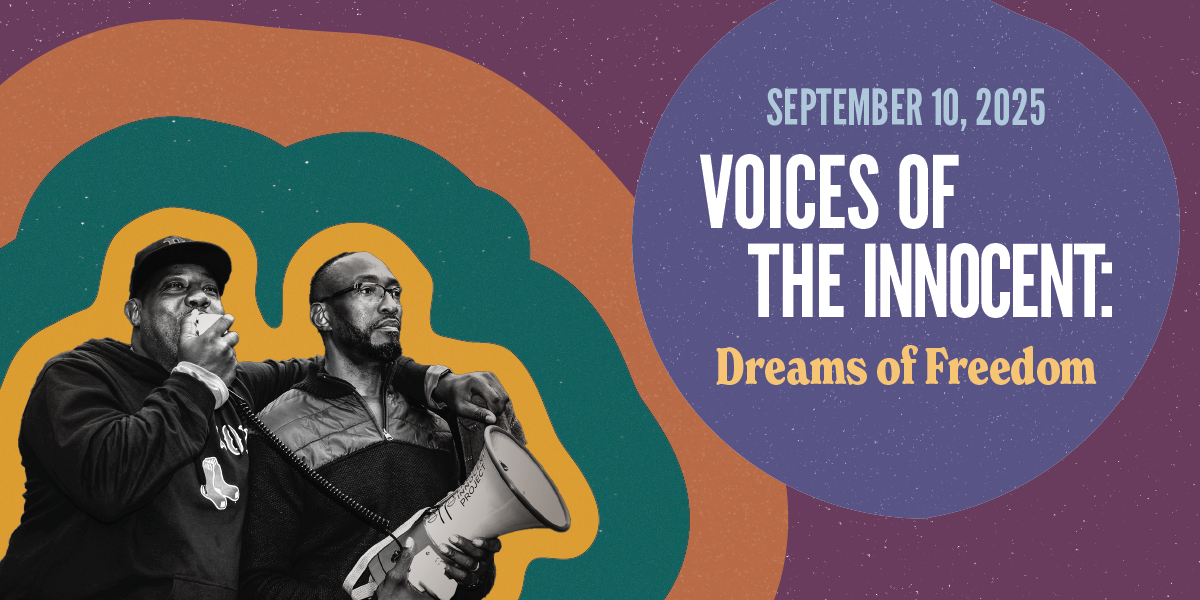
The New England Innocence Project (NEIP) will host Voices of the Innocent: Dreams of Freedom at City Winery Boston on Wednesday, September 10, 2025. The evening will include food, drinks, and a program featuring personal stories from individuals directly impacted by wrongful convictions.
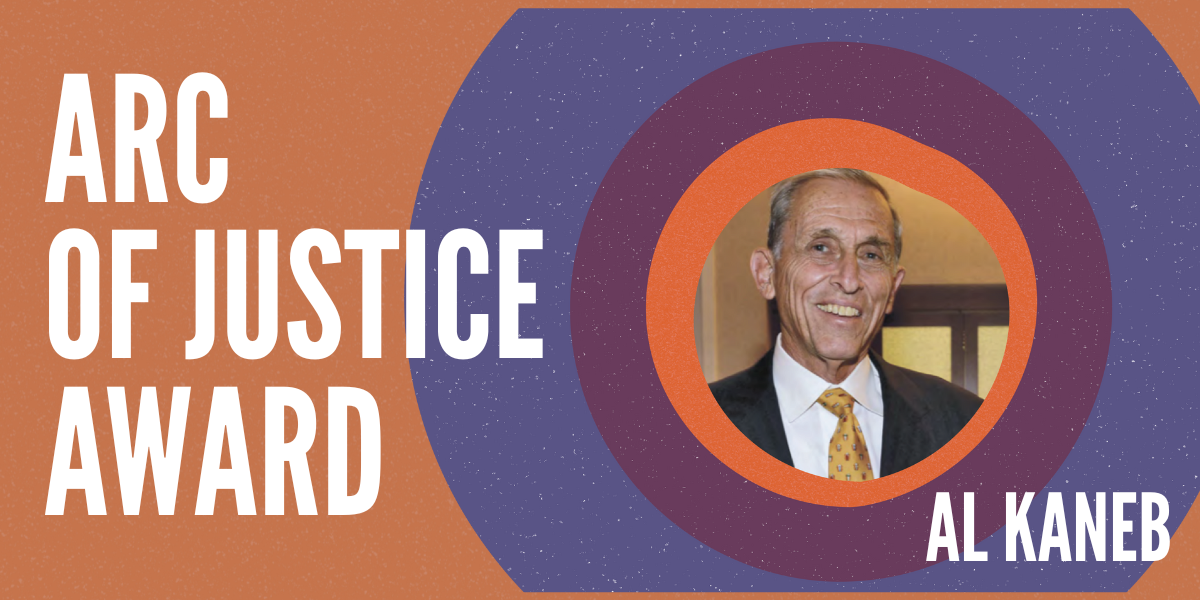
Honoring Al Kaneb
This year’s event will present the 2025 Arc of Justice Award to Al Kaneb in recognition of his long-standing support of NEIP and his efforts on behalf of wrongfully convicted individuals. Kaneb has been involved with the organization for nearly a decade, offering guidance and resources during critical moments.
His advocacy has included work on the case of Nancy Wagner, a Massachusetts woman wrongfully convicted of murder and sentenced to life without parole. Wagner spent 30 years incarcerated before her release. Supporters credit Kaneb’s persistence and encouragement as key in helping her rebuild her life.
Event Details
Date: Wednesday, September 10, 2025
Location: City Winery Boston, 80 Beverly St., Boston, MA
Schedule:
6:00 p.m. – Food & Drinks
7:00 p.m. – Program
Focus on Justice
The event will highlight not only Kaneb’s contributions but also the broader struggles of those wrongfully convicted. Through firsthand accounts, attendees will hear about the challenges of incarceration and the resilience required to reclaim freedom.
For more information or to purchase tickets, visit the event page.
Futurespaces: Museums in the Age of AI

Futurespaces has announced a timely session exploring the future of museums in an age increasingly shaped by artificial intelligence. With one of the scheduled speakers unable to attend this week, Josh Goldblum, founder of Bluecadet and Futurespaces, will lead the conversation.
Event Details
Topic: Museums in the Age of AI
Date: Wednesday, September 4, 2025
Time: 11 AM PST | 2 PM EST
Museums in Transition
Museums have historically served as more than repositories of artifacts. From early “cabinets of curiosity” to national institutions and centers of heritage, they have long been regarded as authoritative cultural gatekeepers. Today, however, their authority is being reshaped—not only by digital access to information but now also by AI-driven systems that redefine how knowledge is curated and consumed.
Goldblum will examine the shifting role of museums as they navigate these changes. Questions under discussion include:
What unique function can museums serve in an era when knowledge is everywhere?
Can they continue to act as civic gathering spaces and forums for cultural discourse?
How should they balance economic sustainability with their cultural and social responsibilities?
A Broader Conversation
The session is part of Futurespaces’ ongoing exploration of contemporary experience design, with a focus on the intersection of design, technology, and human connection. Following Goldblum’s presentation, participants are invited to join a roundtable discussion to share perspectives on how cultural stewardship might evolve alongside artificial intelligence.
About Futurespaces
Founded and led by Josh Goldblum, Futurespaces offers live webinars and in-person tours that investigate how creative and technological innovations can shape meaningful human experiences.
For those interested in cultural institutions, design, and technology, this session provides an opportunity to engage with pressing questions about museums’ future relevance in a digital-first, AI-driven world.
Museums in the Age of AI

Futurespaces has announced a new session for its community events series, stepping in with a timely topic after a schedule change. Josh Goldblum, founder of Bluecadet and Futurespaces, will host Museums in the Age of AI tomorrow, September 4.
Rethinking Museums in a Digital Era
For centuries, museums have been more than repositories of objects. They began as cabinets of curiosity, grew into institutions of memory, and became central to nation-building and cultural heritage. Today, their authority as cultural gatekeepers is being challenged—not only by the digital age but also by artificial intelligence.
In this discussion, Goldblum will explore how museums are adapting to an era of algorithmically curated information. The session will examine questions such as:
What unique role can museums play when knowledge is instantly accessible everywhere?
Can they continue to serve as town squares of cultural discourse?
How should they balance financial sustainability with cultural and social responsibility?
An Invitation to Dialogue
The event will also consider the broader contracts that underpin museums today—economic, social, and philosophical—and how these institutions can remain relevant in a digital-first world. Attendees are encouraged to stay for the roundtable discussion, designed to gather perspectives and spark further dialogue.
About Futurespaces
Futurespaces is a platform dedicated to contemporary experience design, focusing on how design and technology can deepen human connection. Founded by Josh Goldblum, it offers live webinars and in-person tours that provide insight into the creative processes shaping today’s cultural and technological landscapes.
Community members interested in the intersection of technology, culture, and heritage are invited to RSVP and take part in this forward-looking conversation.
Building Bridges of Healing: Oleander Initiative in the UK

This April, the Oleander Trauma Recovery, Resilience and Peace Program traveled from Hiroshima to London, bringing lessons of peace culture to more than 500 mental health professionals, educators, and students. Led by Program Director Kanade Kurozumi and three team members, the initiative showcased how connections forged in Hiroshima can foster resilience and healing across continents.
Six Years of Connection
The program was the culmination of six years of collaboration linking Hiroshima’s peacebuilding community with the UK’s mental health sector. It began in 2019, when Tam Martin Fowles, a trauma recovery specialist from London, attended the Oleander Complexity of Peace program in Hiroshima. Inspired, Tam and her organization Hope in the Heart, CIC launched mental health workshops rooted in the themes she encountered in Japan.
Her work flourished, and in 2024 she returned to Hiroshima with a delegation of British mental health professionals. The following year, the Oleander Initiative reciprocated by sending four peacebuilders to the UK, continuing this cycle of exchange and collaboration.
Sharing Hiroshima’s Peace Culture
The team’s UK journey began at Essex University, where they presented on the connections between Hiroshima’s peace culture, wellbeing, and trauma recovery to more than 100 clinical psychology students. The visit included an origami workshop, allowing students to experience the creative practices tied to resilience.
From there, they engaged 360 students and faculty at Ark Pioneer Academy, presenting the Hiroshima Resilience Project and hosting reflective discussions with teachers. On the same day, they delivered their program The Politics of Empathy to faculty and students at London South Bank University.
Healing Through Art
The final stop was the Battersea Arts Centre, where the team visited the Messages from the HeART exhibition, featuring artwork by individuals with lived experiences of mental health challenges. The Oleander team also led an origami workshop focusing on how art fosters trauma recovery and resilience.
A Living Exchange
This initiative would not have been possible without the creativity and dedication of Kanade and Tam, whose partnership continues to transform peacebuilding into a living exchange across borders. The program reflects how communities benefit when peacebuilders and mental health practitioners come together, sharing lessons of empathy, resilience, and healing.
As Director Ray Matsumiya reflected:
“The Oleander Trauma Recovery, Resilience and Peace Program is an amazing example of how communities benefit when dedicated peacebuilders connect across continents. We look forward to the next evolution of this incredible connection.”
Learn more here: https://oleanderinitiative.org
France’s Nuclear Forces in 2025: Stable Numbers, Active Modernization
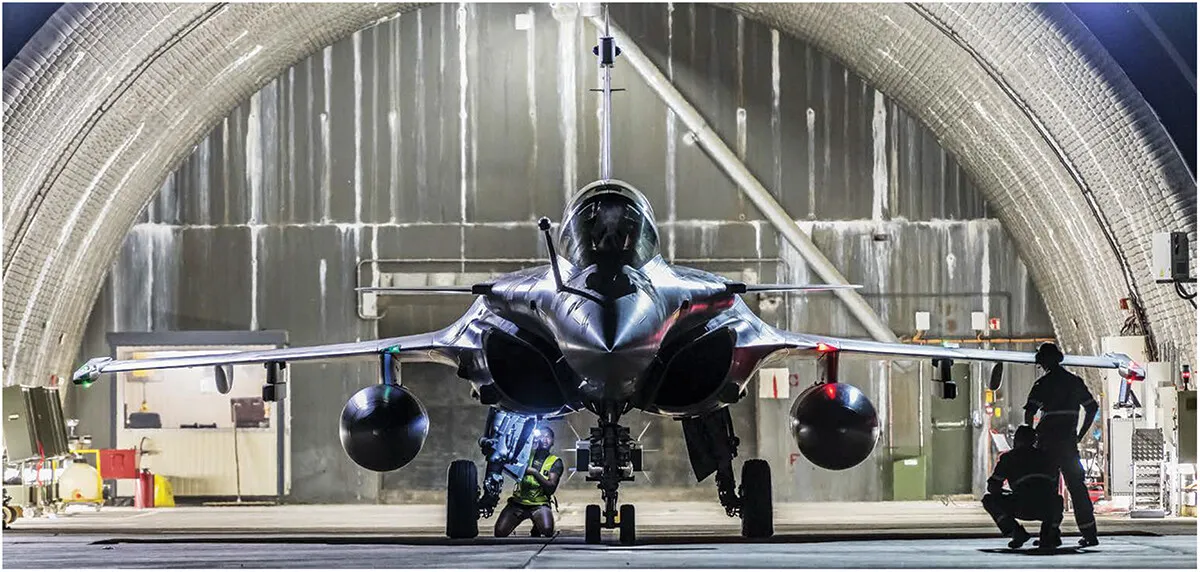
A Rafale BF3 practices alert in a protective aircraft shelter at an unknown base (potentially Saint Dizier) with an ASMPA nuclear cruise missile shape attached to its center pylon. (Credit: French Air Force).
The latest Nuclear Notebook from the Bulletin of the Atomic Scientists (July 15, 2025) takes a comprehensive look at France’s deterrent. The headline: numbers are steady, but nearly every component—from missiles and submarines to aircraft and the industrial base—is in motion.
Topline assessment
Stockpile and inventory: Approximately 290 operational warheads are maintained for rapid deployment. A further ~80 retired TN75 warheads are queued for dismantlement, bringing the total inventory to ~370. This level fulfills the 2008 pledge to remain under 300 operational warheads—roughly half the early-1990s peak of about 540.
Readiness: Almost all stockpiled warheads are deployed or can be uploaded at short notice, underscoring an emphasis on prompt availability rather than large reserves.
Doctrine and signaling
“Strictly defensive,” vital interests: France reiterates that use would be considered only in extreme self-defense tied to its “vital interests.” Under President Macron, those interests have been described as having a European dimension, a formulation that has drawn renewed scrutiny since Russia’s invasion of Ukraine.
No-first-use not adopted: France retains the option of a limited “final warning” strike to reestablish deterrence if needed.
Alliance posture: French nuclear forces remain outside NATO’s integrated command. Paris emphasizes strategic autonomy while increasing diplomatic signaling to European partners about the deterrent’s relevance to collective security.
Sea-based deterrent: SSBNs and M51 evolution
Triomphant-class SSBNs (4 boats): Maintain continuous at-sea deterrence. Three are typically available while one is in major maintenance.
M51 family:
M51.2 with the TNO warhead is now standard on most patrols.
M51.3—featuring a new third stage, longer reach, and a modified TNO-2 reentry vehicle—is scheduled to enter service by the end of 2025, with rollout beginning as submarines cycle through deep overhauls.
Next-gen submarines (SNLE-3G): Steel cutting began in 2024; the first hull is expected to enter service around 2035, with four boats delivered at roughly five-year intervals to about 2050. SNLE-3G will debut with M51.3 and later transition to M51.4.
Air-based leg: Rafale today, hypersonic tomorrow
Current force: Around 40 nuclear-capable Rafale BF3 aircraft in two squadrons at Saint-Dizier, plus a carrier-capable Rafale Marine detachment for the Charles de Gaulle (the only NATO surface vessel configured for nuclear strike). Tanker support has transitioned to the A330 Phénix MRTT fleet.
ASMPA/ASMPA-R: The standoff cruise missile—life-extended as ASMPA-R—remains the nuclear loadout for Rafale. Recent evaluation launches validated the upgrade.
ASN4G hypersonic missile: A new 4th-generation, hypersonic, maneuvering air-to-surface system enters service from 2035, initially on the Rafale F5 standard and later on France’s next-generation fighter.
Basing expansion: The Luxeuil-Saint-Sauveur air base will rejoin the nuclear mission by the mid-2030s, hosting Rafale F5 squadrons and becoming the first base to field ASN4G. This effectively doubles the number of nuclear-capable Rafales and diversifies basing.
Exercises and command system
Operation Poker (with Banco): France runs about 70 FAS exercises annually; Poker—a large-scale nuclear strike rehearsal with Rafale, ASMPA shapes, and tanker support—occurs four times a year. Banco is the nuclear loading drill often preceding Poker.
Authority and control: The President alone authorizes use, with the CEMA executing orders through hardened networks (RAMSES) and last-resort channels (SYDEREC). SSBN connectivity relies on very-low-frequency transmitters, part of a redundant national C3 architecture.
The warhead enterprise
Design and simulation: The CEA/DAM complex underpins warhead design, certification, and life-cycle support via high-performance computing and hydrodynamic/radiographic test facilities (Bruyères-le-Châtel, Valduc/Epure, and CESTA/LMJ).
Dismantlement: Retired TN75s are moving through the dismantlement pipeline at Valduc.
Tritium: France plans to source tritium for warheads from the Civaux civilian reactor site—marking a notable civil-military integration akin to US practice.
Transparency—within limits
Public disclosure: France is among the few nuclear-armed states to publicly quantify its stockpile—a foundation for higher-confidence external estimates.
Constraints: Access to granular data is tempered by restrictive declassification rules and widespread blurring of sensitive sites on public mapping platforms; analysts increasingly rely on alternative commercial imagery sources.
Why it matters
France’s path illustrates a lean, ready, and modern deterrent: relatively small numbers, high availability, and measured but steady upgrades. The coming decade will be defined by two pivots:
M51.3 + SNLE-3G at sea, extending range, survivability, and patrol endurance; and
Rafale F5 + ASN4G in the air, adding hypersonic, maneuvering standoff options and a second nuclear base for resilience.
For Europe, the messaging is clear: while posture and control remain national, Paris is calibrating communications to underscore the deterrent’s relevance to European security—without folding it into NATO’s nuclear planning or adopting no-first-use.
Full source and details:
Hans M. Kristensen, Matt Korda, Eliana Johns, and Mackenzie Knight-Boyle, “French nuclear weapons, 2025,” Bulletin of the Atomic Scientists, 81(4), 313–326. DOI: 10.1080/00963402.2025.2524251.
Read the article: https://thebulletin.org/premium/2025-07/french-nuclear-weapons-2025
Rising Violence in Arab Society and Community Resilience Initiatives

Knesset Committee Testimony
The Abraham Initiatives’ Semi-Annual Monitoring Report for January–June 2025 presented a deeply concerning picture of violence within Arab society in Israel. The report documented 128 Arab citizens killed in the first half of 2025, a number that has since risen to 146. This marks a sharp increase compared to 109 fatalities in the same period of 2024 and 111 in 2023, which was already a peak year.
At a Knesset National Security Committee session, Lama Yassin, Director of the Mixed Cities Initiative at The Abraham Initiatives, warned of an escalation in extremist attacks against Palestinians:
“In recent months, we have witnessed an unprecedented and unacceptable escalation in violence against the Arab population... It reached a new low when Jewish citizens applauded the death of four Arab women in Tamra during the war with Iran.”
She highlighted violent incidents targeting Knesset members, bus drivers, and journalists, as well as hostile online commentary celebrating the suffering of Arab communities. Yassin stressed the urgent need for Israeli leadership to address these fundamental threats to social cohesion.
Strengthening Bedouin Communities through Security Training
Amid these challenges, The Abraham Initiatives’ Safe Communities Initiative is showing promising results. Over 671 graduates (400 women, 271 men) from 23 courses across 15 Bedouin towns have now completed Personal Security Courses.
Impact data reveals significant progress:
Reporting of shooting incidents to police rose from 13% to 90%.
Readiness to take action against violence increased from 30% to 94%.
Understanding of emergency response protocols improved from 14% to 90%.
A campaign promoting security and resilience reached 1.3 million views on social media.
These efforts demonstrate how locally driven initiatives can enhance safety, empower communities, and foster resilience—particularly among women and youth.
Intercommunal Healthcare Forum
The second meeting of the Healthcare Expert Forum, co-hosted by The Abraham Initiatives and the Galilee Society, convened Jewish and Arab professionals to share best practices for maintaining workplace solidarity during crises. Key recommendations included:
Assigning designated personnel to manage relations.
Ensuring strong, consistent leadership messaging.
Establishing protocols to address offensive comments and protect Arab staff.
Creating safe spaces for dialogue.
Managing organizational messaging during public events.
Defending Democratic Representation
In a related development, a Knesset proposal to remove MK Ayman Odeh, leader of the Arab-majority Hadash-Ta’al Party, was defeated. The attempt drew widespread criticism from civil society organizations, who argued it was an unprecedented assault on democratic representation. Mobilization by advocacy groups helped ensure the failure of this measure, safeguarding the political voice of Arab citizens.
The data and testimony presented this month reveal the severity of violence facing Arab citizens, the persistence of extremist attacks, and the urgent need for government accountability. At the same time, the progress achieved through grassroots initiatives such as the Safe Communities program underscores the power of resilience, community-led security, and cross-communal cooperation to drive meaningful change.
Learn more here: https://abrahaminitiatives.org
Our Genocide: B’Tselem’s Urgent Call to Halt the Destruction of Gaza

We share with you an important and deeply troubling new report released this month by B’Tselem, the Israeli human rights organization. The report, titled Our Genocide, documents what the authors conclude is an ongoing genocide committed by Israel against the Palestinian people, particularly in the Gaza Strip, since October 2023.
What the Report Finds
The 86-page document outlines in detail the destruction of Palestinian life across Gaza, the West Bank, East Jerusalem, and within Israel itself. It draws on eyewitness testimony, field research, humanitarian data, and international law.
Mass Killings & Trauma: By mid-July 2025, more than 58,000 Palestinians in Gaza had been killed, with nearly 140,000 wounded. Women, children, and the elderly make up a significant proportion of victims. Life expectancy has collapsed; for men, it has dropped by over 50% since October 2023.
Destruction of Living Conditions: Starvation, collapse of healthcare, destruction of housing, and deliberate targeting of water and electricity infrastructure have created catastrophic conditions. The report notes starvation is being used as a method of warfare, with deaths mounting daily.
Forced Displacement: Millions have been driven from their homes in Gaza and the West Bank. “Safe zones” have been repeatedly bombed, including al-Mawasi, where 90 were killed and 300 injured in one strike.
Psychological & Cultural Assault: Entire generations, particularly children, are suffering extreme trauma. Education, religious sites, family structures, and press freedom have been systematically undermined.
Prison Camps & Torture: Thousands of Palestinians are detained without trial in prisons described as “torture camps.”
Incitement & Dehumanization: The report compiles statements from senior Israeli leaders and soldiers reflecting genocidal intent, where all of Gaza’s population is seen as complicit or disposable.
Genocide as a Process
The report stresses that genocide is not only about mass killings. It is a process — one rooted in decades of apartheid policies, ethnic cleansing, and systemic dehumanization. The Hamas-led attack of 7 October 2023, the report argues, became the triggering event that enabled the Israeli government to escalate from repression to outright destruction.
A Call to Action
B’Tselem, whose name means “in the image [of God],” has for 35 years documented human rights violations in Israel and Palestine. With this report, they call on both Israeli society and the international community to urgently act to stop the genocide, protect Palestinian lives, and prevent its further spread beyond Gaza.
“We all live under a discriminatory apartheid regime that classifies some of us as privileged subjects simply because we are Jewish, and others as undeserving of any protection simply because we are Palestinian. Together, we fight for the right we all have to live between the Mediterranean Sea and the Jordan River without discrimination, violent repression and annihilation.” — Our Genocide, B’Tselem
Read the full report here: Our Genocide (B’Tselem, July 2025).
Remembering Awdeh Hathaleen: A Voice for Peace Silenced
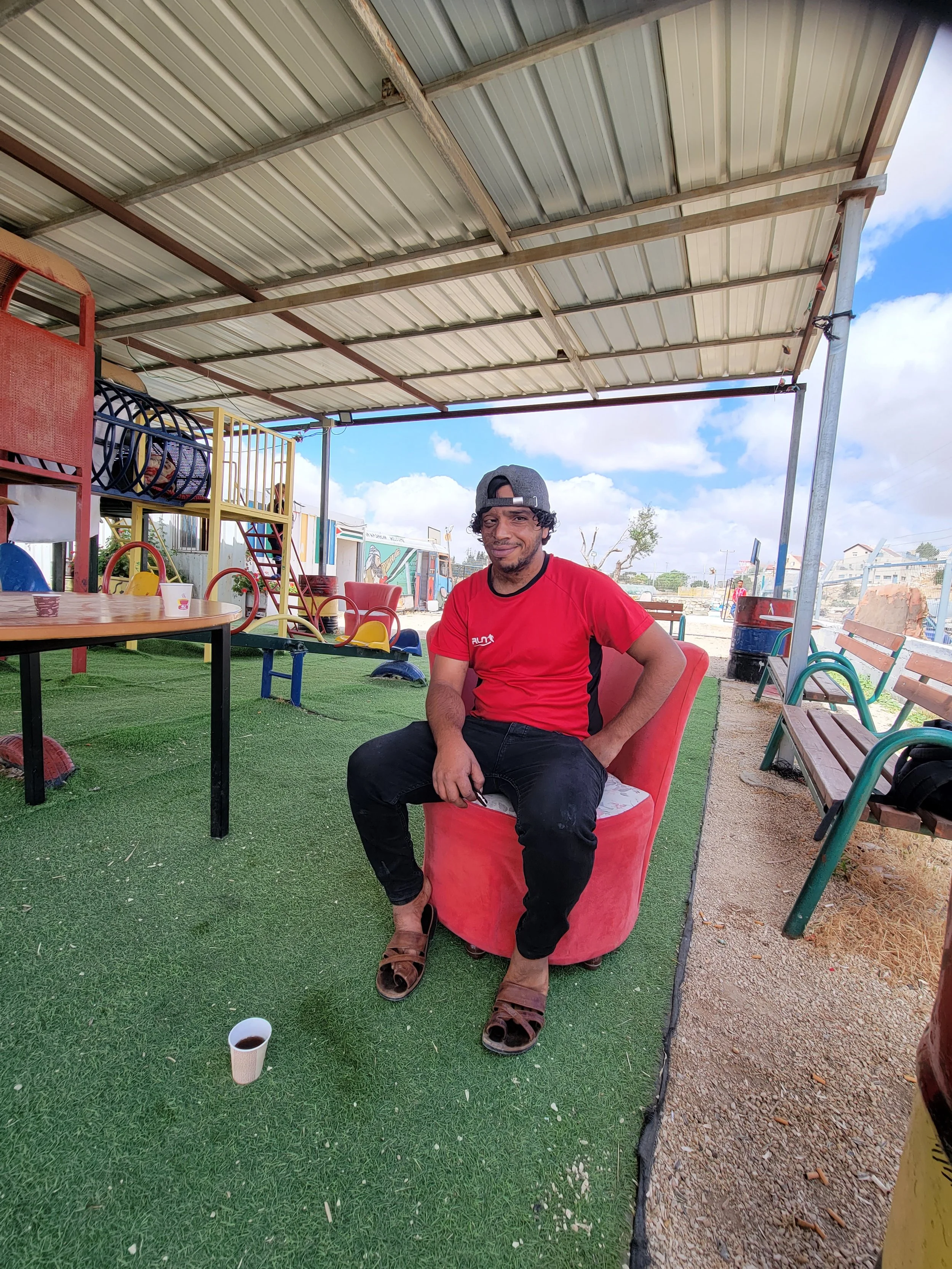
We share the deeply painful news that Awdeh Hathaleen, a beloved teacher, community leader, and advocate for nonviolent resistance in Masafer Yatta, has been killed. Awdeh, known for his dedication to peace and his tireless efforts on behalf of his community, was shot dead by a settler outside the Palestinian village of Umm al-Khair.
Just hours before his death, Awdeh sent an urgent message about settlers working behind homes in his village, attempting to cut the main water pipe and establish caravans. His last words underscored his lifelong commitment to protecting his community:
“We need everyone who can make something to act… if they cut the pipe the community here will literally be without any drop of water.”
A Life Cut Short by Violence
Witness accounts detail that settlers arrived with bulldozers, destroying olive trees and injuring residents. During this attack, extremist settler Yinon Levi fired his weapon, killing Awdeh. Levi has previously been sanctioned by the United States for violence against Palestinians but was freed from such restrictions when sanctions were revoked in early 2025.
For years, Awdeh welcomed visitors, including members of Congress and civil society leaders, into his community, showing the daily challenges faced by Palestinians in the South Hebron Hills. His death is both a personal tragedy for those who knew him and a stark symbol of the unchecked settler violence afflicting Palestinian communities.
J Street’s Response
J Street issued a strong statement mourning Awdeh’s death and calling for accountability:
Urging Israel to investigate and bring perpetrators to justice.
Calling on the U.S. government to press Israel to ensure accountability.
Renewing advocacy for the West Bank Violence Prevention Act (H.R.3045), introduced in Congress to codify sanctions against violent settlers and deter further attacks.
Read the full statement here: J Street Statement on Awdeh Hathaleen
A Call to Action
Awdeh’s death highlights the urgent need to confront settler violence and the broader structures that enable it. By supporting legislation like the West Bank Violence Prevention Act and demanding accountability, there is a chance to honor Awdeh’s legacy and protect others from the same fate.
Petitions are circulating to encourage Members of Congress to support the bill. Once signed, participants will receive instructions on how to contact their representatives.
Awdeh Hathaleen will be remembered as a peace-loving leader whose voice called for dignity, justice, and hope. May his memory serve as a blessing—and as a call to action.
Emergency Discussion: The Starvation of Gaza
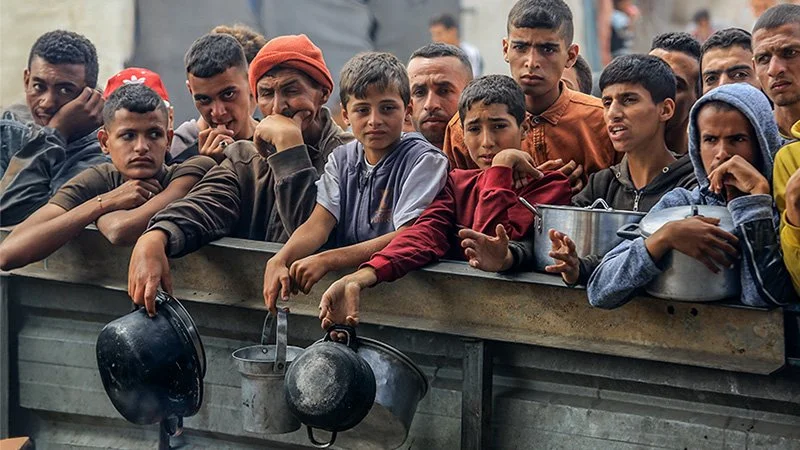
Black Flag in Academia is convening an urgent online event to address the worsening humanitarian crisis in Gaza, where starvation is being used as a weapon of war.
Since 2007, Israel has controlled the availability of foodstuffs in Gaza through a blockade. Following the events of October 7, 2023, this control has intensified, raising alarm that starvation is being deployed as a method of warfare against Palestinians. While Gaza has experienced food scarcity during the past 21 months, the situation has deteriorated sharply in recent days. Since July 21, 2025, at least 54 individuals have died from starvation. Analysts and health professionals stress that this catastrophe is entirely man-made and the direct consequence of Israeli policy.
Event Details
Date: Monday, July 28, 2025
Time: 21:00 Israel/Palestine | 20:00 CET | 2:00 PM EDT
Format: Live Zoom discussion and broadcast
Access link: Join Zoom Meeting
Speakers
Dr. Ezzideen Shehab, Al-Rahma Medical Center
Prof. Roni Strier, Haifa University
Tamar Luster, Tel Aviv University
Prof. Alex de Waal, World Peace Foundation and Tufts University
Moderator:
Dr. Fatina Abreek-Zubeidat, Tel Aviv University
Discussion Focus
This emergency panel will explore:
The immediate and long-term impacts of starvation in Gaza
The legal frameworks surrounding starvation as a method of warfare
The role of international actors and civil society in preventing further catastrophe
Concrete steps that can be taken to stop this man-made crisis
This event offers an opportunity to hear directly from medical experts, academics, and policy specialists about one of the gravest humanitarian emergencies of our time.
Announcing the 2025 FASPE Fellows
FASPE (Fellowships at Auschwitz for the Study of Professional Ethics) has announced the 2025 cohort of Fellows. Since its founding in 2010, FASPE has granted nearly 85 fellowships annually across six professional fields—Business, Clergy & Religious Leadership, Design & Technology, Journalism, Law, and Medicine. The program emphasizes ethical leadership and responsibility, recognizing the impact that professionals hold in shaping society.
Each fellowship convenes in Germany and Poland, where participants engage in rigorous study of professional ethics through historical and contemporary lenses. This approach underscores FASPE’s mission: to explore how influence can be exercised responsibly in professions that profoundly affect civic life.
This year’s Fellows will join a network of more than 900 alumni worldwide who are committed to ethical leadership and to addressing the moral challenges of their respective fields.
Business Fellows
Among those selected are professionals and students from institutions such as Harvard Business School, MIT Sloan, Columbia Business School, Duke Fuqua, and Boston Consulting Group. Their work spans consultancy, global supply chains, and assistive technology.
Clergy & Religious Leadership Fellows
The clergy cohort brings together leaders and emerging voices from across Christian denominations and global institutions including Yale Divinity School, Abilene Christian University, Free University of Berlin, and Santa Barbara’s New Beginnings.
Design & Technology Fellows
This group features professionals from leading technology firms including Google, Microsoft, and Booz Allen Hamilton, alongside scholars from Georgetown, Yale, and UC Berkeley, reflecting the program’s focus on ethical responsibilities in rapidly evolving technological fields.
Journalism Fellows
The journalism cohort includes reporters from The New York Times, The Washington Post, NPR, Voice of America, CBC, and GloboNews, among others. These Fellows are positioned to address the ethical complexities of reporting in today’s polarized information environment.
Law Fellows
Law Fellows come from top institutions and firms including Harvard, Yale, Duke, Georgetown, Wachtell, and courts across North America and Europe. They represent the intersection of jurisprudence, accountability, and ethical governance.
Medical Fellows
The medical cohort includes physicians and researchers from leading universities and hospitals such as Stanford, Mount Sinai, NYU, Brown, and the University of Toronto. Their expertise spans psychiatry, child and adolescent health, and internal medicine.
Looking Ahead
With the selection of the 2025 Fellows, FASPE continues to expand its impact as a global network dedicated to ethical leadership. The program not only honors its origins in the study of the Holocaust but also applies its lessons to contemporary professional challenges.
To explore the full list of 2025 Fellows, their institutions, and areas of focus, visit the official page: FASPE 2025 Fellows.
New Publication Highlights Corruption’s Toll on Libya

A new article by Grace Spalding-Fecher and Chiara-Lou Parriaud, published on June 16, 2025, examines the far-reaching consequences of the Sarkozy-Gaddafi corruption trial. Titled “The Sarkozy-Gaddafi Trial Exposes Corruption’s Devastating Effect on Libyans,” the piece not only scrutinizes the democratic resilience of France but also underscores how high-level corruption has exacerbated instability and human suffering in Libya.
Sarkozy on Trial
The article revisits the corruption case against former French President Nicolas Sarkozy, who stands accused of illegally financing his 2007 presidential campaign with millions of euros from Libyan leader Muammar Gaddafi. The trial, which has spanned over a decade of investigations, carries serious implications for France’s judiciary and democratic institutions. Prosecutors have demanded a prison sentence, financial penalties, and a political ban should Sarkozy be found guilty, with a verdict expected on September 25.
Impact Beyond France
While French media coverage has largely focused on the trial’s implications for democracy at home, Spalding-Fecher and Parriaud argue that the true cost of this corruption is borne by Libyans. Since the fall of Gaddafi in 2011, Libya has endured years of civil war, failed peace processes, and authoritarian practices entrenched by both eastern and western factions. The authors show how Sarkozy’s dealings with Gaddafi not only compromised French democratic norms but also helped entrench repression in Libya.
Technology, Surveillance, and Repression
The article also sheds light on the role of Amesys, a French cybersecurity firm accused of providing surveillance tools to the Gaddafi regime. The spyware was allegedly used to track, detain, and torture Libyan dissidents. This link between French commercial interests and human rights abuses illustrates how corruption in international politics can directly impact civilian lives.
France’s Continued Role
Beyond Sarkozy’s tenure, the authors trace how French leaders have continued to interfere in Libya’s political process. From military support to Khalifa Haftar’s Libyan National Army to backchannel diplomacy undermining U.N.-led peace efforts, France’s policies are portrayed as prioritizing strategic alliances and counterterrorism over democracy and human rights.
Call for Accountability
Ultimately, Spalding-Fecher and Parriaud argue that France must reckon with the consequences of its foreign policy in Libya. They call for stricter accountability, conditioning of commercial and military contracts on human rights standards, and support for Libyan civil society organizations working to build inclusive peace.
The publication is a timely reminder that corruption at the highest political levels has long-lasting, devastating effects far beyond national borders. By placing Libyan voices and experiences at the center of the narrative, the article challenges policymakers and citizens alike to rethink the global costs of corruption.
Read more here: The Sarkozy-Gaddafi Trial Exposes Corruption’s Devastating Effect on Libyans
Israel at a Crossroads
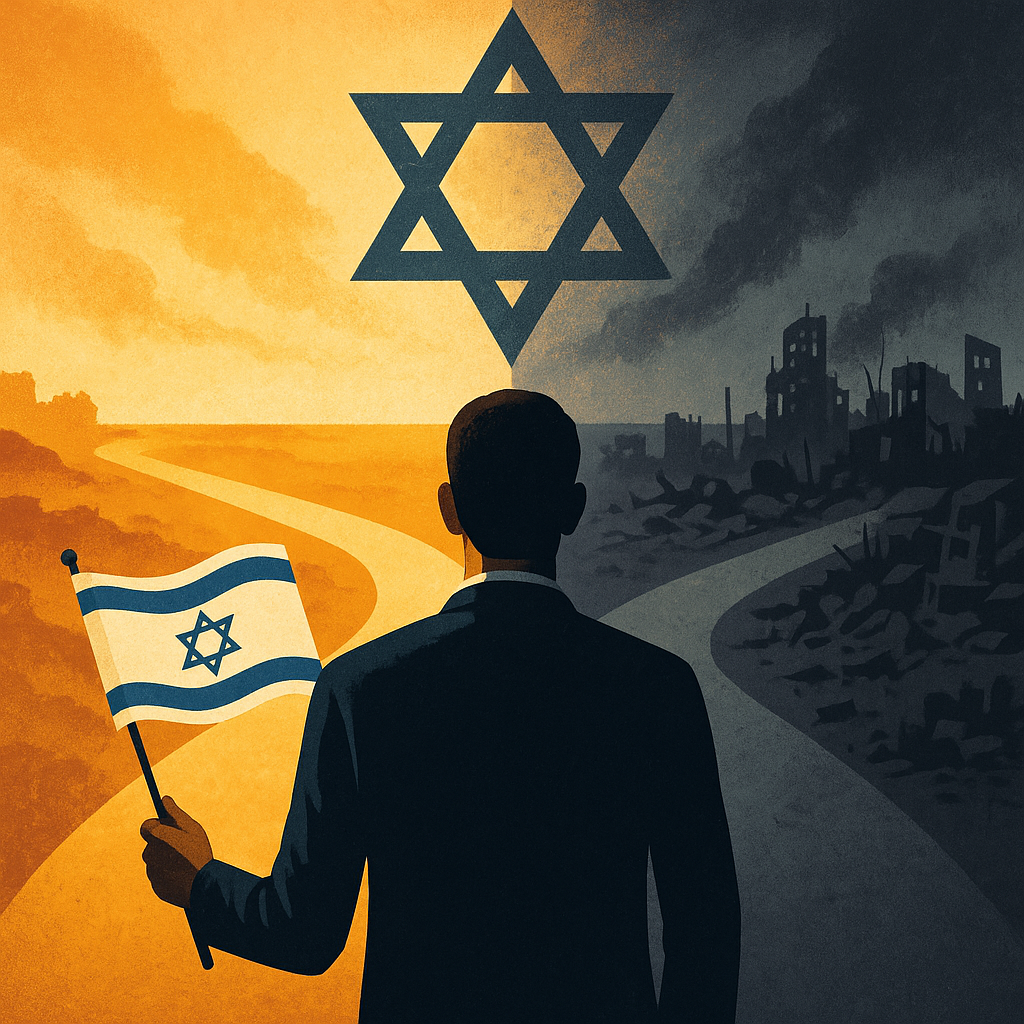
Former Knesset Speaker Avrum Burg has published a critical reflection on Israel’s present and future, raising the difficult question of whether the state can continue to claim moral legitimacy. Writing in his Substack, Burg draws on more than two decades of commentary, recalling his earlier warning that democracy in Israel was “dying on the hilltops of the occupied territories.” He argues that the trajectory of the past half-century, compounded by the events since October 7, has brought the state to a point of existential crisis.
From Democratic Vision to Moral Crisis
Burg contrasts Israel’s early years as a fledgling democracy—marked by fragile peace efforts, welfare programs, and an active civil society—with what he describes as today’s disintegrating social fabric. He contends that the current government has turned Gaza into a humanitarian catastrophe, carried out deliberate policies of displacement, and eroded the ethical foundations on which Israel was built.
Divided Societies
The essay characterizes contemporary Israel as fractured into four distinct communities, held together largely by war:
Ultra-Orthodox communities, accused of prioritizing exemptions and funding while remaining detached from national sacrifice.
National-religious Zionists, whose military service and messianic worldview, Burg argues, fuel a perpetual conflict.
Secular Israelis, described as bearing the state’s economic and military burden but politically weakened and fragmented.
Palestinian citizens of Israel, who, despite ongoing discrimination, have resisted opening another internal front even as Gaza suffers devastation.
A Call for a New Social Contract
To Burg, the question of whether the Israeli project has failed is an attempt to name the gulf between founding ideals and current realities. He writes:
“A state that systematically denies rights to millions, that justifies mass killing as a security strategy, and that elevates Jewish supremacy and inequality to the level of ideology, such a state may no longer claim moral legitimacy. Perhaps the Israel that has severed itself from its founding values and now stands in defiance of the very international norms that brought it into being, has lost the right to exist.”
Rejecting despair or calls for destruction, Burg insists the only way forward is to establish a new covenant of equal citizenship in which Jews and Arabs live together not as enemies, rulers, or ruled, but as partners who commit to “Never Again” for both peoples. Without such a fundamental transformation, he concludes, Israel faces the reality that the project may be “truly over—and perhaps, justly so.”
Read more here: Israel. Is the Game Over?
Finding Refuge Together: Celebrating 20 Years of RefugePoint

This October, RefugePoint will mark a major milestone—its 20th anniversary—with a one-night-only celebration, Finding Refuge Together, hosted at Boston’s Museum of Fine Arts. Since its founding in 2005, RefugePoint has helped more than 180,000 refugees secure resettlement and other pathways to safety. The anniversary event is designed both as a cultural celebration and as an opportunity to support the organization’s mission of expanding lasting solutions for refugees worldwide.
Why Attend?
An Iconic Setting
The event will take place at the Museum of Fine Arts, offering attendees a rare chance to experience the museum’s striking galleries and architecture after hours.
Global Cuisine
Guests will enjoy a dine-around reception featuring international dishes that reflect the diversity and resilience of refugee communities.
Performances and Art
The evening program will highlight powerful expressions of refugee journeys, including:
A dance performance on family separation and reunion
A recital by an Afghan pianist who describes his music as an act of resistance
A pop-up marketplace featuring handcrafted works by refugee artisans
An Afro-Beats DJ set to close out the night
Stories That Inspire
Speakers will include refugee leaders, RefugePoint staff, and global humanitarians. The program will also feature Nobel Peace Prize Laureate and Time Woman of the Year, Nadia Murad.
Celebration with Purpose
Every ticket sold and donation made will directly support RefugePoint’s work in resettlement, family reunification, labor mobility, and refugee self-reliance. Attendees are invited to dress in either formal attire or cultural dress, reflecting the evening’s theme of unity in diversity.
Event Details
Date: Tuesday, October 14, 2025
Location: Museum of Fine Arts, Boston
Tickets: Available at www.findingrefugetogether.org
Special Offer: 20% discount on tickets through Labor Day
This event promises to be a memorable evening of art, music, food, and storytelling, bringing communities together in recognition of refugees’ resilience and in support of RefugePoint’s work over the past two decades.